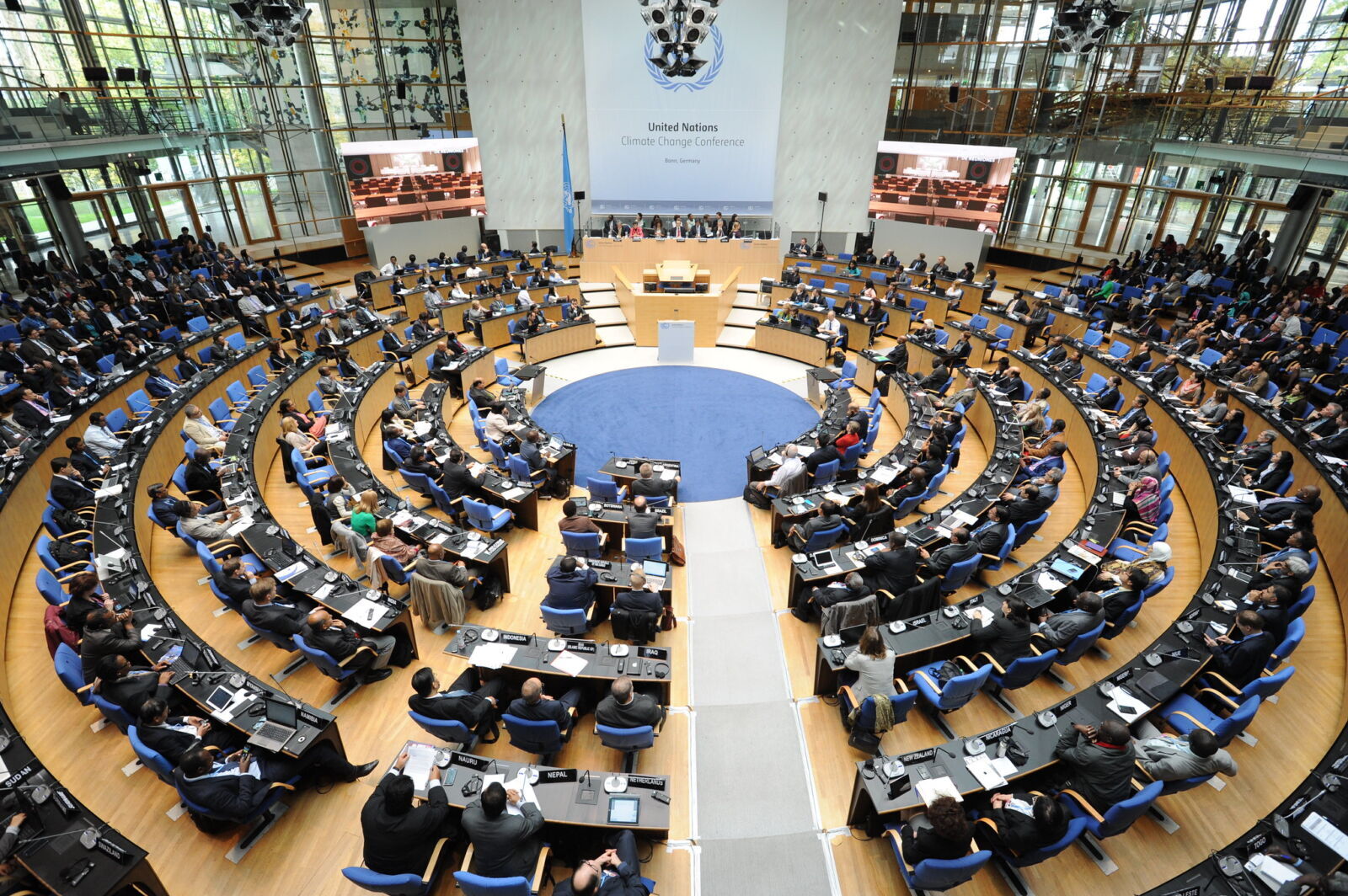
Countries at the Bonn Climate Conference have opened a sharp debate over how the world should halt and reverse deforestation by 2030.
The dispute is no longer only about trees. It is about finance, land rights, trade rules, carbon markets and who carries the cost of conservation.
For forest-rich countries, including many in the Global South, the central question is simple: will standing forests finally be treated as economic assets?
Forests Stand, But Finance Still Falls Short
At the Bonn Climate Conference 2026, governments reopened one of climate diplomacy's most contested questions: who pays to keep forests standing?
The debate followed the COP30 Presidency's roadmap — first unveiled in Belém — to halt and reverse deforestation by 2030. At the 64th UNFCCC Subsidiary Bodies session, the roadmap faced its first formal multilateral test. The conclusion was telling: the world agrees forests matter, but remains divided on financing, defining degradation, regulating markets and ensuring accountability.
For Africa, the stakes are immediate. The Congo Basin, West African and East African forests are climate buffers, community assets and future economic infrastructure — yet the pressure to convert land for agriculture, mining and expansion still outweighs the financial reward for conservation.
The Bonn debate is ultimately about whether forest protection can become a credible development pathway — not merely a moral appeal.
Rainforest Nations Ask For Fair Value
A sharp tension defined the Bonn forest finance debate: the global economy currently rewards forest loss more than forest protection. Countries that clear land for commodities attract investment; those that conserve receive limited, unpredictable finance.
Rainforest nations pushed back firmly. Guyana and Suriname demanded sovereign-level payments recognising conservation already delivered. The Coalition for Rainforest Nations called for scaled-up results-based finance through REDD+ and Article 6 carbon markets — arguing that forests left standing deliver global climate, biodiversity and rainfall benefits while local communities bear the opportunity costs alone.
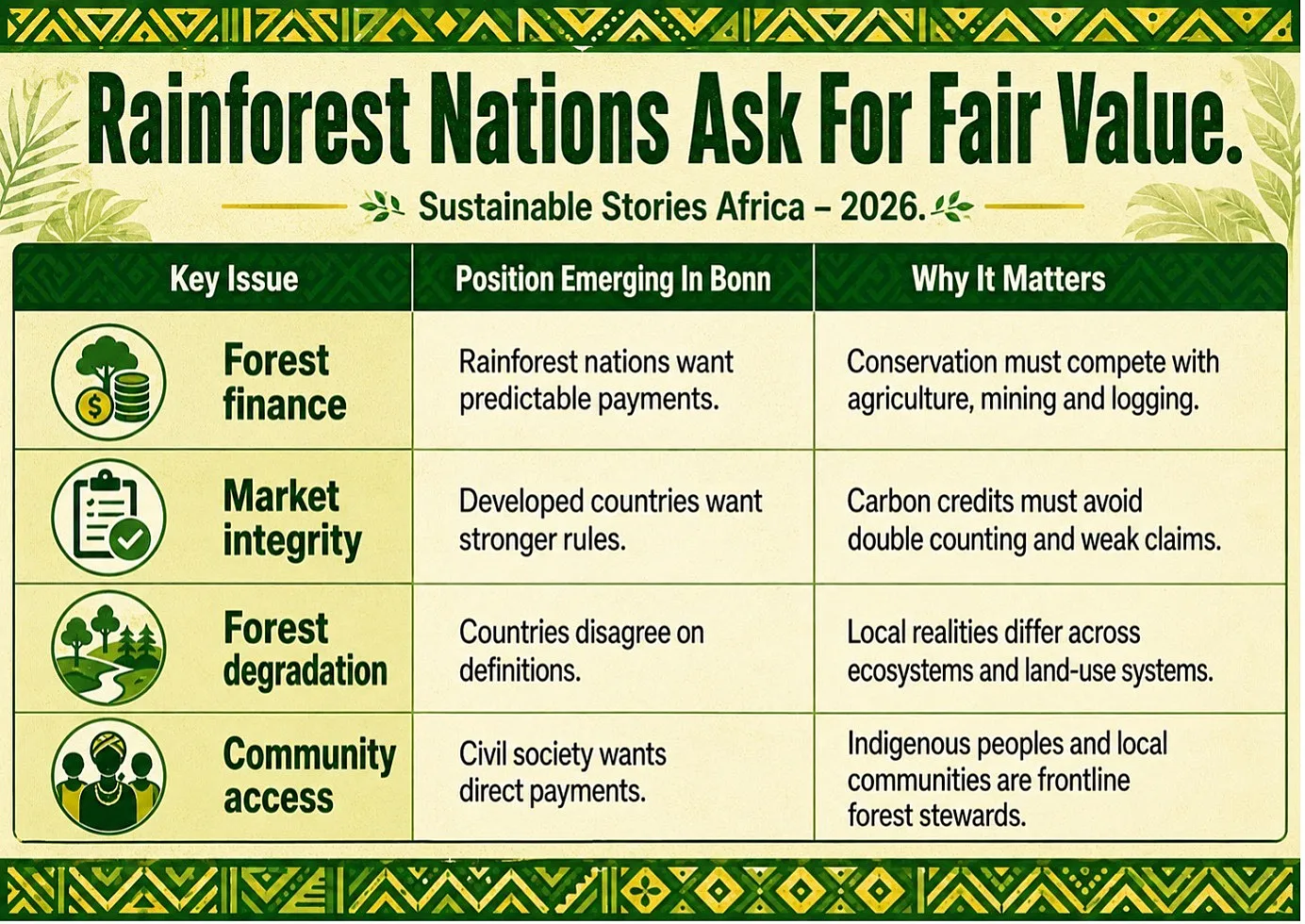
Developed economies responded differently, prioritising supply chain regulation, transparency frameworks and blended finance instruments to mobilise private capital.
The positions are not irreconcilable; however, the trust gap is real. Forest-rich nations want predictable, fair payments. Donor countries want measurable, verified outcomes.
Desire — A Better Forest Economy Is Possible
If the COP30 roadmap delivers, forests could shift from the margins of climate policy to the centre of economic planning, unlocking nature-based enterprises, community forestry, ecotourism, restoration jobs and carbon-linked rural investment across African markets.
The opportunity is sharpest for forest-dependent communities.
- When finance reaches local people, conservation sustains schools, clinics and livelihoods.
- When it doesn't, forest policy risks becoming an elite climate conversation disconnected from rural realities.
The cost of inaction is equally clear.
- Without credible finance, debt-pressured governments may keep approving land conversion. Without transparent rules, carbon markets lose credibility.
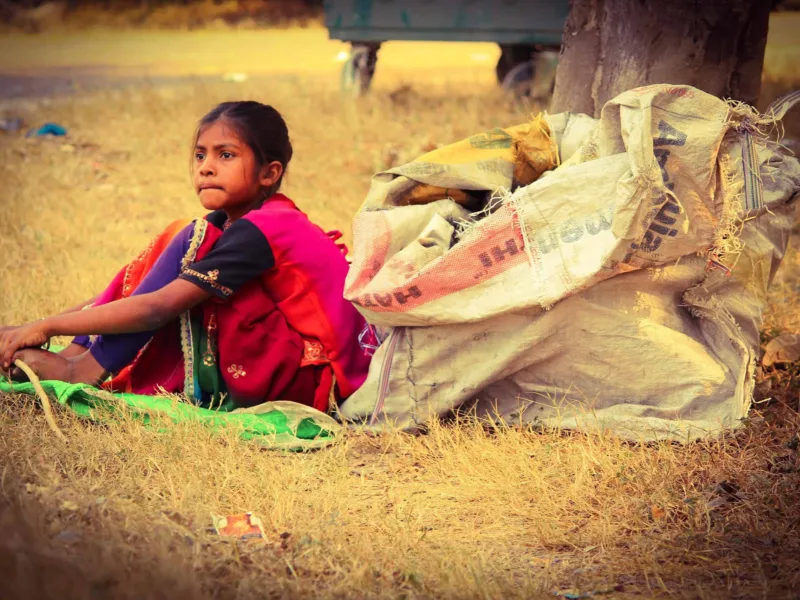
- Without land rights, communities remain excluded from the value of ecosystems they already protect.
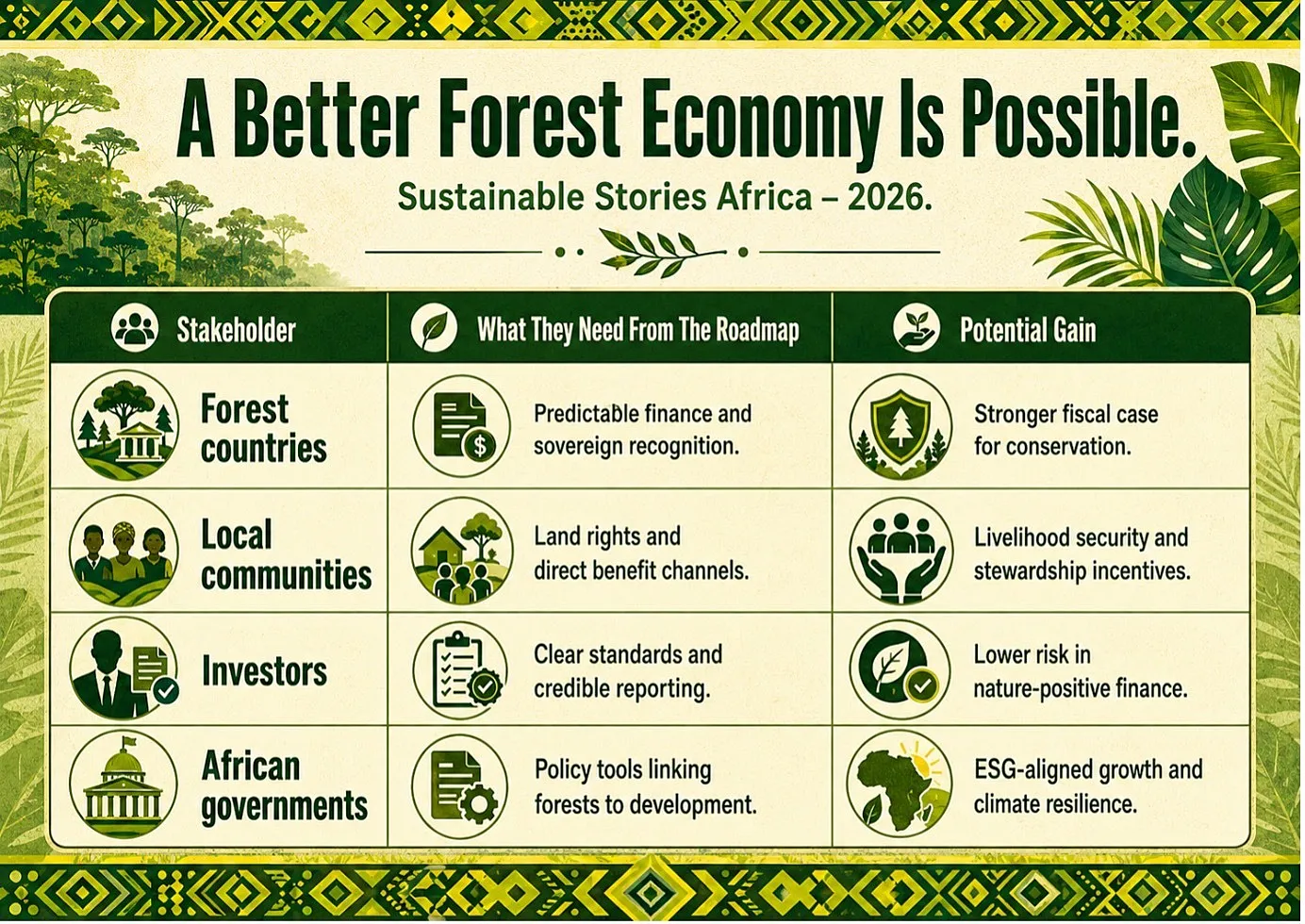
The prize is not only lower emissions. It is a new economic grammar in which natural capital, community rights and responsible markets reinforce one another.
Finance, Rights, and Rules Must Align
Bonn made one thing clear: ambition without a delivery architecture will not save forests. The roadmap needs structural foundations, rather than pledges.
Four priorities emerge.
- Finance must become predictable – bankable payment systems that allow governments to plan, support communities and resist destructive land-use pressure.
- Community rights must be central – civil society warned that climate finance frequently bypasses indigenous peoples and local communities, despite their frontline stewardship role.
- Land tenure, benefit-sharing and direct-access mechanisms are non-negotiable.
- Market integrity must be protected – carbon and biodiversity credits can mobilise capital, but only if transparent, measurable and free from double counting.
Finally, African policymakers should read Bonn as a signal for preparation.
Forest nations need stronger monitoring systems, clearer land-use strategies, credible ESG disclosure and national fund structures capable of receiving and distributing climate finance transparently.
The question is no longer whether forests matter. It is whether the world builds a financial system that values them before they are gone.
Path Forward – Make Forest Finance Reach Communities
The COP30 forest roadmap must now move from diplomatic language to practical systems: predictable payments, credible rules, transparent markets, and direct channels of community benefit.
For African markets, the priority is to connect forest protection with development planning, ESG finance and rural livelihoods.
If designed well, the roadmap can turn conservation into investable resilience, strengthening climate action while protecting the people who keep forests alive.