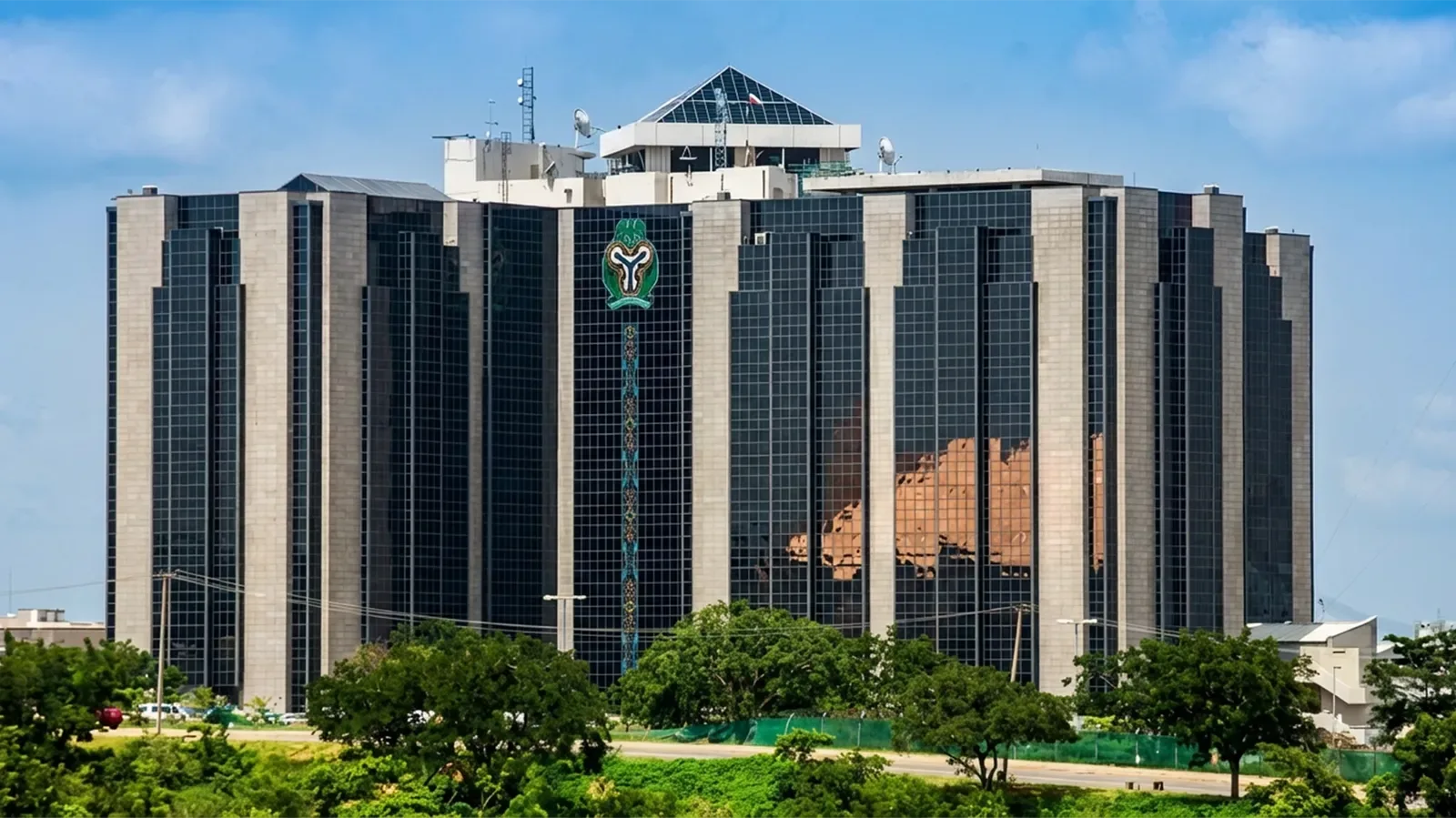
Nigeria’s central bank has warned bank directors to strengthen governance standards or face regulatory action.
The move comes as regulators intensify efforts to protect financial stability, investor confidence and depositor trust.
For millions of customers and businesses, stronger governance could mean safer banks, better accountability and a more resilient financial system.
Governance Failures Now Carry Higher Regulatory Risks
Nigeria’s banking directors have been put on notice.
The Central Bank of Nigeria (CBN) has warned bank board members and senior executives that weak corporate governance will attract tougher regulatory sanctions as the regulator seeks to reinforce accountability across the financial sector.
The warning, delivered by CBN Governor Olayemi Cardoso through senior officials at a corporate governance forum in Lagos, signals a renewed regulatory focus on board effectiveness, ethical leadership, risk management and compliance.
The message is clear: governance is no longer a box-ticking exercise. It is becoming a critical pillar of banking stability, investor confidence and long-term economic resilience.
For a banking system that serves millions of depositors and finances businesses across Africa’s largest economy, the stakes are high.
Governance lapses can quickly translate into operational failures, financial losses, reputational damage and systemic risks.
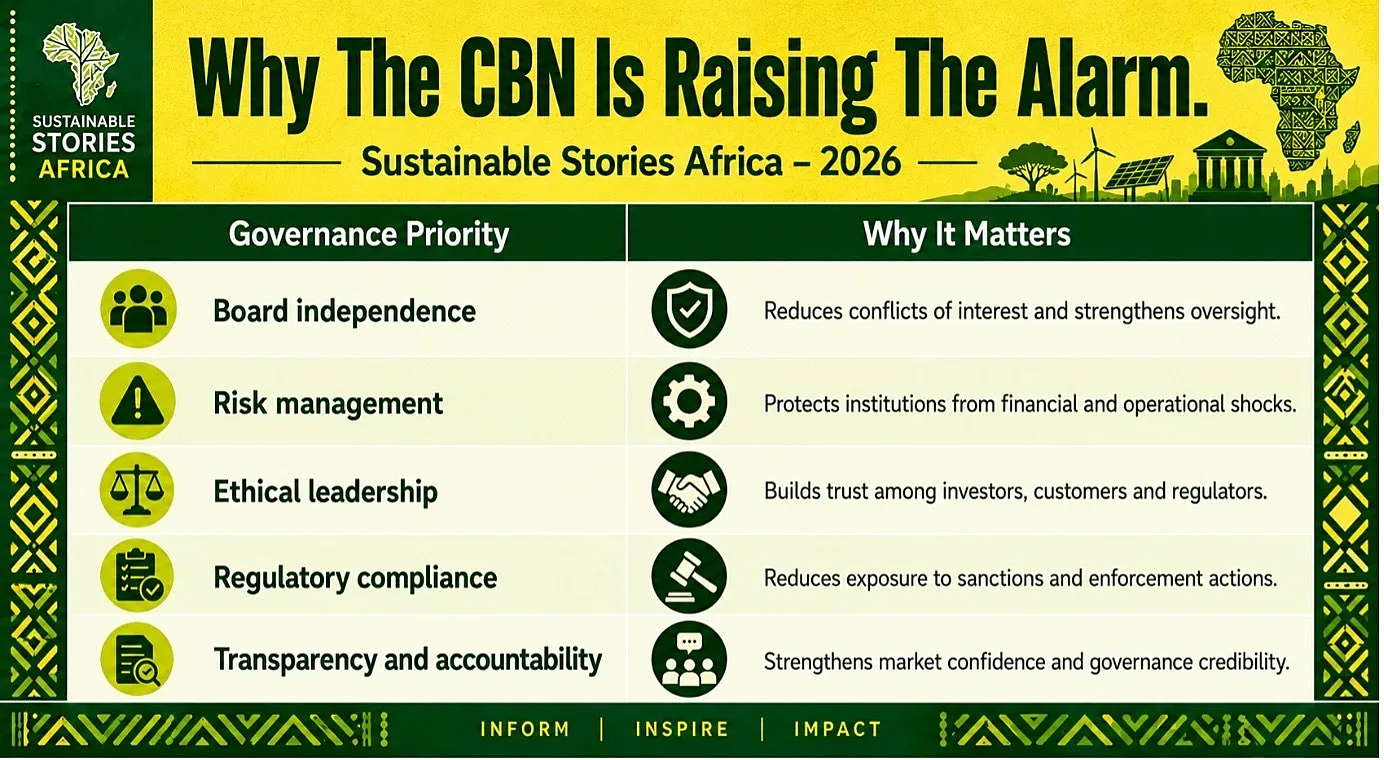
Why The CBN Is Raising The Alarm
The CBN’s intervention comes at a time when regulators globally are tightening oversight of financial institutions following years of market volatility, governance scandals and rising compliance expectations.
According to the apex bank, effective governance remains the foundation of a safe and sound financial system.
Directors are expected to provide strategic oversight, ensure transparency, manage conflicts of interest and establish robust risk-management frameworks.
The regulator expressed concern that governance weaknesses often emerge when boards fail to challenge management decisions, monitor emerging risks or maintain ethical standards.
For ordinary Nigerians, governance may sound like a boardroom issue. Yet its impact is deeply personal.
A depositor saving for school fees, a small business seeking credit or an investor holding bank shares all depend on institutions that are well-governed and financially sound.
The CBN argues that effective governance creates a culture in which risks are identified early, decisions are scrutinised rigorously, and institutions remain resilient during periods of economic uncertainty.
Industry stakeholders have also noted that stronger governance standards are increasingly becoming a prerequisite for attracting foreign investment and accessing global capital markets.
Stronger Governance Can Unlock Trust And Growth
The benefits of stronger governance extend far beyond regulatory compliance.
Banks that operate with transparent governance structures often enjoy stronger investor confidence, lower operational risks and improved long-term performance.
They are also better positioned to navigate economic shocks, technological disruptions and evolving regulatory requirements.
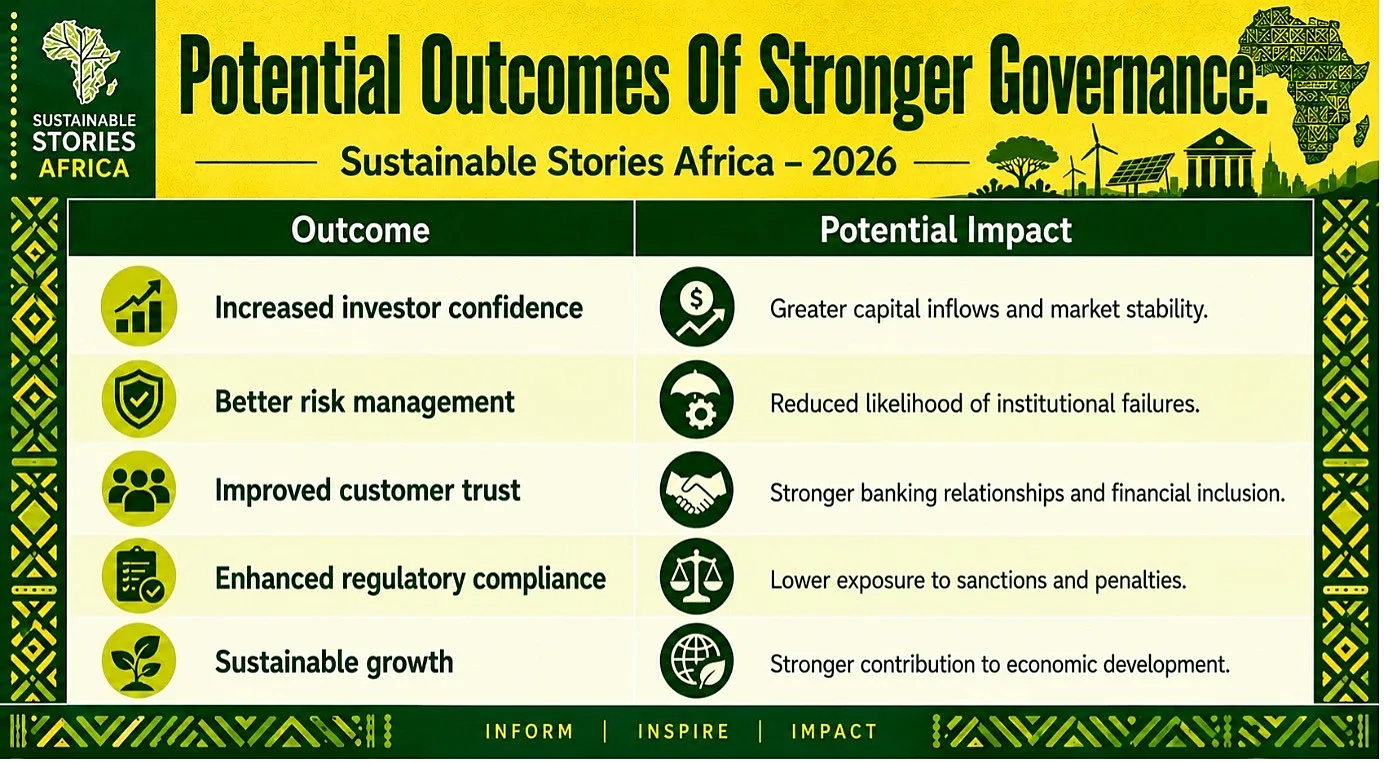
For Nigeria, where financial institutions play a central role in economic transformation, governance reforms could support broader development objectives, including financial inclusion, digital innovation and sustainable investment.
Conversely, failure to address governance shortcomings could undermine public confidence, weaken institutional credibility and increase vulnerabilities across the banking ecosystem.
Boards Must Move Beyond Compliance Culture
The CBN’s warning represents more than a regulatory reminder; it is a call for cultural transformation within Nigeria’s banking sector.
Directors are being urged to move beyond minimum compliance requirements and embrace governance as a strategic tool for value creation and institutional resilience.
This means strengthening board oversight, investing in governance training, promoting ethical leadership and ensuring that accountability mechanisms function effectively at every level of an organisation.
Financial institutions that respond proactively may find themselves better prepared for a future defined by greater scrutiny, evolving risks and increasing stakeholder expectations.
For regulators, investors and customers alike, the expectation is straightforward: governance must become visible in decision-making, risk culture and organisational performance.
Path Forward – Building Accountable Banking Leadership
Nigeria’s banking sector is entering a period where governance quality may increasingly determine institutional success.
Regulators are expected to maintain closer oversight while boards strengthen accountability, transparency and risk-management practices.
If sustained, these reforms could improve investor confidence, strengthen financial stability and support ESG-aligned banking practices that contribute to more resilient and sustainable African financial markets.
Culled From: Strengthen governance or face regulatory action, CBN warns banks' directors - Vanguard News