Chinese solar manufacturers are moving aggressively into battery storage as panel prices fall and export growth slows.
The pivot signals a new phase in clean-energy competition, where storage becomes as important as generation.
For Africa, the shift could reshape solar procurement, grid reliability, industrial strategy, and access to affordable clean power.
The Solar Boom Is Changing Shape
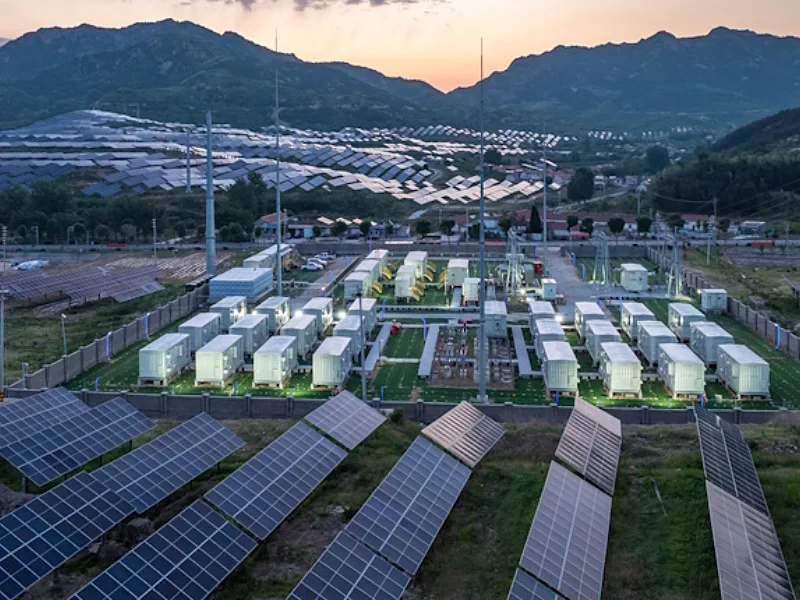
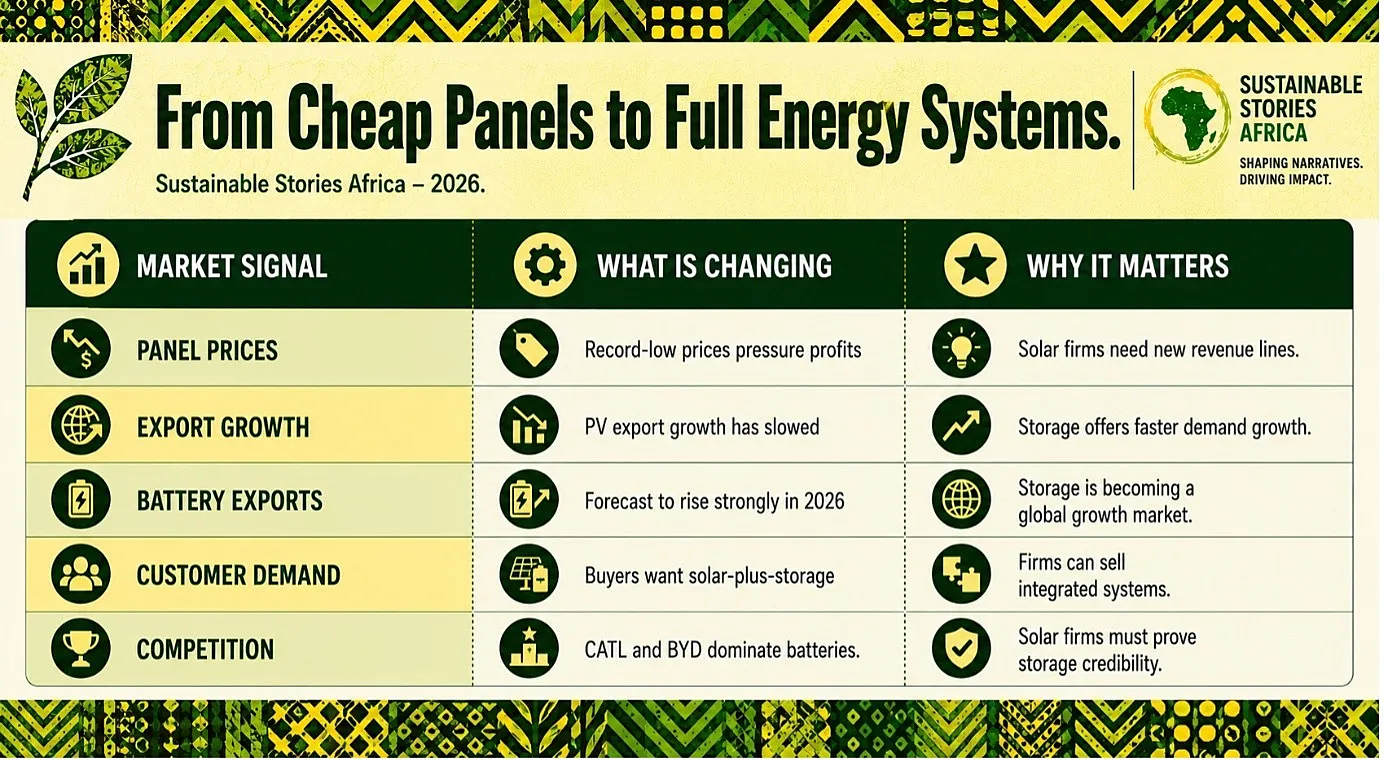
China’s biggest solar manufacturers are racing into battery storage as shrinking panel margins, weaker domestic demand, and slower export growth force a strategic reset across the world’s largest clean-energy manufacturing base.
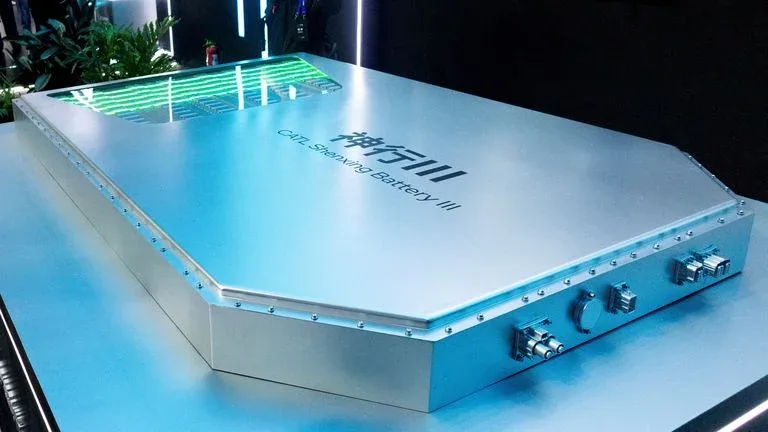
Companies including JinkoSolar, JA Solar, LONGi Green Energy and Trina Solar are expanding battery-storage capacity, seeking higher-margin revenue as solar panels become cheaper, more abundant, and more difficult to sell profitably.
The move comes as energy storage becomes essential to the next phase of renewable power: not just generating electricity when the sun shines, but also delivering it when homes, factories, hospitals and data centres actually need it.
This is no longer a side business. It is becoming the second growth curve of the solar industry.
From Cheap Panels to Full Energy Systems
For more than a decade, China’s solar giants helped drive down the cost of clean power.
Their scale made solar panels cheaper for households, utilities and emerging markets.
However, success created a new problem: oversupply.
As more factories produced more panels, prices fell to record lows.
Export growth also slowed, with analysts pointing to weaker demand, policy changes, and tougher trade conditions.
Battery storage now offers a way out of the margin squeeze.
For African markets, the shift is practical.
- A solar farm without storage can lower daytime power costs but still leave households and businesses exposed at night.
- A mini grid without batteries may struggle to serve clinics, cold rooms, schools and small manufacturers reliably.
This is why storage is becoming the missing link between clean power ambition and daily energy security.
Storage Could Make Solar More Useful
The promise of China’s pivot is not simply that manufacturers will sell more equipment.
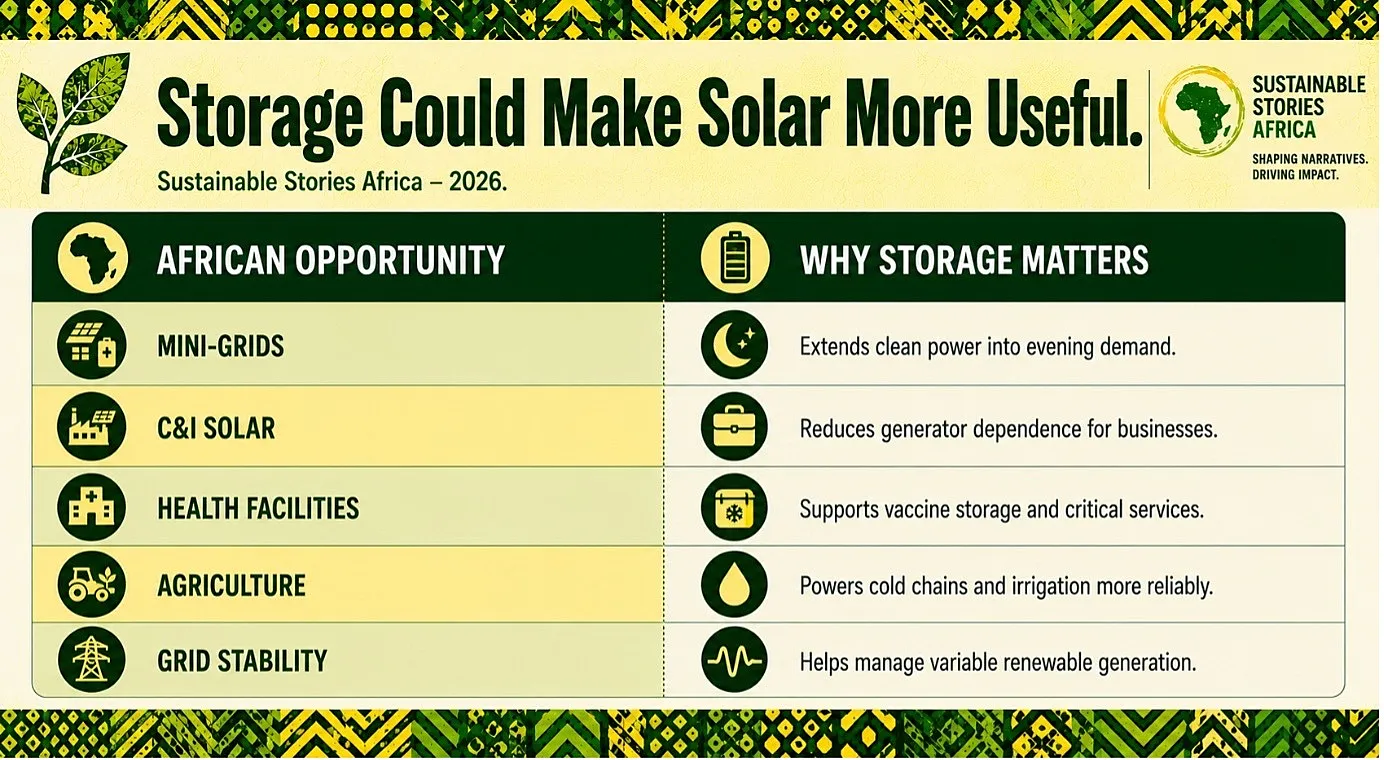
Solar could become more dependable for countries where grids are weak, diesel is expensive, and power cuts shape business decisions.
- For a market woman running freezers in Lagos.
- A clinic storing vaccines in northern Kenya
- A factory trying to reduce generator use in Ghana.
The difference between solar panels and solar-plus-storage is the difference between intermittent relief and usable power.
If Chinese firms combine low-cost panels with competitive batteries, African buyers could benefit from cheaper packaged systems, faster mini-grid deployment, and better industrial power solutions.
However, there is also a risk. If African countries remain only import markets, they may miss the chance to build local skills, assembly, recycling systems, and safety of battery standards. Storage is an industrial opportunity, not just an energy product.
Africa Must Buy Smarter, Not Just Cheaper
The next wave of solar procurement should move beyond the lowest panel price. Governments, utilities, developers and development finance institutions need to ask better questions:
- Is the storage system bankable?
- Are warranties enforceable?
- Is there local maintenance capacity?
- Are battery safety, recycling and data systems built into the project?
Africa should use this market shift to negotiate more than equipment. It should seek training, local assembly, technology partnerships, battery-recycling frameworks and stronger grid-planning tools.
Chinese manufacturers are moving because the market has changed. African markets should respond with an equal strategy.
Path Forward – Build Storage Into Energy Strategy
Solar is no longer only about generation. It is about reliability, flexibility and productive use.
African policymakers should treat battery storage as core infrastructure. The priority is clear: procure smarter systems, build local capacity, protect consumers, and turn cheaper clean-energy technology into stronger grids, resilient businesses and better development outcomes.
Culled From: Chinese Solar Giants Pivot to Battery Storage as Panel Margins Shrink and Export Growth Slows