Mobile and internet services in Fizi Territory, eastern Democratic Republic of Congo, remained unavailable for more than a month after being cut on 3 July amid intensified fighting.
Journalists say they cannot research, publish online or communicate securely with sources, while soldiers have seized satellite internet equipment from local radio stations.
The shutdown shows how connectivity becomes essential civilian infrastructure during conflict, affecting safety, livelihoods and access to reliable information.
A Communications Blackout Outlasts The Headlines
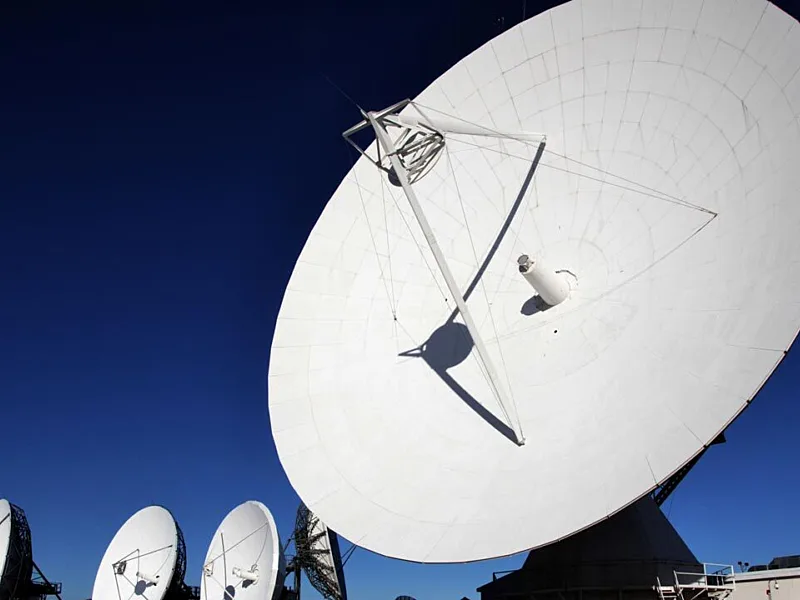
Mobile telecommunications and internet services in Fizi Territory, including the city of Baraka in South Kivu, have remained cut for more than a month as fighting intensifies in eastern Democratic Republic of Congo, according to the Committee to Protect Journalists.
The disruption began on 3 July and has prevented residents from making calls, sending text messages or using online applications.
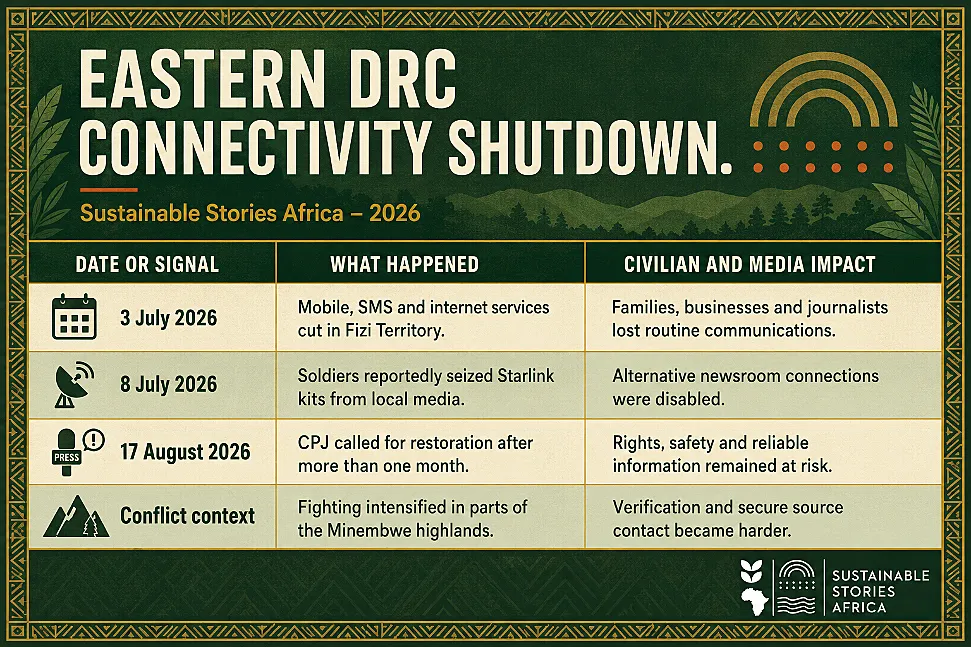
CPJ, in an alert published on 17 August, called on Congolese authorities to restore services, arguing that conflict cannot justify depriving communities of information while also disrupting social and economic activity.
Newsrooms Lose Their Essential Reporting Lifeline
Three local journalists who fled to Uganda and Burundi told CPJ that reporters could no longer research, publish online or communicate securely with sources.
One journalist said some outlets had suspended news bulletins because they could not relay programming from national and international media.
The shutdown coincided with intensified clashes in the Minembwe highlands, including Kalingi, Mikenge and Point Zéro, involving the Congolese army and Twirwaneho rebels allied with M23 and the Congo River Alliance.
Local reporting has linked the restrictions to security concerns; however, authorities had not responded to CPJ by publication time.
Attempts to use private satellite connections have also been interrupted. CPJ said soldiers seized Starlink kits on 8 July from Radio Communautaire Kivu, Radio Ngoma ya Amani, Radio Télévision Ngyùku and the Community Radio Consortium, which brings together several stations.
A journalist said the military indicated the equipment would be returned only when the war ended.
Restored Connectivity Could Strengthen Civilian Safety
In a conflict zone, communications are not a luxury.
- A working phone can help families locate relatives, enable health workers to coordinate care, allow traders to confirm routes and prices, and help residents test rumours against reliable reporting
- Local radio becomes even more important where literacy, electricity or smartphone access is uneven.
Restoring networks would not remove legitimate security risks.
- Armed groups can exploit communications, and authorities have a duty to protect operations and civilians.
However, blanket, open-ended restrictions also create risks:
- Misinformation travels unchecked, abuses become harder to document, and communities lose access to warnings.
More targeted, time-bound and reviewable measures would better balance security with fundamental rights.
Authorities Must Restore Access And Accountability
The immediate action is to restore mobile, SMS and internet services in Fizi and Baraka, return seized equipment to newsrooms, and explain the legal basis, scope and duration of any continuing restrictions.
CPJ Africa Director Angela Quintal warned that blocking access fuels rumours rather than the free flow of information.
Telecom operators, humanitarian organisations and media-support groups should also prepare resilience measures, including emergency power, secure backup links and shared protocols for keeping community radio on air.
Any alternative connectivity arrangement must protect journalists and sources from surveillance or retaliation.
The DRC experienced a similar disruption around Goma in early 2025 as rebels advanced.
Repetition suggests the country needs a standing conflict-connectivity framework before the next emergency, rather than another improvised blackout after violence escalates.
Part Forward – The Path Back To Trusted Information
Authorities should restore services, return confiscated equipment and publish transparent, time-limited rules for any security restriction.
Independent oversight is essential where access affects constitutional communication rights.
Media organisations and partners should build resilient backup systems and safety protocols.
Keeping verified local news available during conflict protects civilians, supports livelihoods and reduces the space in which rumours and manipulation thrive.