Africa needs to scale water and sanitation financing urgently, ECA Executive Secretary Claver Gatete said in Brazzaville.
The warning comes as climate shocks expose a widening gap between water risk and investment.
For households, farmers and businesses, the issue is no longer only access. It is growth, health, jobs and resilience.
Water Is Now Economic Infrastructure
Africa must close its water and sanitation financing gap if it wants to accelerate growth, strengthen climate resilience and deliver shared prosperity, Claver Gatete, Executive Secretary of the United Nations Economic Commission for Africa, has warned.
Speaking on 27 May 2026 at a high-level side event on financing Africa’s water investments during the African Development Bank Group Annual Meetings in Brazzaville, Congo, Gatete said the continent’s water future has reached a decisive moment.
The event brought together the African Development Bank Group, the African Union Commission, the African Ministers’ Council on Water and development partners to subscribe to the implementation of Africa Water Vision 2063.
“The challenge is not a lack of solutions; it is about how we prioritise, finance and implement them at scale,” Gatete said.
His message was direct: water can no longer be treated as a narrow utility service. It is economic infrastructure, climate protection and social policy at once.
The Financing Gap Is Structural
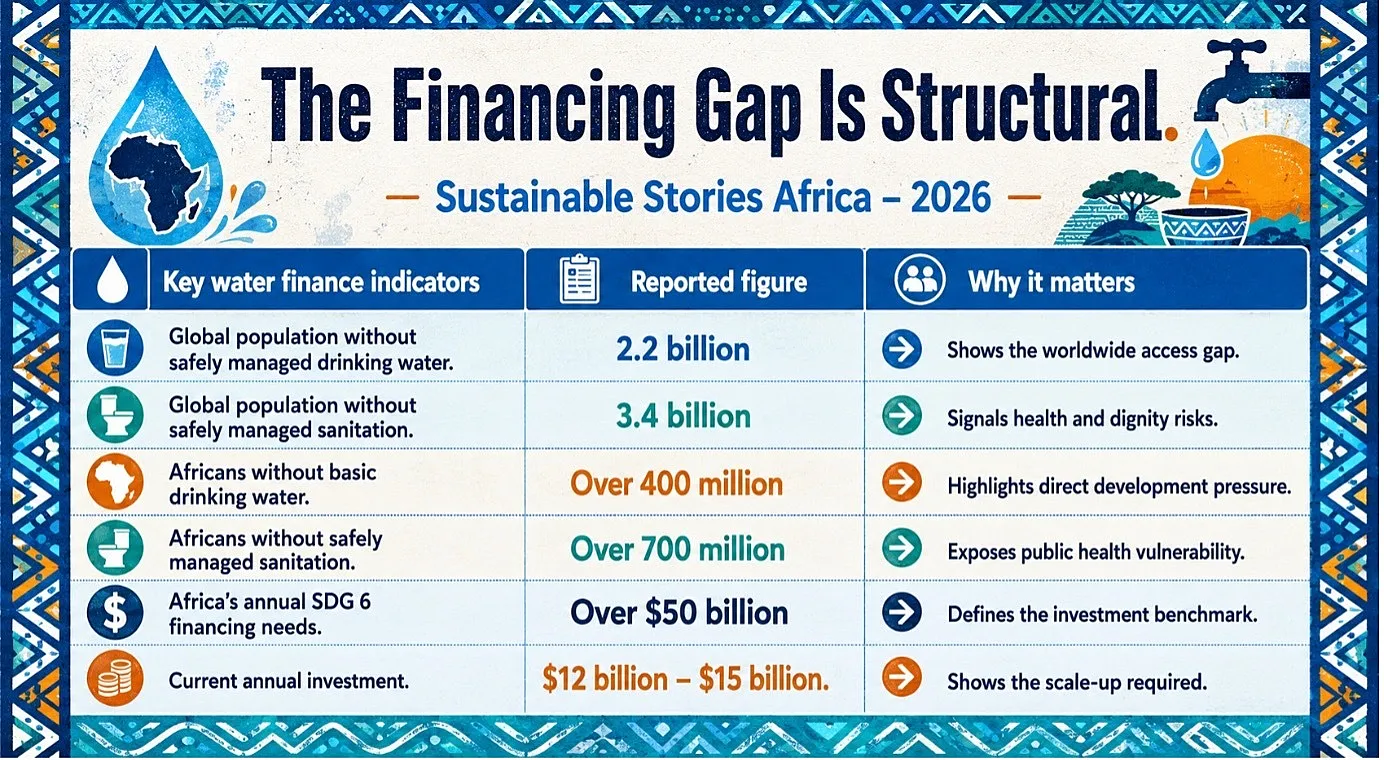
The numbers show the scale of the challenge. Globally, 2.2 billion people still lack safely managed drinking water, while 3.4 billion lack safely managed sanitation.
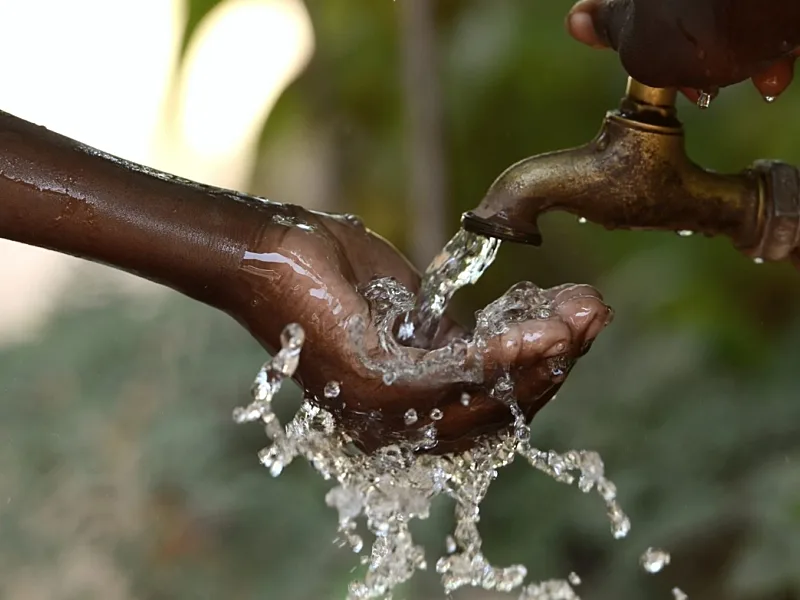
In Africa, more than 400 million people lack access to basic drinking water, and more than 700 million remain without safely managed sanitation.
Yet water-related investments receive less than 3% of global climate finance, even though droughts, floods and rainfall variability are among the clearest ways climate change is felt by communities.
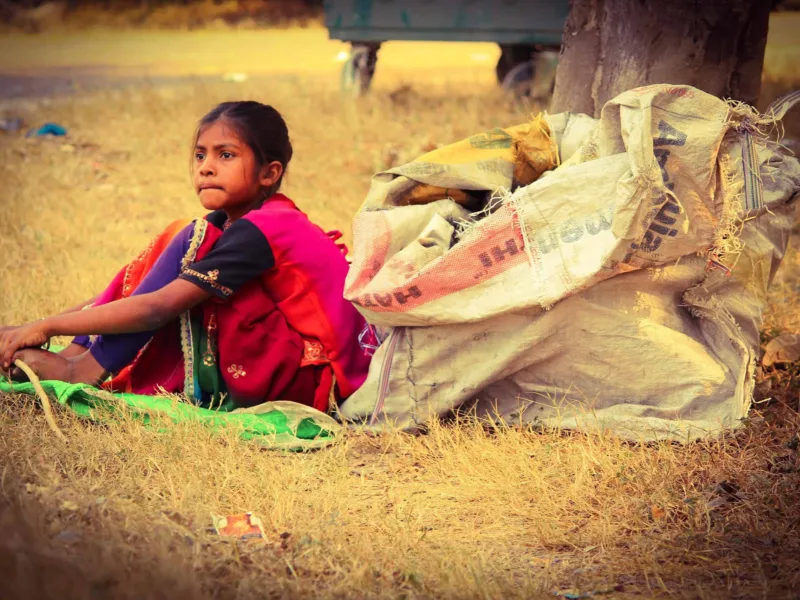
For a smallholder farmer waiting for rain, a city planner facing floods, or a young girl walking long distances for water before school, underinvestment is not abstract. It shapes time, income, health and opportunity.
Africa needs more than $50 billion annually to meet Sustainable Development Goal 6 on clean water and sanitation. Current investment stands at only $12 billion to $15 billion a year, leaving a large annual shortfall.
Water Can Drive Prosperity
Gatete argued that water should be understood as “the bloodstream of our economies,” sustaining agriculture, energy generation, industrial development, ecosystems, public health and regional integration.
Those framing matters. When water systems work, farmers can plan planting seasons with more confidence. Cities can reduce disease outbreaks. Industries can operate with fewer disruptions.
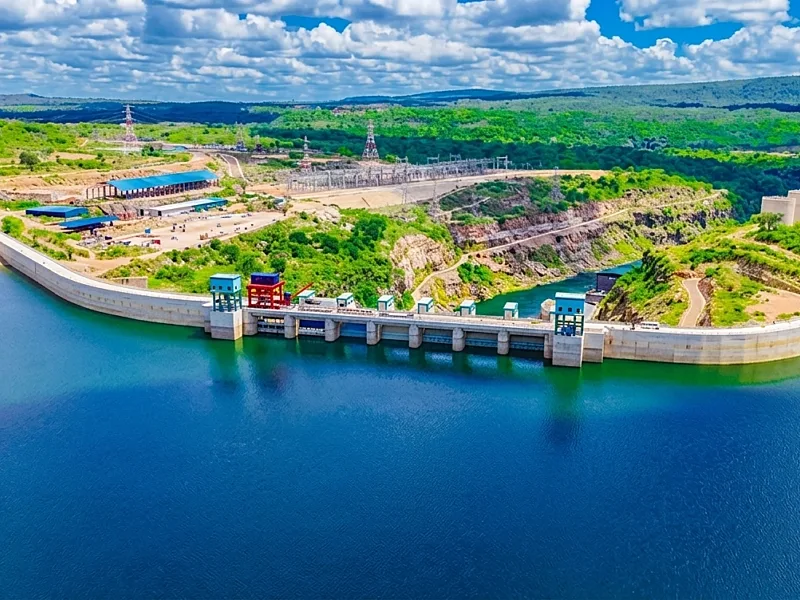
Hydropower and energy systems become more reliable. Coastal and freshwater economies can support livelihoods more sustainably.
The opportunity is also financial. Treating water as an investable asset can help unlock private capital, blended finance and bankable infrastructure projects.
Wastewater reuse, nature-based systems and climate-resilient sanitation can become part of a new investment pipeline, rather than remain isolated pilots.
Four Priorities For Investment
Gatete outlined four priorities for action.
- First, governments should place water at the centre of economic policy by integrating it into national development plans, fiscal strategies and investment frameworks.
- Second, Africa needs stronger project preparation systems to build bankable, investment-ready water projects.
- Third, countries and partners should expand blended finance and risk-sharing tools, including platforms such as the African Water Facility, to crowd in private capital and diversify funding sources.
- Fourth, water governance must be strengthened through credible data systems, accountability frameworks and measurable outcomes.
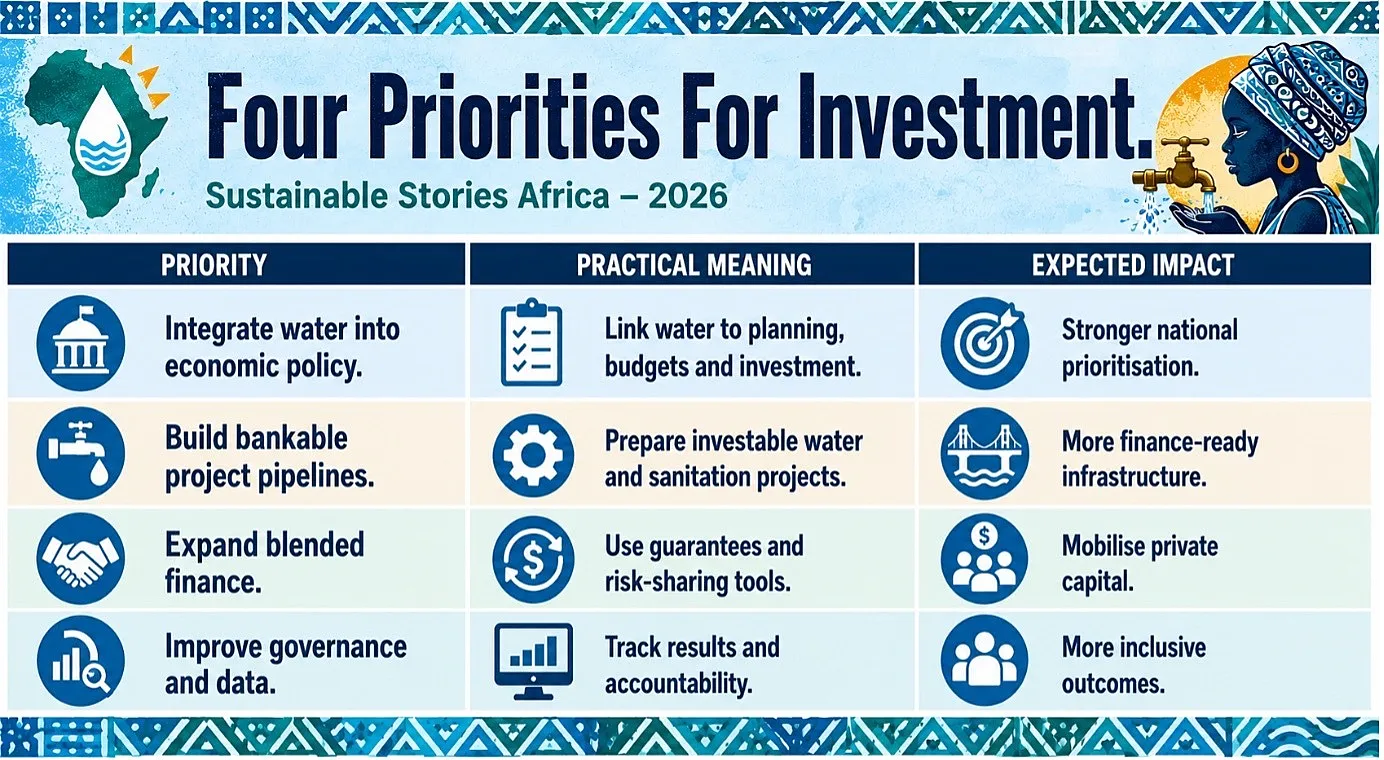
The implication is clear: Africa’s water challenge is not only technical. It is institutional, fiscal and political.
Path Forward – Finance Water As Growth Capital
Africa’s next step is to convert commitments into financed projects, stronger partnerships and measurable access gains.
That means treating water as growth capital, not residual social spending.
For ESG and sustainability markets, the priority is clear: finance water systems that protect people, reduce climate risk, strengthen productivity and deliver accountable, inclusive development outcomes.