Egypt is preparing a 1GW rooftop solar initiative across about 7,000 factories.
The programme comes as Cairo seeks to reduce pressure on natural gas, lower industrial costs, and lift renewables in the power mix.
For manufacturers, the shift could turn idle roof space into cheaper daytime power, cleaner exports and stronger energy security.
Factory Roofs Become Egypt’s New Grid
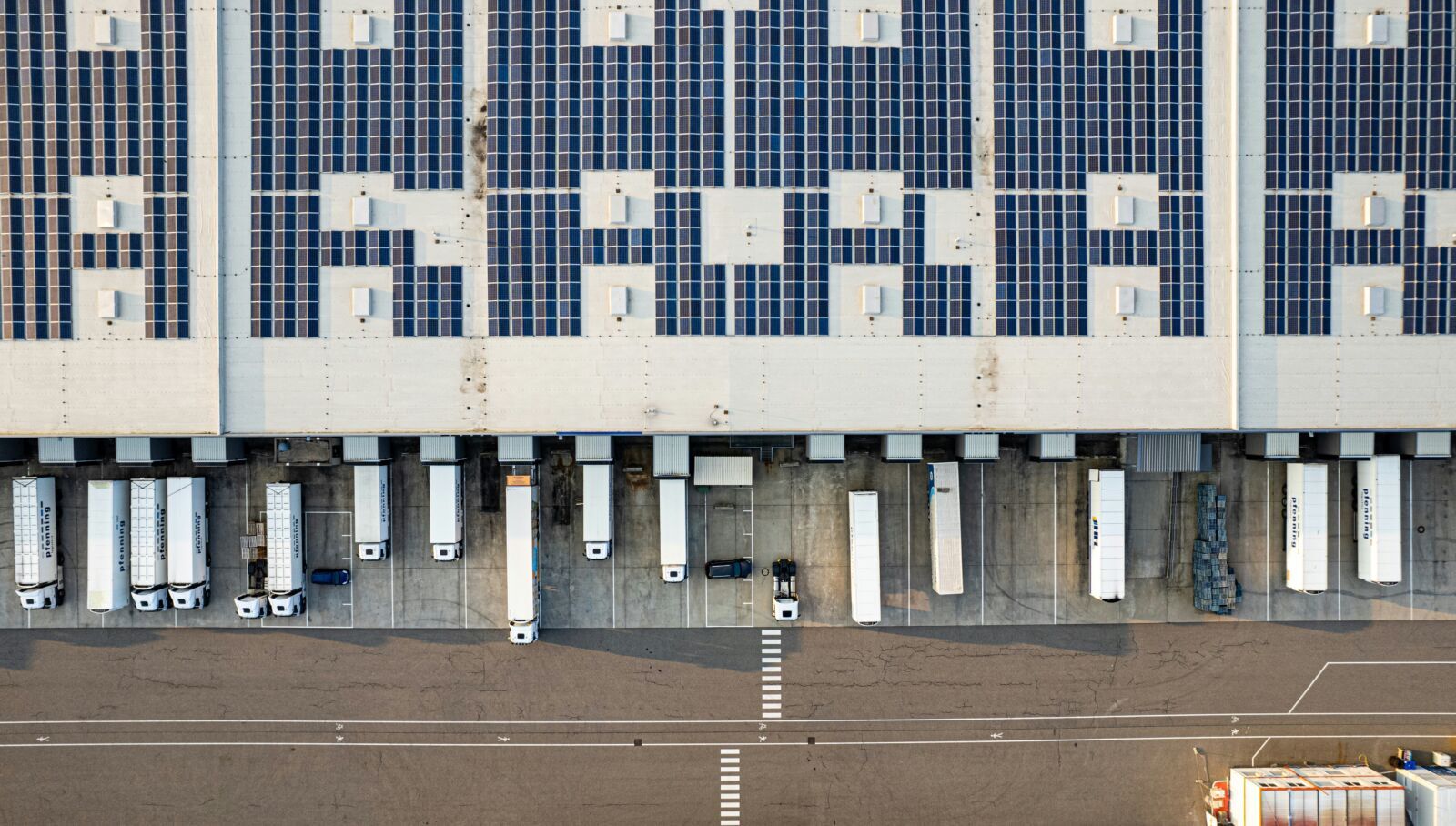
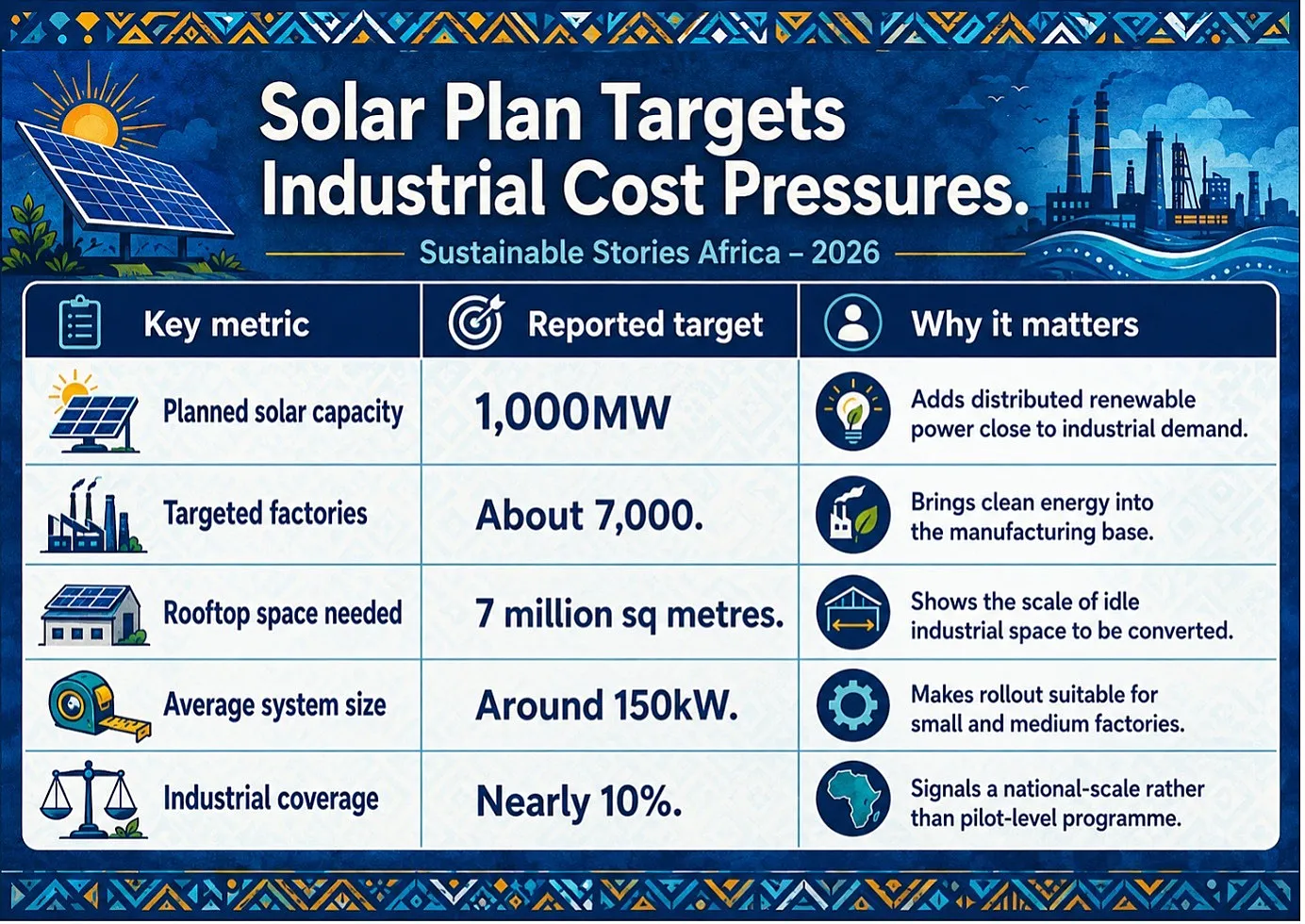
Egypt is moving to turn thousands of factory rooftops into a decentralised power network, with a proposed national rooftop solar programme targeting about 1,000MW of generation capacity across nearly 7,000 industrial facilities.
The initiative, discussed at a meeting chaired by Prime Minister Mostafa Madbouly, is being positioned as both an energy-security measure and an industrial-competitiveness strategy.
The plan, described as the “Industry Sun” initiative, would use factory rooftops to generate solar power for industrial consumption, easing demand on Egypt’s electricity grid and reducing pressure on natural gas.
Officials say the programme will soon move toward Cabinet approval, with financing institutions expected to participate in the rollout.
For Egypt’s manufacturers, the idea is direct: use the roof above the factory floor to lower the cost of running the machines below it.
In a country trying to protect exports, manage fuel demand and accelerate clean energy deployment, rooftop solar is no longer just an environmental option. It is becoming part of industrial policy.
Solar Plan Targets Industrial Cost Pressures
The proposed programme would require around 7 million square metres of usable rooftop space and cover nearly 10% of Egypt’s certified industrial base.
The plan assumes an average installed capacity of about 150kW per factory, with larger systems for energy-intensive facilities and smaller systems for light and medium industries.
The strategy also fits Egypt’s broader renewables push. Egypt has set a target to reach 42% for renewable energy electricity generation by 2030.
There are reports that in 2025, solar, wind and hydropower accounted for only 11.5% of electricity generation.
That gap explains the urgency. Egypt has already been signing larger utility-scale clean energy deals, including a $1.8 billion deal in January 2026 that involves Scatec and Sungrow, as well as solar and storage projects in Upper Egypt’s Minya and battery manufacturing in the Suez Canal Economic Zone.
Cleaner Power Could Strengthen Export Competitiveness
The factory-rooftop model is especially important because industrial decarbonisation is increasingly tied to trade.
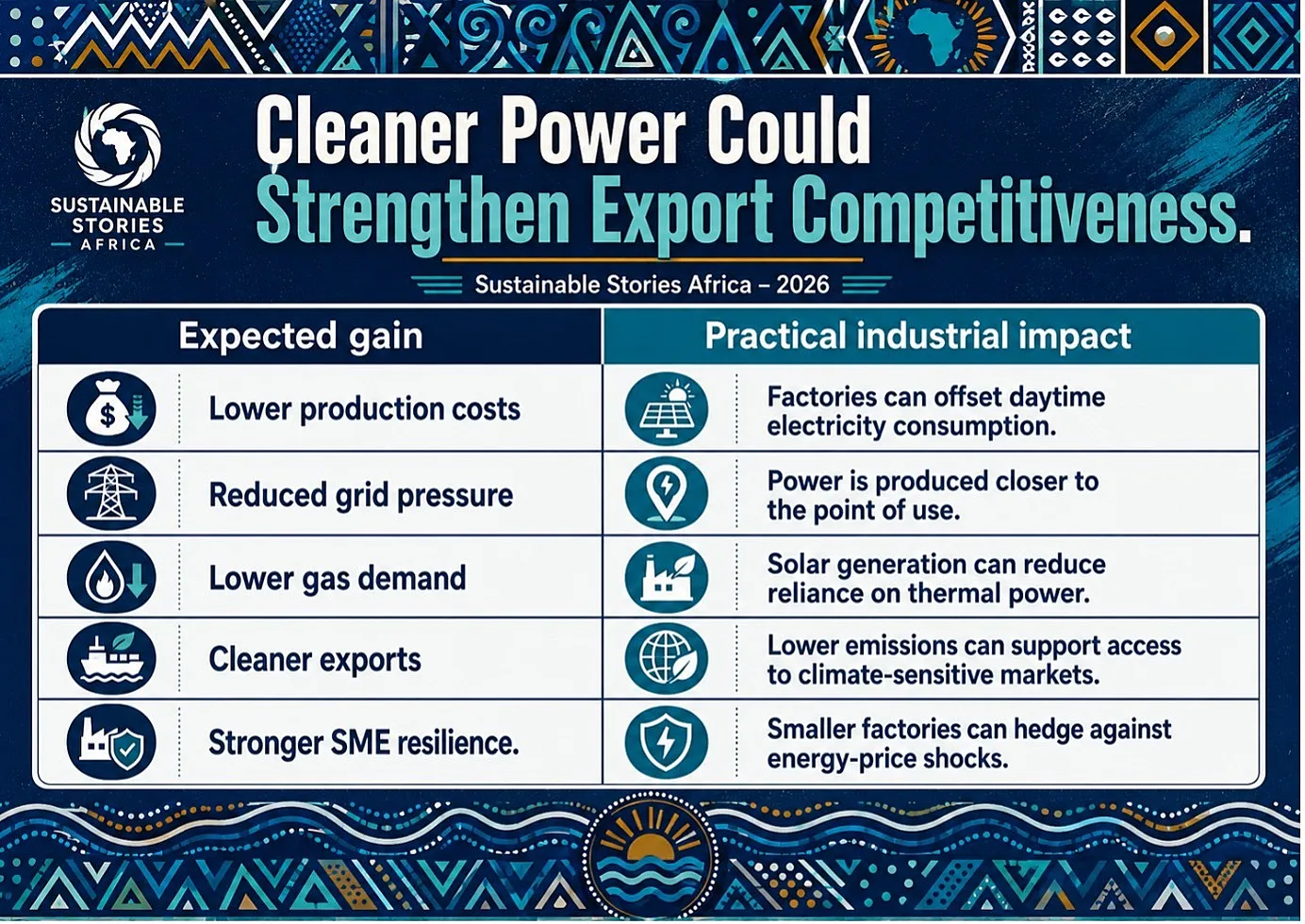
As global buyers and regulators scrutinise the carbon footprint of goods, manufacturers that can show cleaner electricity use may gain an advantage in export markets.
Industry Minister Khaled Hashem said the initiative is intended to make solar energy a pillar of Egyptian industrial competitiveness, reduce production costs and lower the carbon footprint of exports.
The programme is also expected to improve resilience against global market shocks by reducing dependence on conventional fuel and grid-supplied electricity.
- For a textile factory, food processor or packaging plant, that could mean more predictable daytime power costs.
- For SMEs, rooftop solar could make energy planning less vulnerable to tariff changes and fuel volatility.
- For workers, it could help protect production lines from disruptions that affect shifts, wages and delivery timelines.
Execution Must Beat Grid Barriers
The ambition is clear, but delivery will decide whether the initiative becomes transformational or symbolic.
Rooftop solar at this scale requires financing, technical standards, grid-readiness checks, rooftop assessments, permitting, maintenance capacity and bankable payment models for SMEs.
Finance Minister Ahmed Kouchouk said the government has clearer figures for the initiative and will work with participating financiers to launch it soon.
Investment and Foreign Trade Minister Mohamed Farid called for widening the pool of financing providers and including factories in free and investment zones.
That matters because the most climate-relevant factories are not always the easiest to finance.
Many SMEs need credit support, leasing models or pay-as-you-save structures to avoid high upfront costs.
Larger exporters may move faster, but smaller industrial firms will need simpler approvals and credible installers.
Egypt’s next challenge is therefore not sunlight. It is execution. The country has the rooftops, solar resources, and industrial demand.
The real test is whether policy, finance and grid governance can move quickly enough to make factory solar affordable, reliable and investable.
Path Forward – Rooftops Must Now Deliver Industrial Resilience
Egypt’s rooftop solar plan should now move from Cabinet approval to measurable factory-level delivery: installed capacity, reduced fuel use, lower emissions and verified savings for manufacturers.
For African markets, the lesson is wider. Industrial climate action does not always begin with mega-projects.
Sometimes it starts above the production line, where unused rooftops can become energy assets, ESG tools and engines of competitiveness.
Culled From: Egypt targets 1 GW of rooftop solar rollout for factories