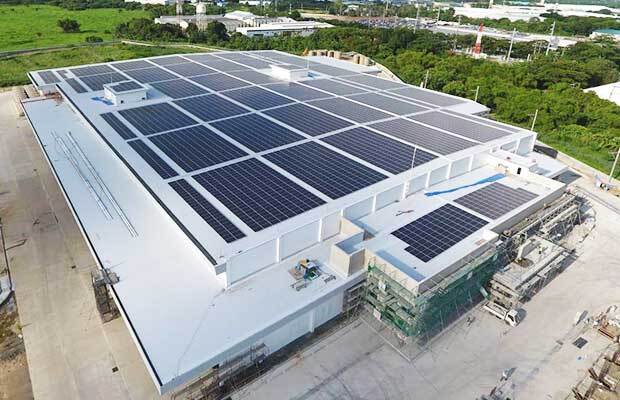
Equator Energy has commissioned a 1 MW solar plant for Sameer Africa in Nairobi.
The project will power on-site operations and reduce exposure to electricity-cost volatility.
It reflects a wider shift as African firms use solar to improve resilience, cut costs and support cleaner growth.
A Factory Complex Turns Toward Solar
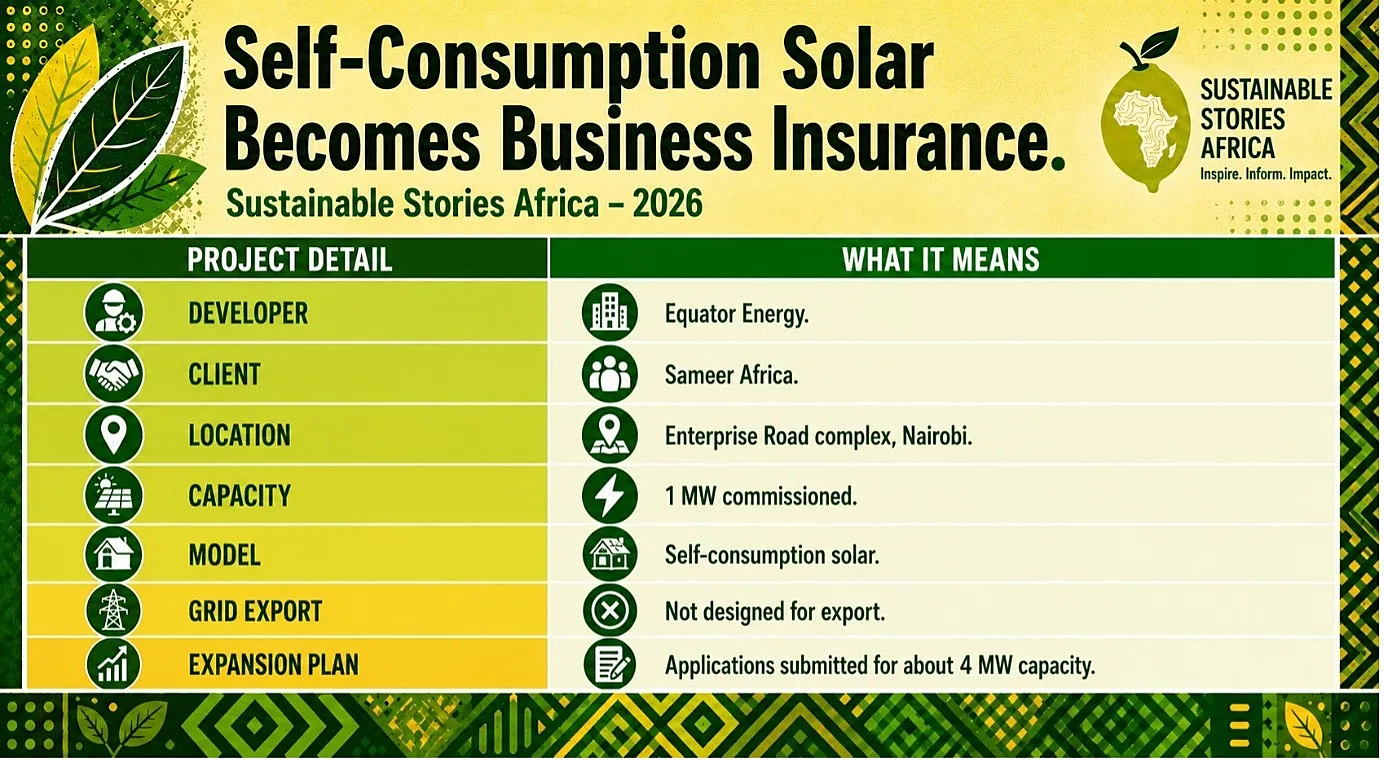
Equator Energy has commissioned a 1 MW solar power plant at Sameer Africa’s Enterprise Road complex in Nairobi, marking another step in Kenya’s growing commercial and industrial solar market.
The project, developed as a self-consumption facility, will supply power directly to Sameer Africa’s on-site operations rather than export electricity to the national grid.
It is designed to reduce electricity costs, improve operational resilience and support the company’s wider transition strategy.
Sameer Africa, historically known for tyre manufacturing, has been repositioning its Enterprise Road complex toward commercial real estate development.
The solar installation provides a transition to a cleaner energy backbone at a time when businesses across
East Africa is trying to manage rising tariffs, grid reliability concerns and sustainability expectations.
For manufacturers, landlords and industrial parks, the message is becoming clearer: power strategy is now business strategy.
Self-Consumption Solar Becomes Business Insurance
The Nairobi project is significant because it shows how corporate solar is moving beyond environmental branding into operational risk management.
Sameer Africa’s system is structured for self-consumption. That means electricity generated by the plant will be used within the complex, helping the company reduce dependence on external power supply and protect itself against tariff shocks.
This is increasingly attractive for commercial and industrial users.
A shopping complex, logistics facility, factory or business park often consumes large amounts of electricity during daylight hours, the same period when solar panels generate power most efficiently.
For these users, solar can reduce bills without requiring the company to become a public power supplier
It can also improve predictability, which matters in markets where energy costs can affect rent, production schedules and competitiveness.
Sameer Africa has also applied to Kenya’s Energy and Petroleum Regulatory Authority for an Electric Power Generation and Retail Licence.
The proposed structure is based on internal consumption, giving the company more control over its energy needs while remaining outside the public electricity supply.
Cleaner Power Can Improve Competitiveness
The benefits extend beyond one Nairobi complex.
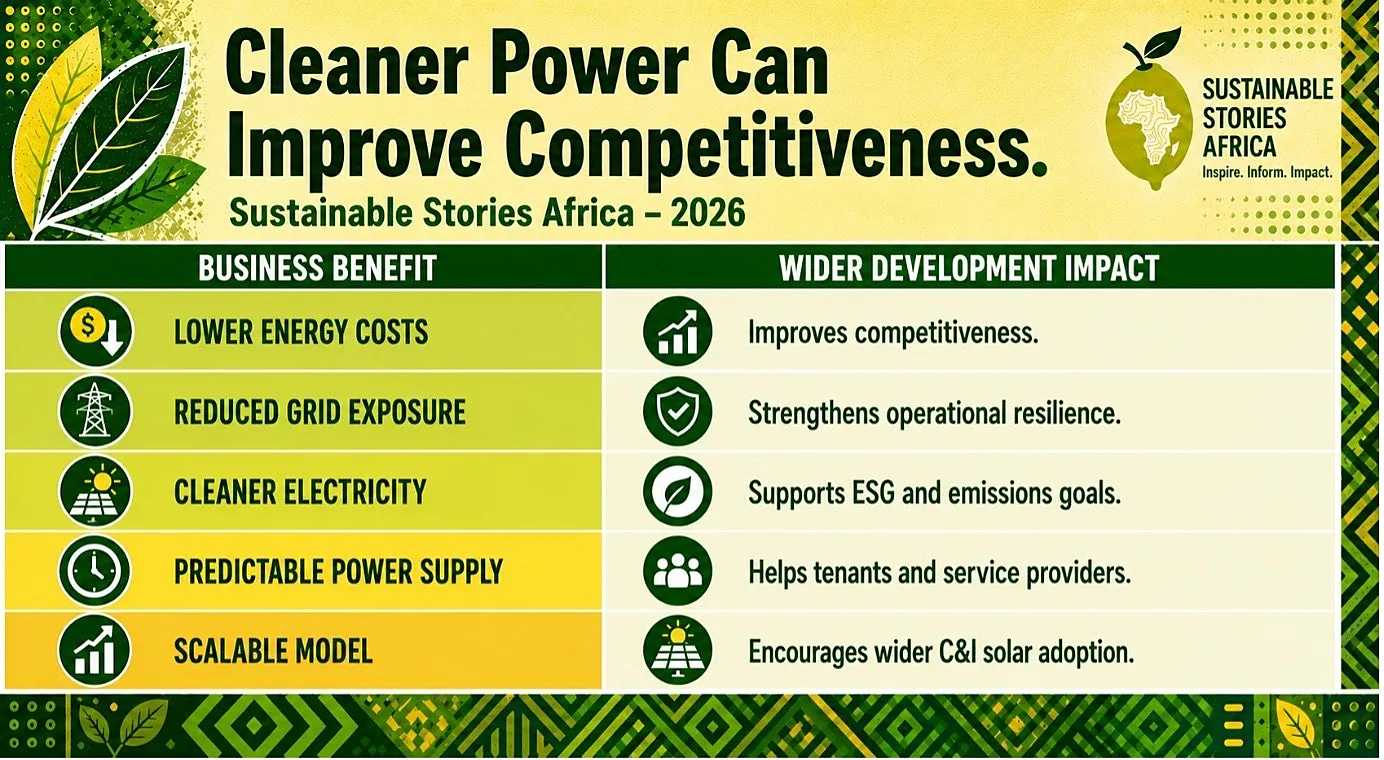
- For businesses across Africa, solar self-consumption can unlock lower operating costs, cleaner energy use and stronger resilience.
- For tenants in commercial properties, it can also improve the quality and reliability of building services.
Equator Energy is already active across East Africa’s commercial and industrial solar market, with projects serving factories, mines and large power users.
Its model reflects a broader trend: private firms are increasingly investing in distributed energy solutions instead of waiting for grid reforms alone.
For Kenya, this matters because energy reliability is central to industrialisation.
If companies can reduce power costs while cutting emissions, solar becomes more than a sustainability decision. It becomes a competitiveness tool.
The risk, however, is that solar adoption remains concentrated among larger firms that can access finance and technical expertise.
Smaller businesses may need better financing models, leasing options and regulatory support to participate.
Kenya Must Scale Solar Without Fragmentation
Kenya’s clean-energy opportunity now depends on policy clarity, financing depth and grid coordination.
- Regulators should continue to provide transparent licensing pathways for self-consumption projects, while ensuring technical standards protect grid stability and consumer safety.
- Utilities, developers and large power users need stronger coordination so distributed solar complements national power planning rather than fragmenting it.
Financial institutions also have a role to play.
- Commercial banks and development finance partners can support rooftop solar, embedded generation and energy-efficiency upgrades for industrial estates, schools, hospitals, logistics hubs and SMEs.
For companies, the practical next step is energy auditing.
- Businesses need to know their load profile, tariff exposure, available roof or land space, and expected payback period before committing to solar.
Sameer Africa’s project shows what is possible when a company links real estate strategy with energy resilience.
The next test is whether similar models can spread across African cities at scale.
Path Forward – Make Clean Power Commercially Practical
Kenya’s commercial solar market needs clear rules, patient finance and stronger technical standards.
The Sameer Africa project shows how businesses can cut costs, improve resilience and support ESG goals when clean power becomes part of a core strategy, rather than a side initiative.
Culled From: Equator Energy commissions 1 MW solar plant for Sameer Africa in Nairobi - Green Building Africa