Eskom has launched a dedicated renewable energy business to supply clean electricity directly to industrial customers across South Africa.
The move comes as manufacturers face growing pressure to cut emissions, secure reliable power and remain competitive in global export markets.
If successful, the strategy could reshape how African industries access energy while accelerating the continent’s clean-energy transition.
A New Energy Model Emerges For Industry
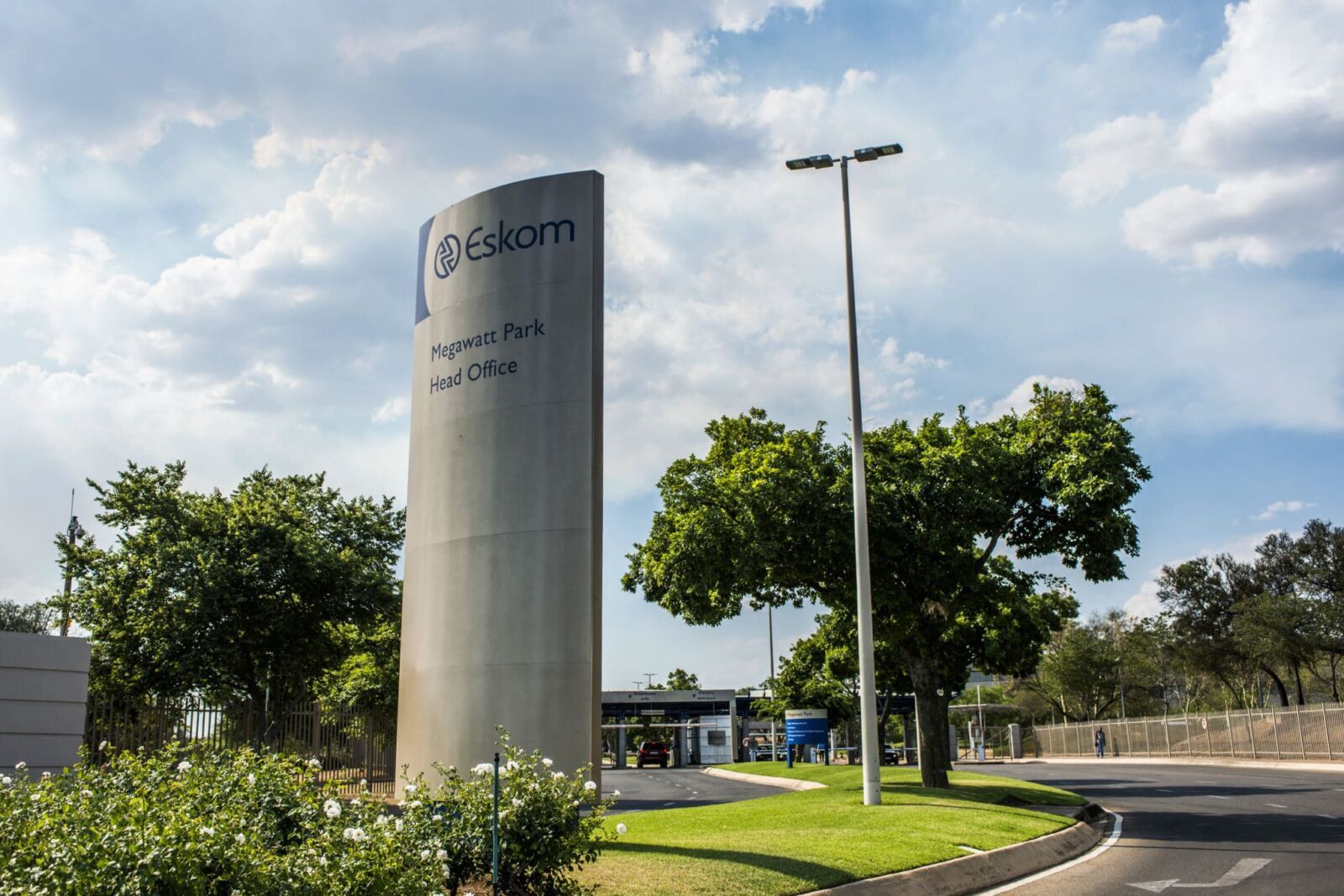
South Africa's state-owned power utility, Eskom, has launched a new renewable energy business designed to supply clean electricity directly to industrial customers, marking one of the most significant shifts in the country's energy market since electricity sector reforms began.
The initiative, known as Eskom Green, was unveiled on June 9 and aims to help large power users secure renewable energy while reducing their carbon footprint and maintaining export competitiveness.
The announcement reflects a growing reality across global markets: access to reliable, low-carbon electricity is increasingly becoming a business necessity rather than an environmental aspiration.
"Eskom Green is a utility-scale renewable energy business that rapidly accelerates the options available to South Africa's industries to decarbonise," said Rivoningo Mnisi, Eskom's Group Executive for Renewables.
For manufacturers, miners, retailers and exporters, the stakes are high. Carbon regulations are tightening across international markets, while investors and customers increasingly scrutinise the environmental footprint of products and supply chains.
Why Eskom Is Changing Course
The launch comes after years of energy reforms, private-sector renewable investments and efforts to stabilise South Africa's electricity system.
Unlike Eskom's traditional model, Eskom Green will act as a dedicated renewable energy supplier.
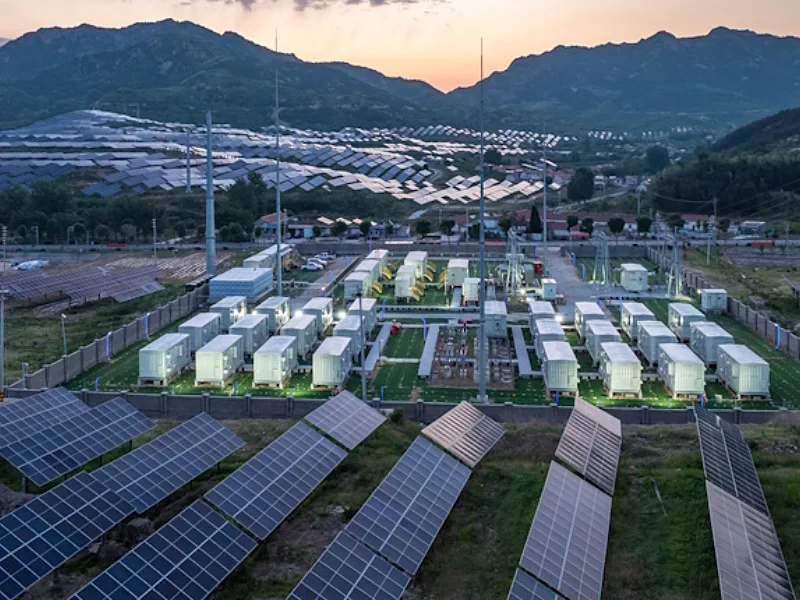
Customers will contract directly with the new business for renewable electricity, while Eskom Green combines generation, storage and firming solutions to provide around-the-clock supply where required.
The company says wholesale energy prices will be transparent, with network and wheeling charges shown separately rather than bundled into energy costs.
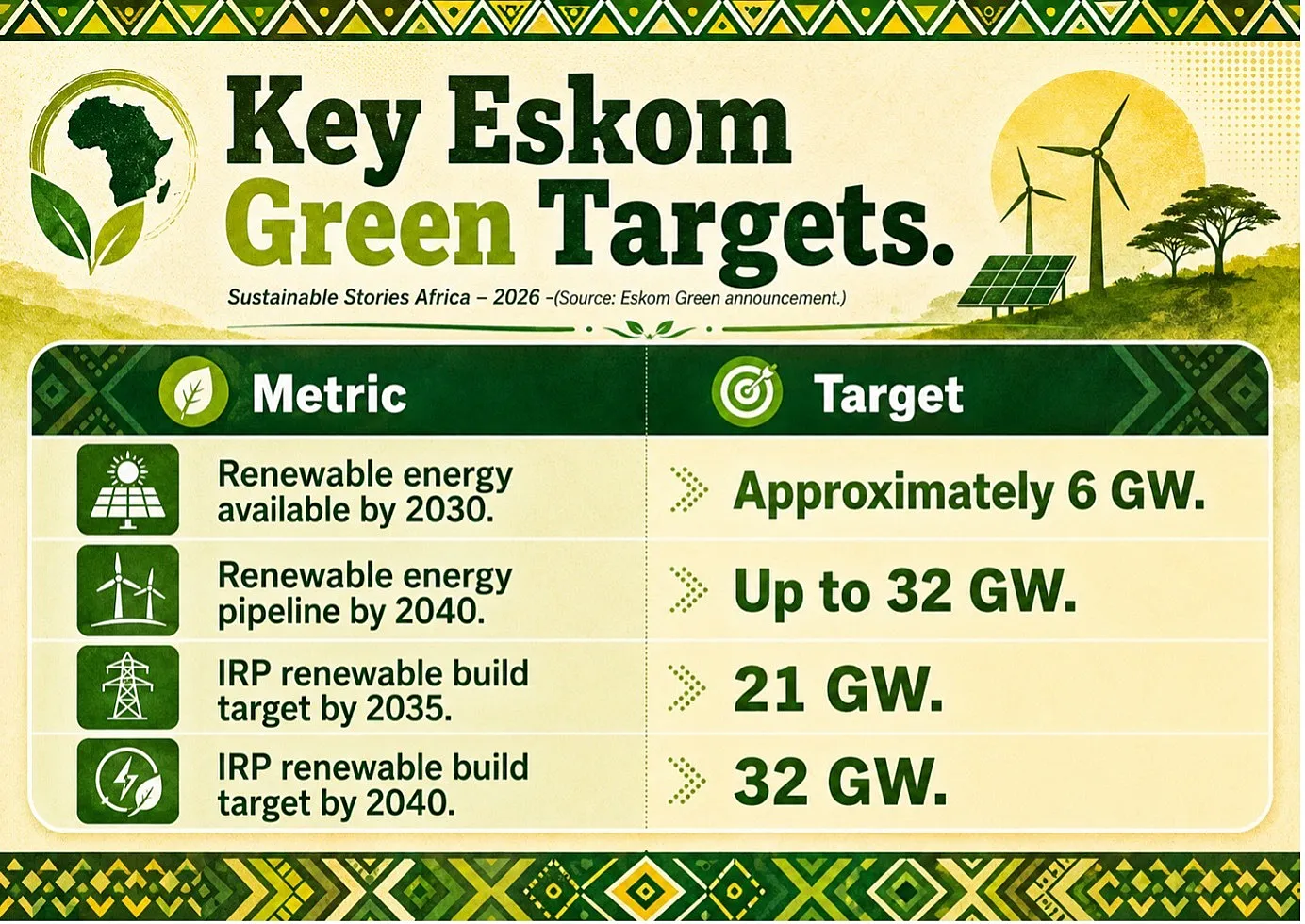
The strategy is closely linked to South Africa's broader electricity market transformation.
President Cyril Ramaphosa has continued to push reforms that separate transmission operations and attract private investment into the energy sector.
Analysts see grid modernisation and renewable integration as essential for economic growth.
Across South Africa, private renewable projects are already supplying electricity to businesses through wheeling arrangements, allowing power generated in one location to be consumed elsewhere using the national grid.
This market has expanded rapidly as companies seek protection from energy uncertainty while meeting sustainability commitments.
For export-oriented industries, the shift is becoming increasingly urgent. European and global buyers are demanding lower-carbon products, while sustainability disclosures are moving from voluntary commitments toward market expectations.
What Industry Stands To Gain
The potential benefits extend well beyond emissions reductions.
Reliable clean electricity can improve operational certainty for factories, reduce exposure to fuel price volatility and support investment decisions that require long-term energy security.
For mining companies, manufacturers and industrial processors, energy reliability often determines competitiveness.
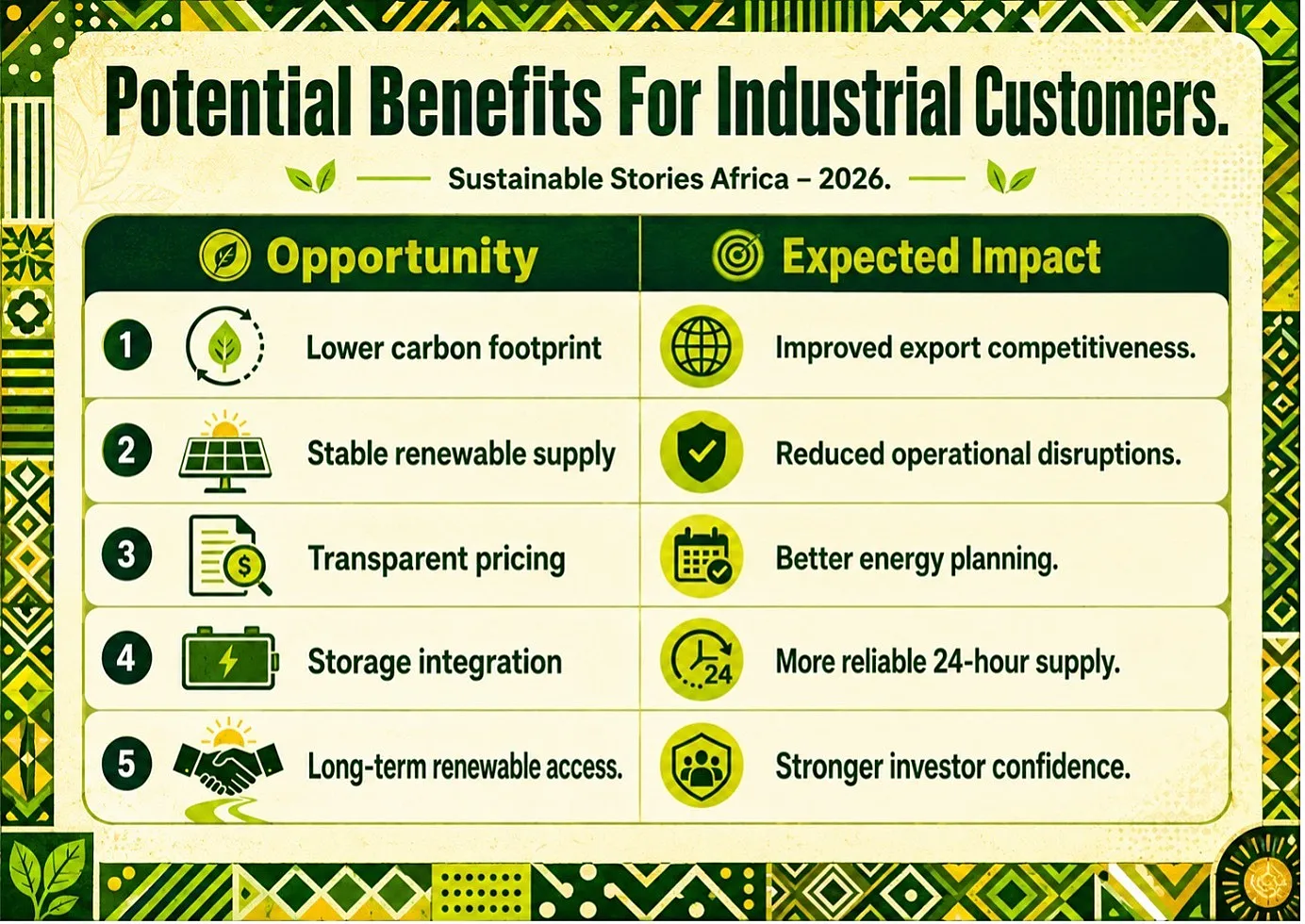
The broader economic implications could be significant. Industries powered by cleaner electricity may be better positioned to participate in emerging green supply chains, attract sustainable finance and comply with evolving trade requirements.
The initiative also signals a strategic shift in how African utilities may evolve. Rather than acting solely as electricity producers, utilities are increasingly becoming energy solution providers capable of integrating renewable generation, storage and customer-focused services.
Turning Energy Transition Into Industrial Strategy
Eskom Green's success will ultimately depend on execution.
Developing renewable projects at scale requires investment, regulatory certainty, transmission capacity and partnerships with private developers.
Eskom has indicated that future projects will utilise special-purpose financing structures and public-private partnerships to attract capital while limiting pressure on its balance sheet.
- For policymakers, the priority will be to accelerate transmission expansion and ensure regulatory frameworks support renewable deployment.
- For businesses, the challenge is to move beyond compliance thinking and view clean energy as a strategic asset.
The lesson extends beyond South Africa. Across Africa, industrialisation goals increasingly depend on access to affordable, reliable and sustainable power.
Countries that can align energy transition with industrial development may gain a competitive advantage in attracting investment and building resilient economies.
Path Forward – Building Competitive Low-Carbon Industries
Eskom's new strategy suggests that Africa's energy transition is entering a more commercial phase, where clean electricity is becoming central to industrial competitiveness rather than a standalone climate objective.
If grid expansion, renewable investment and market reforms continue to advance together, Eskom Green could become a model for how African utilities support economic growth while accelerating decarbonisation.
Culled From: Eskom bets on direct clean power supply to industry