Ethiopia continues selling scarce foreign currency to slow the birr's depreciation following major exchange-rate reforms.
The intervention is stabilising markets today but raises questions about how long reserves can sustain the strategy.
The outcome will influence inflation, investment confidence, trade competitiveness and millions of Ethiopian households.
A Delicate Balance Between Stability And Scarcity
Every dollar Ethiopia sells today buys time—but it also consumes one of the country's scarcest economic resources.
Nearly a year after Ethiopia liberalised its foreign exchange regime, the National Bank of Ethiopia (NBE) continues intervening in the market by supplying foreign currency to commercial banks in an effort to moderate volatility in the birr.
While the policy has helped avoid sharp currency swings and supported confidence during the transition to a more market-driven exchange rate, economists are increasingly asking a critical question: how long can Ethiopia continue defending the birr with limited foreign exchange reserves?
The answer matters far beyond currency markets. Ethiopia's exchange-rate strategy will shape inflation, import costs, investor confidence and the pace of one of Africa's most ambitious macroeconomic reform programmes.
The debate comes as the country implements reforms backed by the International Monetary Fund (IMF) and seeks to rebuild external financing while supporting long-term economic growth.
Businessfront reports that sustained interventions may become increasingly difficult unless foreign currency inflows continue to strengthen.
Reforms Bring Stability But New Pressures
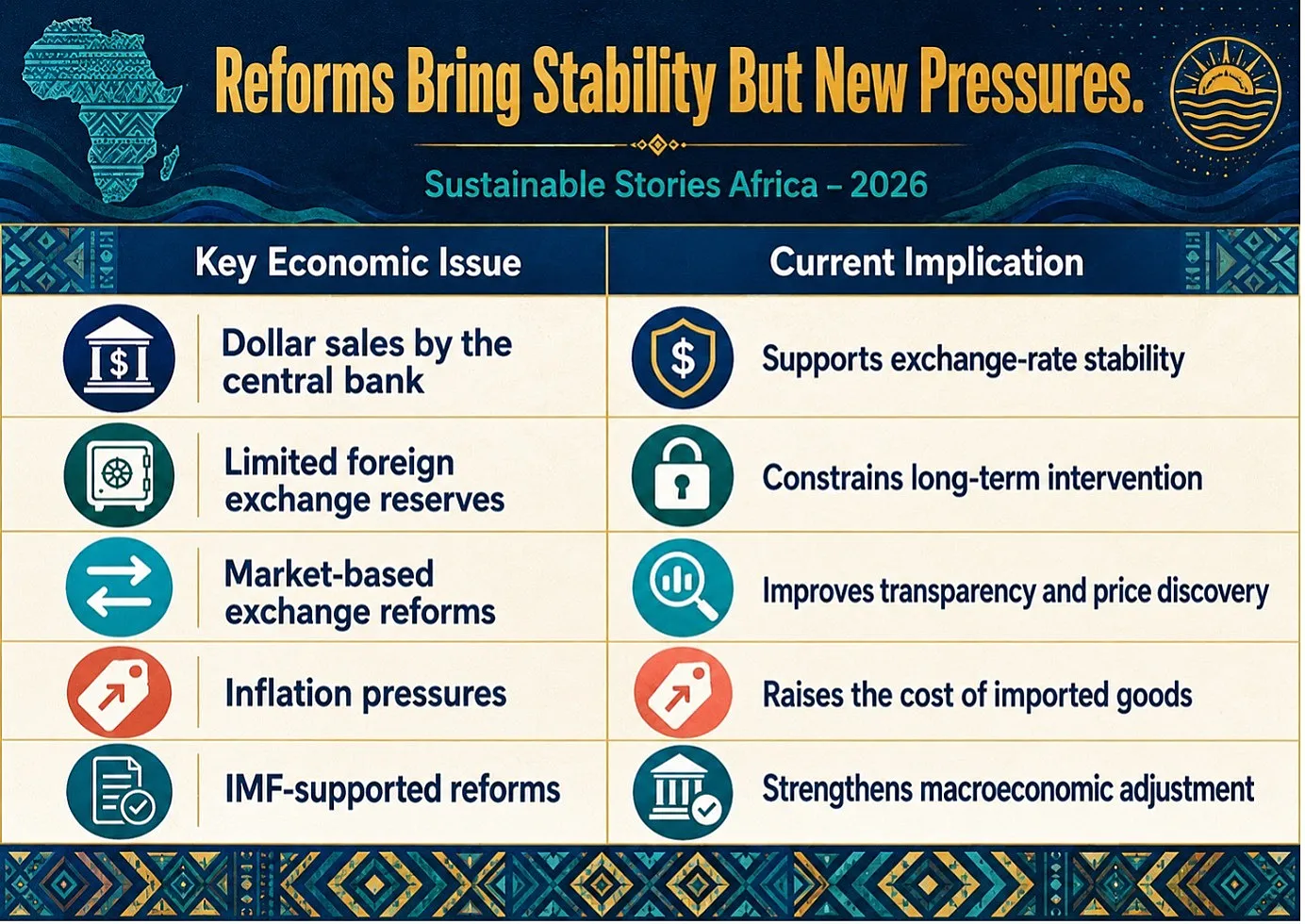
Ethiopia's landmark foreign exchange reforms marked a turning point in its economic policy.
The previous tightly managed exchange-rate regime had created persistent foreign currency shortages, encouraged parallel market activity and constrained international trade.
By allowing the birr to trade more freely, policymakers hoped to improve price discovery, attract foreign investment and restore confidence in the formal foreign exchange market.
Since then, the National Bank has periodically injected dollars into commercial banks to smooth excessive market volatility rather than maintain a fixed exchange rate.
That strategy has delivered short-term benefits.
Businesses have experienced improved access to foreign exchange through formal banking channels, while exchange-rate movements have become more transparent.
However, interventions inevitably draw down scarce reserves unless they are replenished through exports, remittances, tourism, foreign direct investment and multilateral financing.
For many Ethiopian businesses, the debate is practical rather than theoretical.
Manufacturers importing machinery, pharmaceutical companies purchasing medical supplies and fuel importers all depend on reliable access to foreign currency. Meanwhile, households feel the effects through food prices, transport costs and overall inflation whenever the birr weakens significantly.
The challenge for policymakers is therefore balancing two competing priorities: preserving foreign exchange reserves while preventing excessive currency depreciation that could undermine economic confidence.
Building A More Resilient Foreign Exchange Market
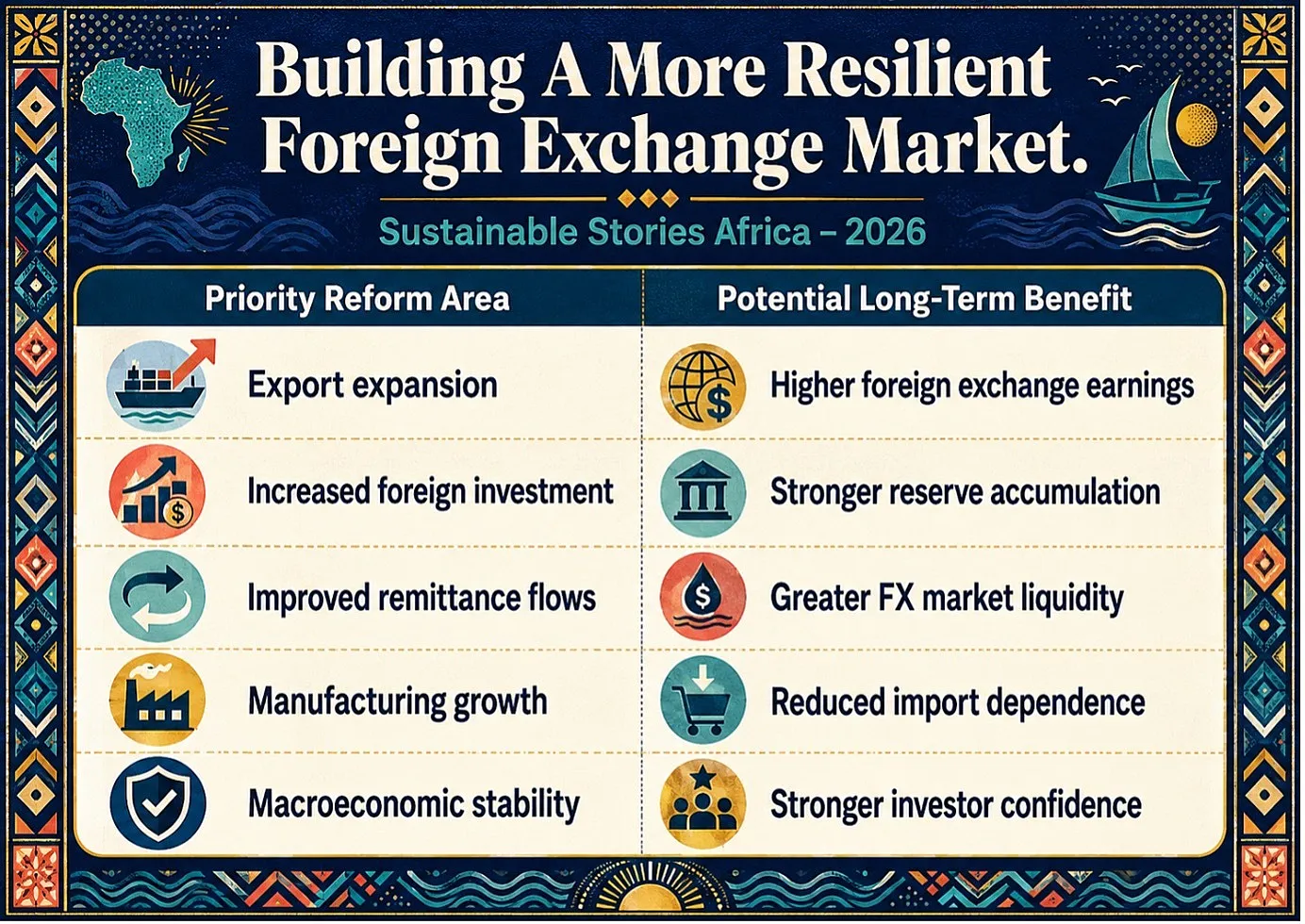
Currency intervention is most effective when it creates space for deeper structural reforms rather than becoming a permanent solution.
A stronger export sector, increased agricultural productivity, higher tourism receipts, expanded manufacturing, and larger inflows from foreign investors can gradually reduce dependence on central bank intervention.
Continued reforms that encourage diaspora remittances through formal channels and improve investor confidence would also help strengthen Ethiopia's external position.
If these reforms succeed, Ethiopia could transition from defending its currency with scarce reserves to supporting it through stronger economic fundamentals.
That would deliver broader benefits: lower inflation over time, improved business confidence, greater access to international capital and a more resilient financial system capable of absorbing future shocks.
Structural Reforms Must Outlast Currency Intervention
Ethiopia's experience illustrates an important lesson for many African economies: foreign exchange interventions can stabilise markets, but they cannot substitute for structural competitiveness.
- Policymakers should continue to strengthen export capacity, improve productivity, broaden domestic industrialisation and maintain credible macroeconomic reforms.
- Transparent communication from the central bank will also remain essential to preserving market confidence during periods of adjustment.
For investors, businesses and development partners;
- Sustained support for reforms will matter as much as short-term exchange-rate management.
- Building deeper foreign exchange markets, strengthening financial institutions and expanding productive sectors will ultimately provide more durable currency stability than reserve interventions alone.
The long-term strength of the birr will depend less on how many dollars the central bank can sell and more on how many dollars Ethiopia can sustainably earn.
Path Forward – Sustainable Reforms Must Drive Currency Stability
Ethiopia's exchange-rate reforms have created an opportunity to modernise its foreign exchange market, but lasting stability will depend on stronger export earnings, investment inflows and prudent reserve management.
The next phase should focus on deepening structural reforms that enhance productivity, strengthen external balances and build long-term economic resilience while reducing reliance on central bank currency interventions.
Culled From: How long can Ethiopia keep selling its scarce dollars to defend the birr? - Businessfront