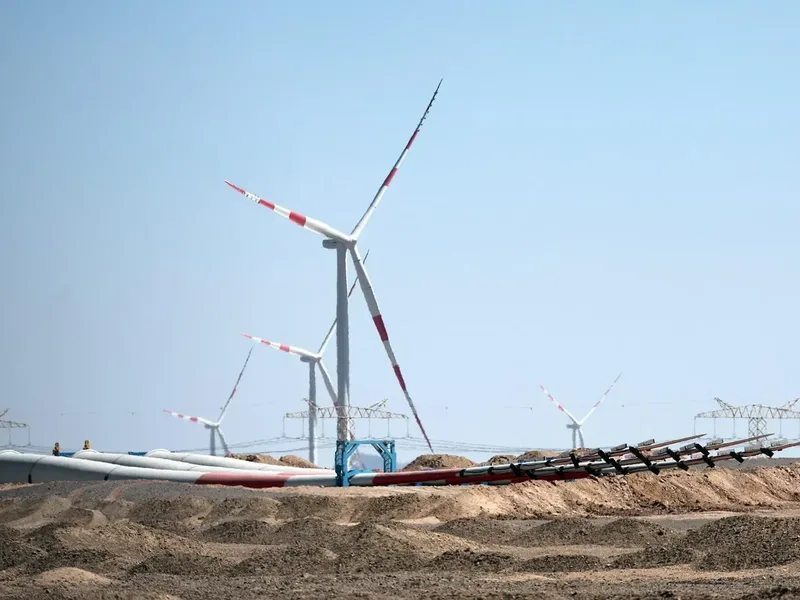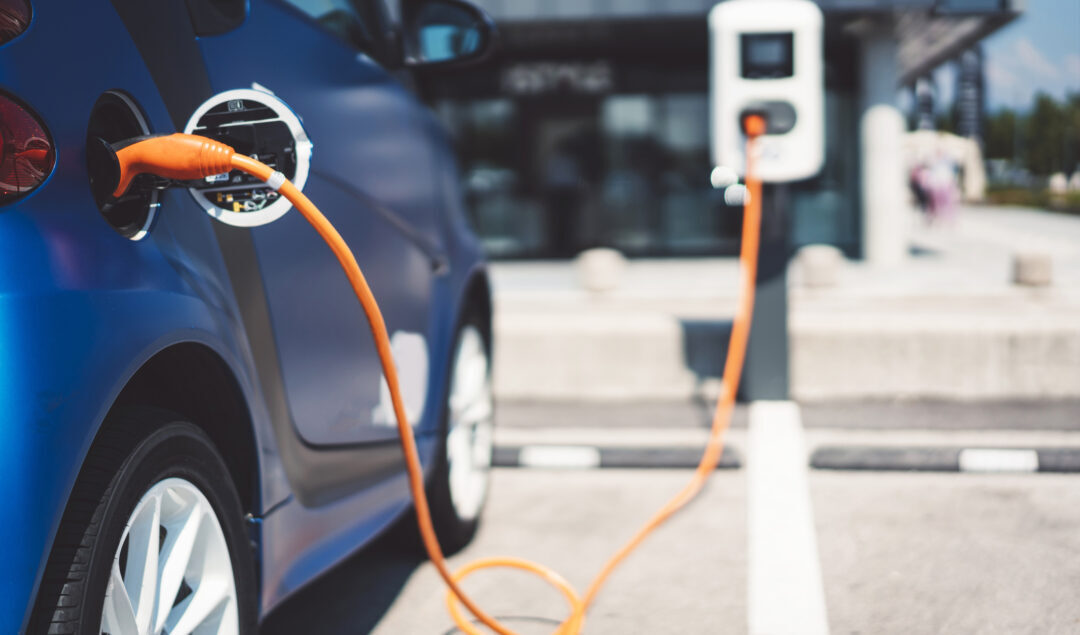
The roadmap comes as the country works to reduce fuel imports, urban pollution and transport costs.
For commuters, businesses and investors, the shift could shift electric mobility into a new pillar of green industrial growth.
Ethiopia Moves Transport Into Electric Era
Ethiopia has launched its National E-Mobility Strategy and Implementation Plan 2025–2030, setting out a national roadmap to accelerate electric transport, cut dependence on imported fossil fuels and build a cleaner, more efficient mobility system.
The strategy was launched in Addis Ababa by Ethiopia’s Ministry of Transport and Logistics, in partnership with the United Nations Economic Commission for Africa, the Institute for Transportation and Development Policy and the World Resources Institute.
It arrives at a decisive moment. Ethiopia has already moved aggressively on electric vehicles, including restrictions on gasoline and the import of diesel vehicles.
Rising fuel costs and urban air pollution continue to pressure households, transport operators and public systems.
The new strategy now turns ambition into a five-year implementation agenda.
Six Priorities Define the Roadmap
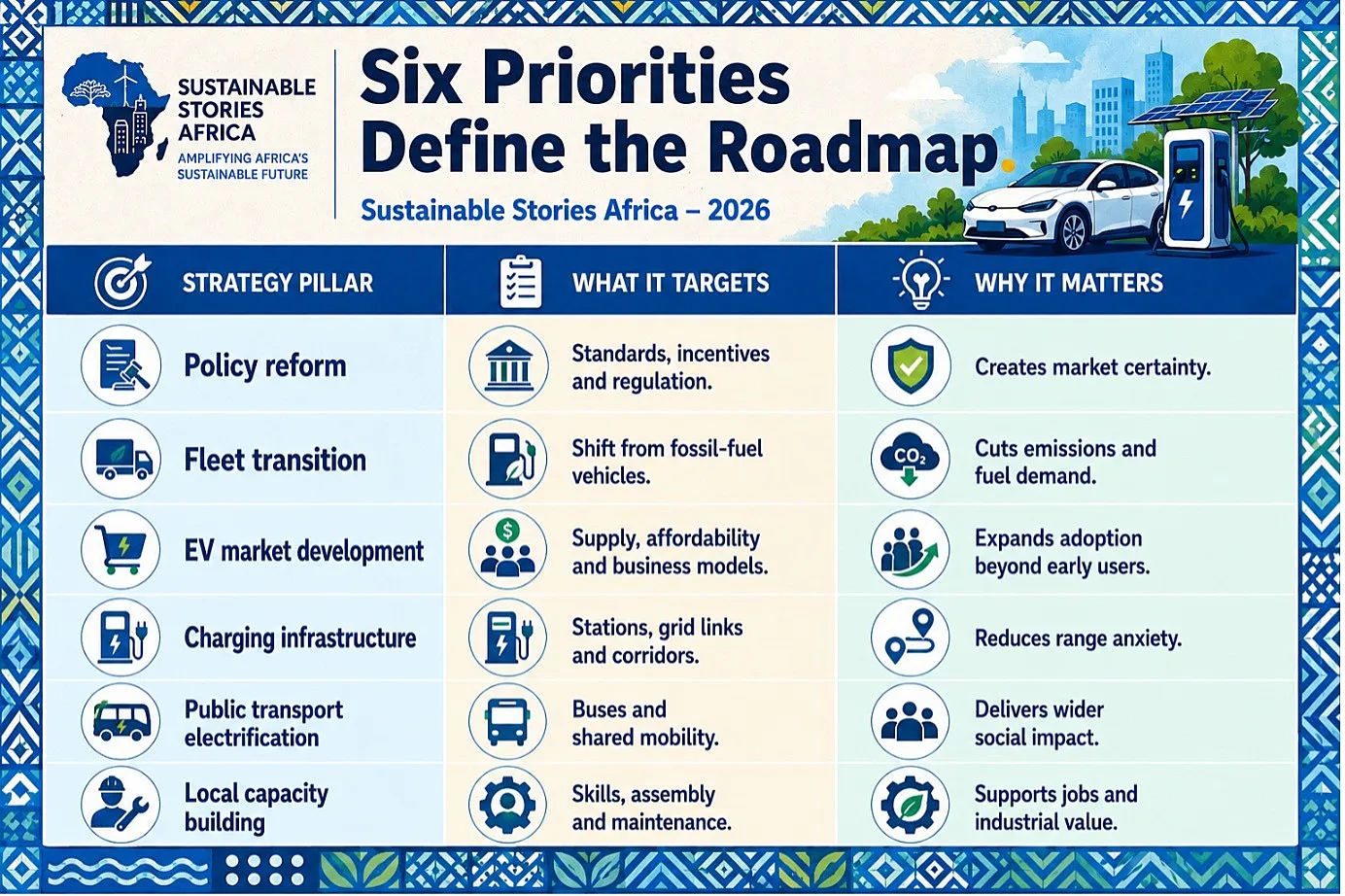
The strategy focuses on six intervention areas: policy and regulatory reform, fleet transition, EV market development, charging infrastructure, public transport electrification and local capacity building.
That structure matters because e-mobility is not only about importing electric cars. It requires standards, charging networks, grid readiness, financing models, maintenance skills, battery management and public confidence.
Without those systems, electric transport can remain concentrated in wealthier urban corridors while ordinary commuters remain locked into expensive, polluting mobility.
Ethiopia’s advantage is its electricity profile. With a power mix heavily supported by renewable sources, the country has a stronger basis than many peers to link transport electrification to domestic energy security. The economic case is also clear: every litre of imported fuel avoided can reduce pressure on foreign exchange and public finances.
Cleaner Mobility, Stronger Cities
If implemented well, Ethiopia’s e-mobility strategy could deliver benefits beyond cleaner vehicles. It could lower operating costs for drivers, reduce air pollution in cities, create new technical jobs and support local assembly of electric vehicles and components.
- For a taxi driver in Addis Ababa, the difference could be practical: lower daily energy costs and fewer fuel-supply disruptions.
- For city residents, electric buses and cleaner fleets could mean quieter roads and healthier air.
- For investors, the strategy creates a policy signal that Ethiopia wants to build an e-mobility ecosystem, not just a consumer market.
The opportunity also extends to Africa’s wider development story. Many countries are trying to balance energy access, transport growth and climate commitments.
Ethiopia’s approach offers a test case for how a developing economy can use clean transport to reduce import dependence while building future-facing industries.
Make Infrastructure Match Ambition
The next test is execution.
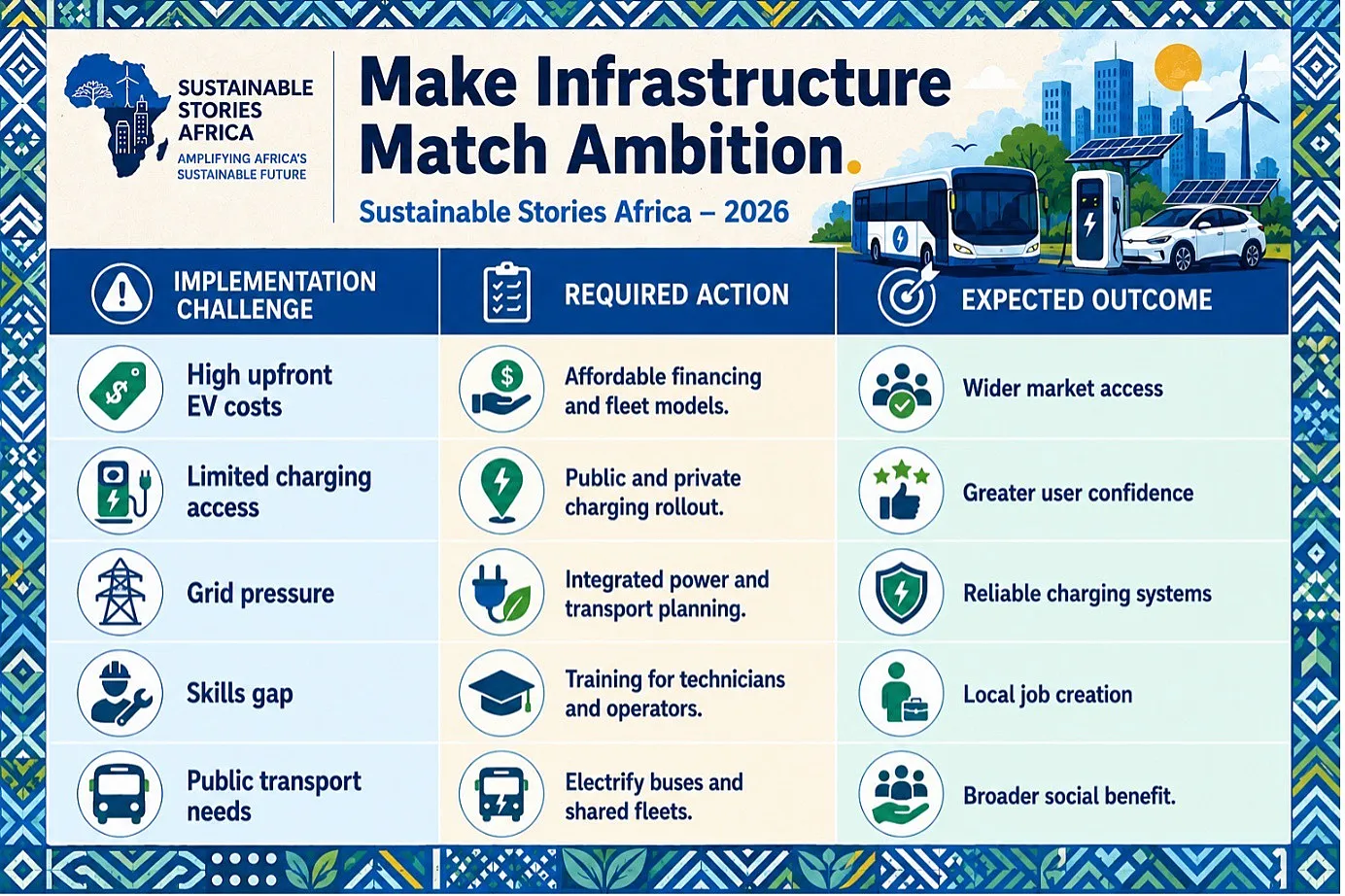
- Charging infrastructure must expand beyond central Addis Ababa and major corridors.
- Financing must address affordability, especially for buses, taxis, delivery fleets and small transport businesses.
- Standards must protect consumers from low-quality imports and ensure batteries are managed safely across their lifecycle.
Government agencies, utilities, banks, city administrations and private operators will need to coordinate closely.
- Without reliable charging systems and grid planning, EV adoption could accelerate much more rapidly than infrastructure.
- Without local skills, maintenance gaps could weaken trust.
- Without inclusive financing, electric mobility could become a premium option rather than a public benefit.
Path Forward – Build Systems, Not Just Vehicles
Ethiopia’s e-mobility strategy provides the country with a clearer route from policy ambition to market implementation.
The priority now is to align finance, infrastructure, regulation and skills.
For African markets, the lesson is direct: electric mobility works best when treated as an industrial, energy and urban planning agenda.
Well done, it can reduce emissions, protect households from fuel shocks and build cleaner cities.
Culled From: Ethiopia launches National E-Mobility Strategy 2025–2030 | United Nations Economic Commission for Africa