Ethiopia plans to raise government spending by about $2.63 billion next fiscal year.
Officials say costs linked to the war in Iran, including higher fuel subsidies, are driving the increase.
The move shows how distant conflicts can quickly become African budget, inflation and household-pressure stories.
A Foreign War Enters Ethiopia’s Budget
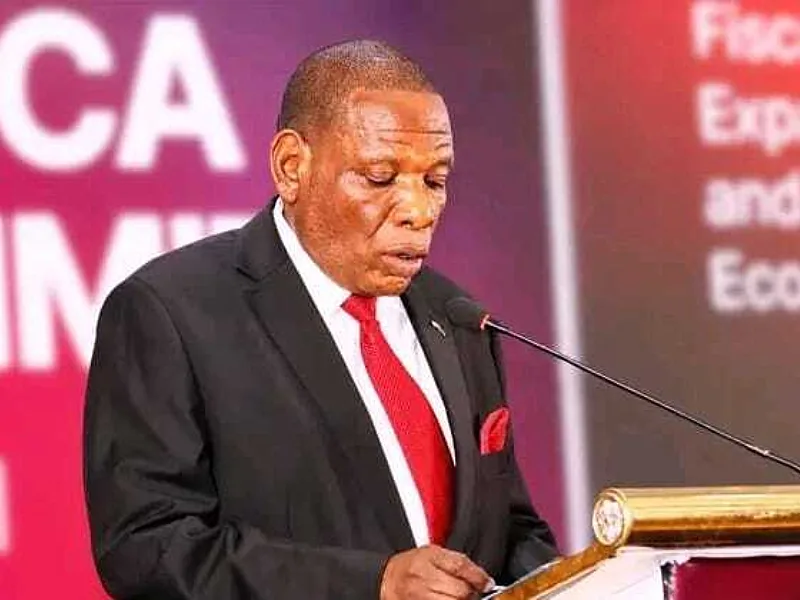
Ethiopia’s government expects total spending to rise sharply in the 2026/27 fiscal year, with Finance Minister Ahmed Shide citing costs linked to the war in Iran as a major reason for the increase.
The proposed budget is projected at about 2.34 trillion birr, or roughly $14.7 billion, up from about 1.92 trillion birr in the current fiscal year.
That represents a rise of around 420 billion birr, or approximately $2.63 billion.
The figures matter because Ethiopia is already navigating inflationary pressure, debt restructuring, fuel subsidy costs and post-conflict reconstruction demands.
For citizens, this is not only a budget story. It is a cost-of-living story because global energy shocks often go through oil markets into transport fares, food prices and public spending decisions.
Why Spending Is Rising Now
The government has linked the increase mainly to expenses arising from the Middle East crisis.
While officials did not provide a full breakdown, fuel subsidies have reportedly increased since the war in Iran began.
That matters because Ethiopia is a fuel-importing economy. When international oil prices rise, the state often faces a difficult choice: absorb the cost through subsidies, pass it to consumers, or combine both. Each option has consequences.
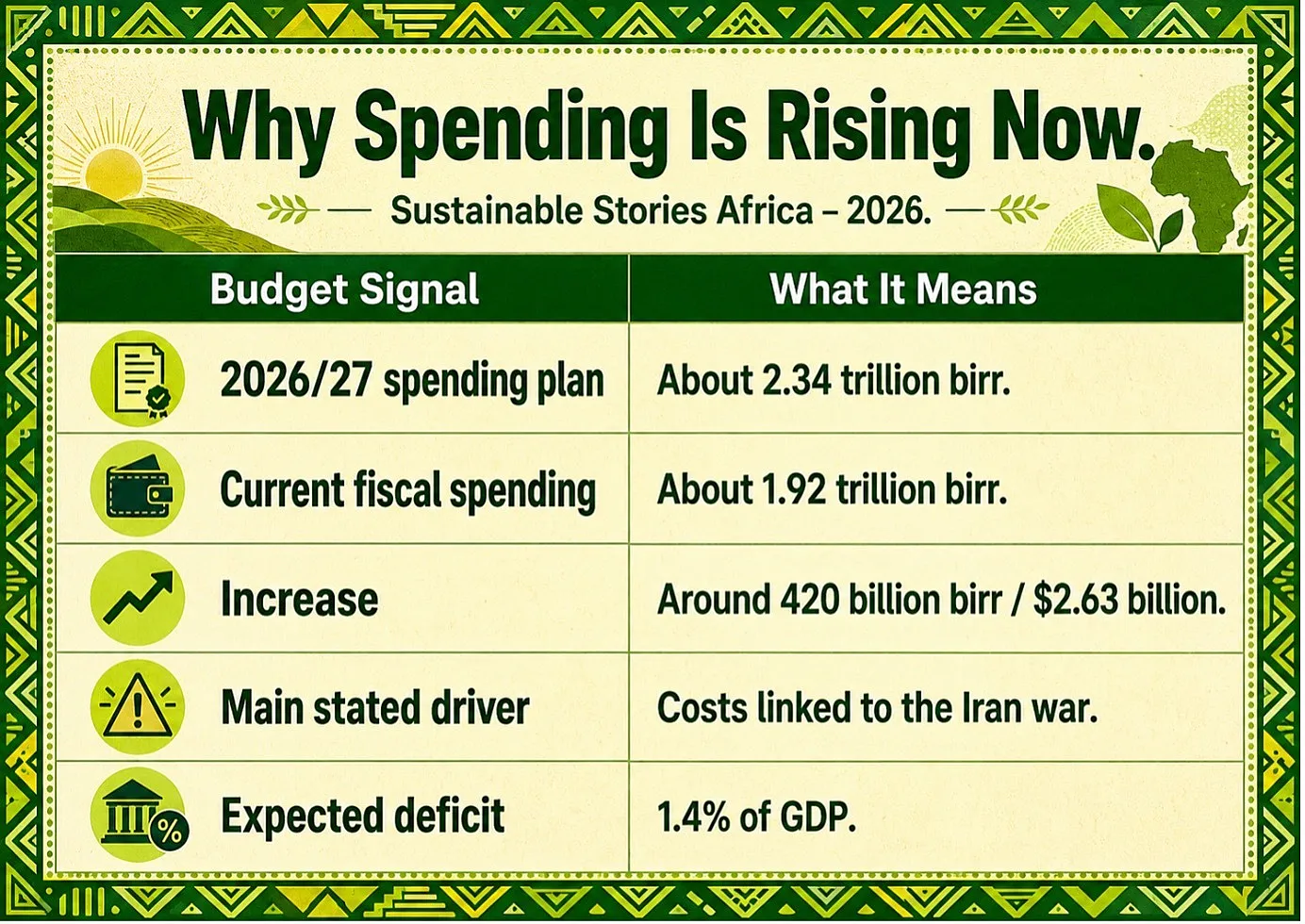
The government still expects the budget deficit to narrow to about 1.4% of GDP from 2.2% this year.
That suggests Addis Ababa is trying to balance higher spending with fiscal discipline, especially as it continues debt talks with international creditors.
Ethiopia also projects strong economic growth of about 10.1%, while export revenues reached $8.7 billion in the first 10 months of the current fiscal year, with a full-year target of $10.5 billion.
A Bigger Budget Could Protect Stability
If managed well, the higher spending could help cushion households and protect economic stability during a volatile global period.
Fuel subsidies can prevent sudden price spikes from immediately hitting commuters, traders and farmers.
In a country where transport costs affect food markets and small business margins, that relief can matter.
A higher budget may also support essential services, infrastructure and recovery needs.
However, the benefits depend on discipline. Subsidies that are too broad can strain public finances. Spending that is not transparent can weaken confidence. Borrowing that grows too quickly can complicate debt restructuring.
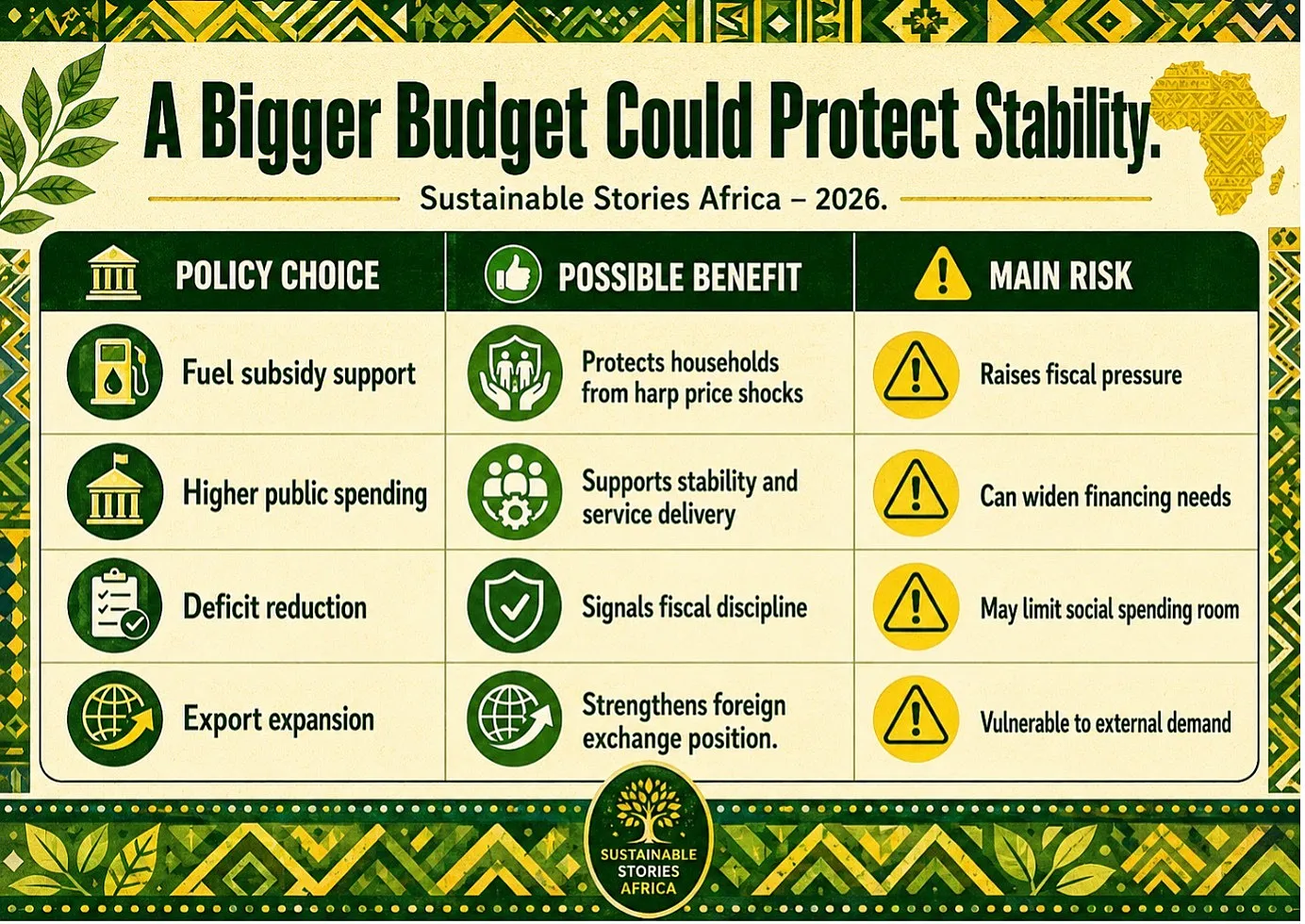
The strongest outcome would be a budget that protects vulnerable citizens while keeping debt and inflation risks under control.
Ethiopia Must Protect People And Credibility
Ethiopia’s next fiscal test will be execution.
The government needs to explain how Iran-war-related costs are being calculated, how subsidy spending will be targeted, and how it plans to protect low-income households without weakening macroeconomic stability.
For investors and creditors, the focus will be on credibility. Ethiopia is still working through debt restructuring, including talks linked to its Eurobond.
Clear fiscal communication will matter because creditors want to understand whether higher spending is temporary, affordable and linked to measurable priorities.
For citizens, the priority is simpler: prices, jobs and services. A budget that looks strong on paper must translate into stable transport costs, available fuel, food affordability and sustained public investment.
Path Forward – Turn Fiscal Pressure Into Resilience
Ethiopia’s larger budget shows how global conflicts can quickly reshape African fiscal planning.
The priority now is targeted support, transparent subsidy management and credible debt negotiations.
If Ethiopia protects households while maintaining fiscal discipline, the budget increase could become a stabilising tool.
If not, imported energy shocks may deepen inflation, debt pressure and social vulnerability.
Culled From: Ethiopia's budget spending to rise by $2.63 billion on Ian war costs - Businessfront