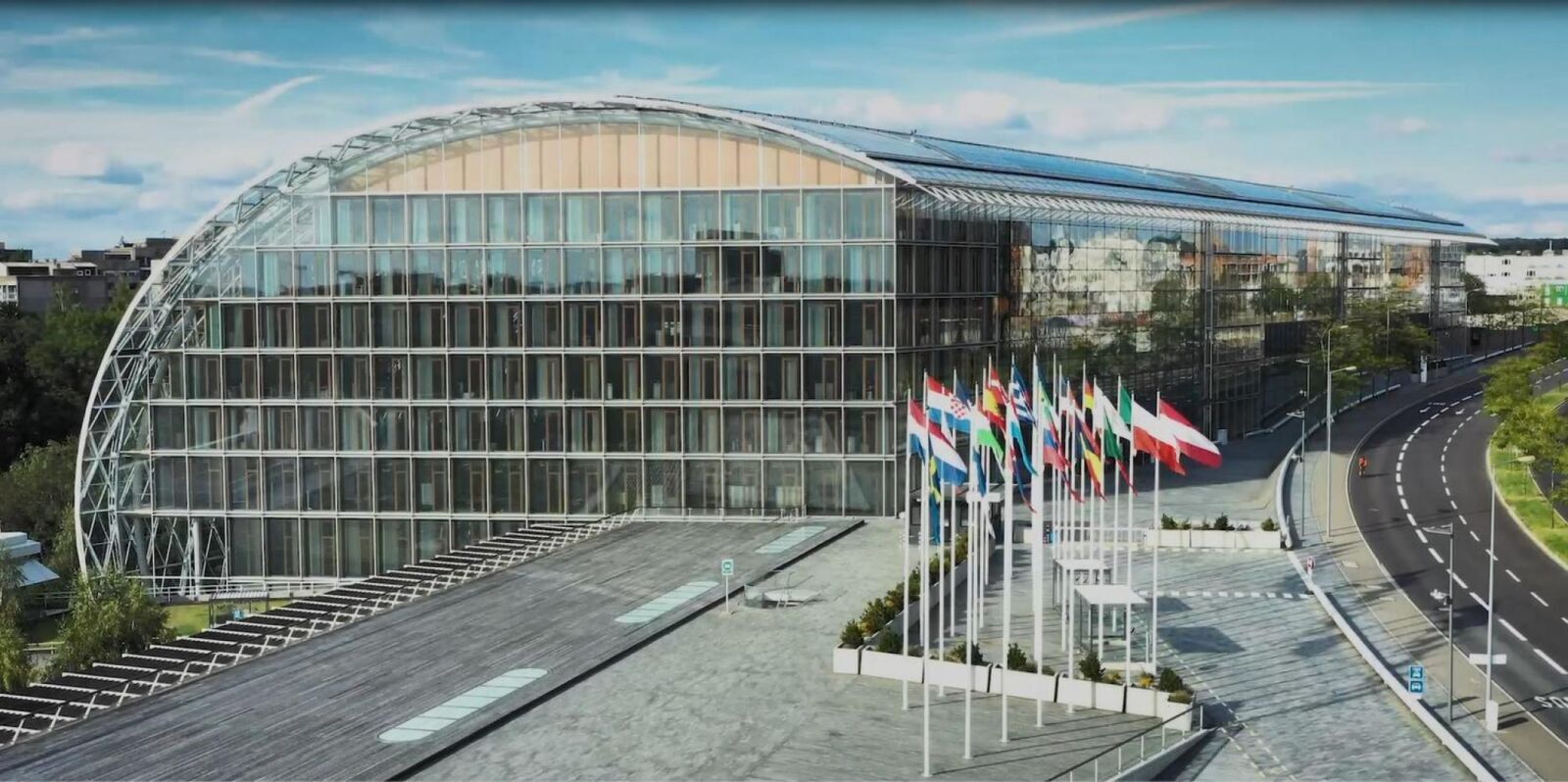
Europe is increasing support for renewable energy investments across Africa as global climate finance priorities shift.
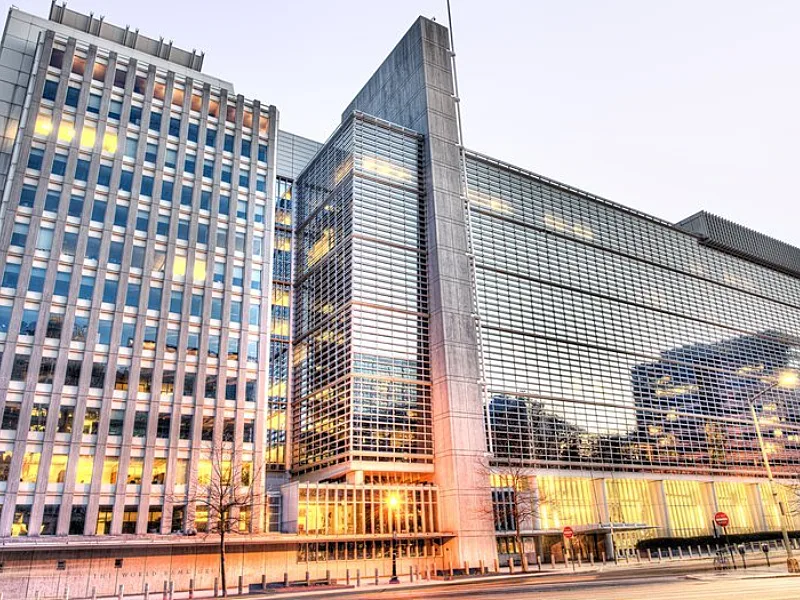
The move comes as the World Bank scales back a key climate-lending target, raising fresh questions about financing for high-risk clean energy projects.
For African governments and investors, the moment could redefine how the continent funds its energy transition and unlocks private capital.
Europe Moves To Fill Emerging Funding Gap
Africa's renewable energy transition is entering a new financing phase as European institutions expand support for climate investments as the World Bank retreats from one of its flagship climate-finance commitments.
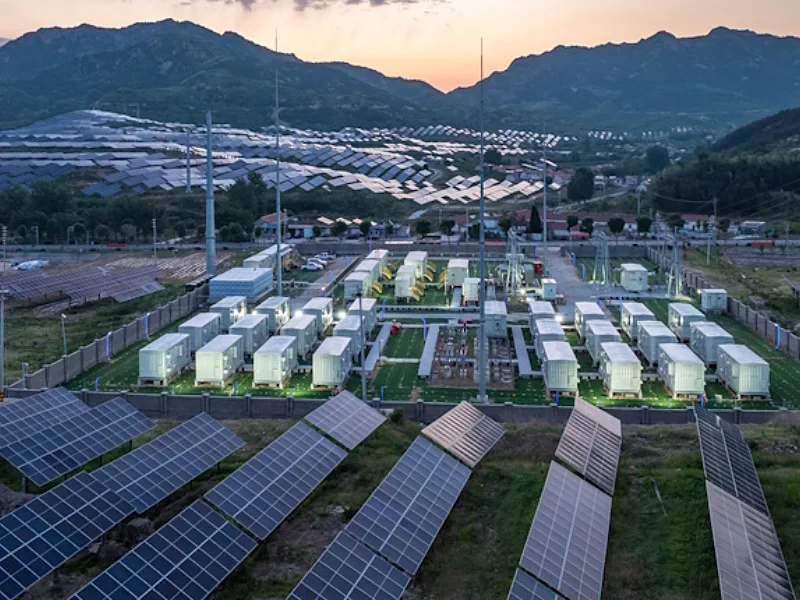
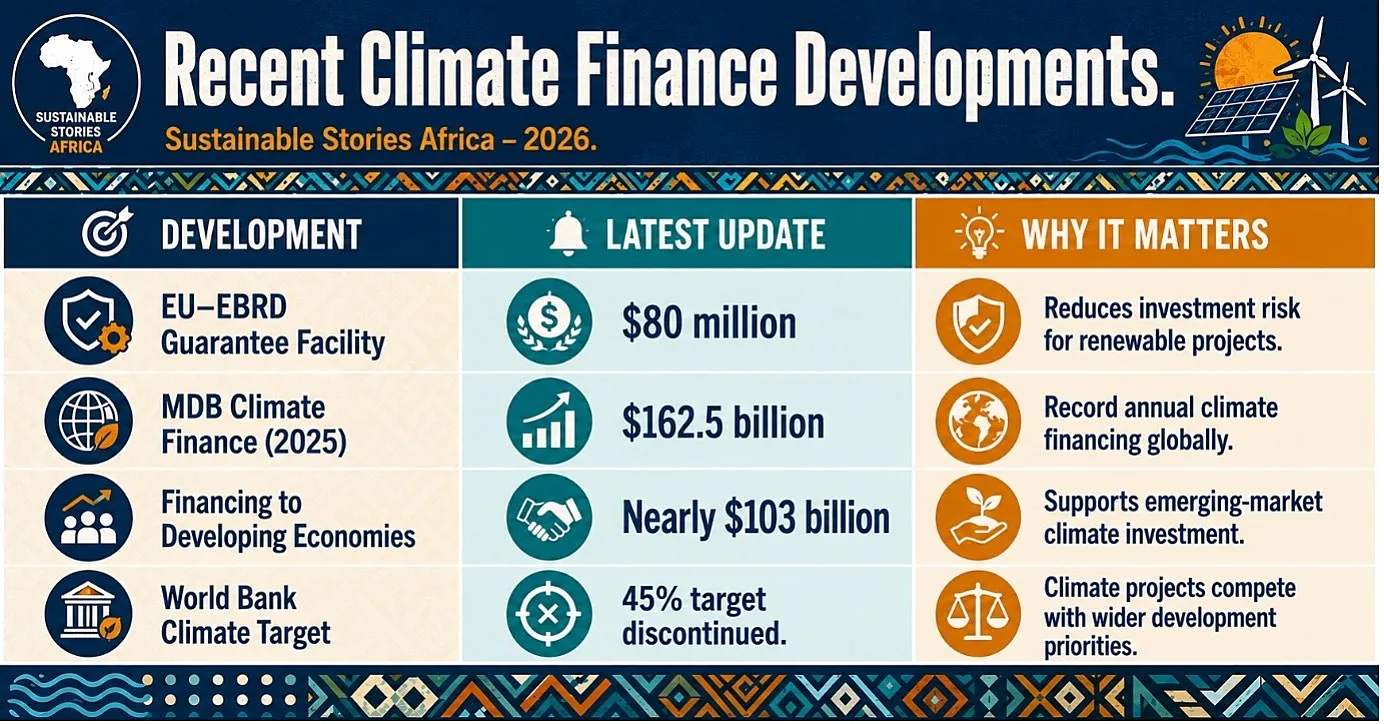
The latest signal came as the European Bank for Reconstruction and Development (EBRD) and the European Commission launched an $80 million guarantee facility designed to de-risk renewable energy, industrial decarbonisation and critical minerals projects across Sub-Saharan Africa.
The initiative follows the EBRD's opening of its first regional office in Lagos, underlining Europe's growing financial footprint in African clean energy markets.
The announcement arrives only weeks after the World Bank ended its target of allocating 45% of annual lending to climate-related projects, a policy shift that has prompted concern among investors relying on concessional finance for early-stage renewable projects.
While the Bank insists climate investments will continue, funding will now compete alongside broader development priorities.
Private Capital Needs Stronger Catalytic Support
For many African renewable projects, commercial viability depends on more than abundant sunshine or wind resources.
It depends on institutions willing to absorb early-stage risk.
The new EU-backed guarantee mechanism aims to do exactly that by reducing financing risks that often discourage private investors from entering frontier markets. By sharing risk, the facility is expected to mobilise significantly larger volumes of private capital than the initial public commitment alone.
The timing is significant.
According to a report released by the European Investment Bank, multilateral development banks collectively committed a record $162.5 billion in climate finance during 2025, with nearly $103 billion directed to developing economies.
The figures suggest global climate finance remains on an upward trajectory despite uncertainty surrounding the World Bank's policy shift.
Industry leaders nevertheless caution that many African renewable projects remain heavily dependent on catalytic development finance.
"There are many projects that don't need engagement from development banks, but the majority of solar projects in development across Africa can only become bankable with some form of catalytic climate or development financing," said Terje Osmundsen, Chief Executive of Empower New Energy.
Opportunity Beyond Traditional Development Finance
The changing landscape could ultimately strengthen Africa's renewable investment ecosystem.
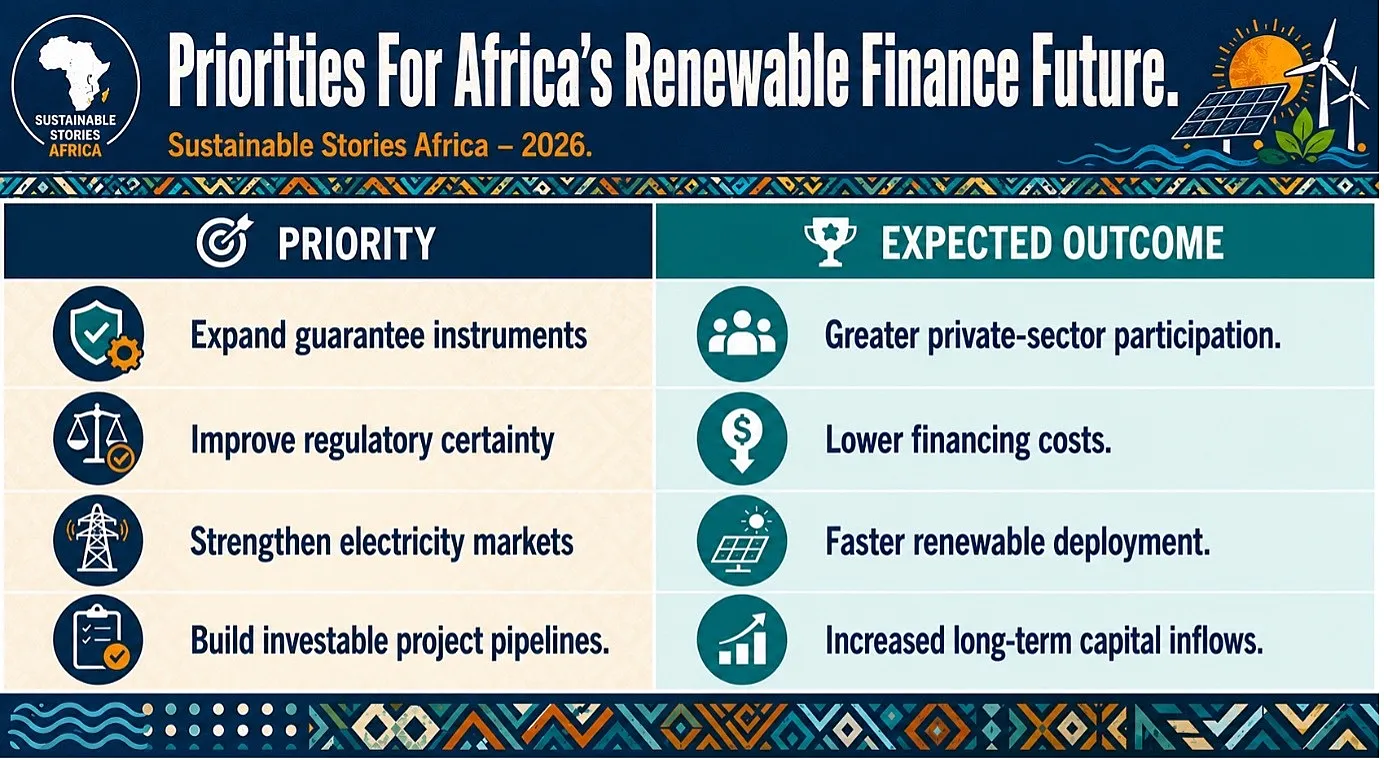
Rather than relying predominantly on concessional funding, governments are increasingly being encouraged to improve electricity market reforms, strengthen regulatory certainty and develop financial structures capable of attracting institutional investors.
If these reforms succeed, clean energy projects could become commercially investable assets rather than aid-dependent infrastructure.
The alternative carries significant risks. Africa still has approximately 600 million people without reliable electricity, while financing costs remain among the highest globally due to the perceived sovereign risk.
Without effective de-risking mechanisms, many otherwise viable renewable projects could remain stalled despite abundant natural resources.
Finance Reform Must Match Climate Ambition
Europe's expanding commitment should not be viewed as a replacement for multilateral climate finance but as a catalyst for broader investment mobilisation.
Governments, development finance institutions and private investors must now work together to strengthen regulatory institutions, modernise electricity markets and create predictable investment environments that reduce financing costs.
For African policymakers, the message is equally clear: stronger governance, transparent procurement and bankable project pipelines will increasingly determine where global climate capital flows next.
Path Forward – Building Confidence Through Smarter Climate Finance
Europe's latest financing initiative demonstrates that international partners remain committed to Africa's clean energy future despite shifting global priorities.
Sustained collaboration between public institutions and private investors will be essential to maintaining investment momentum.
The next phase requires more than funding alone. Stronger institutions, innovative financial instruments and policy certainty can transform today's financing challenge into tomorrow's renewable energy opportunity while advancing Africa's long-term sustainability and energy security objectives.
Culled From: EU steps up Africa's renewables finance as World Bank pulls back