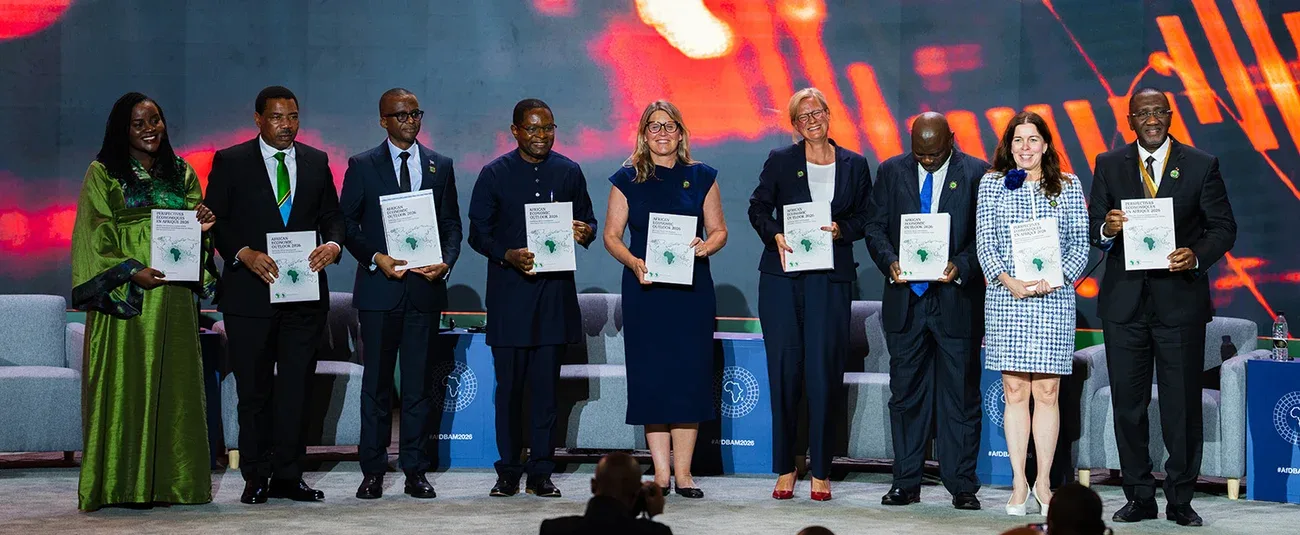
Experts at the AfDB 2026 Annual Meetings called for bold reforms to unlock investment across Africa.
The message came after the African Economic Outlook 2026 warned of debt pressure, lower aid flows and shrinking fiscal space.
For businesses, households and governments, reform is now tied to jobs, infrastructure, climate resilience and regional competitiveness.
Reform Is Now Investment Policy
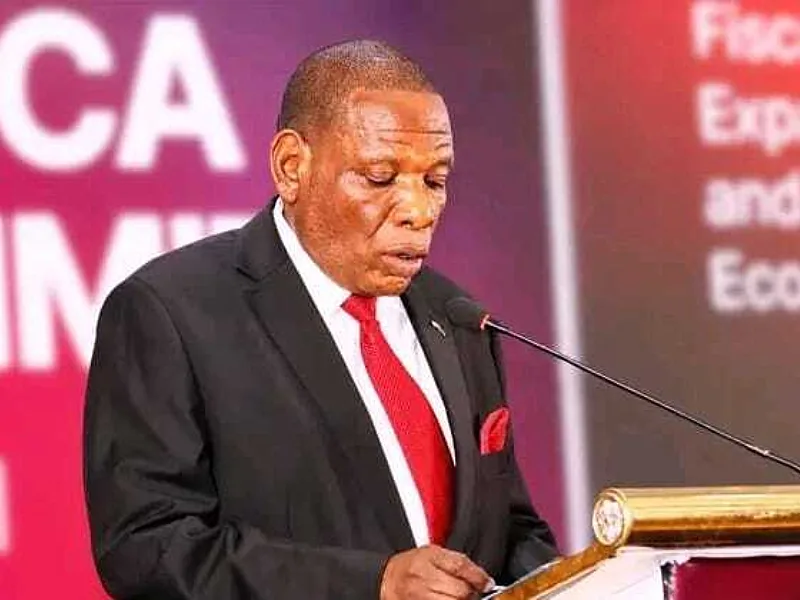
Africa’s growth story will depend less on speeches about potential and more on whether governments can turn reforms into investable opportunities, experts warned at the African Development Bank Group’s 2026 Annual Meetings in Brazzaville.
Senior African and European policymakers, speaking after the launch of the African Economic Outlook 2026, called for stronger domestic revenue mobilisation, deeper regional integration and strategic economic reforms to attract long-term capital into African markets.
The warning was clear: Africa still has growth momentum, but the continent cannot finance its transformation on old assumptions.
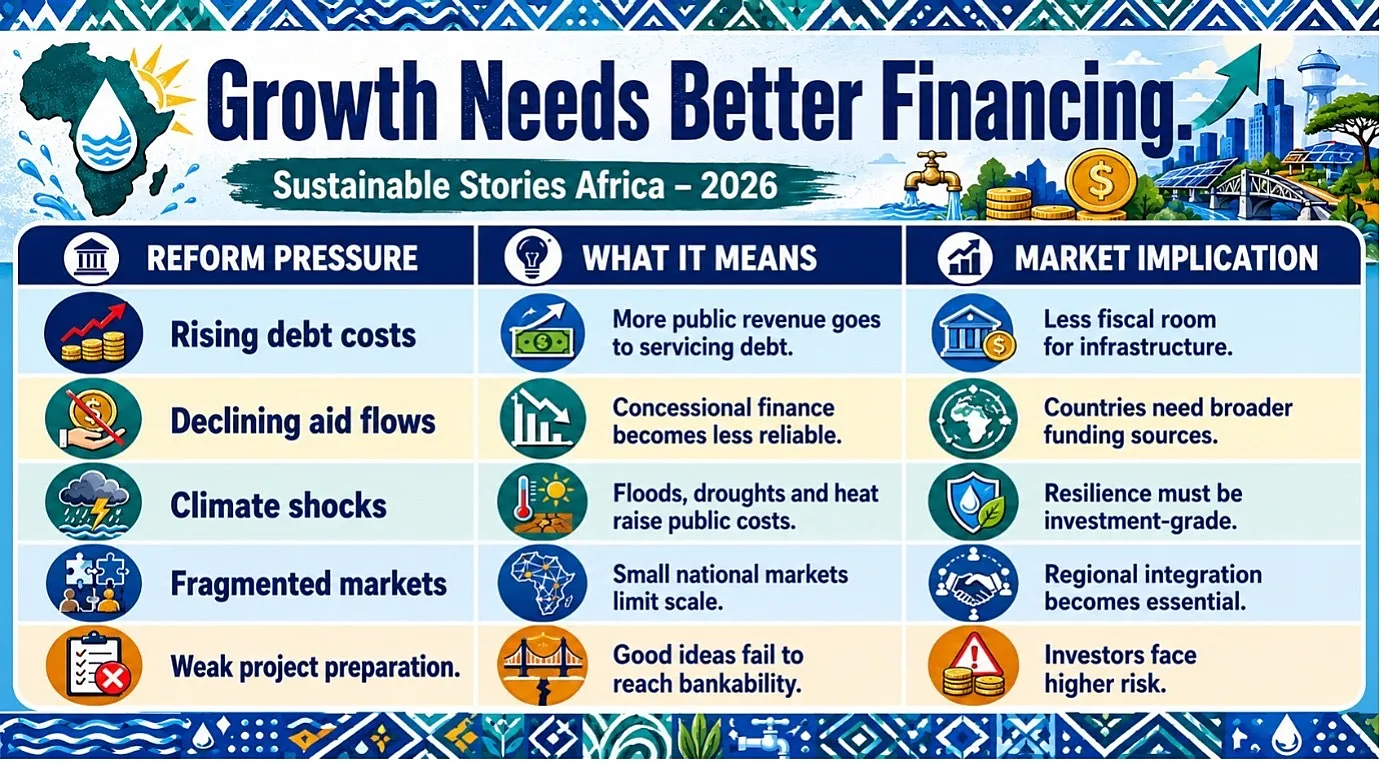
Aid flows are under pressure, debt-servicing costs are rising, climate shocks are widening fiscal needs, and investors want more predictable policy environments.
“The scale of ambition that African countries have compared to the amount of investment currently moving into African economies shows a clear mismatch.”
Baroness Jenny Chapman, UK Minister of State for International Development, said. “The idea that we can continue in the same way simply does not make sense anymore.”
Growth Needs Better Financing
The AfDB’s African Economic Outlook 2026 projects stronger average GDP growth for Africa despite global uncertainty, supported by domestic demand, infrastructure investment and expanding regional trade.
However, it also warns that debt burdens, lower concessional financing and climate shocks continue to constrain fiscal space.
That tension defines the continent’s investment challenge.
- A young entrepreneur in Lagos may see opportunity in digital trade.
- A farmer in northern Ghana may need irrigation and storage.
- A manufacturer in Kenya may want reliable power and cheaper logistics.
However, without reforms that reduce risk, lower transaction costs, and improve project pipelines, capital often remains hesitant.
The Annual Meetings highlighted a central paradox: Africa has vast investment needs and significant growth opportunities; however, the flow of long-term finance remains below what is required.
Capital Can Follow Credible Reform
The upside is significant. If African countries deepen reforms, they can shift from fragmented financing appeals to structured investment platforms that attract pension funds, development finance institutions, sovereign investors and private capital.
Reforms in taxation, public financial management, trade facilitation, energy markets and capital markets could help countries move from crisis management to long-term planning.
Better domestic revenue systems can reduce dependence on external aid. Regional integration can expand market size. Stronger institutions can give investors clearer rules.
For citizens, this is not only a macroeconomic debate. It determines whether roads are built, whether power is stable, whether small businesses can access credit, and whether climate shocks become disasters or manageable risks.
Africa’s development challenge is therefore also a confidence challenge. Capital follows credible rules, predictable policy and institutions that can execute.
Build Markets That Investors Trust
Experts urged governments and development partners to move faster on reforms that make investment easier, cheaper and more transparent.
That means improving domestic revenue mobilisation without overburdening fragile businesses; building stronger public-private partnerships; preparing bankable infrastructure projects; deepening local capital markets; and aligning regional trade rules with the African Continental Free Trade Area.
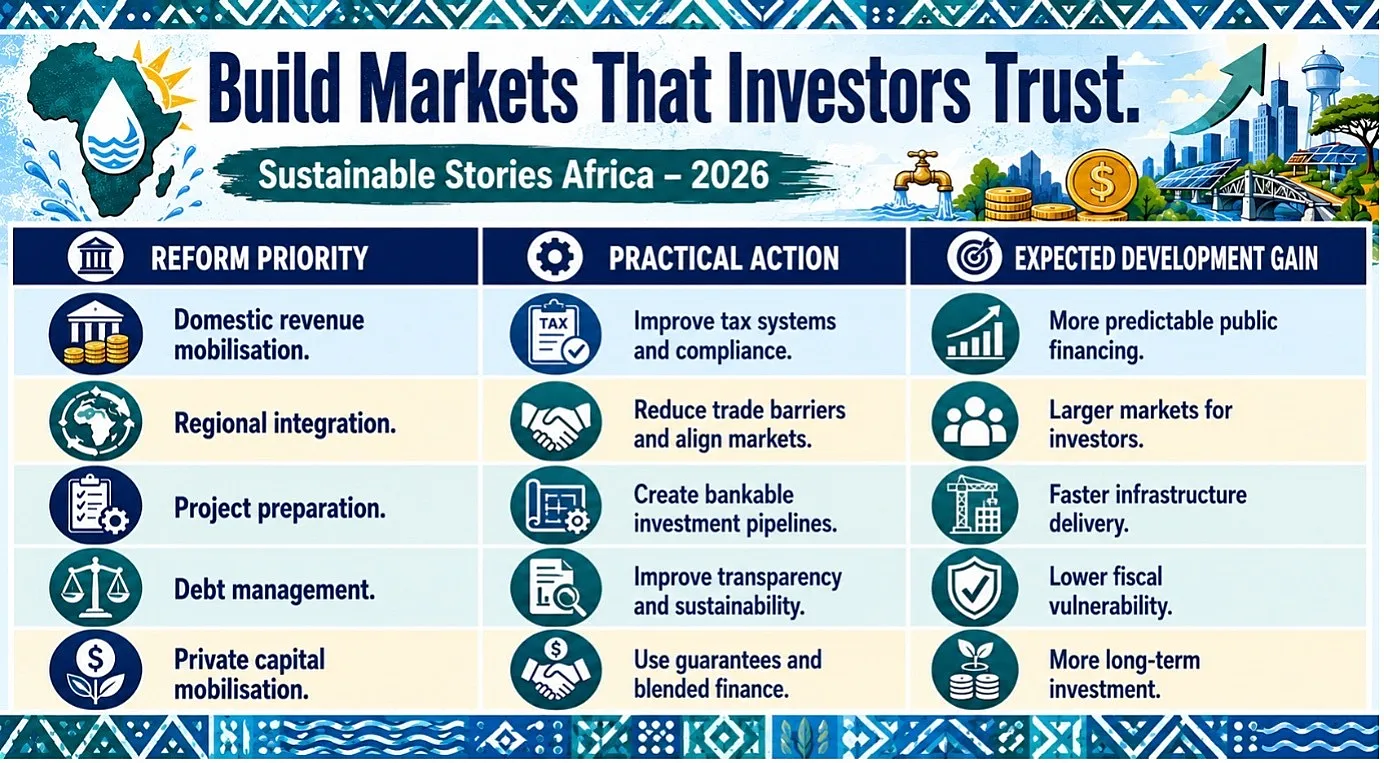
The call to action is direct: Africa must stop treating reform as a donor condition and start treating it as a competitiveness strategy.
Path Forward – Make Reform Deliver Investment Results
The next priority is execution: credible policies, stronger institutions and investable project pipelines that turn Africa’s growth potential into jobs, infrastructure and resilience.
For ESG and sustainability markets, the reform agenda is also an impact agenda. Better governance, deeper markets and climate-smart investment can help African economies grow while protecting people, public finances and long-term development outcomes.
Culled From: AfDB 2026 Annual Meetings: Experts call for bold reforms to unlock investment in Africa