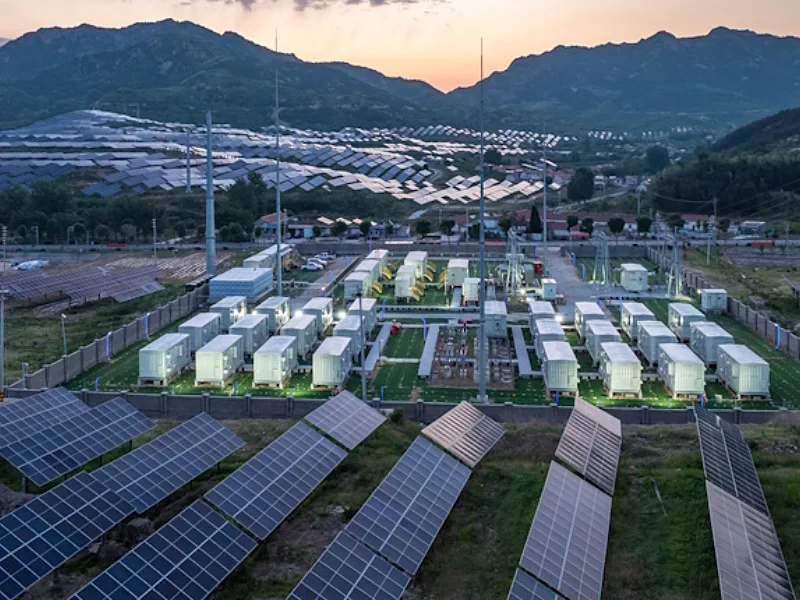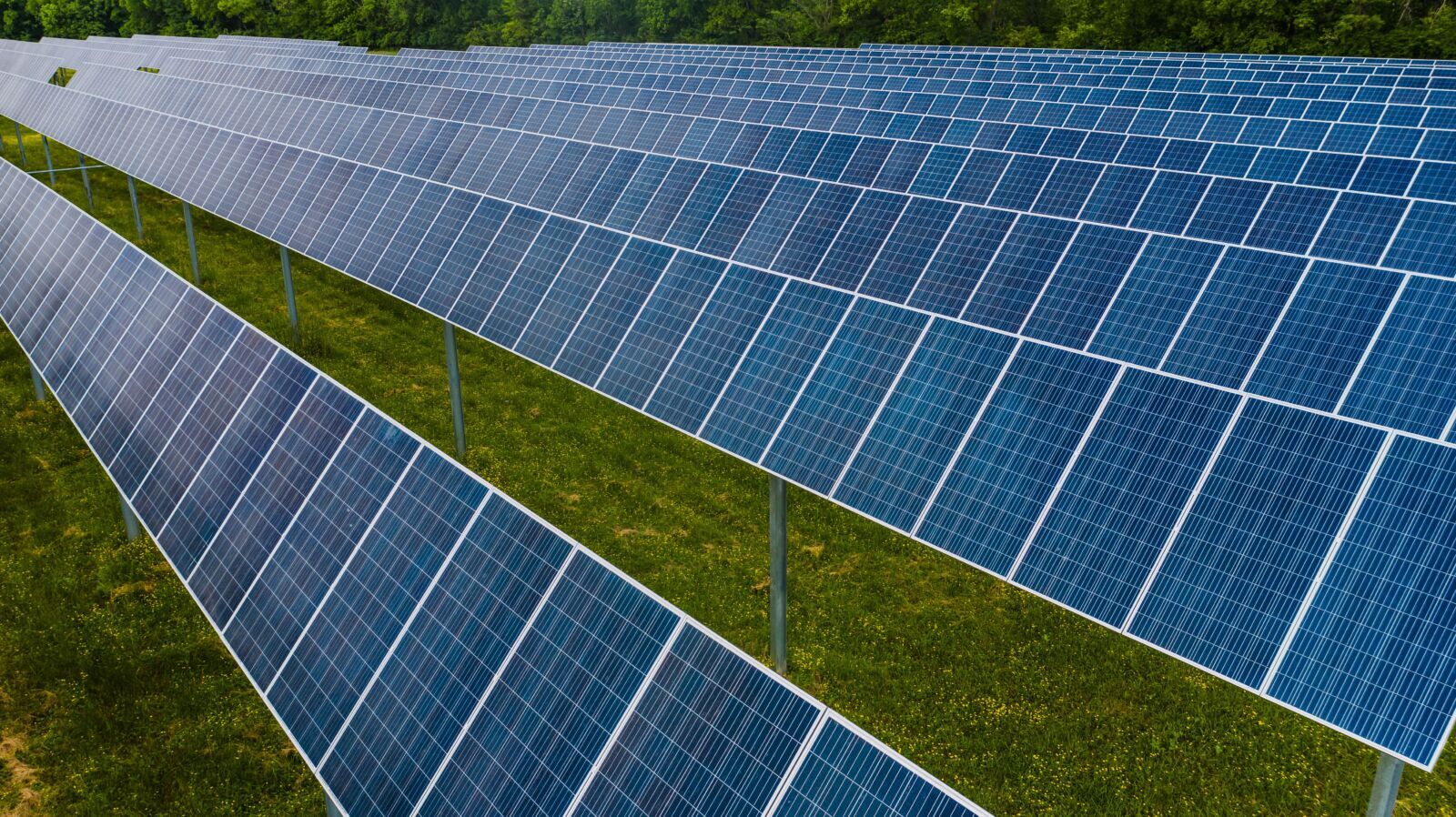
Africa's minigrid sector has received a significant equity investment, providing long-term capital to accelerate deployment of renewable electricity in underserved communities.
The funding arrives as developers seek patient capital to scale beyond pilot projects and meet growing electricity demand across the continent.
If deployed effectively, the investment could improve energy access, strengthen local economies and unlock broader private-sector participation in distributed renewable energy.
Patient Capital Powers Community Electricity
For millions of Africans living beyond the reach of national electricity grids, reliable power has often depended on whether financing reaches renewable energy developers before communities lose hope.
That equation is beginning to change.
Fresh equity investment flowing into Africa's minigrid sector marks an important milestone for decentralised renewable energy, providing developers with long-term growth capital rather than short-term debt.
The investment reflects growing investor confidence that minigrids are evolving into commercially viable infrastructure capable of delivering both financial returns and measurable social impact.
As governments pursue universal electricity access and climate commitments simultaneously, the latest investment signals that private capital increasingly views distributed renewable energy as an essential part of Africa's energy future.
Why Equity Matters More Than Debt
Unlike project loans that require immediate repayment, equity financing gives developers greater flexibility to expand operations, strengthen balance sheets and invest in new communities before generating stable revenues.
This distinction is particularly important for minigrid businesses, where customer acquisition, infrastructure deployment and long-term operations require patient investment.
According to the International Energy Agency (IEA), nearly 600 million people in sub-Saharan Africa still lack access to electricity.
Meanwhile, the World Bank estimates that minigrids could provide the least-cost electricity solution for approximately 380 million people globally, particularly in remote rural communities where extending national grids remains prohibitively expensive.
The sector has matured considerably over the past decade, supported by improving technologies, declining solar and battery costs, digital payment systems and more supportive regulatory environments.
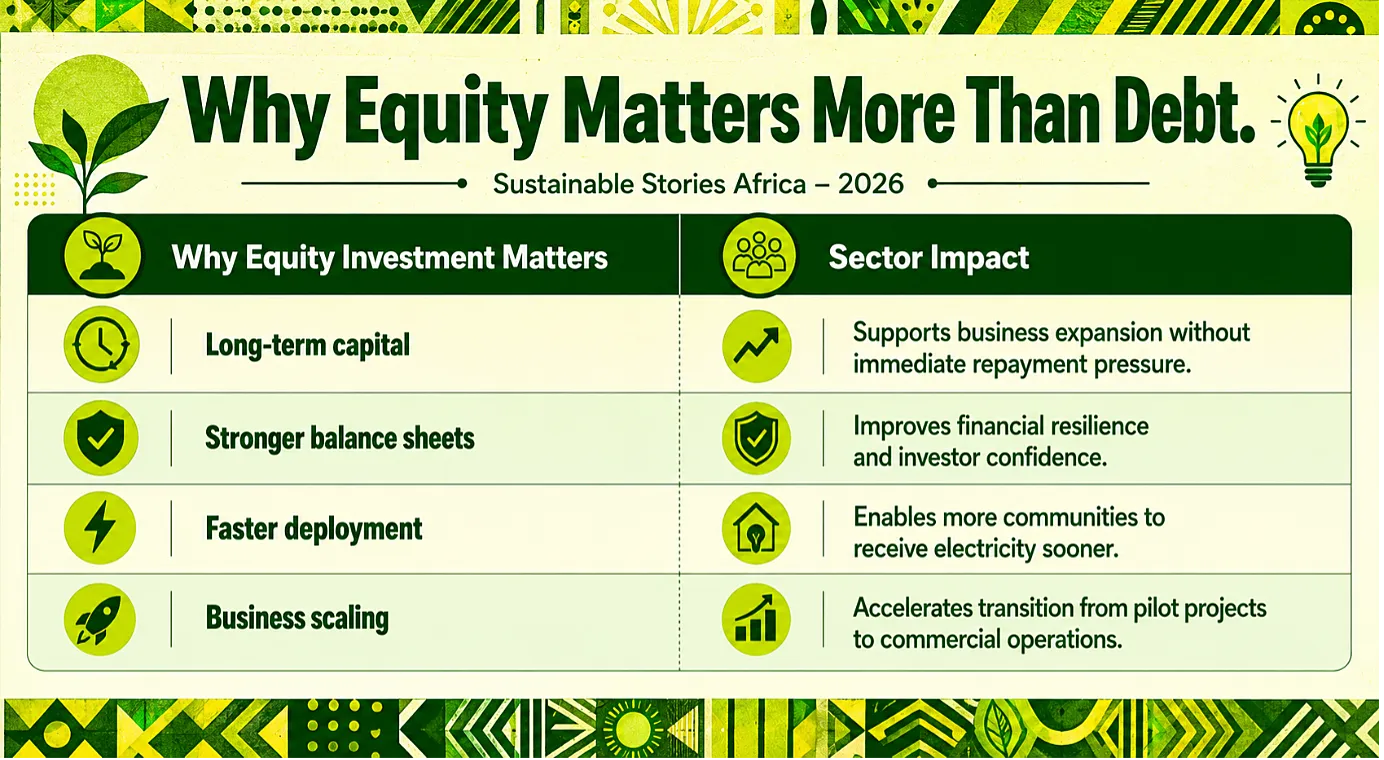
For investors, equity also demonstrates confidence in future growth rather than simply financing existing assets.
It aligns investors with developers' long-term success and encourages innovation across business models that serve underserved populations.
Communities Gain More Than Electricity
Every successful minigrid transforms more than an energy network.
- Reliable electricity enables clinics to preserve vaccines, schools to extend learning hours and small businesses to increase productivity.
- Farmers gain access to irrigation and food processing
- Entrepreneurs benefit from refrigeration, internet connectivity, and digital financial services.
The economic multiplier effect often extends far beyond the initial infrastructure investment.
Greater access to equity capital means developers can reach more communities while investing in customer service, system maintenance and productive-use technologies that improve long-term commercial sustainability.
- Without adequate equity financing, however, many developers face growth constraints despite strong demand.
- Limited capital can delay expansion, reduce innovation and slow progress toward universal energy access.
The latest investment therefore represents more than a financial transaction; it reinforces confidence that decentralised energy can become a mainstream component of Africa's electricity ecosystem.
Scaling Investment Alongside Infrastructure
While the new equity injection is encouraging, unlocking the sector's full potential will require sustained collaboration.
- Governments must continue to strengthen regulatory certainty, streamlining licensing processes and supporting cost-reflective tariffs where appropriate.
- Development finance institutions can help reduce investment risks through guarantees and blended finance structures.
- Commercial investors should increasingly recognise minigrids as resilient infrastructure assets rather than niche development projects.
Local financial institutions also have an opportunity to participate more actively by providing complementary debt financing once businesses mature.
The combination of patient equity, supportive policy and private-sector innovation can accelerate electrification while advancing climate resilience, economic inclusion and sustainable industrial development across Africa.
Path Forward – Patient Capital Builds Lasting Energy Access
Fresh equity investment demonstrates growing confidence that minigrids can deliver both commercial returns and measurable development outcomes across underserved African communities.
Maintaining this momentum will require predictable policies, blended finance partnerships and continued private-sector participation that enable decentralised renewable energy to scale as a core pillar of Africa's inclusive energy transition.
Culled From: Minigrids get much-needed equity investment