South Africa’s inflation rate climbed to 4.5% in May, reversing months of easing price pressures as higher fuel costs rippled through the economy.
The increase has revived concerns about household affordability, business costs and the future path of interest rates at a delicate moment for economic recovery.
For millions of South Africans, the return of fuel-driven inflation highlights how global energy shocks can quickly become local cost-of-living challenges.
The Return Of A Familiar Threat
Just months ago, South Africa appeared to be winning its battle against inflation. Food prices were moderating, inflation remained largely contained, and policymakers were beginning to see signs of greater price stability.
That narrative has shifted.
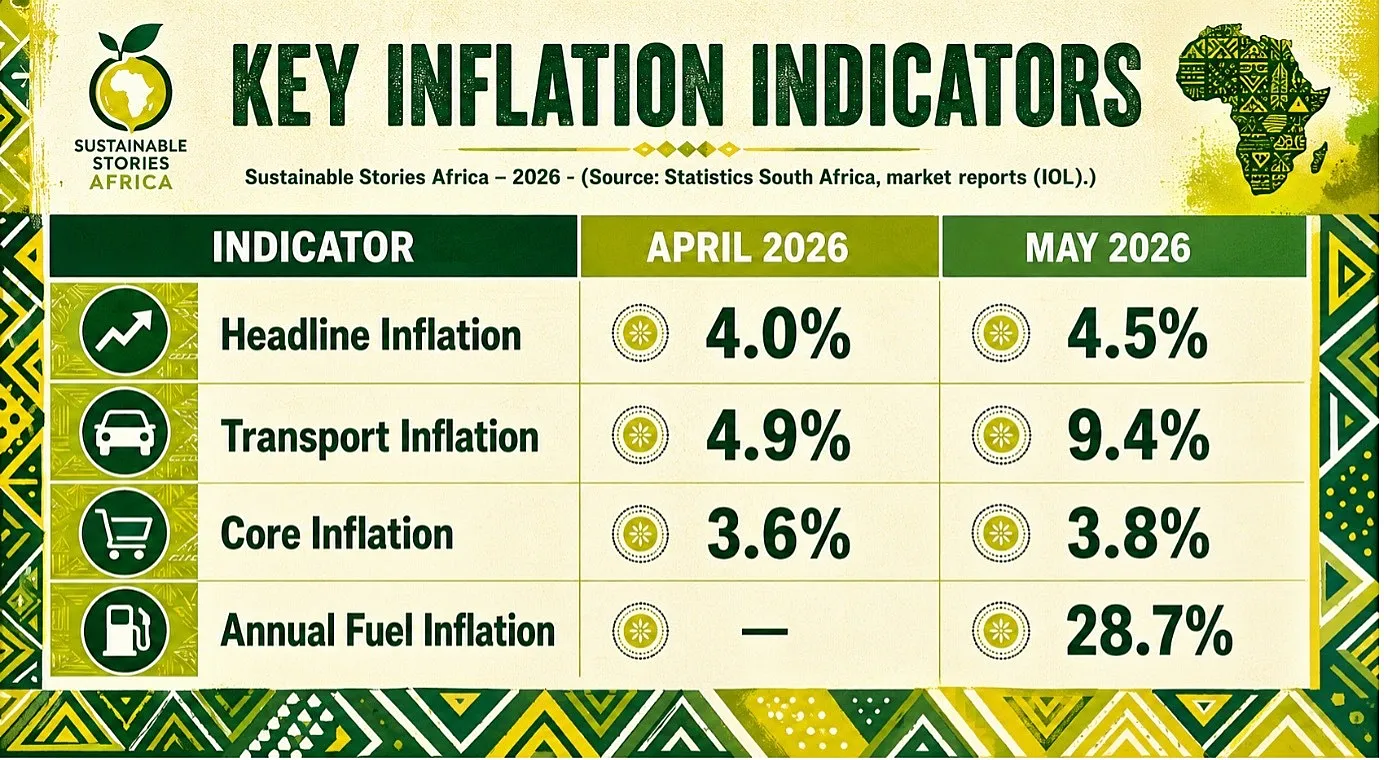
South Africa’s annual consumer inflation rate accelerated to 4.5% in May 2026, up from 4.0% in April, marking the highest reading since mid-2024.
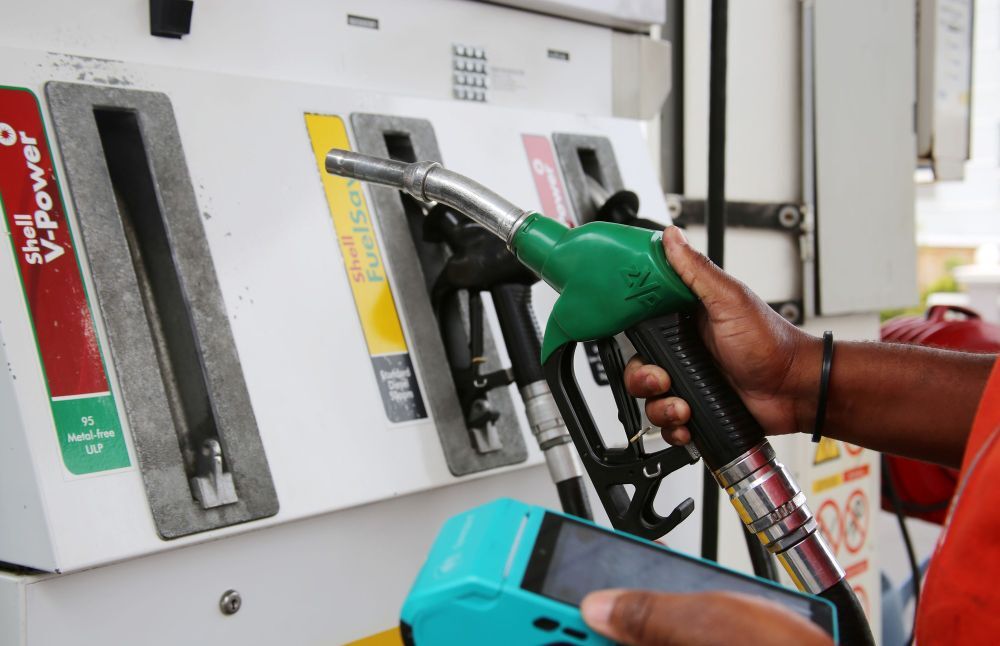
The increase was driven largely by surging fuel prices, which have filtered through transport, logistics and household spending across the economy.
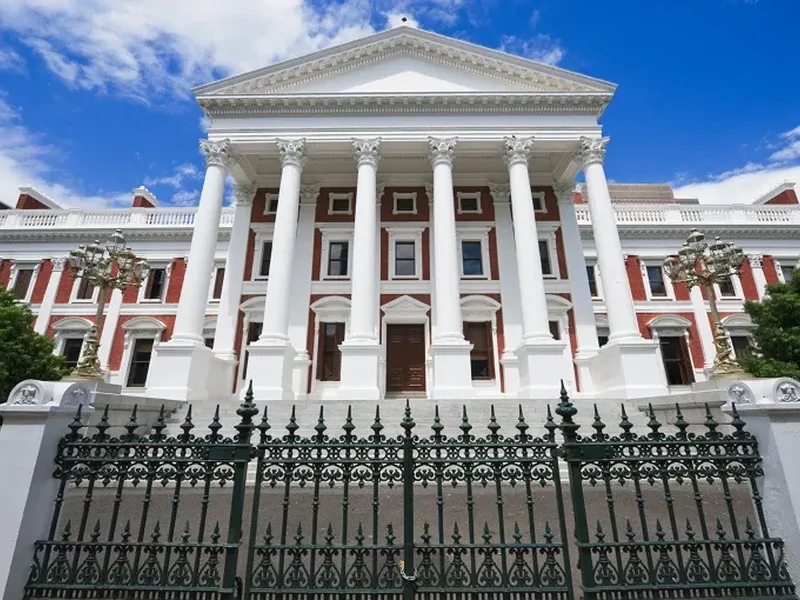
Although inflation remains within the South African Reserve Bank’s target range of 3% to 6%, the renewed upward trend has raised concerns that a period of relative stability may be ending.
Policymakers, investors and businesses are now watching closely to determine whether the latest increase represents a temporary energy shock or the beginning of broader inflationary pressures.
Global Energy Markets Reach Local Wallets
Behind the latest inflation figures lies a familiar reality for many fuel-importing African economies: exposure to global energy markets.
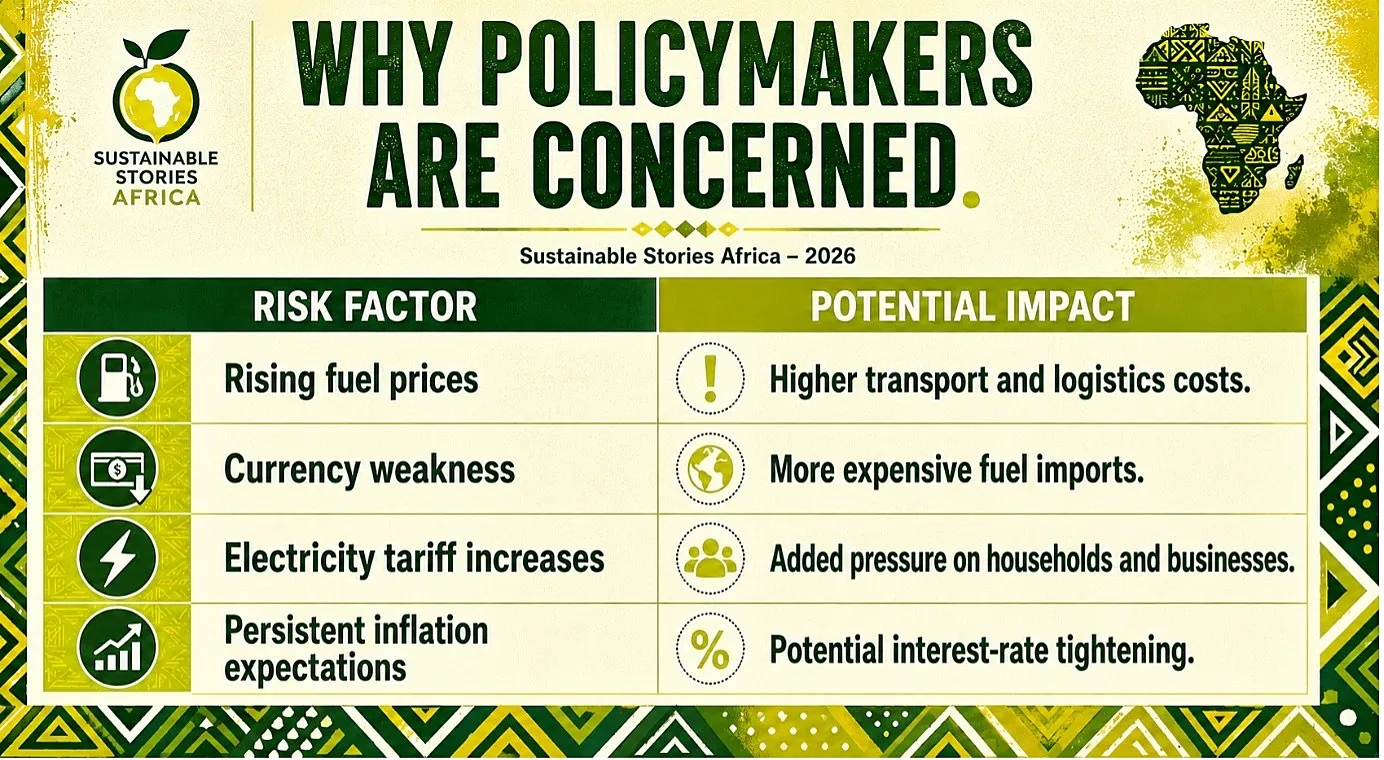
South Africa imports much of its fuel, making domestic prices highly sensitive to international oil movements, geopolitical tensions and currency fluctuations.
Recent disruptions in global energy markets pushed fuel costs sharply higher, with annual fuel inflation reaching 28.7% and transport inflation almost doubling to 9.4% in May.
For a commuter travelling daily between Soweto and Johannesburg, a logistics company moving goods across provinces, or a small retailer dependent on transport networks, higher fuel prices quickly become higher living and operating costs.
The challenge is compounded by labour market weakness.
South Africa’s unemployment rate recently rose to 32.7%, creating a difficult combination of rising prices and reduced income security for many households.
The South African Reserve Bank has repeatedly warned that fuel-driven inflation remains one of the biggest risks to its outlook.
Earlier this year, policymakers held rates steady while highlighting the inflationary impact of energy market disruptions and a weaker rand.
Building Greater Economic Resilience
Despite the latest inflation surge, there are reasons for cautious optimism.
The current pressure is largely energy-driven rather than the result of excessive domestic demand. That distinction matters because temporary shocks can ease if global oil markets stabilise and supply conditions improve.
Indeed, some analysts expect inflation to moderate later in the year if fuel costs retreat and food inflation remains contained.
In the long term, the episode reinforces the importance of strengthening energy resilience.
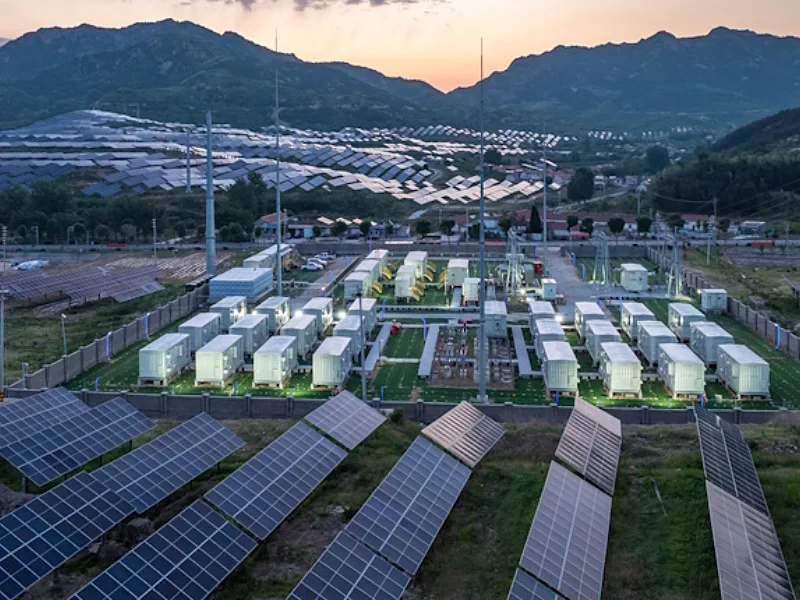
Greater investment in renewable energy, improved public transport systems, enhanced logistics efficiency and reduced dependence on imported fuel could help shield households and businesses from future external shocks.
- For investors, maintaining inflation stability supports confidence, preserves purchasing power and creates a more predictable environment for long-term capital allocation.
- For businesses, stable costs improve planning and competitiveness.
- For households, lower inflation means more disposable income and greater financial security.
The lesson extends beyond South Africa. Across Africa, fuel-importing economies continue to face similar vulnerabilities whenever global energy markets become unstable.
Turning Inflation Lessons Into Reform
The latest inflation figures should serve as a policy signal rather than a policy surprise.
- Government, regulators and private-sector leaders have an opportunity to accelerate reforms that reduce exposure to imported inflation.
- Energy diversification, infrastructure investment and stronger domestic supply chains can help cushion future shocks.
- Businesses can also strengthen resilience through energy-efficiency investments, smarter logistics management and improved risk planning.
- Financial institutions have a role to play by supporting investments that reduce long-term energy vulnerability.
For households, the immediate challenge remains managing rising transport and living costs.
For policymakers, the larger task is ensuring that temporary shocks do not evolve into a sustained inflation cycle.
Path Forward – Resilience Through Energy And Reform
South Africa’s inflation outlook will depend heavily on the trajectory of global fuel markets and the ability of policymakers to prevent fuel shocks from spreading across the broader economy.
Maintaining inflation credibility while supporting growth will remain a delicate balancing act.
The longer-term solution lies in building a more energy-resilient economy through diversification, infrastructure investment and sustainable growth policies that reduce vulnerability to external shocks while improving affordability for households and businesses alike.
Culled From: South Africa’s inflation concern returns as fuel prices push costs higher again - Businessfront