A slowdown in global climate finance is beginning to ripple through Africa’s renewable energy startup ecosystem.
Venture investors are becoming more cautious amid rising interest rates and shifting capital priorities.
For startups building mini-grids, solar solutions and energy technologies, the funding pullback could determine whether Africa’s energy transition accelerates or stalls at a critical moment.
Africa’s Green Startup Boom Faces Funding Test
Africa’s renewable energy startup sector is confronting a new challenge: a pullback in global green funding that threatens to slow the continent’s clean energy momentum.
After years of rapid growth fueled by climate-focused venture capital and development finance, investors are becoming more cautious with tightening global economic conditions.
The shift is raising concerns among entrepreneurs and energy experts that early-stage renewable companies, many of which are developing solar mini-grids, battery technologies and off-grid energy systems, could face a capital squeeze just as demand for clean electricity is surging across the continent.
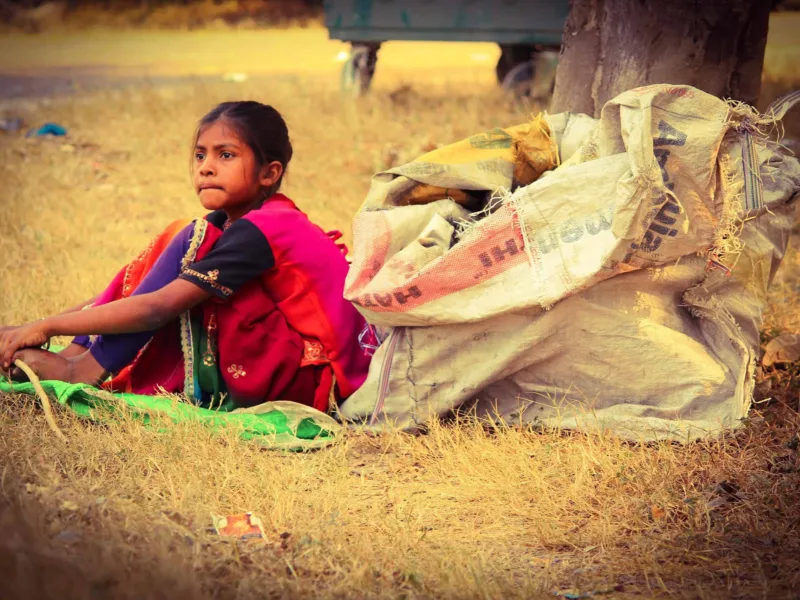
Africa remains home to more than 600 million people without reliable electricity, making the region one of the world’s largest potential markets for distributed renewable energy solutions.
Yet many of the companies pioneering these technologies rely heavily on venture funding, grants and blended finance structures to scale their operations.
If funding slows significantly, analysts warn, the continent’s progress toward universal electricity access and climate-resilient energy systems could face delays.
Why Green Investment Flows Are Tightening
The global climate finance landscape has shifted in recent years.
Higher interest rates, macroeconomic uncertainty and changing investor priorities have made capital more expensive, prompting some venture investors to reduce exposure to high-risk early-stage ventures.
Renewable startups, particularly those operating in emerging markets, are often among the most affected.
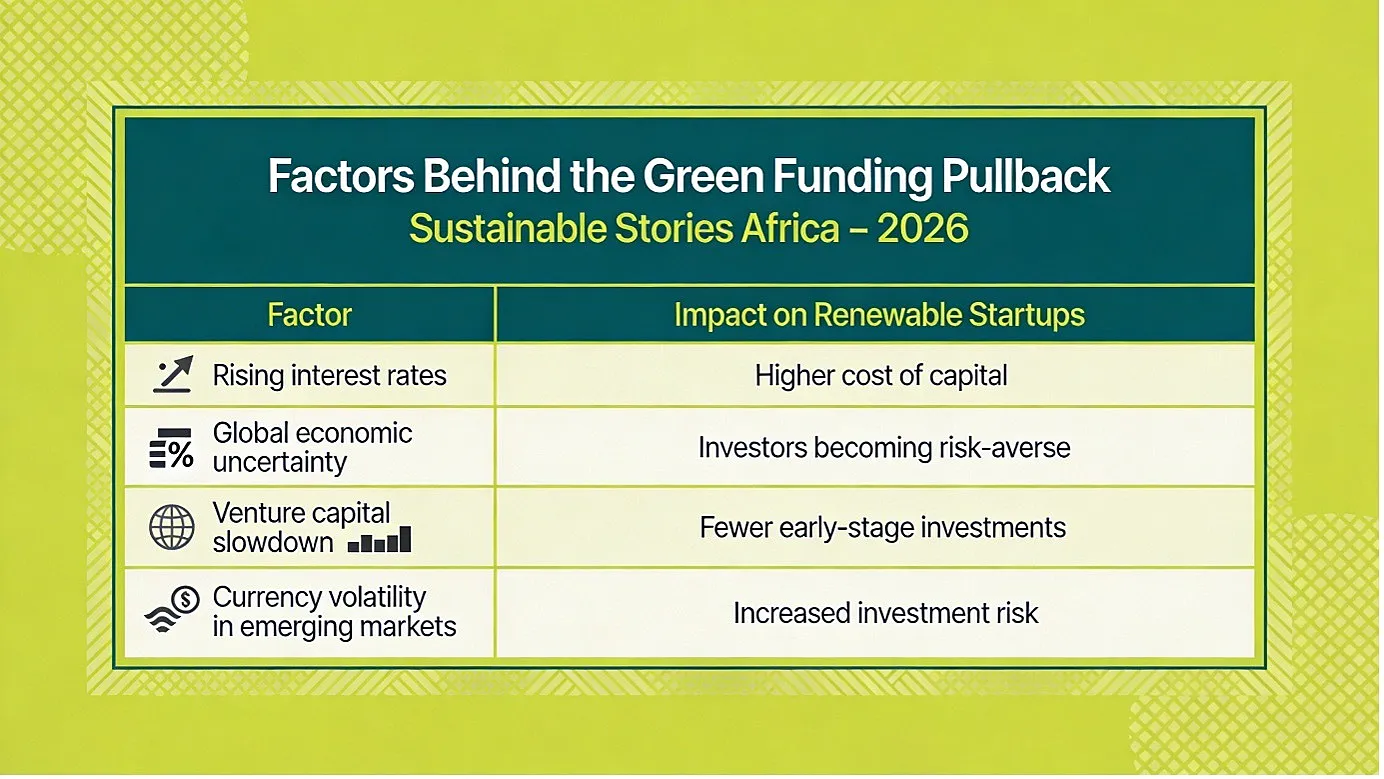
Factors Behind the Green Funding Pullback
Factor | Impact on Renewable Startups |
|---|---|
Rising interest rates | Higher cost of capital |
Global economic uncertainty | Investors becoming risk-averse |
Venture capital slowdown | Fewer early-stage investments |
Currency volatility in emerging markets | Increased investment risk |
In Africa, where many energy startups are pioneering new business models such as pay-as-you-go solar systems and community mini-grids, access to patient capital is essential.
These companies often operate in challenging environments with high infrastructure costs, regulatory complexity and long project development timelines.
Despite these obstacles, renewable energy startups have become some of the most innovative players in Africa’s energy sector.
Companies across Kenya, Nigeria, Rwanda and Ghana have demonstrated that distributed solar technologies can deliver electricity faster and more affordably than traditional grid expansion in many rural areas.
Why Africa’s Renewable Innovation Still Matters
Even as funding tightens, the long-term case for renewable energy startups in Africa remains strong.
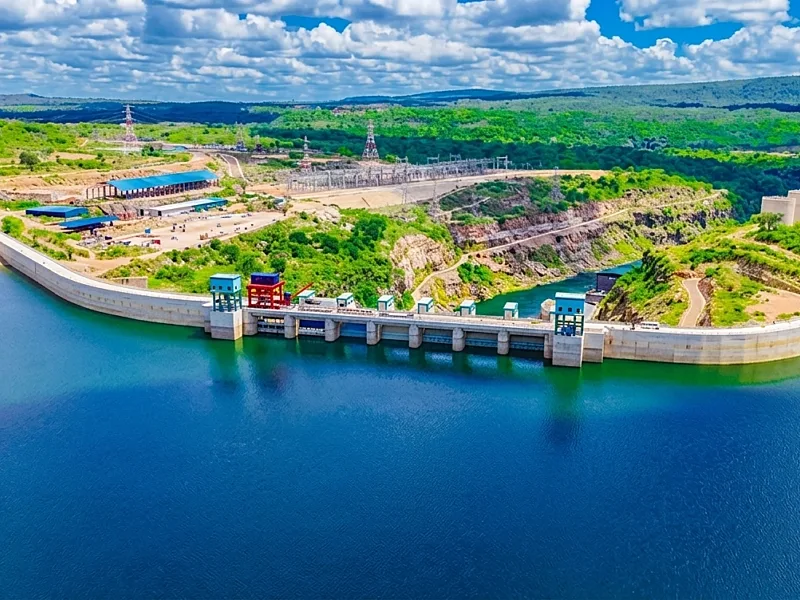
The continent has some of the world’s highest solar radiation levels, vast wind resources and growing electricity demand driven by population growth and urbanisation.
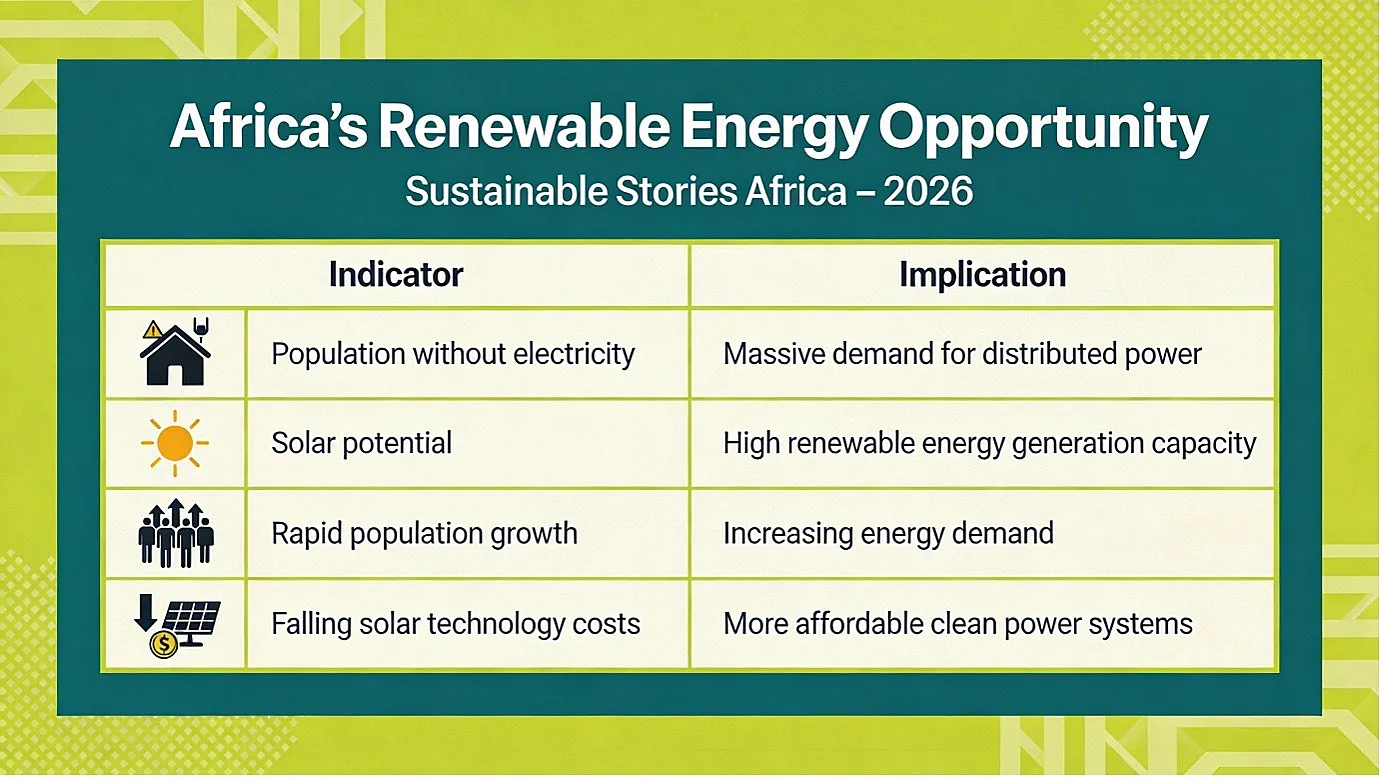
Africa’s Renewable Energy Opportunity
Indicator | Implication |
|---|---|
Population without electricity | Massive demand for distributed power |
Solar potential | High renewable energy generation capacity |
Rapid population growth | Increasing energy demand |
Falling solar technology costs | More affordable clean power systems |
Renewable startups are already helping to bridge Africa’s energy access gap.
Solar home systems power households in remote villages, mini grids electrify small towns, and battery systems enable reliable energy storage for communities previously dependent on diesel generators.
These innovations are not only climate solutions, but also economic development engines.
Reliable electricity enables rural businesses to operate longer hours, improves healthcare services and supports digital connectivity across underserved regions.
If funding returns and policy frameworks strengthen, Africa’s renewable startup ecosystem could become a global model for distributed energy innovation.
Mobilising Capital for Africa’s Energy Entrepreneurs
Experts say the current funding slowdown highlights the need for more resilient climate finance structures that support energy startups through economic cycles.
Blended finance models, combining public funds, philanthropic capital and private investment, are increasingly seen as critical to sustaining Africa’s renewable energy ecosystem.
To strengthen investment flows, policymakers and financial institutions are being urged to:
- Expand climate finance guarantees and risk-sharing mechanisms
- Support local venture funds focused on clean energy innovation
- Strengthen regulatory frameworks for distributed energy systems
- Increase development bank financing for energy access startups
For investors, the opportunity remains significant.
Africa’s renewable energy sector could become one of the fastest-growing markets in the global energy transition, provided early-stage innovators have access to the capital needed to scale their solutions.
Without that support, the continent risks slowing progress toward universal electricity access and climate-resilient development.
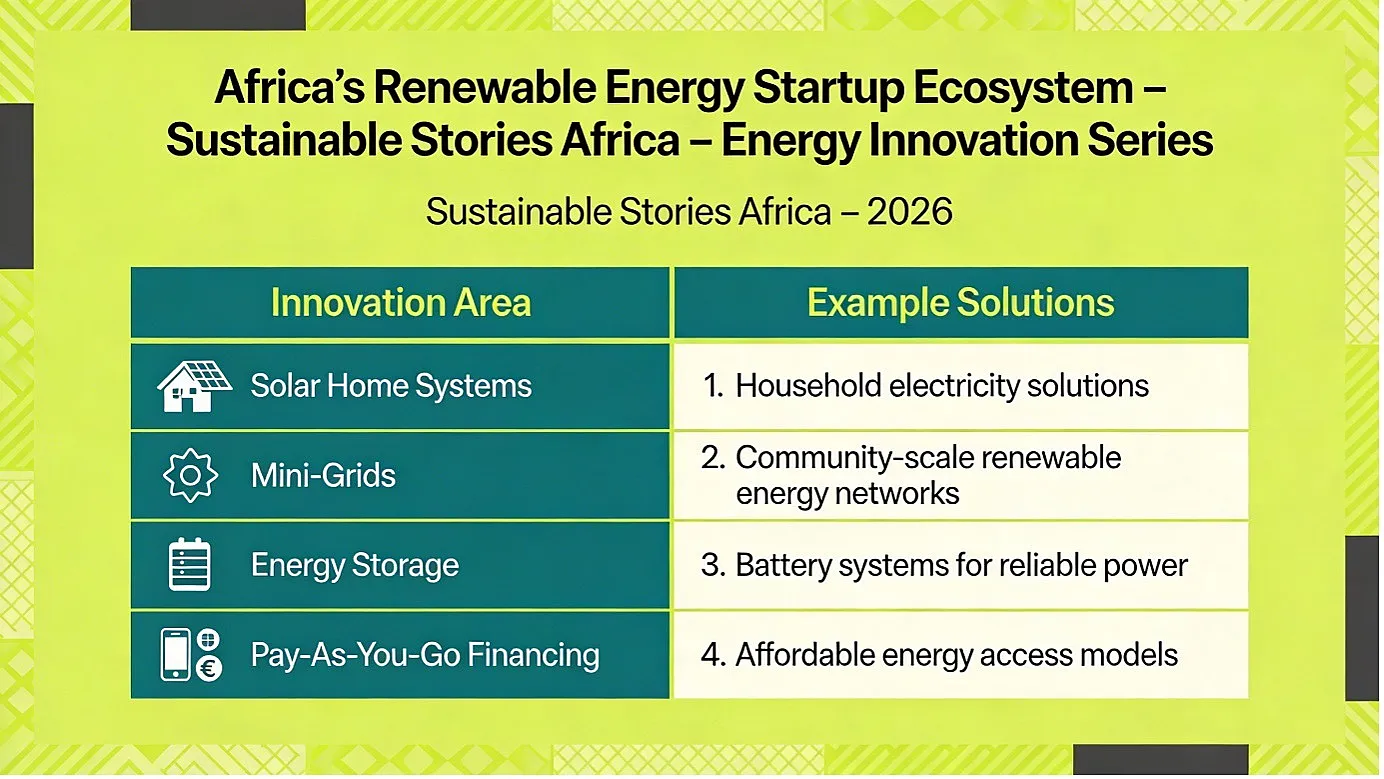
Africa’s Renewable Energy Startup Ecosystem – Sustainable Stories Africa – Energy Innovation Series
Innovation Area | Example Solutions |
|---|---|
Solar Home Systems | Household electricity solutions |
Mini-Grids | Community-scale renewable energy networks |
Energy Storage | Battery systems for reliable power |
Pay-As-You-Go Financing | Affordable energy access models |
Path Forward – Reigniting Investment for Africa’s Energy Future
Africa’s renewable energy startups remain essential to closing the continent’s electricity access gap. While global funding cycles fluctuate, the underlying demand for clean, affordable power continues to grow.
Strengthening climate finance partnerships and expanding blended funding models will be critical to sustaining innovation. With the right investment frameworks, Africa’s energy entrepreneurs can continue driving the transition toward resilient, low-carbon electricity systems that power inclusive economic growth.
Culled From: Green funding pullback: What's at stake for renewable startups in Africa - Energy in Africa