A renewed shock in the Strait of Hormuz is raising fears of another wave of inflation across Africa.
Businessfront warns that fuel-import-dependent economies are most exposed, especially where weak currencies, road-based food transport and high debt already pressure households.
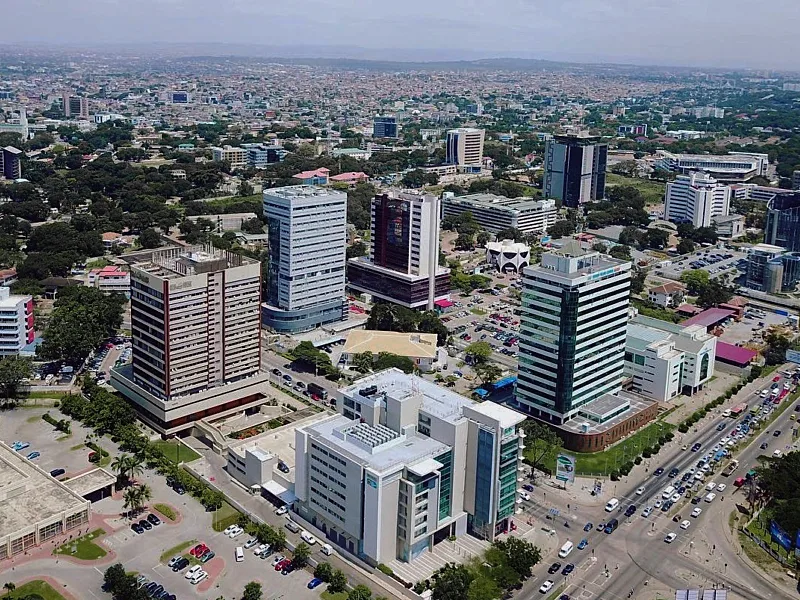
The hardest-hit markets could include Kenya, Ghana, Nigeria and South Africa, where oil prices quickly enter into transport, food and living costs.
A Shipping Shock Becomes Household Pain
Africa’s next inflation shock may not start in a supermarket, a farm or a central bank. It may start in the Strait of Hormuz.
Businessfront’s latest analysis warns that “Hormuzflation”, inflation triggered by disruptions on the world’s most important oil transit route, could hit African economies hardest, where fuel imports, weak currencies and high food transport costs collide.
The concern is simple: when global oil prices rise, African consumers often feel it first through petrol, diesel, transport fares, food prices and imported goods.
The most exposed economies are not only those without oil. They are countries where fuel is imported, currencies are fragile, debt costs are high, and food moves mainly by road.
That places Kenya, Ghana, Nigeria and South Africa among the economies facing the sharpest pressure.
Why Some Economies Are More Exposed
The Strait of Hormuz matters because it is a critical route for global oil and gas flows.
When disruption raises energy prices, the impact travels quickly through Africa’s import bills, exchange rates and supply chains.
For fuel-importing countries, the first pressure point is the balance of payments. More dollars are needed to import the same volume of fuel.
If the local currency weakens, the cost rises again. Then transporters adjust fares, food distributors raise prices, and businesses pass higher logistics costs to consumers.
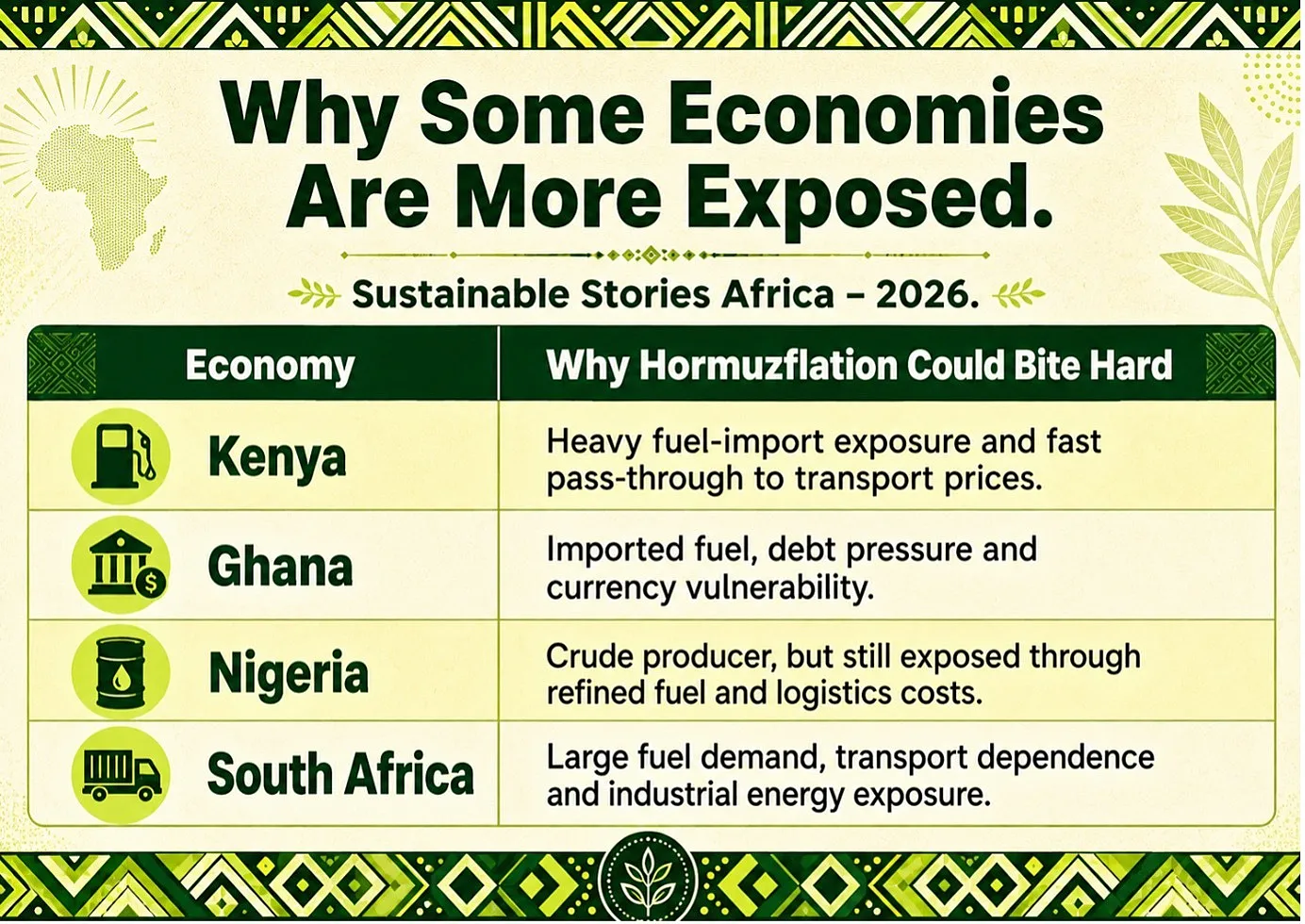
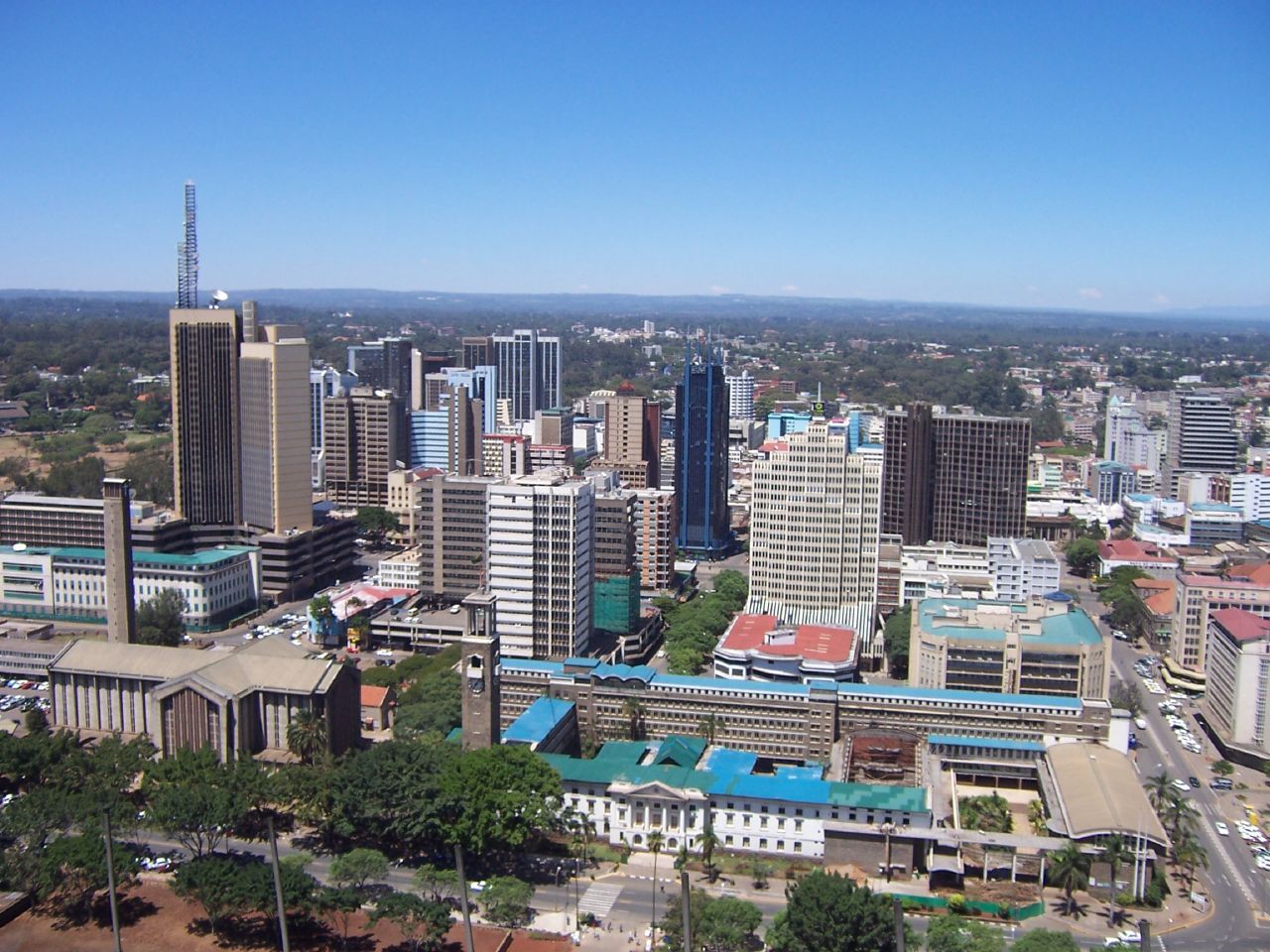
Kenya is especially vulnerable because fuel shocks quickly move into daily life. Higher diesel prices can affect matatus, food distribution, farm inputs and urban commuting.
Ghana faces a similar squeeze in which imported fuel, debt-service obligations and currency weakness can reinforce each other.
Nigeria’s case is more complicated. Higher crude prices may support export earnings; however, domestic households can still suffer if refined fuel, transport and food logistics become more expensive.
South Africa, with its industrial base and large transport system, faces pressure through fuel, freight and production costs.
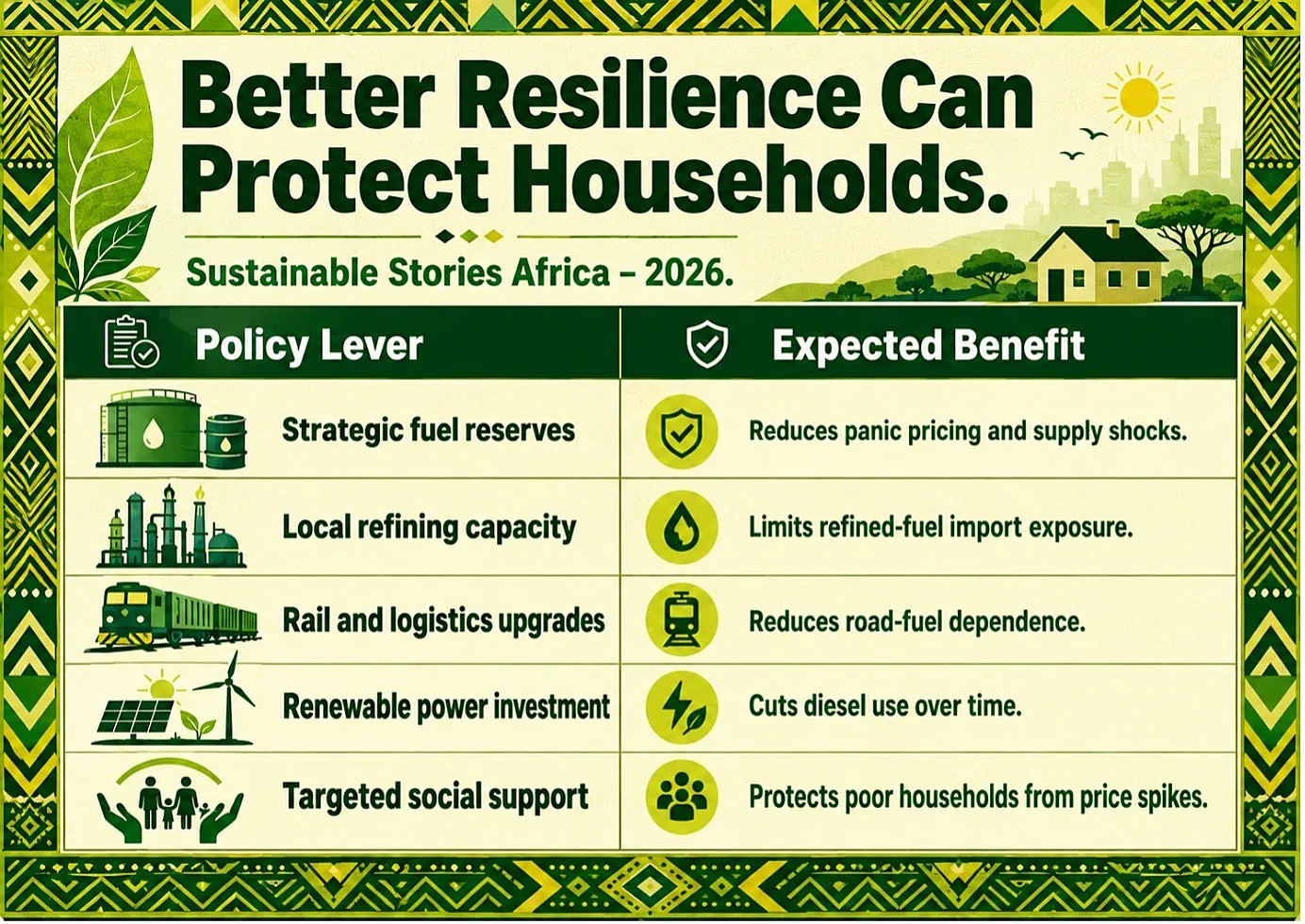
Better Resilience Can Protect Households
The opportunity is to treat this shock as a warning, not just a crisis.
African economies can reduce exposure by strengthening local refining, improving public transport, expanding rail freight, investing in renewable energy and building better fuel reserves. These are not quick fixes; however, they can reduce the cycle where global shocks become domestic hardship.
- For households, the issue is not abstract. A fuel shock can mean higher bus fares, smaller food baskets and tighter school-fee budgets.
- For small businesses, it can mean higher generator costs, thinner margins and delayed expansion.
If governments act early, Hormuzflation can trigger smarter energy security. If they wait, it becomes another cost-of-living crisis.
Governments Must Move Before Prices Spread
The policy response should be fast, targeted and disciplined.
Central banks will need to watch second-round inflation; however, monetary tightening alone cannot solve an imported fuel shock.
Finance ministries should avoid blanket subsidies that weaken budgets, while still protecting vulnerable households through targeted transport, food or cash support measures.
Energy ministries should accelerate fuel storage planning, refinery reliability, renewable deployment and transport efficiency. Trade and agriculture agencies must monitor fertiliser, food imports and logistics routes because energy shocks can quickly become food shocks.
For investors and businesses, the message is also clear: energy volatility is now a boardroom risk.
Companies should review logistics exposure, fuel contracts, inventory buffers and alternative power options before the next price surge hits.
Path Forward – Build Shock-Resistant African Economies
Hormuzflation shows why African resilience must go beyond inflation control.
Energy security, logistics reform, cleaner power and currency stability now belong in the same policy conversation.
The priority is to protect households while reducing structural dependence on imported fuel.
Countries that invest in local refining, renewable power, rail freight and targeted safety nets will be better prepared for the next global shock.
Culled From: Hormuzflation: What African economies are hit the most, and why? - Businessfront