HSBC has launched a $4 billion credit facility to support mainland Chinese companies expanding in clean power, electric vehicles, AI and data centres.
The move comes as global demand for transition technologies accelerates and China’s manufacturers seek wider international markets.
For Africa and other emerging markets, the facility could shape access to cheaper clean technologies, but also deepen competition over finance, standards and industrial value.
A New Credit Line For Transition Giants
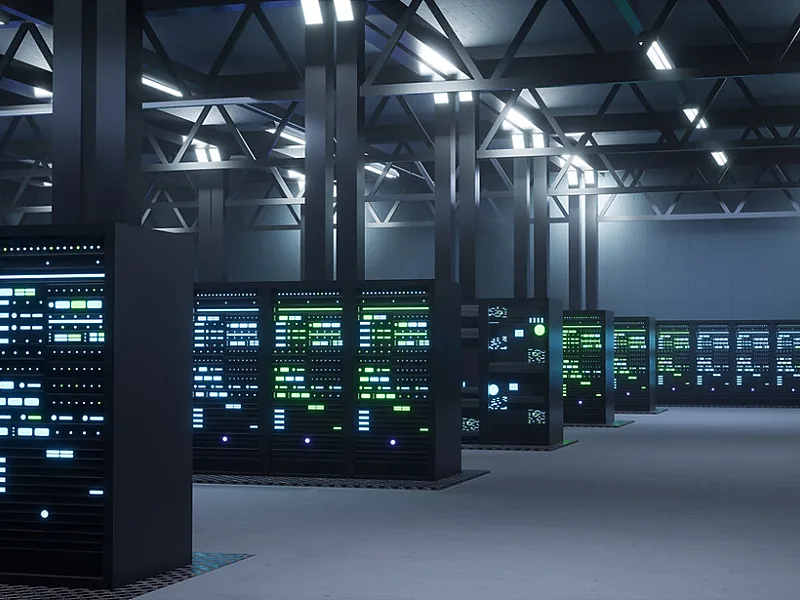
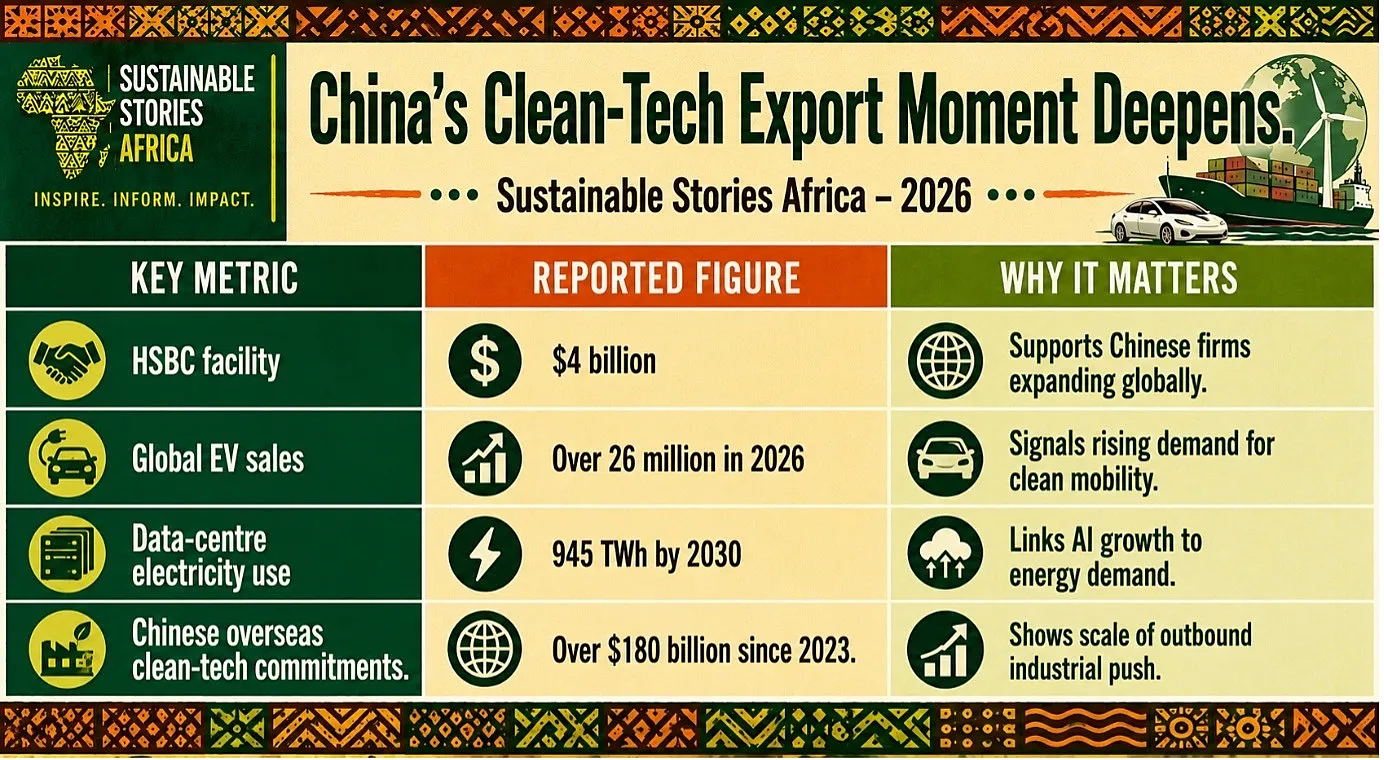
HSBC has launched a dedicated $4 billion Sustainability and Transition Credit Facility to help mainland Chinese clean technology companies scale globally, targeting firms in clean power, electric vehicles, artificial intelligence and data centres.
The bank said the facility will offer eligible companies extended credit terms, faster approvals and tailored financing solutions, placing banking capital behind one of the most important industrial shifts in the global energy transition.
The announcement matters because China is already the world’s largest exporter of solar and battery technology, while its EV, battery, and clean manufacturing firms are increasingly shaping the cost and speed of decarbonisation in global markets.
China’s Clean-Tech Export Moment Deepens
The facility arrives at a moment when clean technology is no longer a niche sustainability story. It is now trade policy, industrial strategy and climate finance in one package.
HSBC research cited by Reuters projects global EV sales will exceed 26 million in 2026, while the International Energy Agency estimates electricity use by data centres could nearly double to 945 terawatt-hours by 2030.
For African markets, the implications are practical. Cheaper solar panels, batteries, EVs and digital infrastructure can help reduce energy poverty, expand distributed power and support low-carbon industrialisation.
However, access is not automatic. Countries still need bankable projects, stronger procurement systems, local skills and policies that avoid becoming only end markets for imported technology.
Lower Costs Could Unlock Cleaner Growth
If deployed well, facilities like HSBC’s can accelerate the global spread of transition technologies.
- A factory in China that receives working-capital support may be able to export battery systems more quickly.
- A renewable-energy supplier may enter new markets with stronger financing. An EV supply chain company may serve cities trying to cut fuel dependence.
That matters for the Global South. Many African economies need affordable clean power, resilient grids, electric mobility options and modern data infrastructure.
Lower-cost technology can support climate goals while creating opportunities for assembly, maintenance, logistics and technical jobs.
The risk is that global clean-tech finance could widen industrial inequality if African markets remain buyers rather than builders.
Without local-content strategies, skills development and regional manufacturing, the transition may reduce emissions but leave limited domestic value.
Finance Must Build Local Capacity
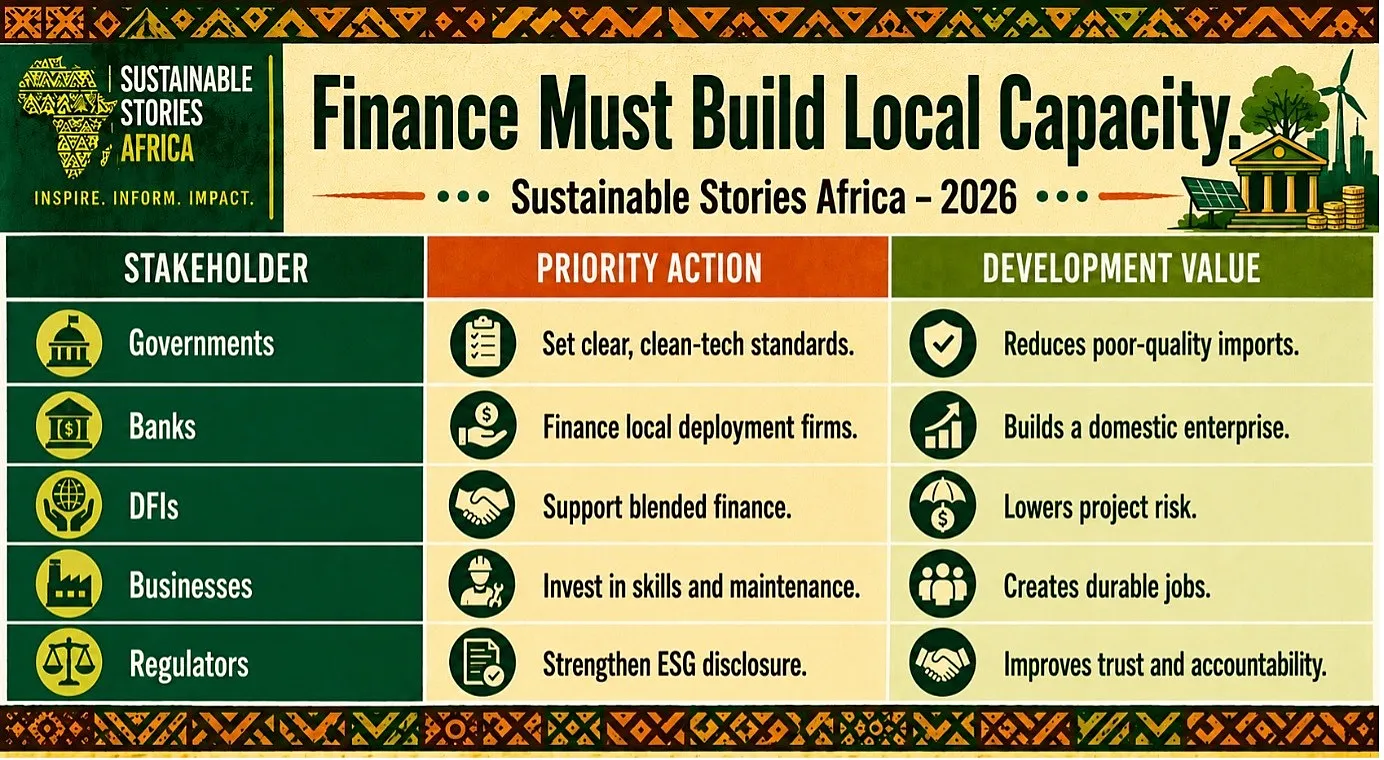
HSBC’s move should push policymakers, financiers and development institutions to ask a sharper question: who captures the value of the clean-tech boom?
- African governments need to pair clean-technology imports with industrial policy, standards, local installation capacity and transparent procurement.
- Banks and DFIs should finance not only equipment purchases, but also local developers, mini-grid companies, battery maintenance firms, EV charging operators and data-centre energy solutions.
Path Forward – Make Clean Tech Finance Inclusive
HSBC’s facility shows that transition finance is scaling around technology, trade and industrial reach, not only emissions targets.
For African markets, the priority is clear: attract clean technologies while building local value chains, stronger ESG rules and bankable projects that convert global capital into jobs, resilience and sustainable growth.
Culled From: HSBC Launches $4 Billion Credit Facility to Scale Chinese Clean Tech, EV and AI Companies Globally