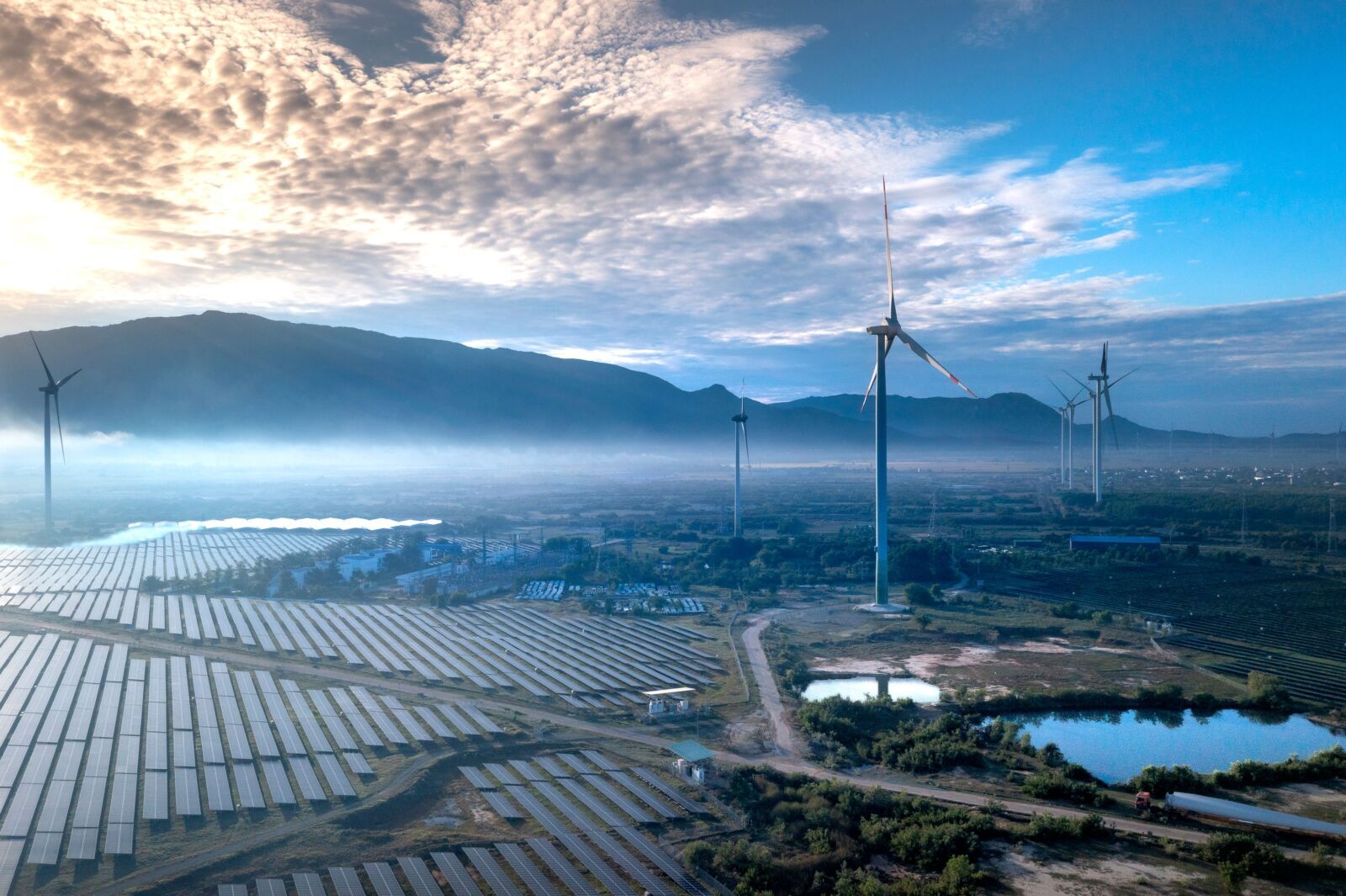
Africa's renewable energy market is increasingly embracing hybrid projects that combine multiple technologies into integrated power systems.
The trend reflects growing demand for electricity that is both clean and reliable as economies industrialise.
For investors, businesses and communities, hybrid systems could become the bridge between rapid renewable expansion and dependable economic growth.
Africa's Energy Transition Enters Its Next Phase
Africa's renewable energy story is no longer defined solely by megawatts of solar panels or wind turbines.
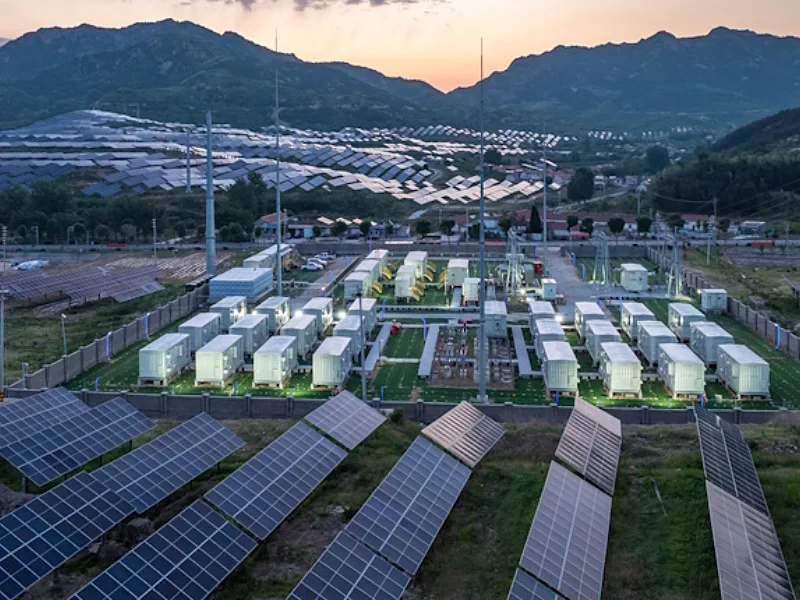
Increasingly, the continent is investing in projects that combine solar generation, battery storage and other complementary technologies into hybrid systems capable of delivering more reliable electricity.
Recent project announcements across several African markets suggest developers are placing greater emphasis on reliability alongside decarbonisation.
Rather than building standalone renewable assets, project developers are designing integrated systems that can supply electricity more consistently to industries, businesses and national grids.
The shift comes at a pivotal moment as electricity demand continues to grow across Africa while governments pursue energy security, industrial development and climate commitments simultaneously.
Reliability Is Becoming The Competitive Advantage
Hybrid renewable projects address one of the biggest challenges facing modern electricity systems: balancing intermittent renewable generation with continuous demand.
Battery storage enables excess daytime solar generation to be used after sunset, while integrated system designs improve grid stability and reduce dependence on expensive diesel generators or fossil-fuel peaking plants.
The commercial opportunity is becoming increasingly evident. Large electricity consumers, including mining companies, manufacturers, ports, telecommunications operators and commercial estates, are seeking cleaner power without sacrificing operational reliability.
Countries including Egypt and South Africa continue attracting significant renewable investment because of supportive procurement programmes, improving regulatory frameworks and expanding private-sector participation.
Elsewhere, Botswana, Namibia, Kenya and other markets are positioning themselves to capture growing investor interest by modernising electricity infrastructure and encouraging independent power production.
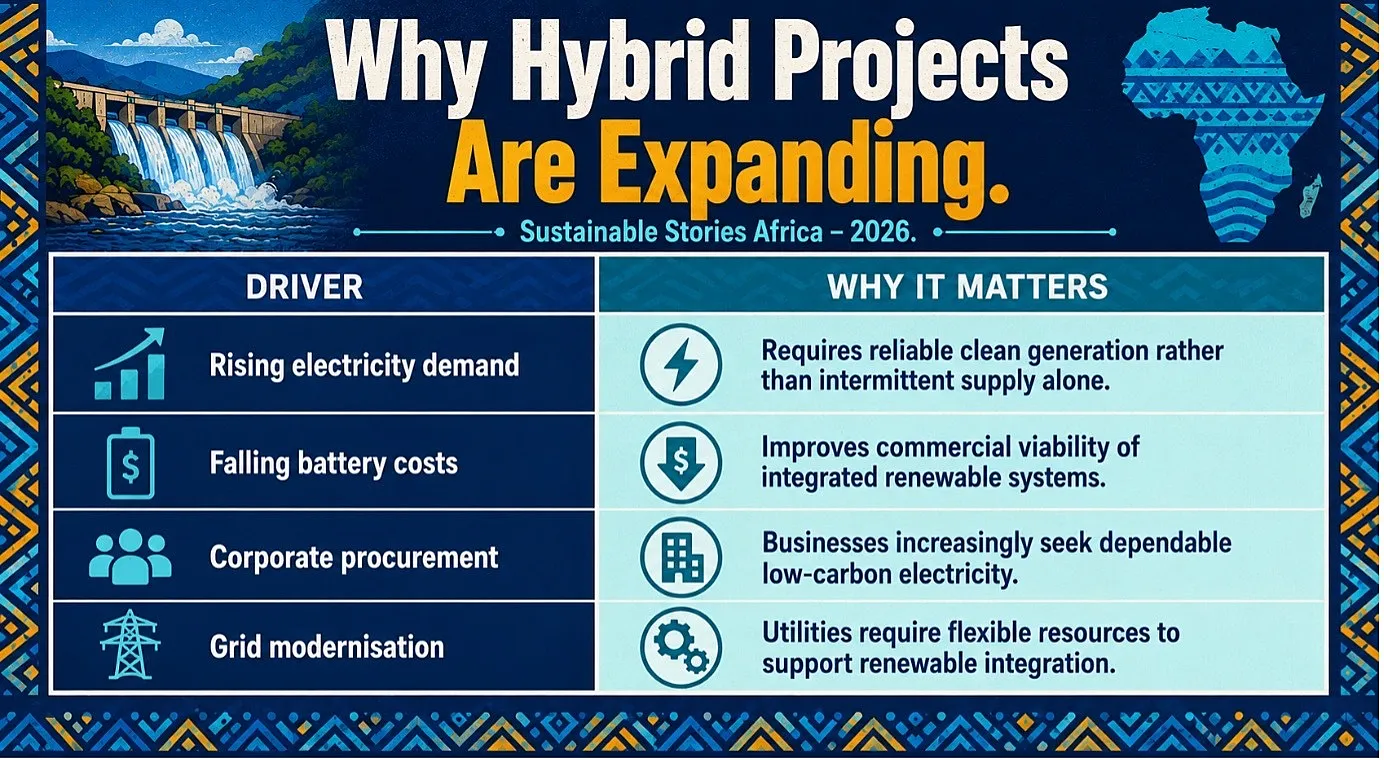
For African economies, the implications extend beyond electricity generation.
Reliable renewable power improves industrial productivity, supports digital infrastructure and reduces exposure to volatile fossil fuel prices.
Smarter Systems Can Deliver Inclusive Growth
Hybrid renewable systems offer an opportunity to move beyond the traditional trade-off between sustainability and reliability.
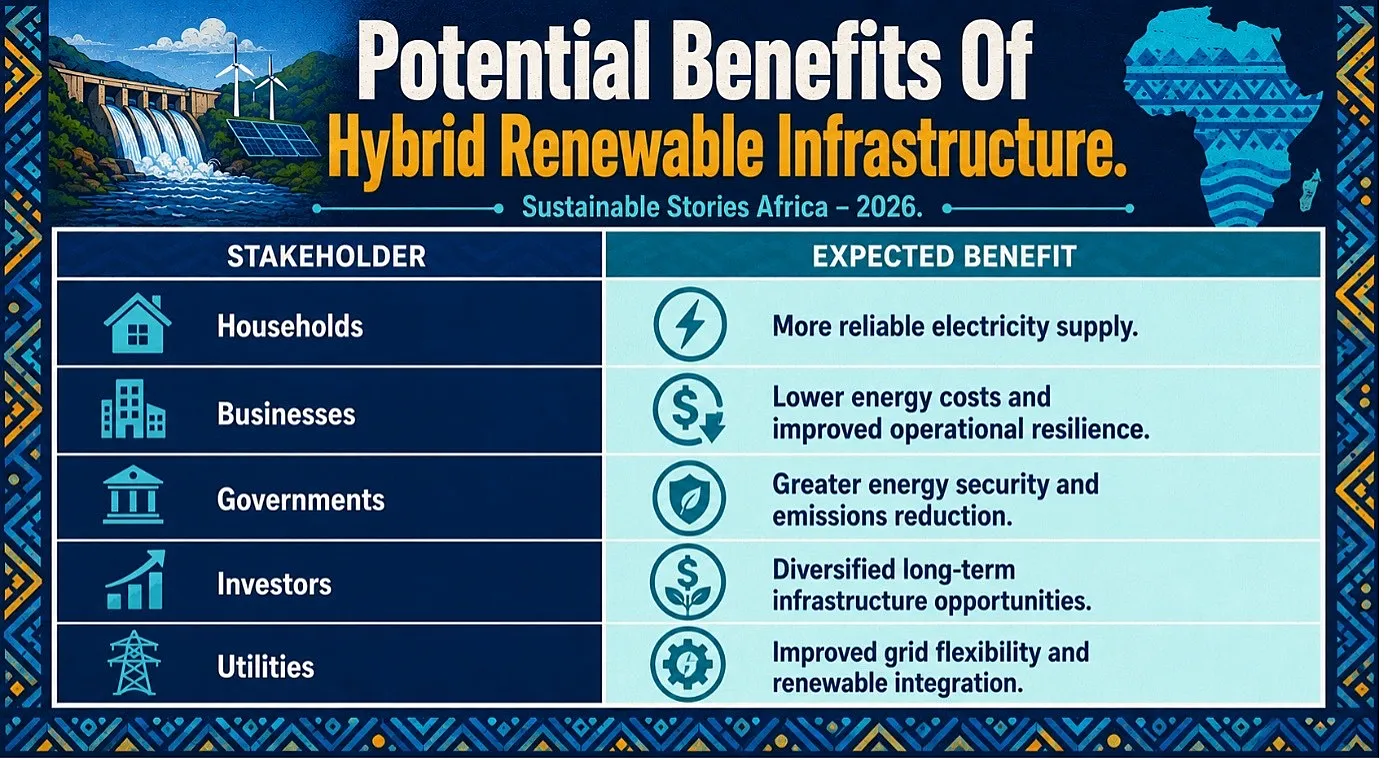
Communities benefit from more dependable electricity, businesses gain greater operational certainty, while governments strengthen energy security without increasing carbon emissions.
The transition also creates opportunities for local manufacturing, engineering services, operations and maintenance, digital energy management and workforce development.
These activities can stimulate domestic value chains rather than limiting economic benefits to electricity generation alone.
However, scaling hybrid infrastructure successfully will require continued investment in transmission networks, flexible market regulations, energy storage deployment and regional electricity trade.
Policy Must Match Technological Progress
Technology alone will not determine Africa's energy future.
Governments, regulators and development finance institutions must create;
- Investment environments that reward flexible renewable infrastructure alongside generation capacity.
- Competitive procurement frameworks, predictable regulation, transmission expansion and regional power-market integration will all be essential.
Private capital also has a critical role to play.
- Long-term financing mechanisms that recognise the value of reliability, resilience and system flexibility can accelerate deployment while lowering financing costs for developers.
If these conditions are met, hybrid renewable systems could become one of the defining features of Africa's next generation of energy infrastructure, supporting industrialisation, expanding electricity access and advancing climate objectives simultaneously.
Path Forward – Building Flexible Grids For Tomorrow
Africa's clean energy transition is becoming more sophisticated, with reliability emerging as a defining investment priority.
The next phase requires coordinated investment in hybrid renewable infrastructure, modern electricity grids and supportive regulation that enables sustainable economic growth while strengthening resilience across African energy markets.
Culled From: Projects overview: A quarter of June pipeline is hybrid