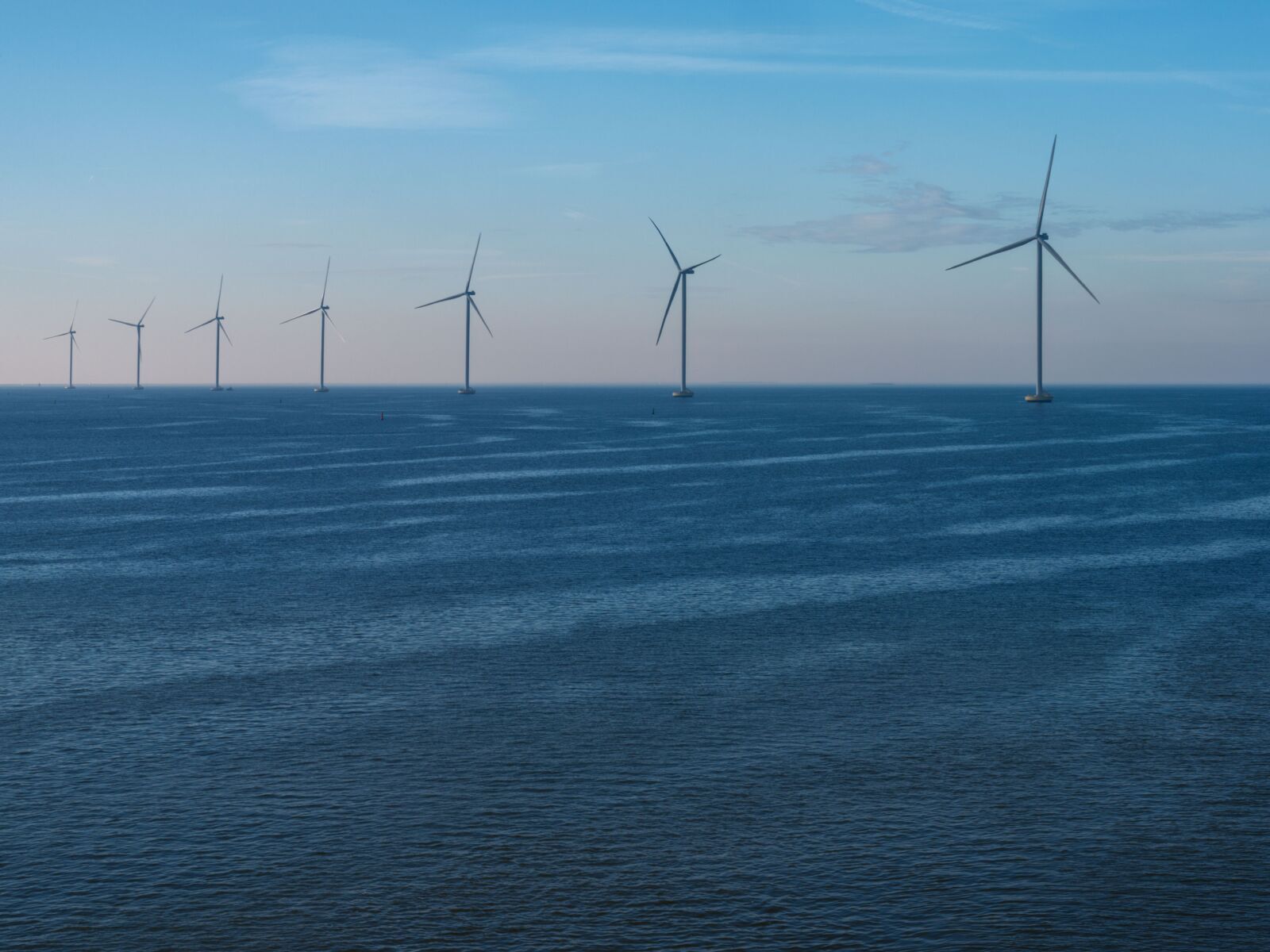
Global investors are increasingly backing larger renewable energy projects as demand for affordable, reliable clean electricity accelerates.
The shift reflects growing confidence in utility-scale solar, wind and battery storage as commercially viable infrastructure investments.
For Africa, larger projects could unlock industrial growth, improve energy security and attract long-term capital into sustainable development.
Bigger Renewable Projects Signal A Market Turning Point
The race to build clean energy is entering a new phase, not with more projects, but with much bigger ones.
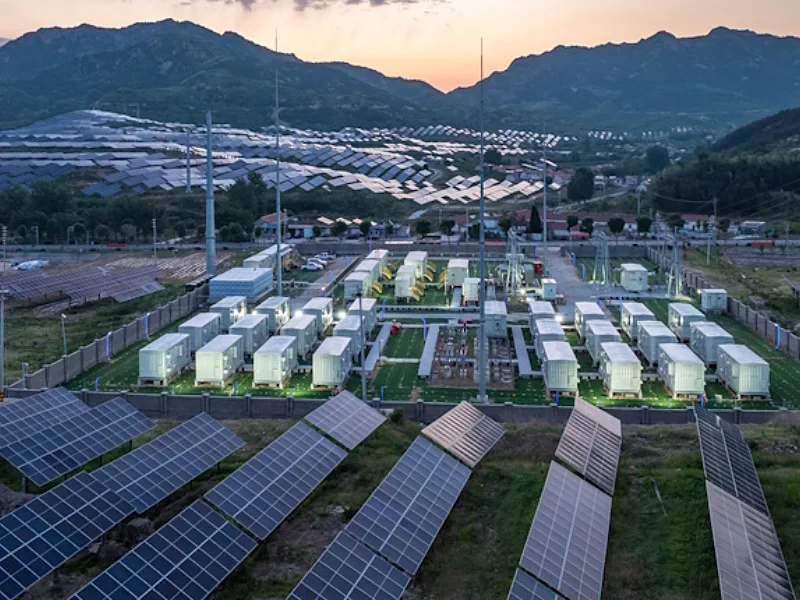
Across global energy markets, investors, infrastructure funds and project developers are committing unprecedented amounts of capital to utility-scale renewable energy developments.
Larger solar parks, offshore wind farms, battery storage facilities and integrated transmission projects are replacing smaller, fragmented investments as countries seek faster decarbonisation, stronger energy security and greater economic resilience.
For Africa, where electricity demand continues to outpace supply, the trend could become one of the most significant shifts in infrastructure financing this decade.
Bigger renewable projects promise not only more megawatts but also greater investor confidence, lower generation costs and improved regional electricity integration.
Scale Is Becoming Renewable Energy's Greatest Advantage
Renewable energy investment is no longer driven solely by environmental ambition.
Economics increasingly favours scale.
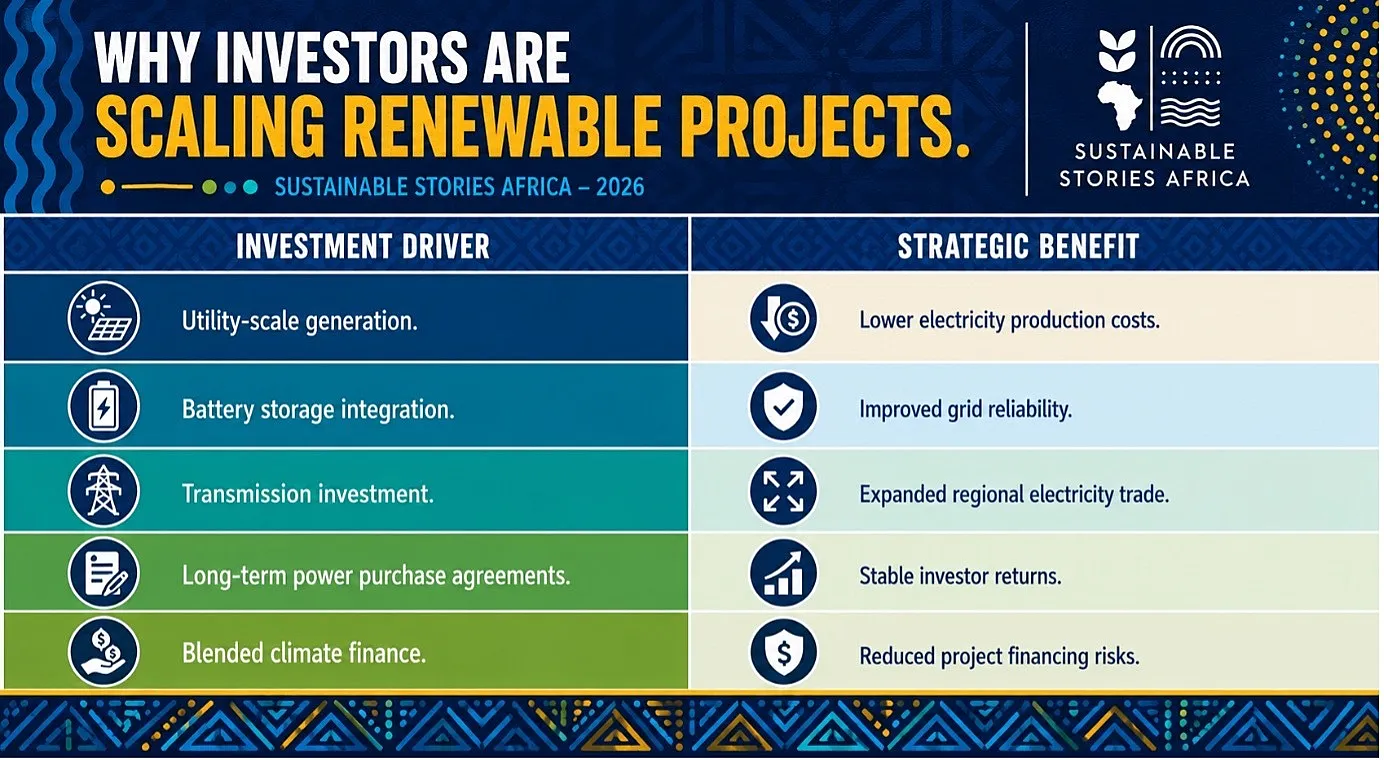
Larger projects benefit from lower construction costs per megawatt, improved financing terms and stronger operational efficiency.
Developers are combining solar generation with battery storage, transmission infrastructure and digital grid technologies, creating integrated energy systems capable of delivering reliable electricity around the clock.
The change reflects growing market maturity.
Institutional investors, including pension funds, sovereign wealth funds and development finance institutions, are increasingly viewing renewable infrastructure as long-term, stable assets capable of generating predictable returns while supporting climate commitments.
For African economies, this evolution presents an opportunity to leapfrog traditional fossil-fuel infrastructure.
Countries with abundant solar irradiation, wind resources and critical minerals can position themselves as regional renewable energy hubs, exporting electricity through expanding regional power pools while attracting manufacturing and industrial investment.
Communities also stand to benefit.
Larger renewable projects often create thousands of construction jobs, stimulate local supply chains and improve electricity access for households and businesses that have historically relied on costly diesel generation.
Bigger Investments Can Deliver Bigger Development Gains
If investment momentum continues, renewable energy could become one of Africa's strongest economic multipliers.
- Reliable electricity enables factories to operate efficiently, hospitals to maintain critical services and schools to embrace digital learning.
- Affordable clean power reduces production costs, improves business competitiveness and supports the emergence of new industries, including green manufacturing and data centres.
- Large renewable developments can also strengthen climate resilience by reducing dependence on imported fossil fuels, whose prices remain vulnerable to geopolitical shocks.
Perhaps most importantly, bigger projects create confidence.
Successful large-scale developments encourage follow-on investment, deepen domestic capital markets and demonstrate that African energy infrastructure can deliver both financial returns and measurable social impact.
However, challenges remain.
Permitting delays, limited transmission infrastructure, regulatory uncertainty and financing gaps continue to slow project delivery across many emerging markets.
Without coordinated reforms, investment pipelines could struggle to translate into completed infrastructure.
Build Confidence Alongside Clean Energy Infrastructure
The opportunity before African governments extends beyond attracting renewable investment.
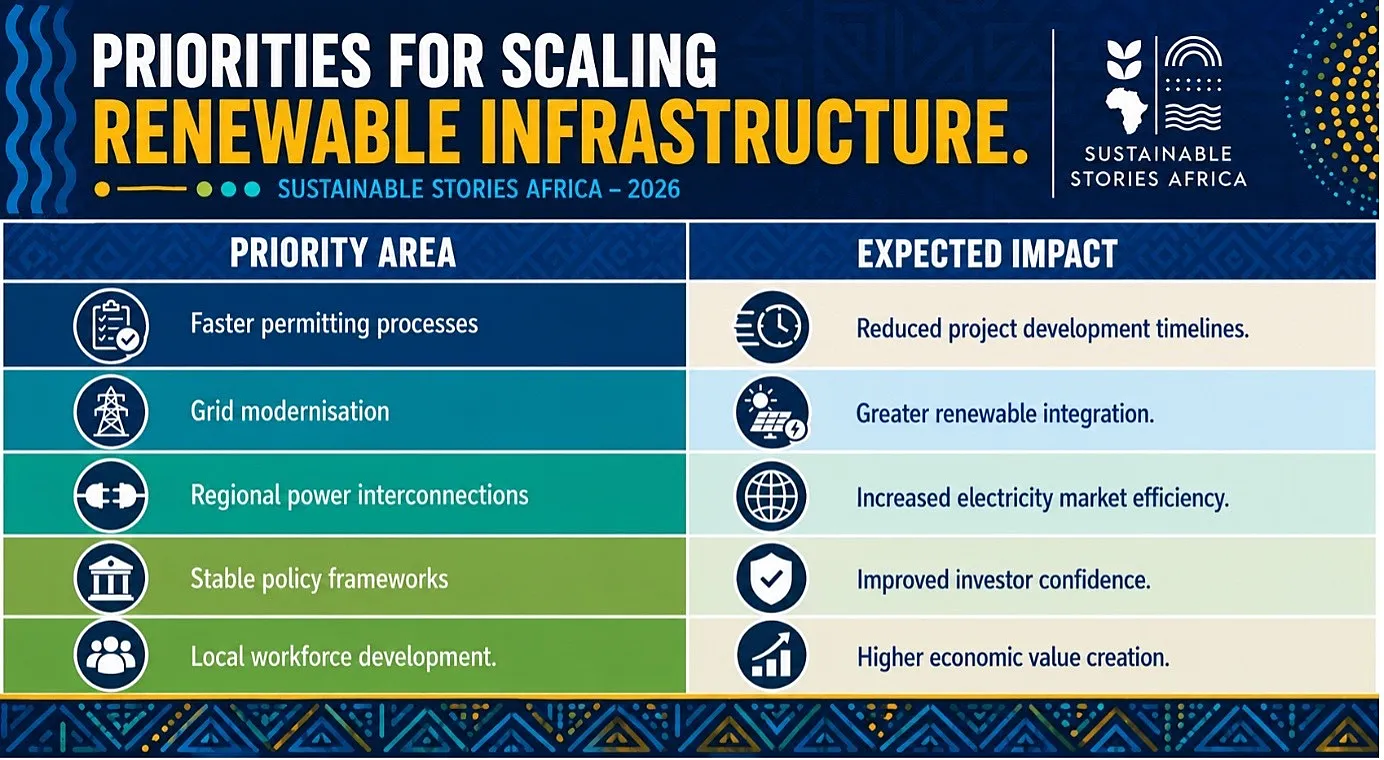
The priority now is to create investment environments that reward long-term capital with policy consistency, transparent procurement, efficient regulation and bankable electricity markets.
- Development finance institutions should continue using blended finance to reduce investment risks
- Private investors must expand partnerships with local developers capable of delivering projects that reflect community priorities.
- Utilities must modernise transmission networks, governments should accelerate permitting reforms and businesses should embrace long-term renewable power agreements that improve project bankability.
The next generation of energy leadership will belong not simply to countries with abundant renewable resources, but to those capable of converting investor confidence into functioning infrastructure that delivers affordable electricity, economic opportunity and climate resilience.
Path Forward – Scaling Investment Through Regional Energy Partnerships
Large renewable energy projects are becoming the foundation of tomorrow's electricity systems.
Success will depend on stronger policy coordination, modern transmission networks and financing models that reduce investment risk while accelerating delivery.
By combining regional cooperation with private capital and public leadership, African markets can transform renewable energy investment into lasting economic growth, improved energy access and measurable ESG outcomes that benefit businesses, communities and future generations.
Culled From: Investors & developers bet on bigger renewables projects