The World Bank Group has placed jobs and private investment at the centre of its renewed approach to fragile and conflict-affected settings.
The shift comes as displacement, poverty and instability deepen across some of the world’s most vulnerable economies.
For African countries, the message is direct: stability will depend not only on aid, but on livelihoods, skills, markets and investment.
Fragility Now Demands Economic Answers
The World Bank Group is repositioning jobs, investment and economic opportunity as core tools for breaking cycles of fragility, conflict and violence.
At the Fragility Forum 2026 session on "Transformative Action for the World's Most Complex Places," World Bank Group President Ajay Banga and Mozambique's President Daniel Chapo framed fragility not as a humanitarian footnote, but as a central development challenge.
Banga was direct: more than half of the world's poor live in FCV-affected countries.
World Bank financing in these settings has risen from approximately $4 billion in 2015 to over $30 billion last year, reflecting deeper engagement, but also a problem growing in scale.
The underlying warning was unambiguous: institutions that only respond after conflict and climate shocks have damaged livelihoods will remain trapped in a costly cycle of repair.
Young People Want Work, Not Sympathy
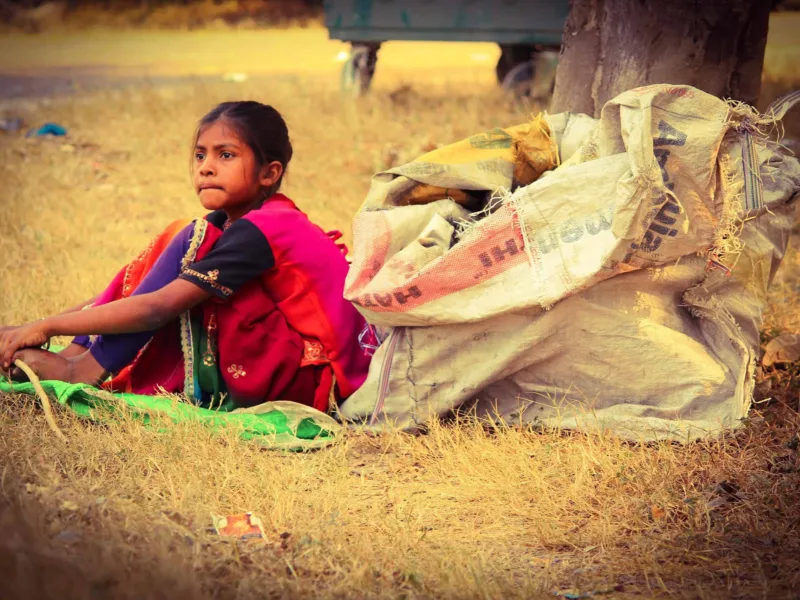
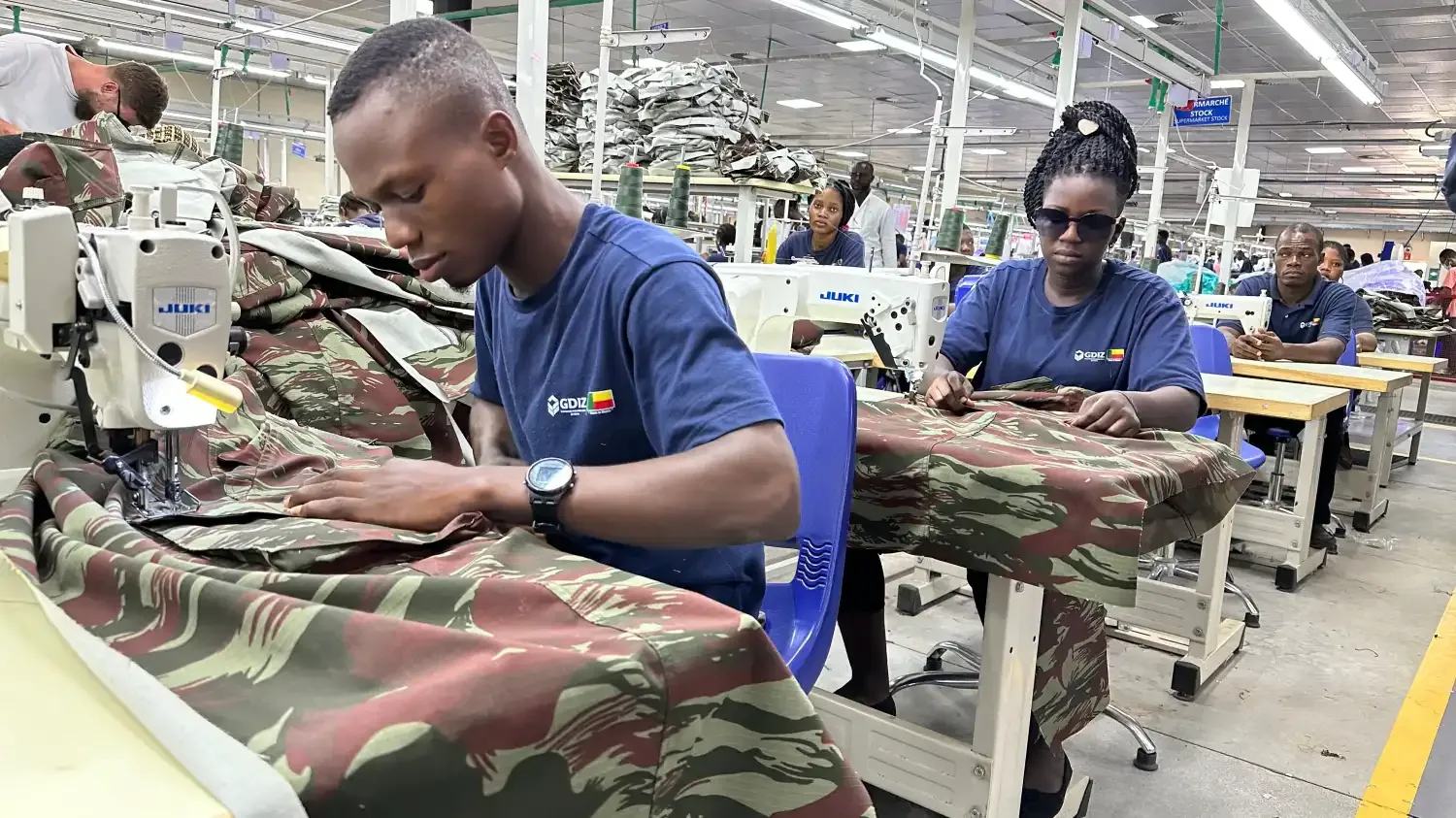
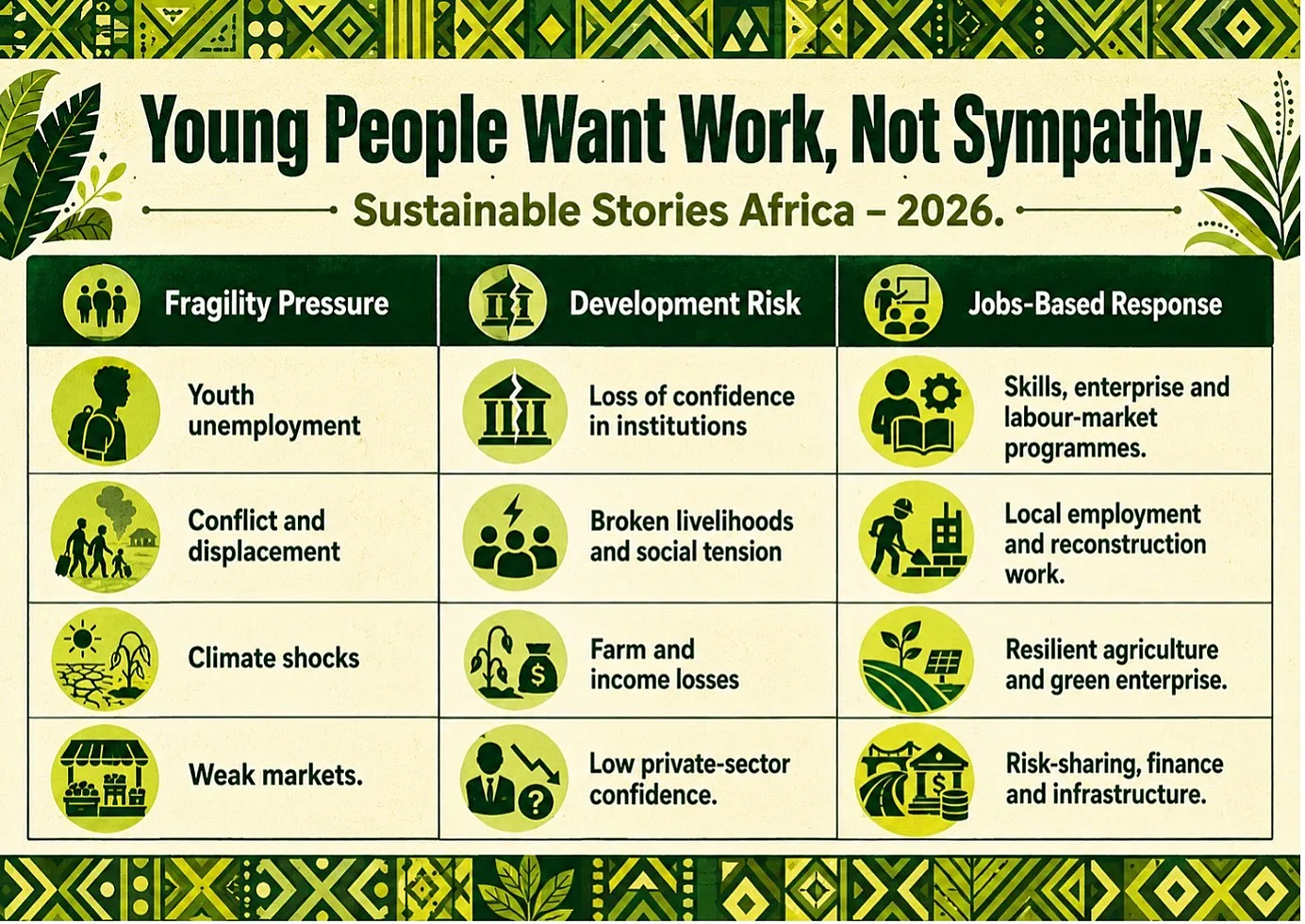
Young people in fragile communities are not asking only for protection; they are asking for work, dignity and opportunity.
That message anchored the Fragility Forum 2026 jobs session, where Mozambique's President Daniel Chapo was unambiguous: the answer to fragility is "investment, investment, investment."
For a country navigating climate shocks, conflict in Cabo Delgado and mounting youth unemployment, investment is not an aspiration; it is a survival strategy.
For African markets broadly, this is more than a policy position. In communities facing insecurity, displacement and weak public services, a job provides stability, keeping young people connected to local economies and reducing the pull of harmful alternatives.
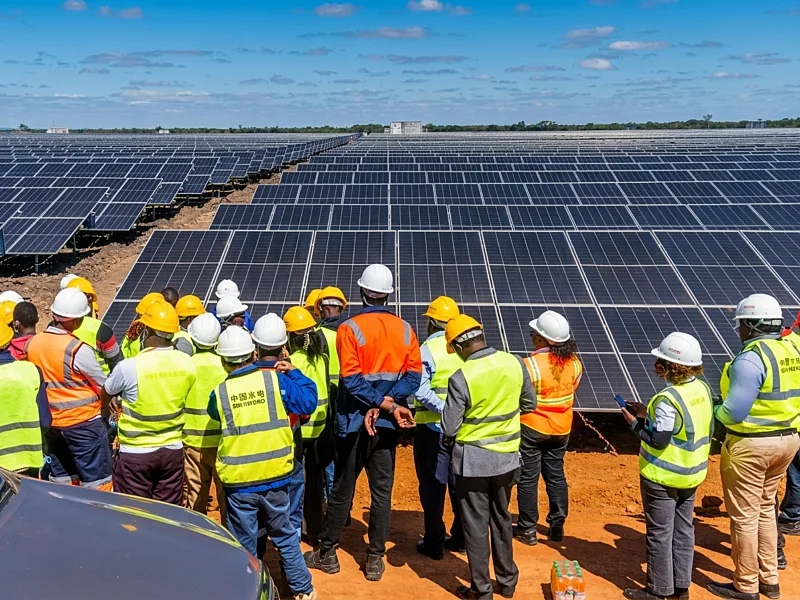
The private sector's role was highlighted by Basima Abdulrahman, founder and CEO of Iraq-based KESK, who built a green technology company in post-conflict conditions using solar energy solutions and software to support energy assets.
That example is directly relevant to Africa. In fragile and underserved regions, businesses are often asked to create jobs, deliver services and manage risk simultaneously in environments with poor infrastructure.
With the right financing, policy support and partnerships, these enterprises can move beyond survival, becoming genuine anchors of community resilience.
Development Can Become Prevention
The promise of the World Bank’s renewed FCV approach is that development can move earlier, before crises become too expensive, too violent or too entrenched.
If jobs are treated as prevention, rather than just recovery, fragile regions can begin to rebuild trust.
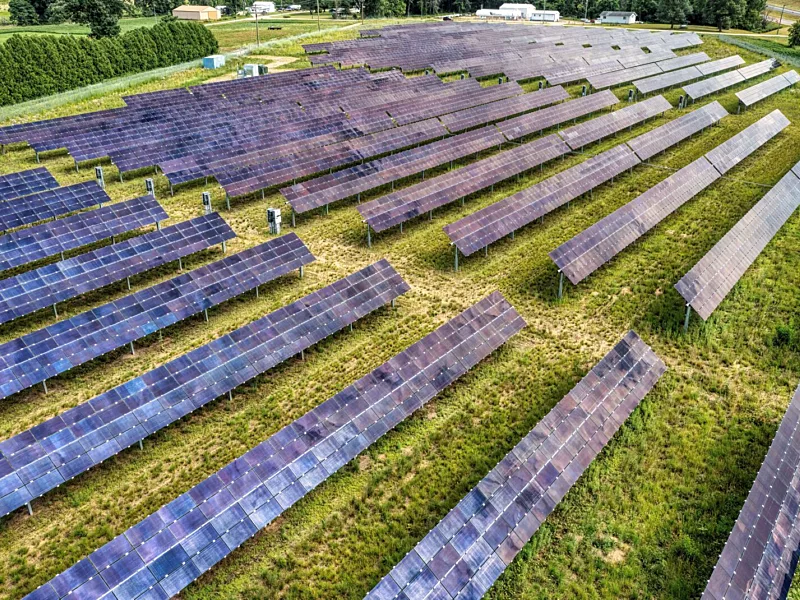
- A solar company can create technical work.
- An agribusiness can connect farmers to markets.
- A road project can link producers to buyers.
- A skills programme can give displaced youth a second chance before frustration becomes instability.
For African governments, this approach could reshape national security thinking. Stability is not only produced by security forces.
It is also produced by income, electricity, roads, irrigation, vocational training, healthcare and confidence that the state can deliver something meaningful.
The cost of inaction is high.
- When young people remain excluded from opportunity, fragility deepens.
- When climate shocks destroy livelihoods, and no alternative income exists, migration pressure rises.
- When private investors avoid vulnerable regions, communities become even more dependent on humanitarian support.
Put Livelihoods At The Centre
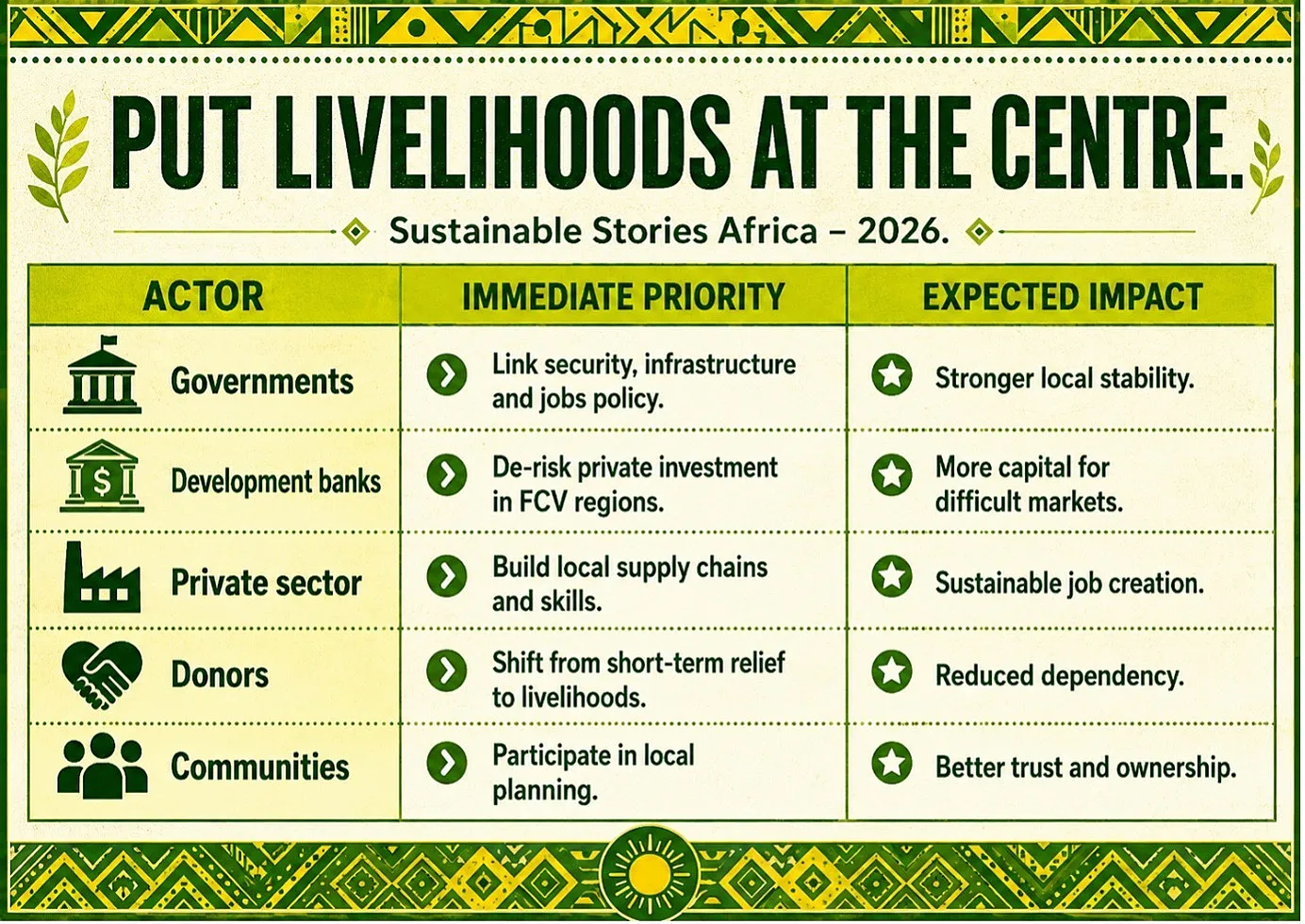
The call to action is urgent: development institutions, governments and investors must treat jobs as the frontline of fragility response.
That means financing must move closer to businesses that can employ people in difficult environments.
- Governments must reduce barriers for SMEs, strengthen local procurement and support skills that match real economic opportunities.
- Development partners must take smarter risks, using guarantees, blended finance and technical assistance to bring capital into places mainstream investors often avoid.
For African countries facing conflict spillovers, climate shocks or youth unemployment, the lesson is practical.
Peacebuilding cannot be separated from economic planning. Fragility strategies must include job pipelines, enterprise finance, infrastructure corridors and credible support for entrepreneurs.
The World Bank’s message is that the next phase of FCV work must be judged not only by money committed, but by livelihoods created.
Path Forward – Make Jobs The Stability Strategy
African governments and partners should place employment, enterprise finance and skills at the centre of fragility prevention.
Young people need visible economic pathways before instability becomes normal.
The ESG case is strong. Jobs reduce poverty, strengthen social cohesion and support inclusive growth.
In fragile markets, decent work is not just development policy; it is resilience infrastructure.