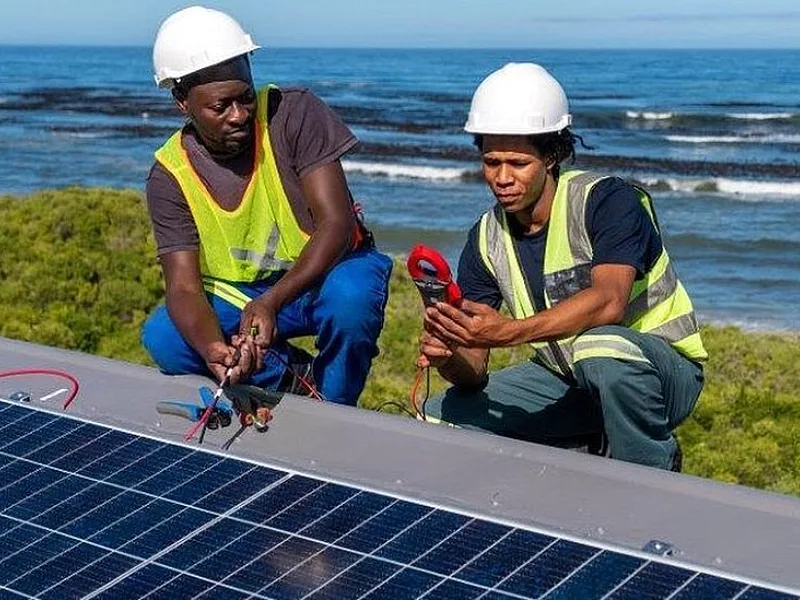
KenGen has expanded its long-term renewable energy development pipeline to 5,500MW, marking one of Kenya's most ambitious clean energy strategies.
The move reflects growing investor confidence, rising regional electricity demand and Kenya's drive to strengthen energy security.
If successfully delivered, the programme could reshape East Africa's power market while accelerating industrial growth and decarbonisation.
Kenya's Renewable Ambition Reaches A New Scale
Kenya's largest electricity producer is significantly raising its clean energy ambitions.
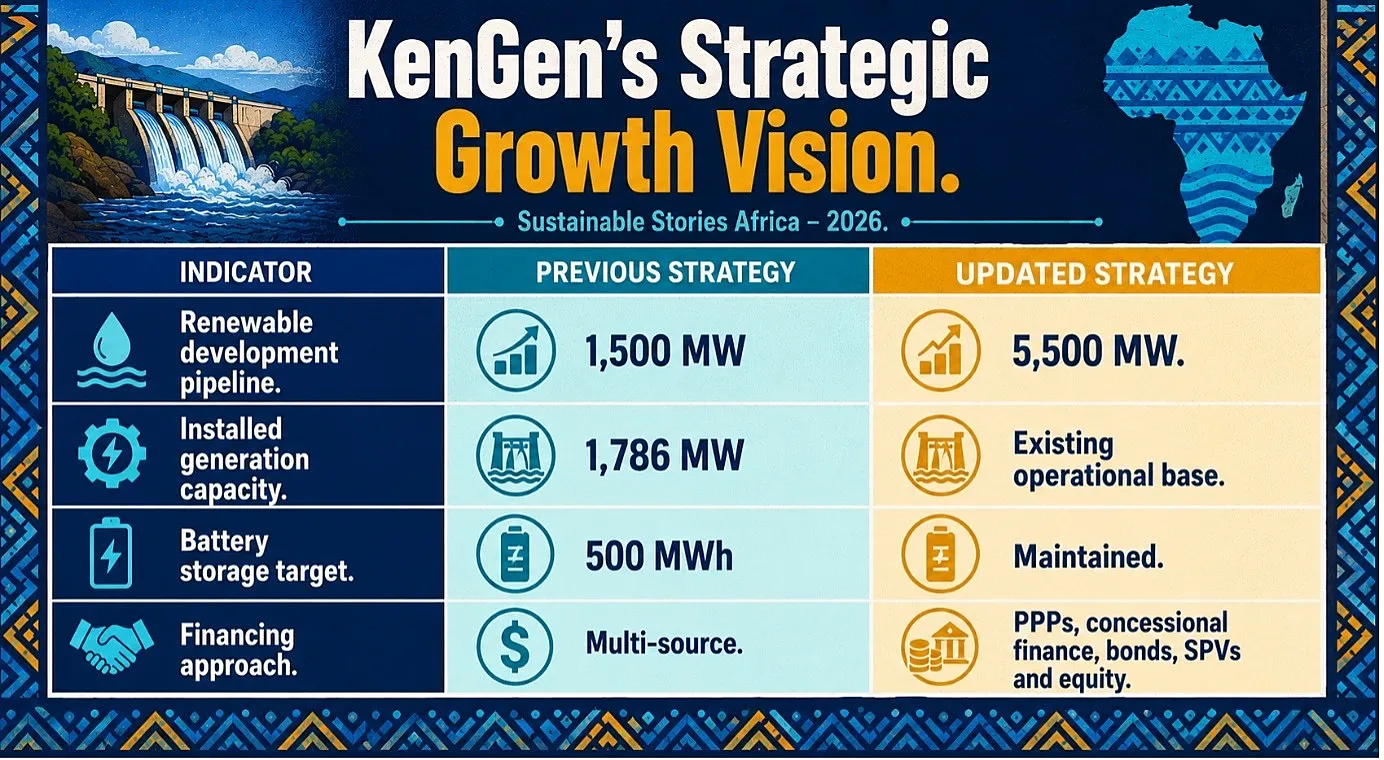
Kenya Electricity Generating Company (KenGen) has recalibrated its long-term growth strategy, increasing its renewable energy development pipeline from 1,500MW to 5,500MW, as the utility positions itself to meet rising domestic electricity demand while serving expanding regional energy markets.
The announcement accompanied the launch of the company's inaugural Sustainability Report, highlighting a broader commitment to environmental, social and governance (ESG) performance.
The revised strategy comes at a pivotal moment for Africa's energy transition. Governments across the continent are seeking reliable, low-carbon electricity capable of supporting industrialisation, digital infrastructure and cross-border power trade without compromising climate commitments.
Bigger Pipeline Reflects Bigger Regional Opportunities
The expansion represents far more than an increase in generating capacity.
KenGen currently operates approximately 1,786MW of installed capacity, with geothermal and hydropower accounting for the overwhelming majority of its electricity generation.
Under the revised pipeline, the company intends to expand geothermal development, hydropower, solar and wind projects while also advancing long-term plans for nuclear generation as part of Kenya's diversified energy strategy.
Company executives attribute the strategic shift to evolving national energy priorities, increased investor confidence in renewable infrastructure and growing regional demand for clean electricity.
Financing will continue to rely on a diversified model combining concessional finance, public-private partnerships (PPPs), bonds, special purpose vehicles (SPVs) and potential equity issuance.
The strategy also maintains KenGen's plan to deploy 500MWh of battery energy storage systems, recognising that grid flexibility and storage are becoming essential as renewable generation expands across Africa.
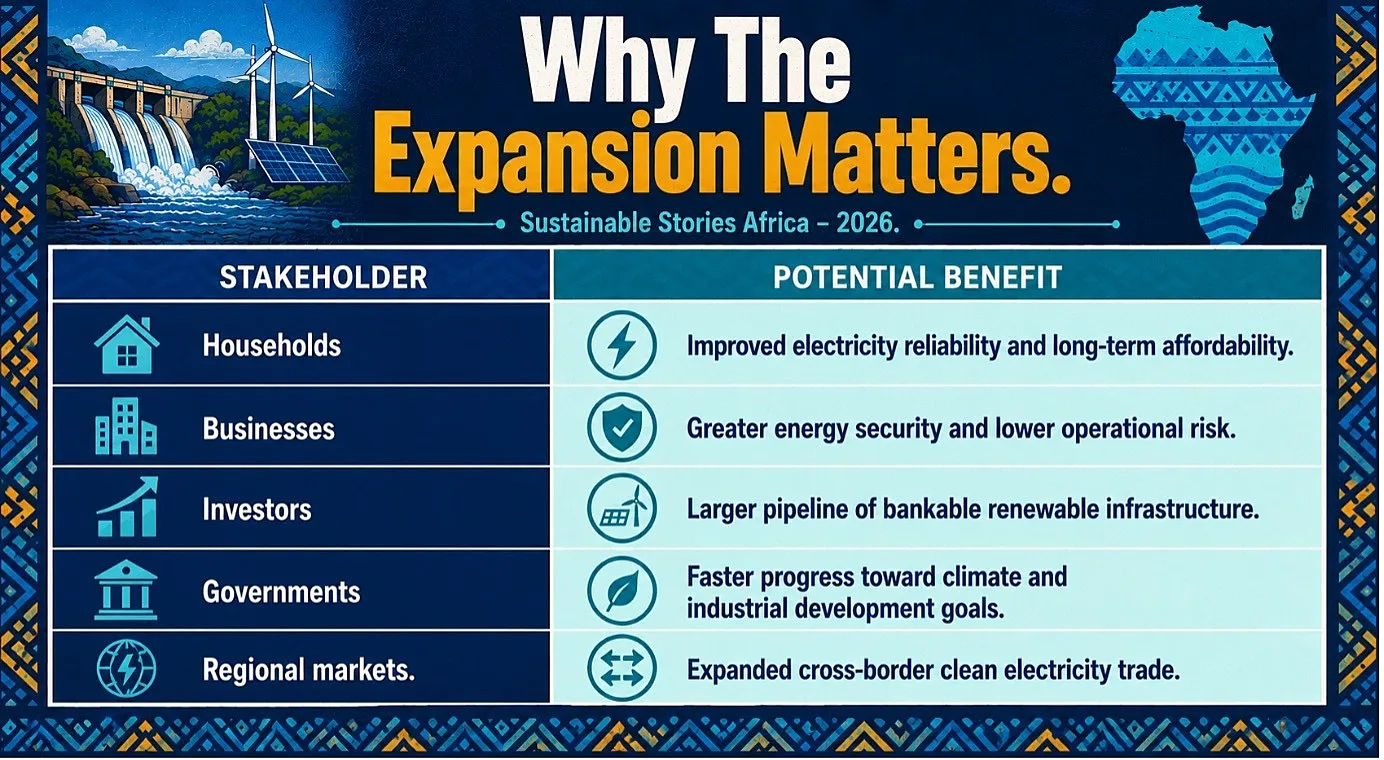
Battery storage will improve grid stability, reduce intermittency and strengthen electricity reliability for households and businesses.
For Kenya, the implications extend well beyond electricity generation.
Reliable renewable power strengthens manufacturing competitiveness, supports digital industries, attracts foreign investment and reinforces the country's position as one of Africa's clean energy leaders.
Clean Energy Can Drive Regional Prosperity
KenGen's strategy illustrates how energy infrastructure is increasingly becoming economic infrastructure.
Expanded geothermal, hydropower, solar and wind investments could improve electricity reliability while reducing dependence on imported fossil fuels.
Lower emissions, greater grid resilience and increased regional electricity exports would strengthen both Kenya's climate ambitions and East Africa's economic integration.
The launch of the company's inaugural Sustainability Report further signals a growing emphasis on ESG disclosure and corporate transparency.
According to the report, renewable sources accounted for 94.4% of KenGen's dispatched electricity during the reporting period, while the company generated millions of carbon credits and maintained one of the continent's lowest electricity carbon-intensity levels.
Turning Ambition Into Bankable Projects
Announcing an ambitious pipeline is only the first step.
Successful implementation will depend on timely financing, regulatory certainty, project execution and continued collaboration between government, development finance institutions and private investors.
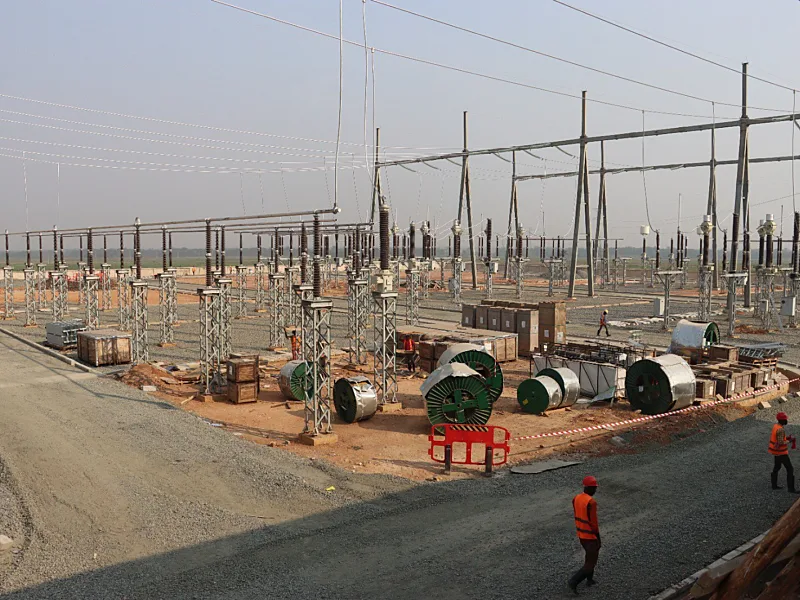
Transmission infrastructure must also expand to ensure new renewable generation reaches consumers efficiently.
For African policymakers, KenGen's strategy offers a broader lesson: scaling renewable energy requires integrated planning that combines generation, storage, transmission and sustainable finance.
As electricity demand continues to rise across the continent, investment decisions made today will determine whether Africa's energy transition delivers inclusive economic growth tomorrow.
Path Forward – Partnerships Will Power Africa's Next Chapter
KenGen's expanded strategy demonstrates growing confidence in Africa's renewable energy future, but delivery will require sustained investment and effective execution.
Building stronger partnerships between governments, financiers and industry can transform ambitious pipelines into reliable electricity systems that advance ESG objectives, regional integration and long-term economic resilience.
Source note: This article is an original Sustainable Stories Africa news feature based on publicly available information from KenGen's official announcement and corroborating public reporting, including Business Daily. It does not reproduce or closely paraphrase the original reporting.