Kenya's capital markets regulator has approved new investment funds as special funds surpass $1.5 billion in assets.
The approvals broaden investor choice while supporting deeper, more diversified capital markets.
For businesses, households and long-term investors, the move strengthens access to professionally managed investment opportunities and alternative sources of capital.
Kenya Deepens Capital Markets With Fresh Investment Products
Kenya has taken another significant step toward strengthening its financial markets after the Capital Markets Authority (CMA) approved two new umbrella unit trust schemes, additional sub-funds under four existing schemes, and a new alternative investment fund.
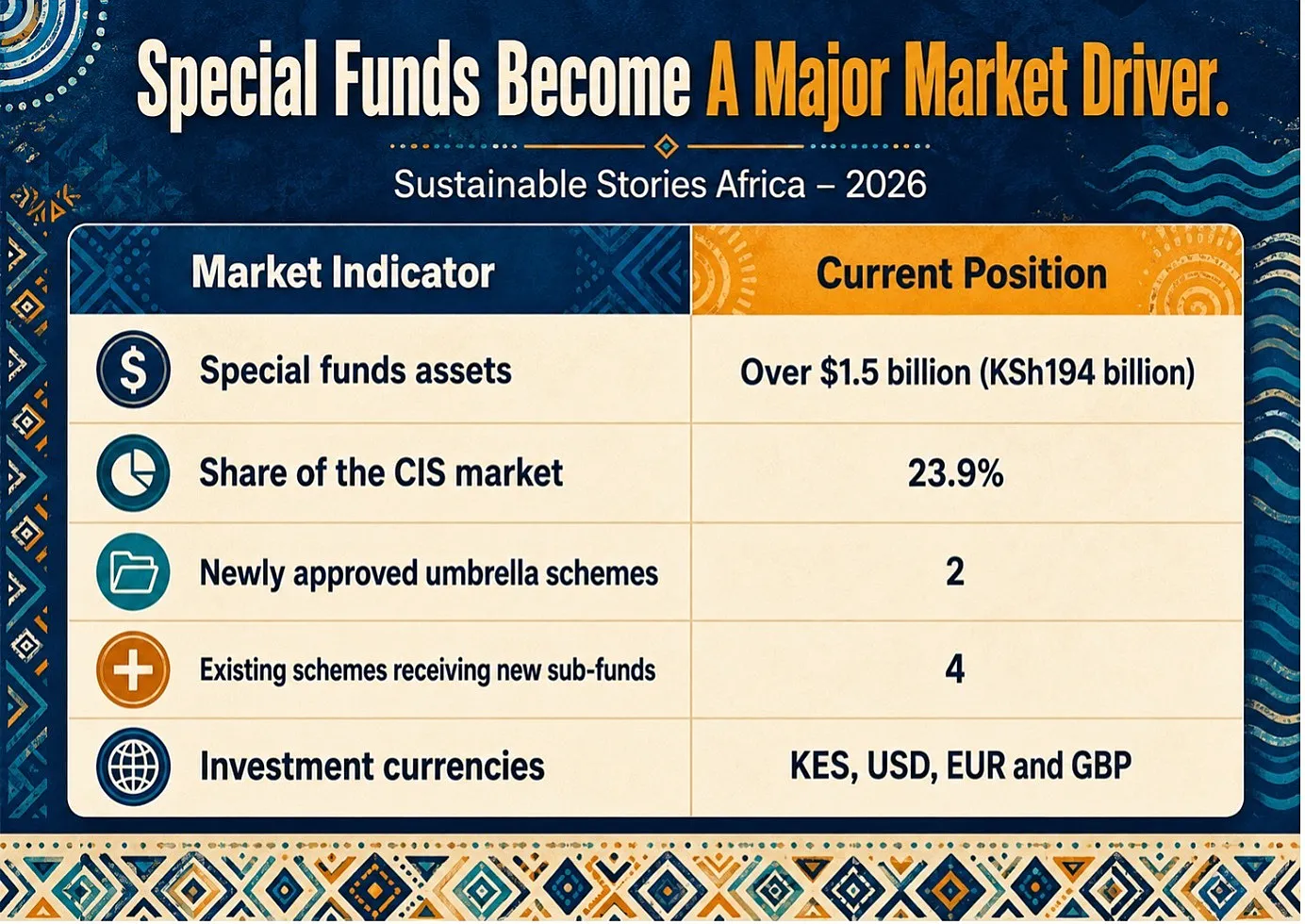
The approvals come as the country's rapidly expanding "special funds" segment grows beyond KSh194 billion (approximately $1.5 billion), accounting for nearly a quarter of Kenya's collective investment schemes industry.
The regulator said the approvals are intended to widen investor choice, improve access to diversified investment products and deepen Kenya's capital markets.
The newly approved products include money market, fixed income, multi-asset, private debt and global investment strategies denominated in Kenyan shillings, US dollars, euros and British pounds.
The development reflects Kenya's broader ambition to position Nairobi as one of Africa's leading investment hubs while giving both retail and institutional investors greater flexibility in managing wealth.
Special Funds Become A Major Market Driver
The latest approvals build on a period of rapid innovation in Kenya's collective investment industry.
Among the newly licensed entrants are the Cinemark Unit Trust Fund and the Karsis Unit Trust Scheme, offering a combined range of investment products spanning traditional money market funds, fixed-income portfolios, diversified multi-asset strategies and private debt investments.
Existing fund managers, including Absa Asset Management, also received approval to introduce additional specialised investment products.
Perhaps the strongest signal lies in the growth of special funds.
Once regarded as niche investment vehicles for sophisticated investors with customised mandates, special funds now represent 23.9% of Kenya's collective investment schemes market, highlighting a shift toward more tailored investment solutions as investor sophistication increases.
The approvals also align with broader reforms aimed at increasing product diversity within Kenya's capital markets.
Beyond traditional equity investments listed on the Nairobi Securities Exchange, regulators are encouraging growth in professionally managed collective investment schemes that can mobilise long-term savings for productive sectors of the economy.
- For ordinary investors, this means greater access to diversified portfolios without the need to build complex investment strategies independently.
- For businesses, deeper capital markets can eventually translate into more financing options beyond conventional bank lending.
Broader Investment Choices Can Unlock Economic Growth
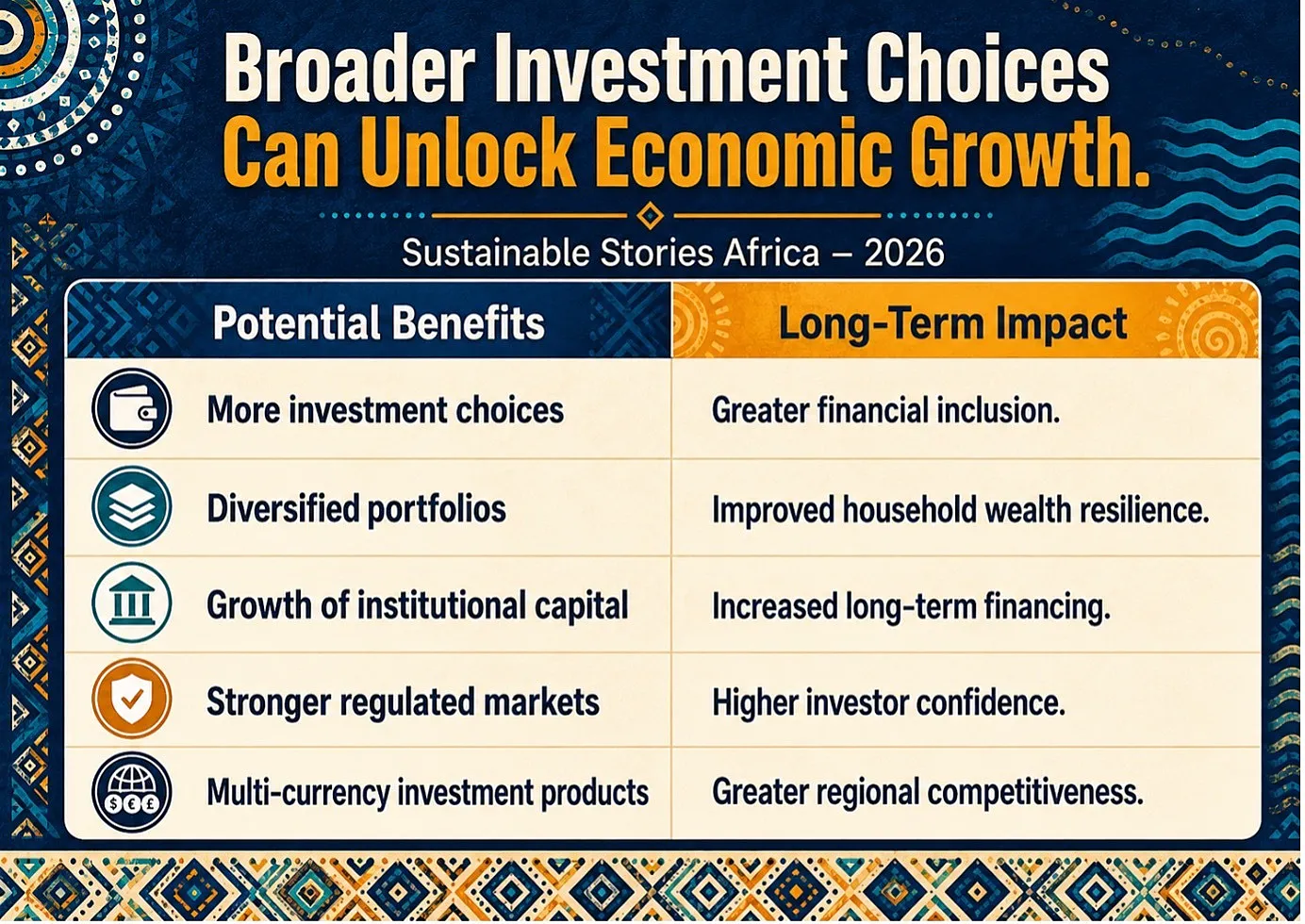
Expanding regulated investment products does more than increase financial choice; it strengthens economic resilience.
As households gain access to professionally managed funds across different asset classes and currencies, they become better positioned to preserve wealth, diversify risk and participate in long-term capital formation.
- For pension funds, insurers and institutional investors, specialised investment vehicles can channel capital into infrastructure, private credit, real estate and productive enterprises that support economic development.
The benefits extend beyond Kenya.
African capital markets have historically been constrained by limited product diversity and shallow institutional participation.
Kenya's expanding investment ecosystem demonstrates how regulatory innovation can help mobilise domestic savings while attracting regional and international investors seeking transparent, well-regulated financial markets.
Building Africa's Next Generation Of Capital Markets
Kenya's latest approvals illustrate that capital market development depends not only on attracting more investors but also on offering products that meet diverse financial needs.
Other African regulators can draw lessons from Kenya's approach by encouraging innovation while maintaining robust regulatory oversight.
Expanding collective investment schemes, improving investor education and strengthening governance standards can help unlock domestic capital for infrastructure, climate finance, housing and industrial development.
- For fund managers, the challenge now is delivering consistent performance and transparent governance that justifies growing investor confidence.
- For policymakers, sustaining regulatory certainty will remain essential to attracting long-term domestic and international capital.
Ultimately, deeper capital markets create more than investment opportunities—they provide economies with stronger foundations for sustainable growth, entrepreneurship and resilience.
Path Forward – Innovation Must Strengthen Investor Confidence Together
Kenya's expanding investment landscape demonstrates how thoughtful regulation can deepen capital markets while broadening financial inclusion.
The next priority is ensuring strong governance, investor protection and continued product innovation.
As African markets mature, diversified collective investment schemes can become powerful vehicles for mobilising domestic savings, financing sustainable development and strengthening long-term economic resilience.
Culled From: Kenya capital markets regulator approves new funds as 'special funds' surge past $1.5 billion - Businessfront