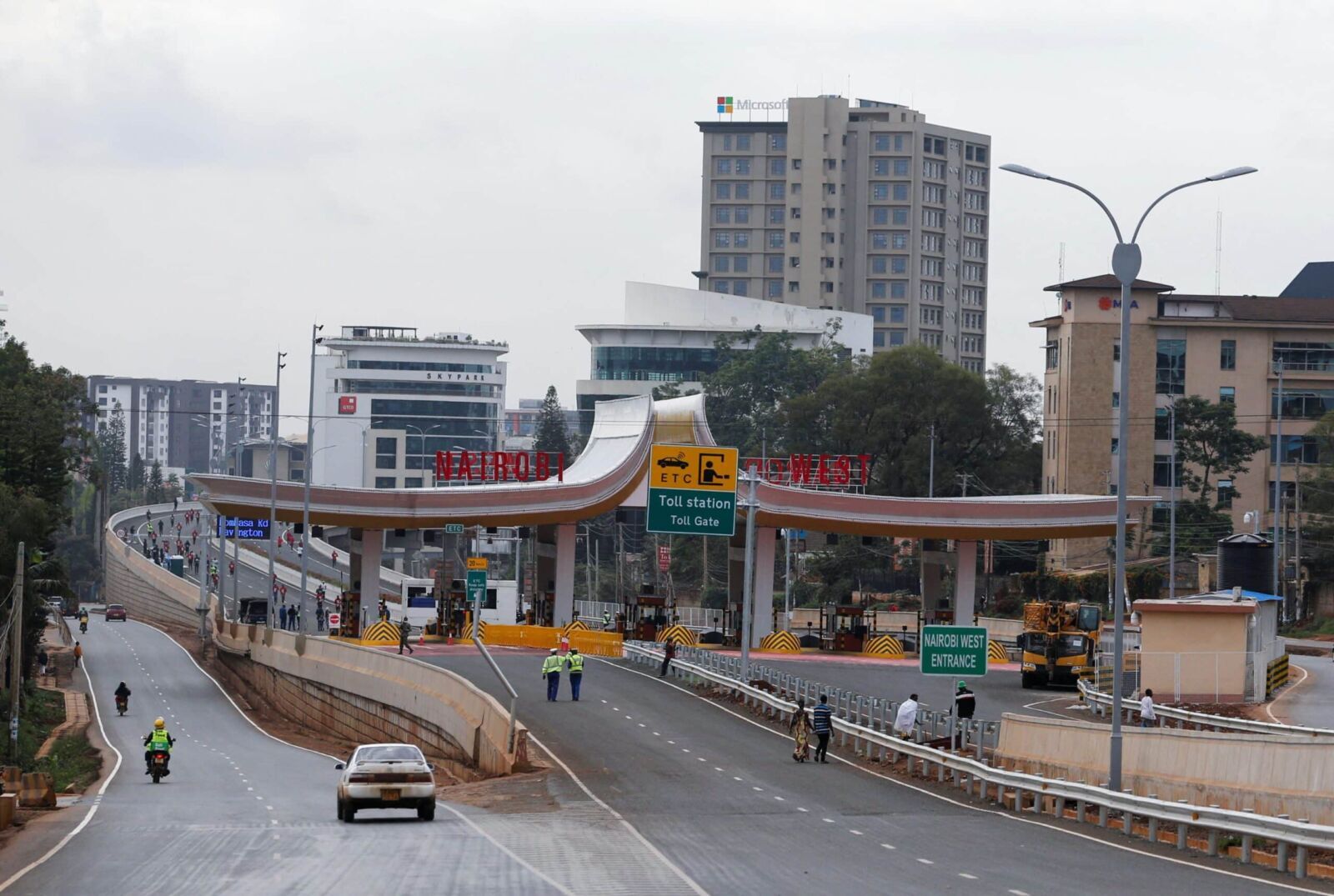
Kenya plans to mobilise up to $7.7 billion from cooperative savings societies to finance major infrastructure projects.
The proposal seeks to unlock domestic capital while reducing reliance on expensive external borrowing.
If implemented responsibly, the initiative could reshape infrastructure finance, deepen capital markets and strengthen community-led economic development.
Cooperative Savings Take Centre Stage In Infrastructure Finance
Kenya is preparing to tap one of its largest pools of domestic capital to finance roads, energy, housing and other strategic infrastructure, signalling a significant shift in how African economies could fund long-term development.
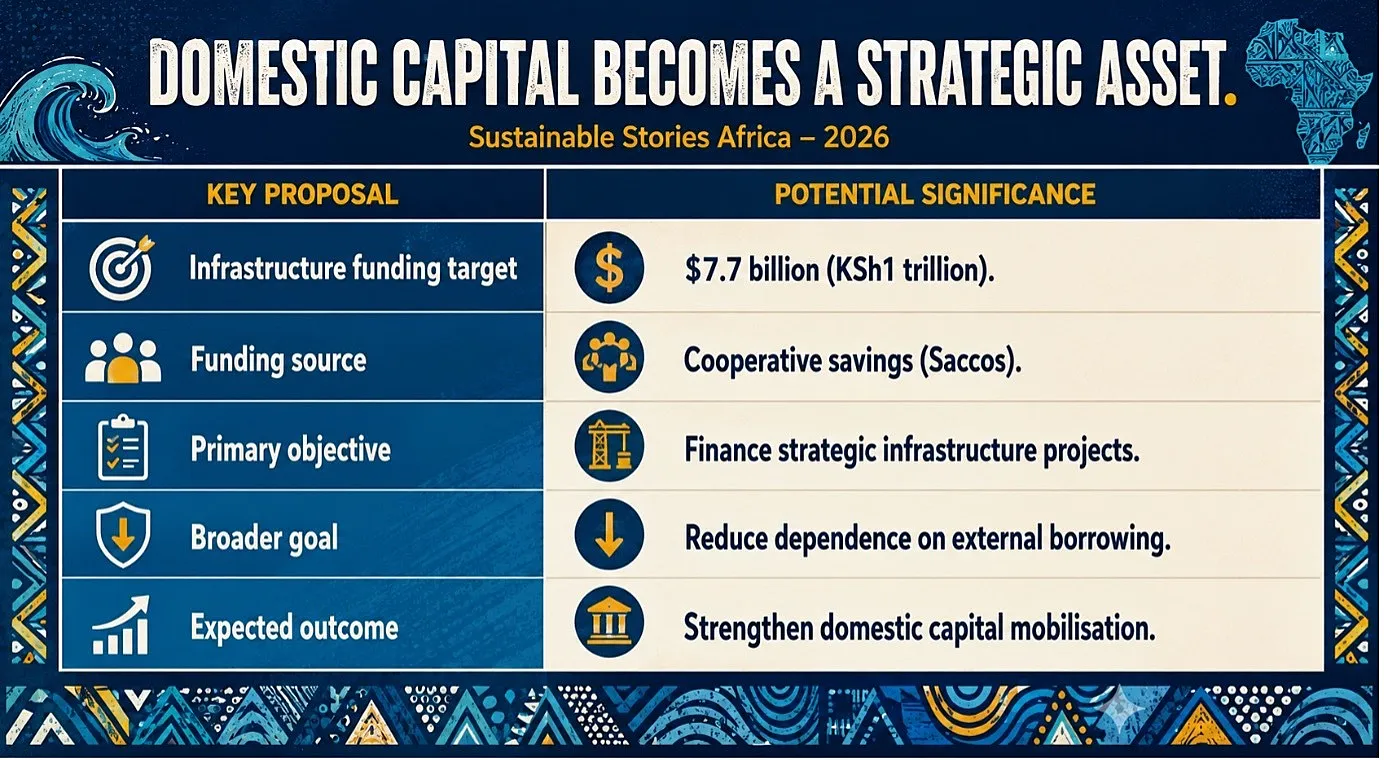
The government plans to mobilise approximately KSh1 trillion ($7.7 billion) from the country's cooperative movement, primarily Savings and Credit Cooperative Organisations (Saccos), to support national infrastructure investment.
The proposal, reported by Businessfront, reflects growing efforts to reduce dependence on external borrowing while leveraging domestic savings to finance economic transformation.
Kenya's cooperative sector manages one of Africa's largest member-owned financial ecosystems, with millions of citizens contributing savings that support lending, home ownership and small business development.
Redirecting part of this financial strength toward national infrastructure could provide the government with a new source of long-term capital while creating fresh investment opportunities for cooperative members.
The proposal arrives as many African governments seek sustainable financing models amid rising debt-servicing costs and tighter international financing conditions.
Domestic Capital Becomes A Strategic Asset
Kenya's cooperative movement has long played an important role in expanding financial inclusion.
Saccos mobilise savings from workers, farmers, entrepreneurs and communities, providing affordable credit while encouraging long-term wealth creation.
Today, they collectively hold assets running into trillions of Kenyan shillings, making them among the country's largest institutional investors.
The government's proposal seeks to channel a portion of these savings into infrastructure projects capable of generating stable long-term returns.
These could include transport networks, affordable housing, renewable energy facilities and other productive assets aligned with Kenya's national development agenda.
Rather than relying primarily on sovereign borrowing from international markets, policymakers are exploring ways to match long-term domestic savings with equally long-term infrastructure investments.
The concept mirrors financing approaches adopted in several emerging economies, where pension funds, insurance companies and cooperative institutions provide patient capital for infrastructure development.
For Kenya, the opportunity extends beyond financing.
Successfully mobilising domestic institutional capital could deepen local capital markets, reduce risk associated with foreign exchange and external debt and create stronger alignment between national development priorities and citizens' long-term savings.
However, governance will remain critical. Infrastructure investments funded by member savings must deliver appropriate risk-adjusted returns while maintaining the confidence of millions of cooperative members whose deposits underpin the system.
Financing Growth Through Community Capital
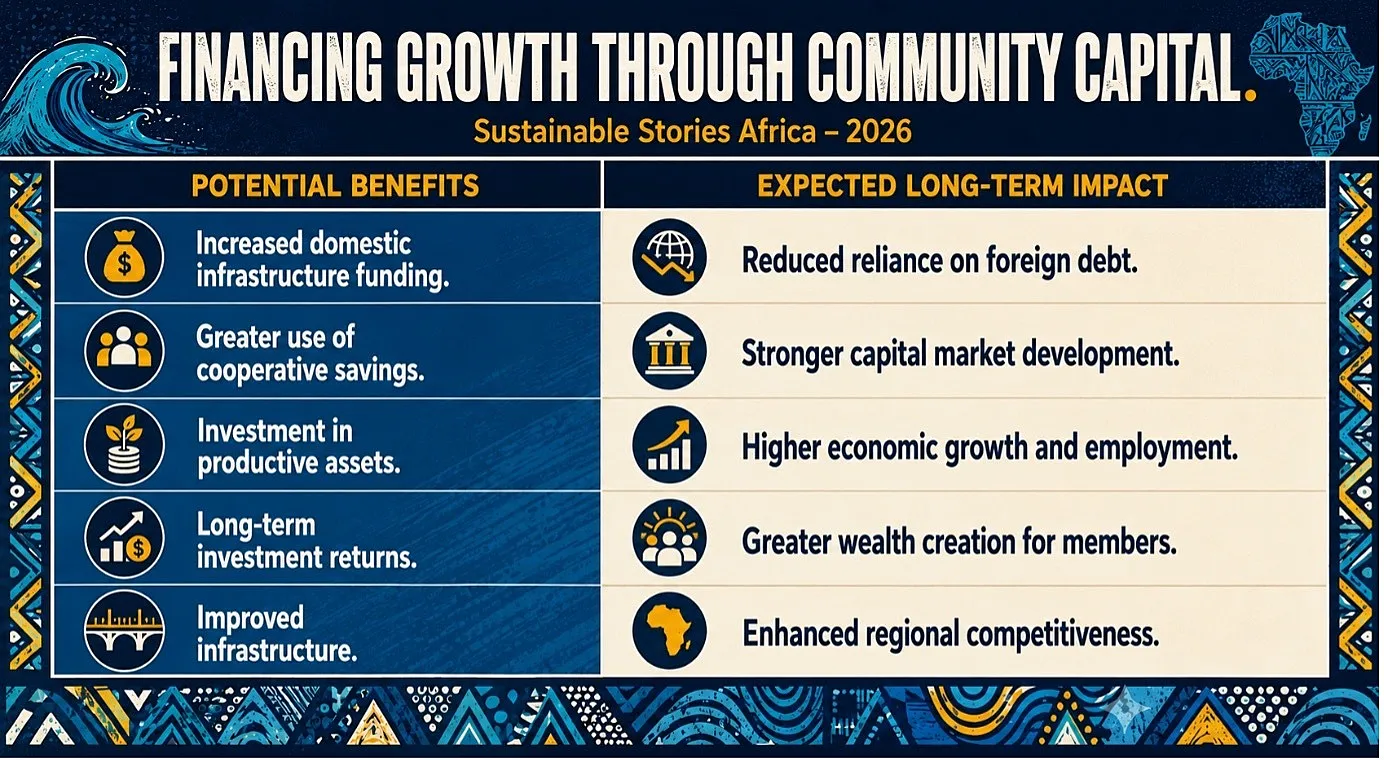
If carefully structured, the initiative could create benefits that extend well beyond infrastructure.
Modern roads reduce transport costs. Reliable electricity improves industrial productivity. Affordable housing stimulates construction and employment.
Better logistics attract private investment and expand regional trade.
When financed through domestic savings, these projects may also generate investment returns that flow back to cooperative members, creating a virtuous cycle where citizens finance national development while sharing in its long-term economic benefits.
The model could also strengthen Africa's financial independence.
Across the continent, domestic institutional investors collectively manage billions of dollars in long-term savings.
Unlocking even a fraction of this capital for productive infrastructure could help narrow Africa's financing gap while reducing vulnerability to external borrowing conditions.
Strong Governance Must Protect Public Savings
Mobilising cooperative capital for infrastructure will require more than political ambition.
Robust governance frameworks, independent project evaluation, transparent procurement and prudent risk management must guide every investment decision.
- Sacco members should have confidence that their savings are being invested responsibly, with appropriate safeguards, diversification and professional oversight.
- Regulators, cooperative leaders and infrastructure agencies must also ensure that projects generate sustainable economic returns capable of protecting member capital while supporting national development.
If executed effectively, Kenya's approach could become a model for other African economies seeking innovative ways to finance infrastructure through domestic institutional capital rather than increasing sovereign debt burdens.
The real success of the initiative will not be measured solely by how much capital is raised, but by whether those investments deliver lasting economic value for communities, businesses and future generations.
Path Forward – Domestic Capital Can Build Africa's Future
Kenya's proposal highlights the growing importance of mobilising domestic savings to finance sustainable infrastructure.
Transparent governance, strong investment discipline and institutional accountability will determine whether the model succeeds.
If implemented responsibly, cooperative capital could become a powerful catalyst for infrastructure development, financial resilience and inclusive economic growth across African markets while advancing long-term sustainability objectives.
Culled From: Kenya to draw $7.7 billion from public cooperative fund, Sacco, for infrastructure projects - Businessfront