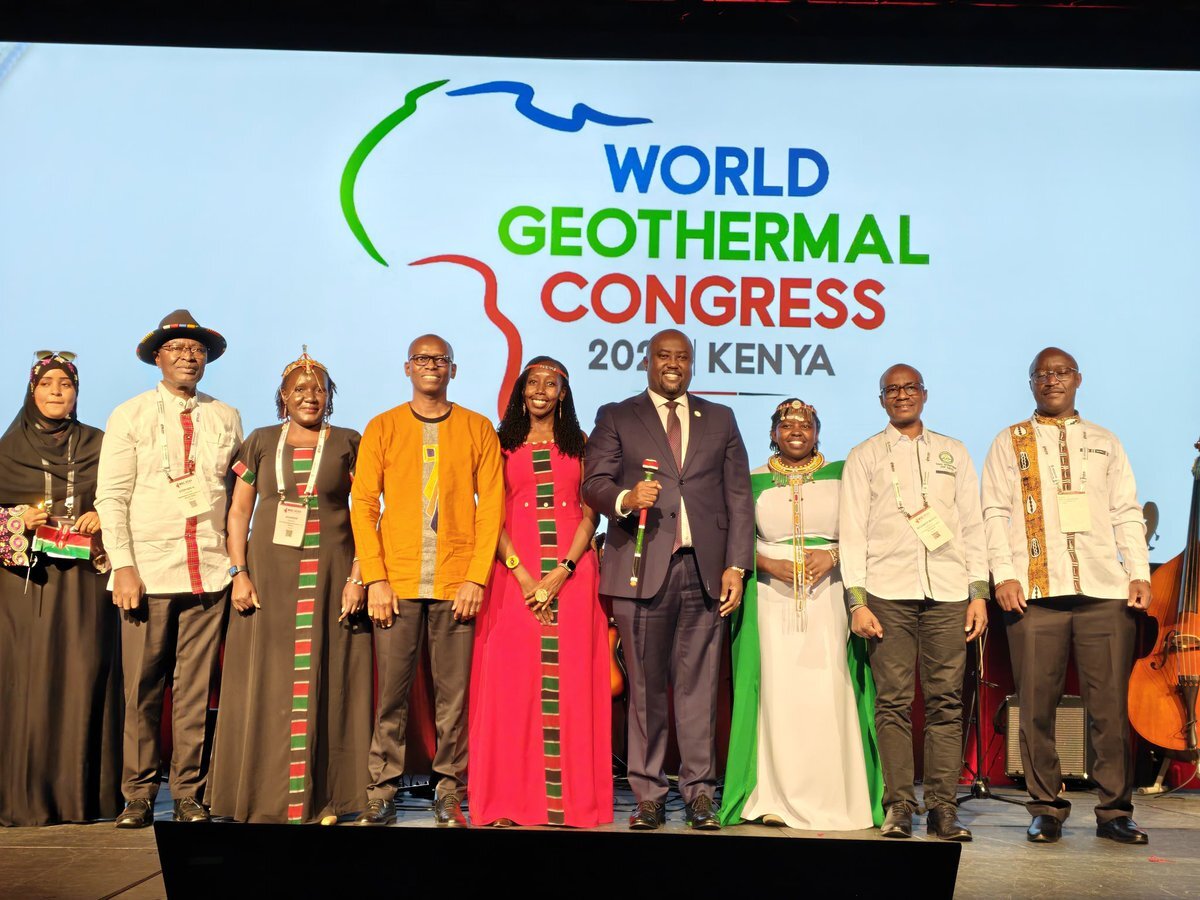
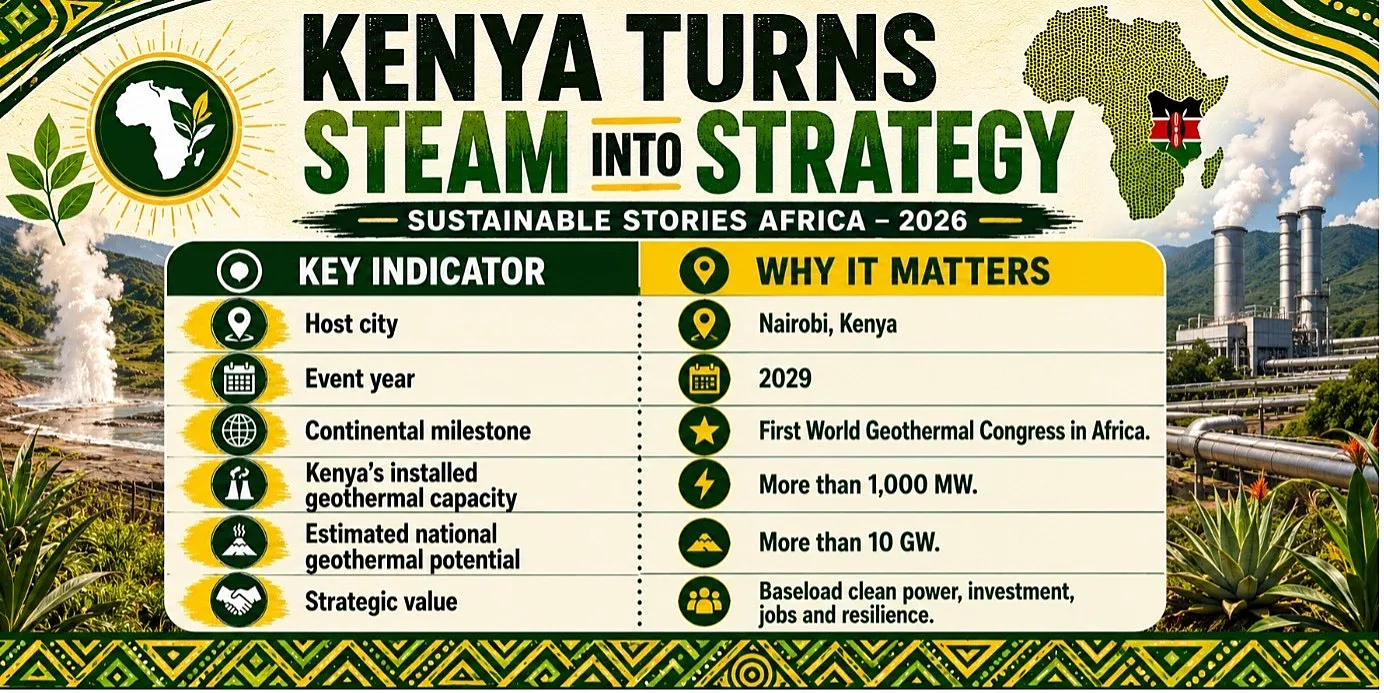
Kenya has secured the rights to host the World Geothermal Congress 2029 in Nairobi, marking the first time the global flagship geothermal event will be held in Africa.
The win comes as geothermal energy becomes central to energy security, industrial growth and climate resilience across emerging markets.
Africa’s Geothermal Moment Has Arrived
Kenya has won the bid to host the World Geothermal Congress 2029 in Nairobi, a landmark victory that places Africa at the centre of global geothermal diplomacy, investment and innovation.
The announcement confirms Nairobi as the first African host city since the congress began in 1995. The event, organised by the International Geothermal Association, is expected to bring together policymakers, investors, scientists, developers, utilities and climate finance leaders from across the world.
For Kenya, the hosting right is a strategic endorsement of decades of geothermal development.
The country already has more than 1,000 megawatts of installed geothermal power capacity and an estimated geothermal resource potential above 10 gigawatts.
That matters because geothermal is not an intermittent promise. Unlike solar and wind, it can provide round-the-clock baseload electricity, supporting factories, hospitals, data centres, households and regional power markets.
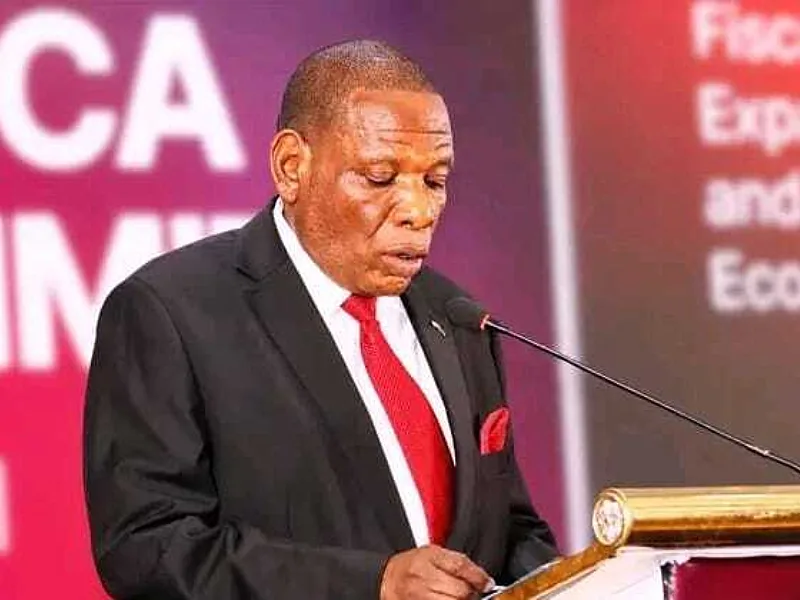
Energy Principal Secretary Alex Wachira described geothermal as more than an energy resource, calling it a catalyst for economic transformation, industrial development, energy security, climate resilience and sustainable prosperity.
Kenya Turns Steam Into Strategy
Kenya’s geothermal story is rooted in the Rift Valley, where volcanic landscapes have a foundation for national energy security.
From Olkaria to Menengai, the country has built one of the most advanced geothermal ecosystems in the Global South.
That journey has involved public investment, utility leadership, scientific capacity, drilling expertise, and partnerships with development finance institutions. It has also created an African reference point for countries such as Ethiopia, Tanzania, Djibouti, Uganda and Rwanda, where geothermal resources remain underdeveloped.
The 2029 congress gives Kenya a rare global platform to showcase this experience. It also creates a convening moment for African energy ministers, utilities, regulators, project developers and financiers seeking bankable clean-energy projects.
The congress is expected to strengthen Nairobi’s positioning as a clean-energy and climate-policy hub.
With the United Nations Environment Programme headquartered in the city, Kenya already sits at the intersection of diplomacy, sustainability and African market development.
For ordinary Kenyans, the story is also practical. Reliable electricity affects school lighting, cold storage for farmers, hospital equipment, small manufacturing, digital work and household costs. When geothermal power works, it not only reduces emissions.
It reduces uncertainty.
What Africa Could Gain From Heat
Hosting the congress could accelerate geothermal investment across the continent. Africa’s geothermal belt stretches through the East African Rift, but many countries still face high exploration risk, early-stage drilling costs, weak transmission systems and limited project preparation capacity.
Kenya’s success shows what can happen when policy direction, public institutions and technical capability are aligned over time.
It offers a model for transforming underground heat into grid stability and industrial competitiveness.
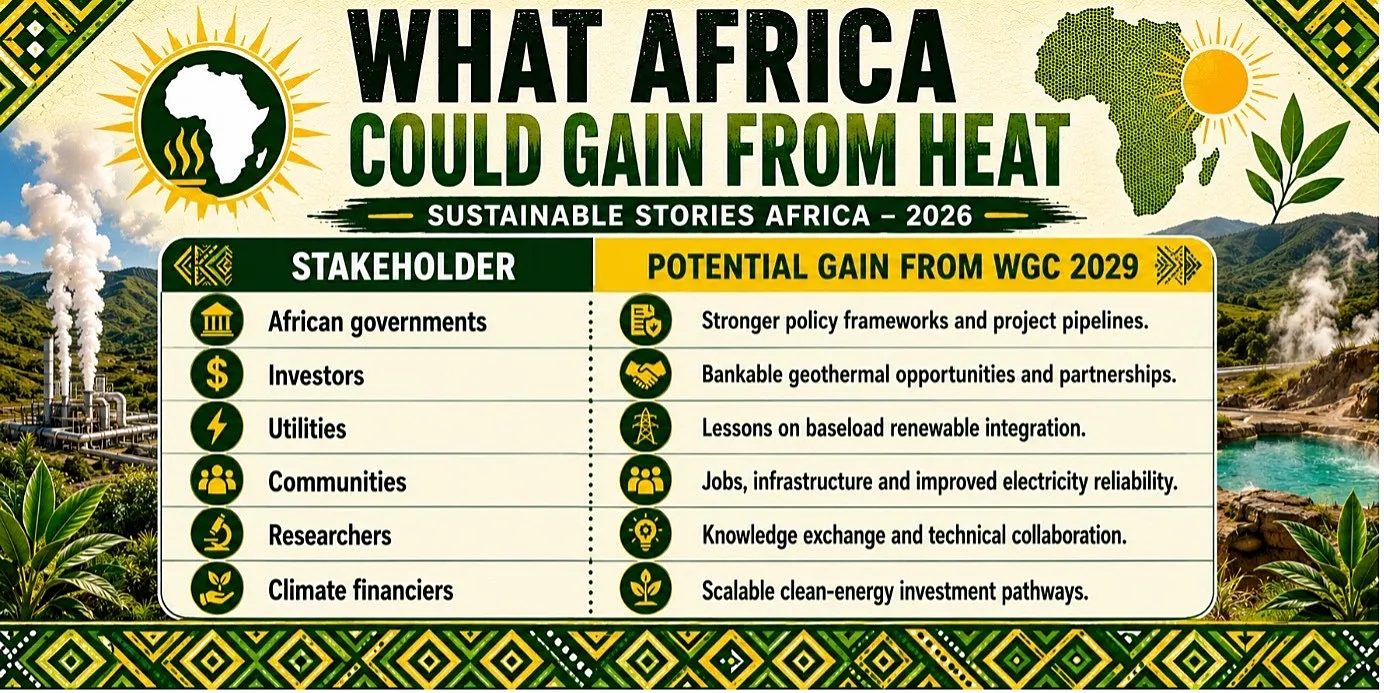
The opportunity is bigger than conference tourism. Nairobi could become the place where Africa’s geothermal future is financed, debated and accelerated.
If the moment is used well, the congress can unlock partnerships for drilling risk insurance, regional training centres, transmission planning, private-sector participation and cross-border power trade.
If it is not used well, Africa risks celebrating a symbolic win without converting it into projects, jobs and megawatts.
Convert Recognition Into Investment
Kenya’s next task is to turn global attention into measurable outcomes. That means preparing a strong investment pipeline before 2029, strengthening local technical capacity, and ensuring the congress produces partnerships beyond speeches and exhibition booths.
- Policymakers should use the next three years to align geothermal development with industrial policy, green manufacturing, climate finance and regional power trade.
- Development banks and private investors should treat WGC 2029 as a deadline for project preparation, not merely a networking opportunity.
For African countries with geothermal resources, the message is clear: the energy transition will not be won only by importing technology.
It will be transformed by local geology, domestic institutions, regional cooperation and discipline in long-term policy.
Kenya’s win should therefore become Africa’s invitation to invest in science, de-risk exploration, train engineers, build transmission lines and make renewable baseload power central to economic transformation.
Path Forward – For Geothermal Growth
Kenya must now convert the congress into a pipeline of projects, partnerships and skills.
The priority should be investment readiness, regional collaboration, community benefit and stronger African technical leadership.
WGC 2029 can advance ESG objectives by linking clean energy, jobs, resilience and inclusive development.
If Nairobi becomes a marketplace for action, Africa’s geothermal future could move from potential to power.
Culled From: Kenya wins bid to host World Geothermal Congress 2029 in Nairobi