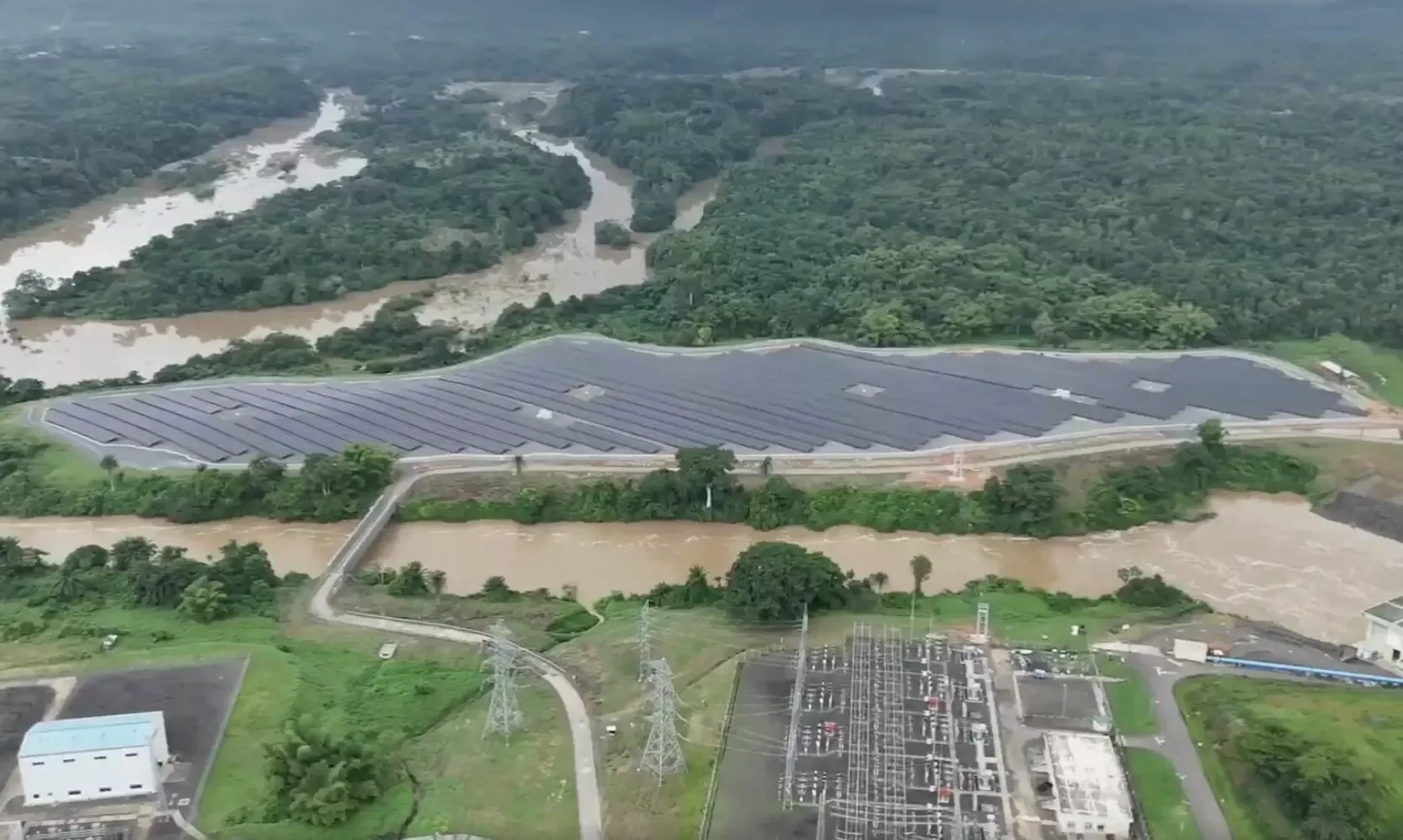
Liberia has secured an additional $57 million in World Bank financing to expand the Mount Coffee Solar Park from 20 MW to 30 MW and deploy battery storage capacity.
The investment comes as the country seeks to address chronic electricity shortages, improve grid reliability, and accelerate its clean energy transition.
For households, businesses, and industries, the project represents more than new infrastructure; it signals a pathway toward affordable power, economic growth, and greater climate resilience.
A Solar Investment With National Consequences
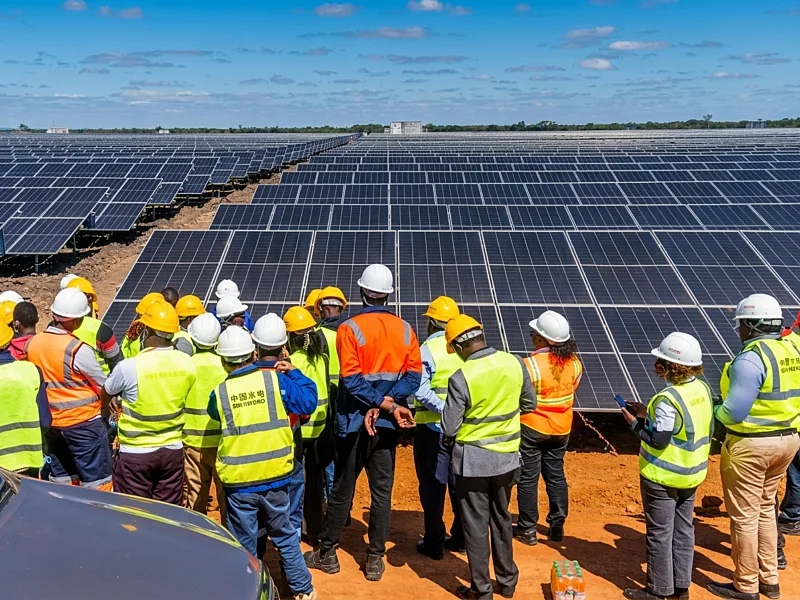
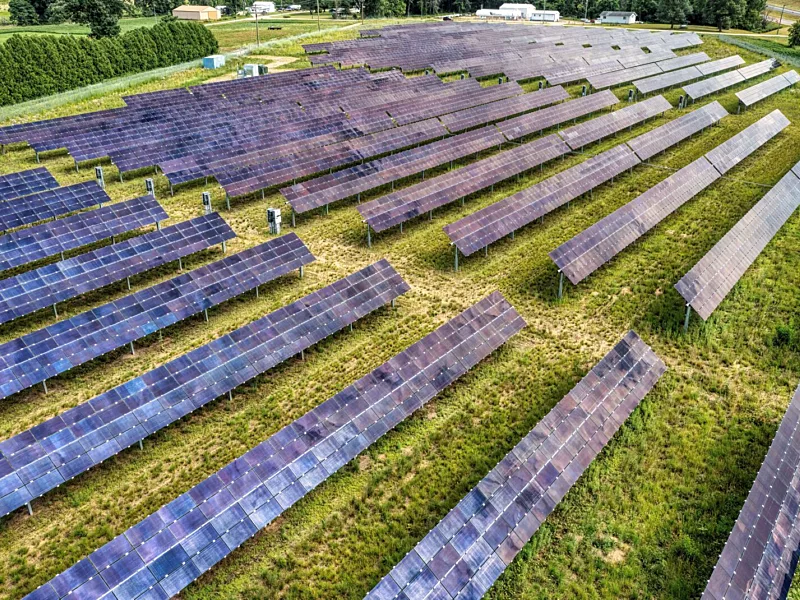
Liberia has secured an additional $57 million in financing from the World Bank to expand the Mount Coffee Solar Park from 20 megawatts (MW) to 30 MW, while adding a 12-megawatt-hour battery energy storage system to strengthen the electricity supply and improve grid stability.
The funding forms part of broader efforts to modernise the country's energy infrastructure and reduce dependence on costly and unreliable power sources.
The announcement comes shortly after the commissioning of Liberia's first utility-scale grid-connected solar photovoltaic facility at Mount Coffee, which signals a major shift in the country's renewable energy ambitions.
President Joseph Nyuma Boakai described the project as a critical step toward expanding access to affordable electricity while supporting economic development, job creation, and industrial growth.
For a country where electricity access remains among the lowest in the world and power costs continue to constrain economic activity, the expansion is more than an energy project; it is a development strategy.
Building A More Reliable Energy Future
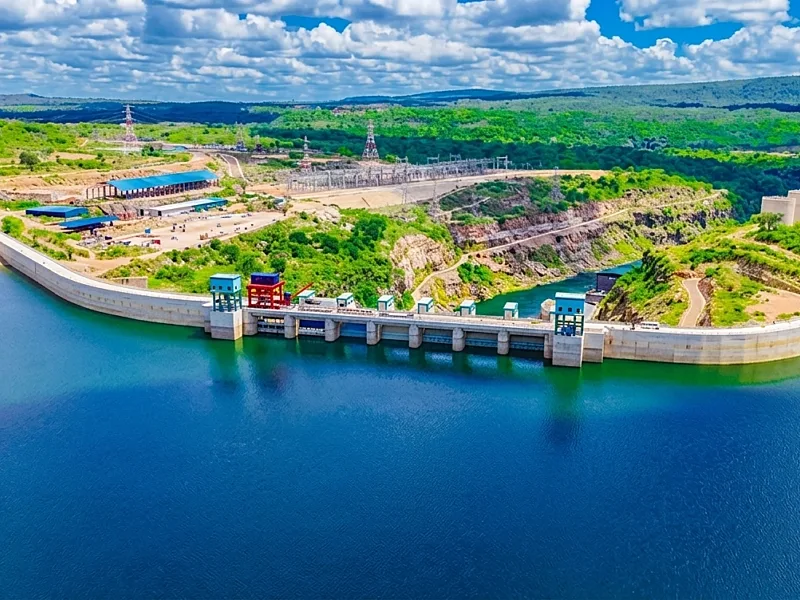
New financing will support a 10 MW solar photovoltaic installation with battery storage at Liberia's Mount Coffee Hydropower Plant, creating a hybrid renewable energy system designed to withstand seasonal fluctuations in hydropower output.
The battery infrastructure will capture daytime solar generation and release it during peak demand periods, directly addressing supply gaps caused by prolonged dry seasons, a growing challenge across Africa as climate variability disrupts hydropower production.
With Mount Coffee anchoring the national electricity supply, diversifying energy sources has become both an economic and energy security priority for Liberia.
The project aligns with the World Bank-backed Regional Emergency Solar Power Intervention (RESPITE), targeting multiple grid-connected solar parks across West Africa by the end of 2026, strengthening the West African Power Pool.
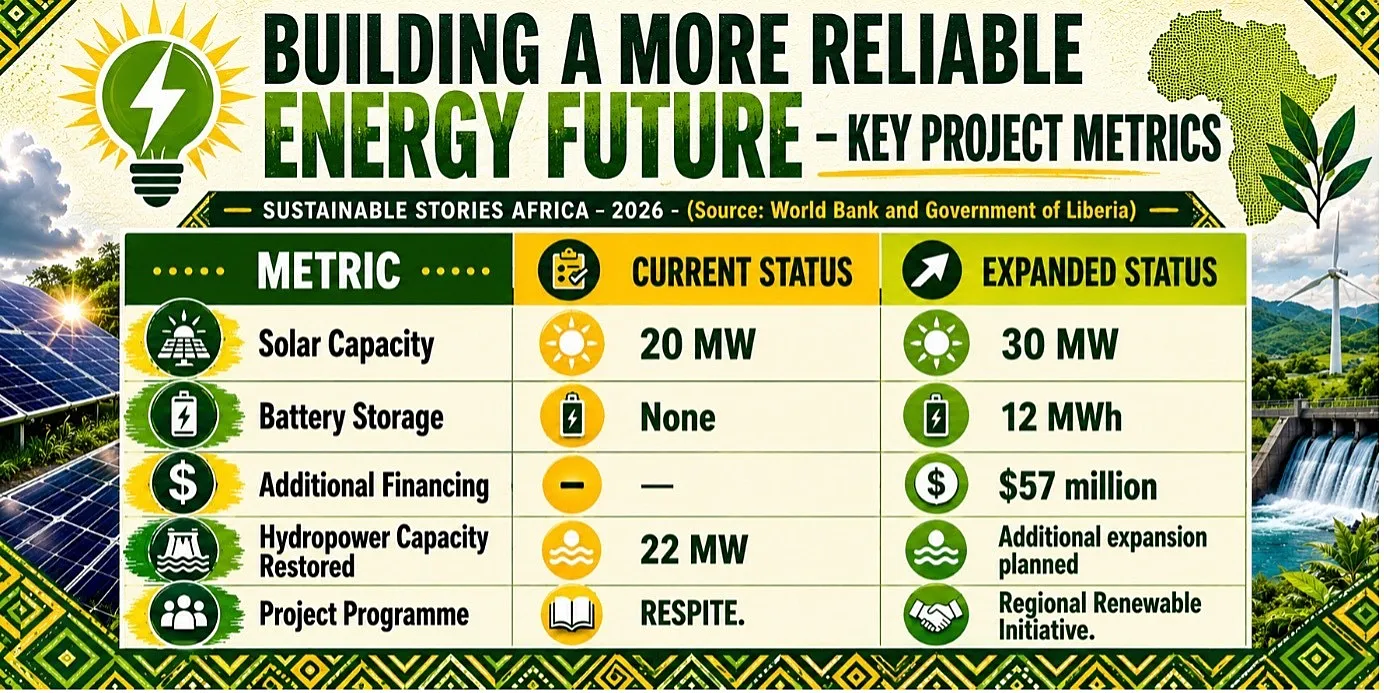
Further plans to expand Mount Coffee's capacity by 42 MW could position the site as Liberia's most significant renewable energy hub.
Why Cleaner Power Means More Than Electricity
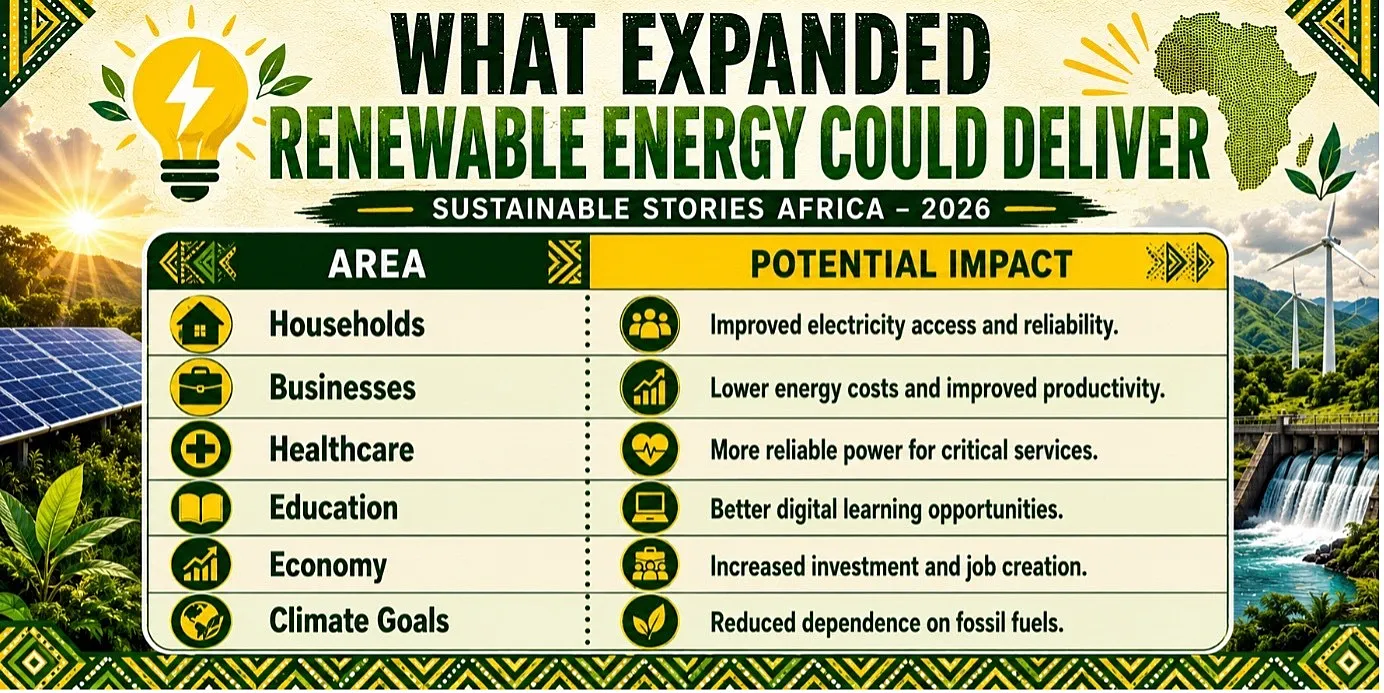
Reliable electricity has implications far beyond keeping lights on.
- For hospitals, it means uninterrupted healthcare services.
- For schools, it means access to digital learning tools.
- For businesses, it means lower operating costs and greater productivity.
- For manufacturers and mining operators, it improves competitiveness and investment attractiveness.
The economic case is particularly compelling. Liberia's private sector has long relied on expensive diesel generators to compensate for unreliable grid electricity.
Expanding renewable generation can reduce fuel imports, improve energy affordability, and create a stronger foundation for industrialisation.
The battery storage component adds another layer of value. By storing excess solar energy and dispatching it when demand rises, the system can improve reliability and reduce pressure on the national grid.
This capability is becoming increasingly important as countries pursue higher shares of renewable energy generation.
Turning Infrastructure Into Inclusive Growth
While financing is a significant milestone, successful implementation will determine whether the project delivers its full economic and social benefits.
Experts note that generation capacity alone is not enough. Liberia must continue investing in transmission and distribution networks to ensure electricity reaches homes, businesses, and rural communities.
Grid expansion, maintenance, and institutional capacity building will be essential to translating the new generation into meaningful development outcomes.
The project also highlights the growing role of blended finance and multilateral partnerships in addressing Africa's infrastructure gap.
As governments seek to balance development priorities with climate commitments, renewable energy investments increasingly represent both an economic and sustainability opportunity.
For investors, development finance institutions, and policymakers, Mount Coffee offers a case study in how renewable infrastructure can strengthen resilience while supporting long-term growth.
Path Forward – Through Renewable Energy
Liberia's next challenge is ensuring that new renewable generation translates into broader energy access, lower costs, and stronger economic participation.
Continued investment in transmission networks, storage technologies, and grid modernisation will be critical.
The Mount Coffee expansion demonstrates how climate-aligned infrastructure can advance energy security, economic resilience, and sustainable development simultaneously.
If successfully implemented, it could become a blueprint for renewable energy deployment across emerging African markets.
Culled From: Liberia secures US$57 Million to expand Mount Coffee Solar Park to 30 MW - Green Building Africa