Mali's National Transitional Council has ratified African Development Bank-backed loan agreements to finance a major electricity transmission project for Bamako.
The move unlocks a $190 million investment to improve power reliability, expand grid connections and reduce outages.
For households, businesses and manufacturers, the project represents more than infrastructure; it offers the prospect of a more dependable foundation for economic growth.
Parliament unlocks major power infrastructure investment
Mali has taken a significant step toward addressing chronic electricity shortages after its National Transitional Council unanimously adopted legislation authorising the ratification of loan agreements signed with the African Development Bank Group for the Bamako North 225 kV Loop Project.
The decision clears the way for the implementation of a $190 million electricity infrastructure programme designed to strengthen the security and reliability of power supply across Bamako and surrounding communities.
The financing package follows agreements signed on 25 February 2026 between the Malian government and the African Development Bank Group.
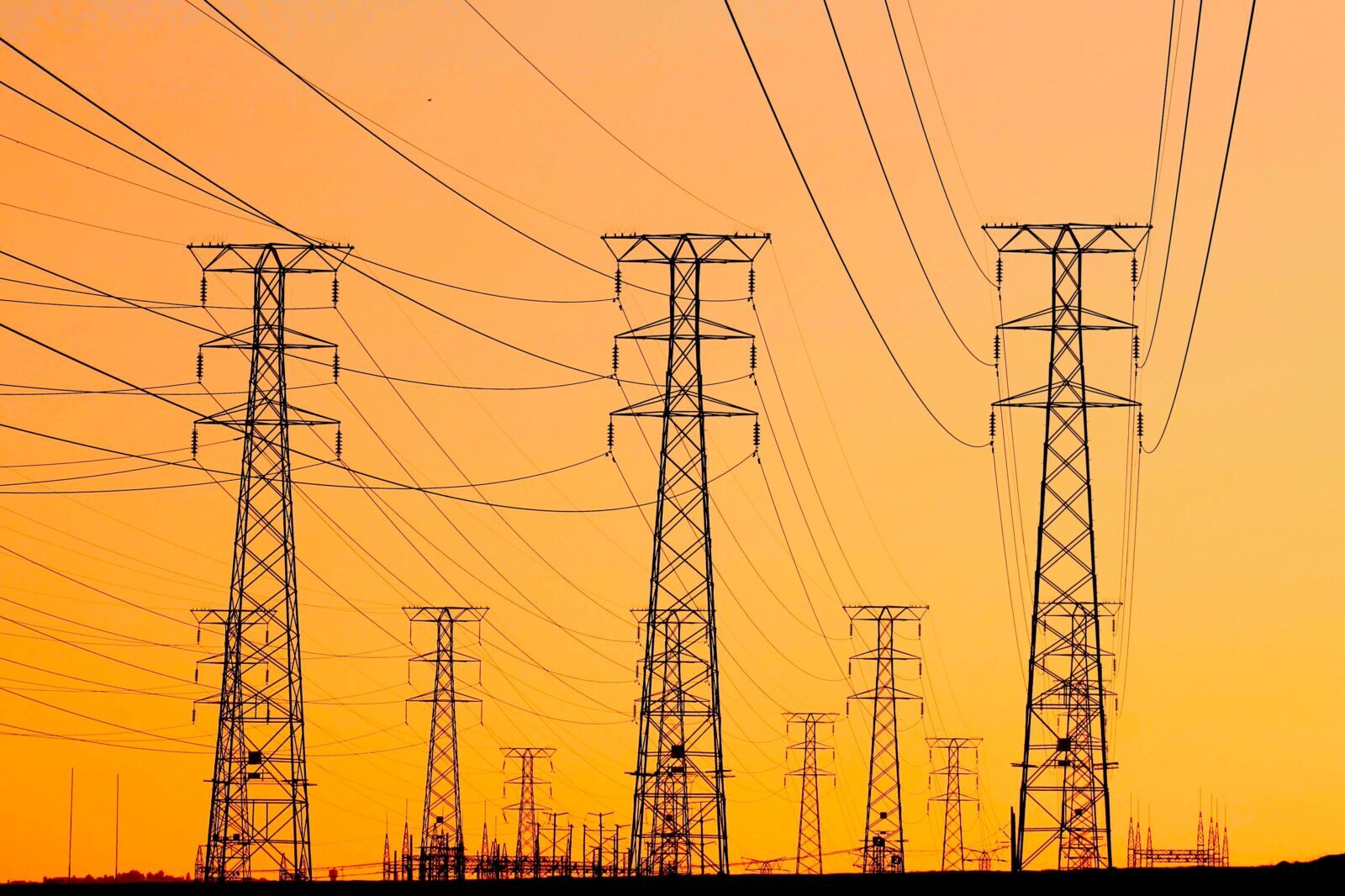
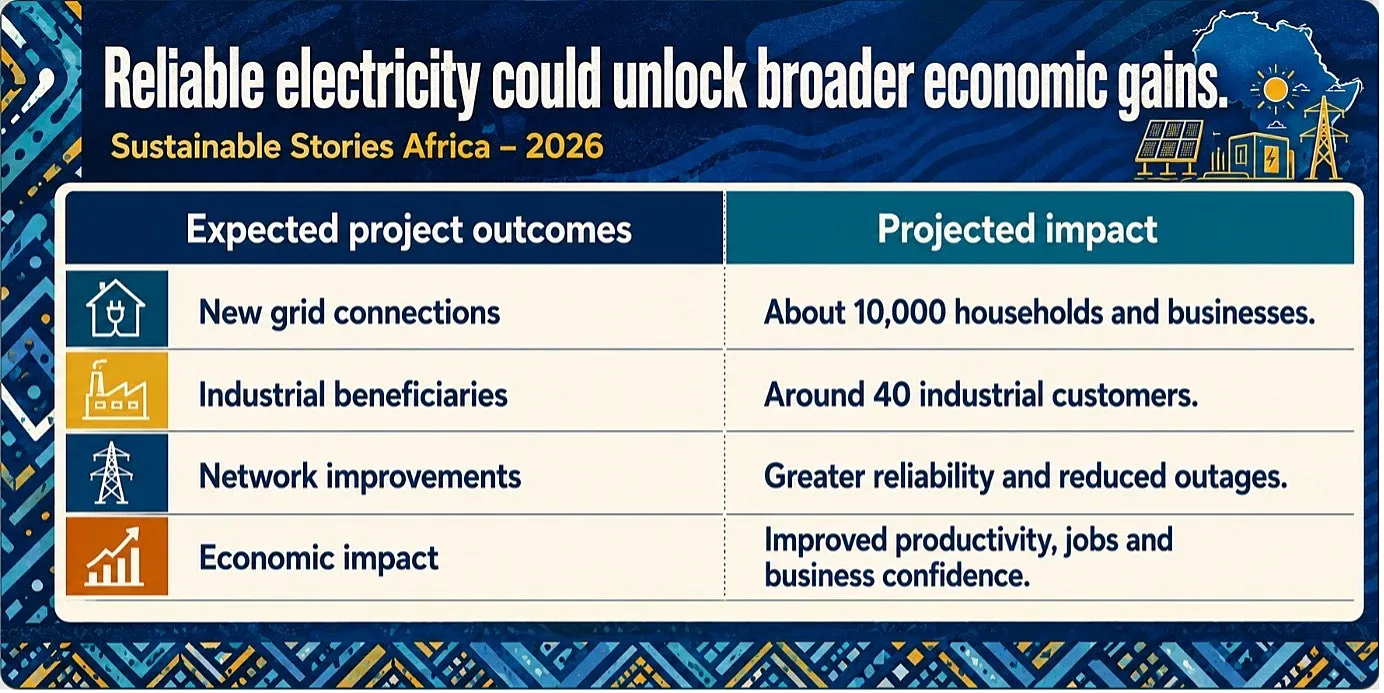
The project will modernise the capital's electricity transmission and distribution network, connect approximately 10,000 additional households and small businesses to the national grid, and improve electricity quality for around 40 industrial facilities, helping reduce persistent supply disruptions that have constrained economic activity.
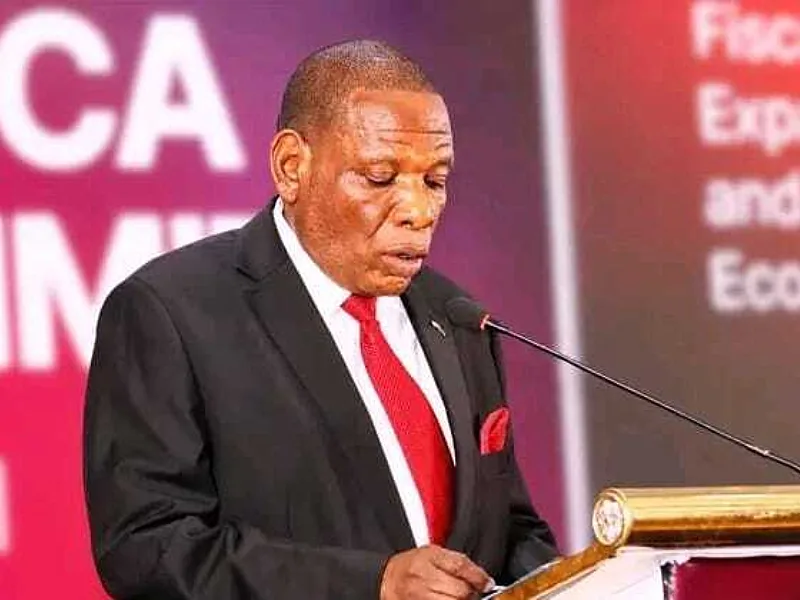
Speaking during the parliamentary session, Mali's Minister of Energy and Water, Tiémoko Traoré, said the project would substantially ease electricity supply challenges affecting residents and businesses in Bamako and neighbouring towns.
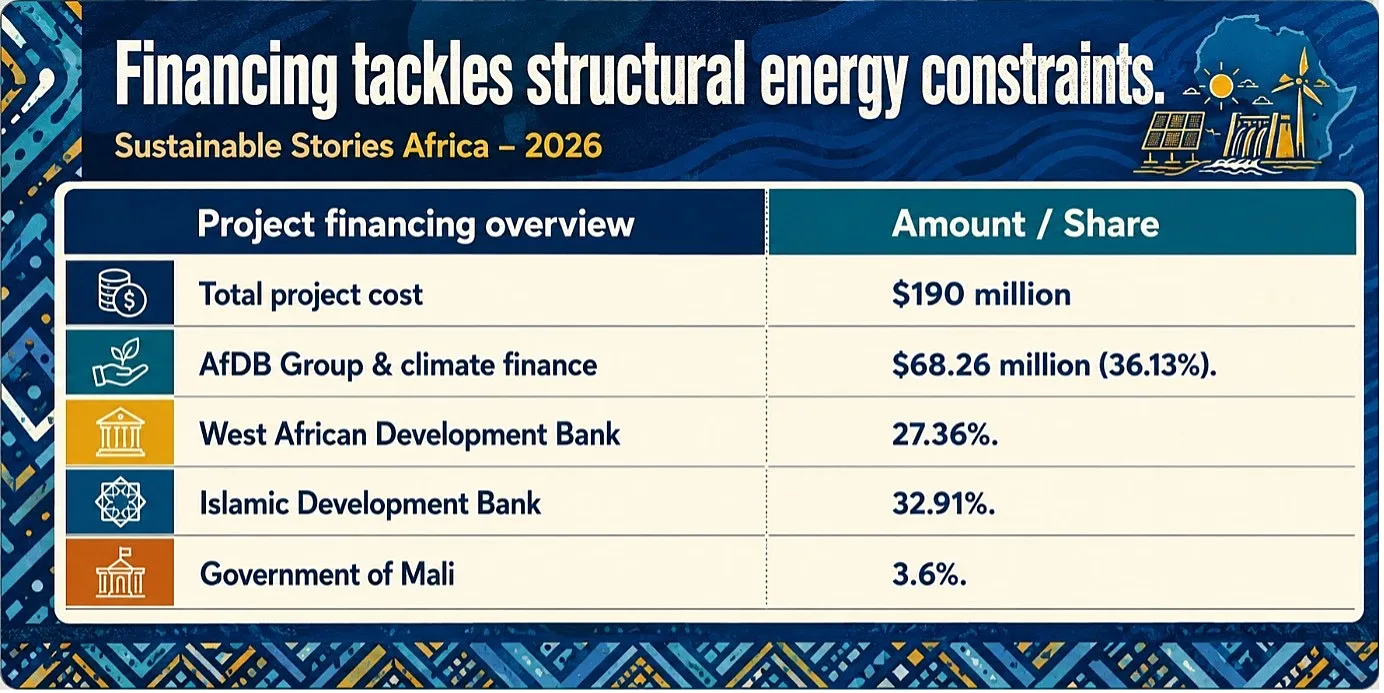
Financing tackles structural energy constraints
The African Development Bank Group is providing $68.26 million through several financing instruments, including a $35.27 million loan from the African Development Fund and $18.99 million from the Transition Support Facility. Additional climate finance includes a $5 million concessional loan and $6.8 million grant from the Climate Investment Funds, alongside a $2.2 million grant from the Green Climate Fund.
The remaining financing comes from the West African Development Bank, the Islamic Development Bank and the Government of Mali.
The investment comes against a backdrop of rising electricity demand and longstanding infrastructure weaknesses.
According to project data, Mali's electricity access rate stood at 55.8% in 2023, with urban access reaching 86.6% while rural access remained significantly lower at 30.4%. Electricity demand is growing by roughly 10% annually.
However,generation capacity has struggled to keep pace, leaving the country heavily dependent on thermal generation and imported fuel while contending with high network losses and mounting fiscal pressure from electricity subsidies.
Consistent with the principles of objective reporting for official announcements, the ratification answers the immediate questions of what has happened, when the financing agreements were signed, who approved the legislation, how implementation will proceed through the Bamako North Loop Project, and why the investment is considered necessary to strengthen Mali's electricity system and economic resilience.
Reliable electricity could unlock broader economic gains
Reliable electricity remains one of the most important enablers of industrial growth, digital services, healthcare delivery and agricultural processing across African economies. For Bamako, strengthening transmission infrastructure could reduce costly outages that interrupt manufacturing, commercial activity and essential public services.
According to Cédric Mbeng Mezui, the African Development Bank Group's Country Office Manager for Mali, the project is expected to generate multiplier effects by supporting productive sectors, creating employment opportunities and improving economic prospects for young people and women.
Better transmission capacity will also position Bamako to integrate future renewable energy projects, including planned solar developments and regional power interconnections.
Infrastructure must translate into dependable service
Ratifying financing agreements is an important milestone, but the project's long-term success will depend on timely procurement, transparent implementation and effective coordination among development partners and national institutions.
Construction is expected to begin during the third quarter of 2026. Delivering the project on schedule will be critical to improving electricity reliability while creating the conditions for increased private investment, stronger industrial competitiveness and greater integration of renewable energy into Mali's evolving power system.
Path Forward – Building resilient power systems together
The immediate priority is translating approved financing into visible infrastructure improvements that deliver measurable benefits for households, businesses and industry.
Efficient project execution will determine whether the investment achieves its intended impact.
Over the longer term, strengthening Bamako's transmission network supports broader ESG objectives by improving energy resilience, enabling cleaner electricity integration and creating a stronger foundation for inclusive economic development across Mali and the wider West African power market.
Culled From: Mali ratifies African Development Bank loans to strengthen Bamako’s electricity supply