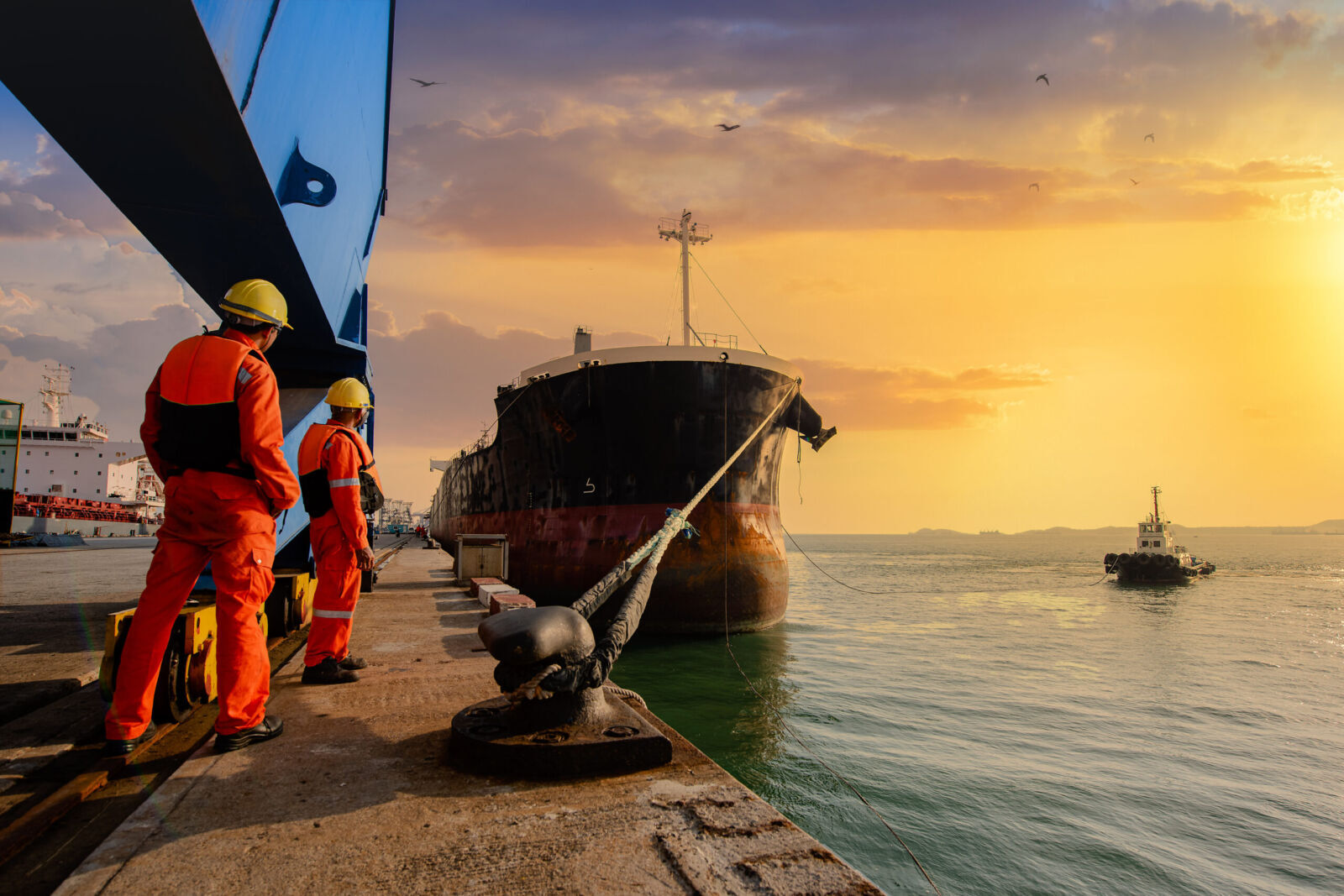
The global maritime system is becoming more contested, costly and unpredictable.
A Brookings analysis argues that growing disorder at sea is exposing the limits of American naval power despite continued military dominance.
For Africa and other trade-dependent regions, the implications extend beyond security into energy flows, supply chains, investment costs and economic resilience.
Global Seas Enter A More Dangerous Era
For decades, the world's oceans were largely governed by a maritime order underpinned by American naval dominance. That assumption is now being challenged.
An analysis by the Brookings Institution argues that the international maritime system is not collapsing but is entering a period of persistent disorder marked by strategic competition, coercion, infrastructure vulnerabilities and rising geopolitical tensions.
The report warns that even the world's most powerful navy may no longer be capable of managing every disruption emerging across increasingly contested seas.
The warning comes at a time when attacks on commercial shipping routes, threats to undersea infrastructure, disruptions in key chokepoints and intensifying great-power competition are reshaping global trade patterns.
For economies that depend heavily on maritime commerce, including many African nations, the stakes are significant.
More than 80% of global trade by volume moves by sea, while vital energy supplies, digital communications and industrial supply chains remain deeply dependent on maritime routes.
Three Forces Are Reshaping Maritime Security
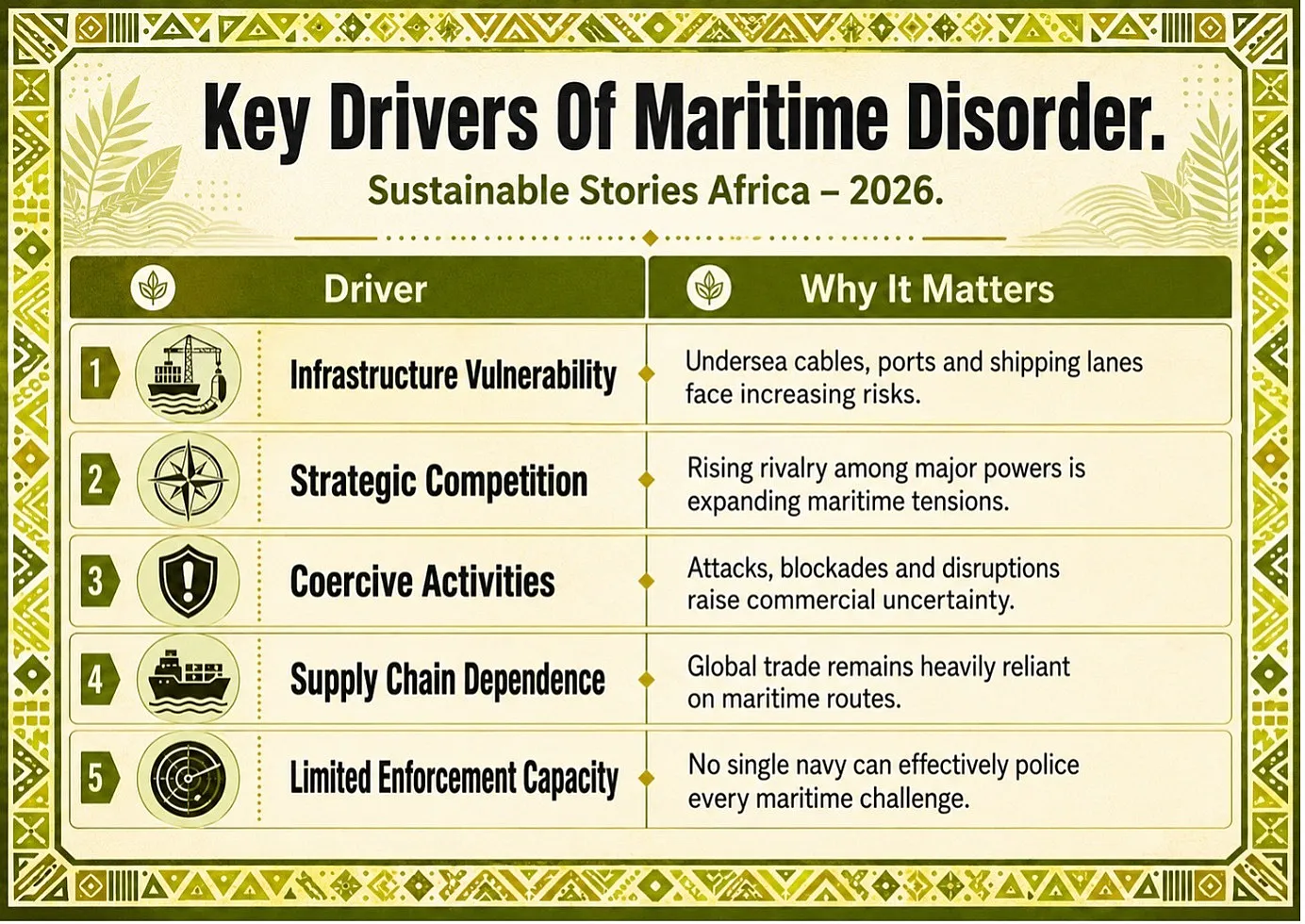
According to Brookings, today's maritime disorder is being driven by three interconnected pressures: systemic vulnerabilities, structural shifts in global power and coercive actions by state and non-state actors.
The report argues that modern maritime networks have become highly interconnected but also increasingly exposed.
- Undersea cables carry the vast majority of international data traffic.
- Energy shipments remain concentrated through strategic chokepoints.
- Commercial shipping routes have become critical arteries of globalisation.
Disruptions in any of these areas can generate ripple effects across entire economies.
At the same time, maritime power is becoming more diffuse.
While the United States remains the dominant naval force globally, other countries are expanding their maritime capabilities.
China, for example, has built extensive commercial shipping, shipbuilding and maritime infrastructure networks that increasingly influence global trade patterns and strategic competition.
For Africa, these trends are not abstract geopolitical debates.
Many African economies rely on maritime imports for fuel, food, industrial inputs and consumer goods.
Rising insurance costs, shipping delays and disruptions in trade corridors can quickly translate into inflationary pressures and higher business costs.
A delay in shipping through a strategic corridor thousands of kilometres away can ultimately affect electricity prices, food security and manufacturing competitiveness in African markets.
Resilience Could Become A Strategic Advantage
Despite the challenges, maritime disorder also presents an opportunity for governments and businesses to rethink resilience.
The Brookings analysis argues that the objective should no longer be restoring the maritime conditions of the 1990s.
Instead, policymakers must adapt to a world where disruption is a recurring feature rather than an exceptional event.
For African economies, this could mean investing in stronger ports, diversifying trade routes, expanding regional logistics networks and strengthening maritime governance.
Countries that improve supply chain visibility, port efficiency and regional trade integration may be better positioned to absorb future shocks.
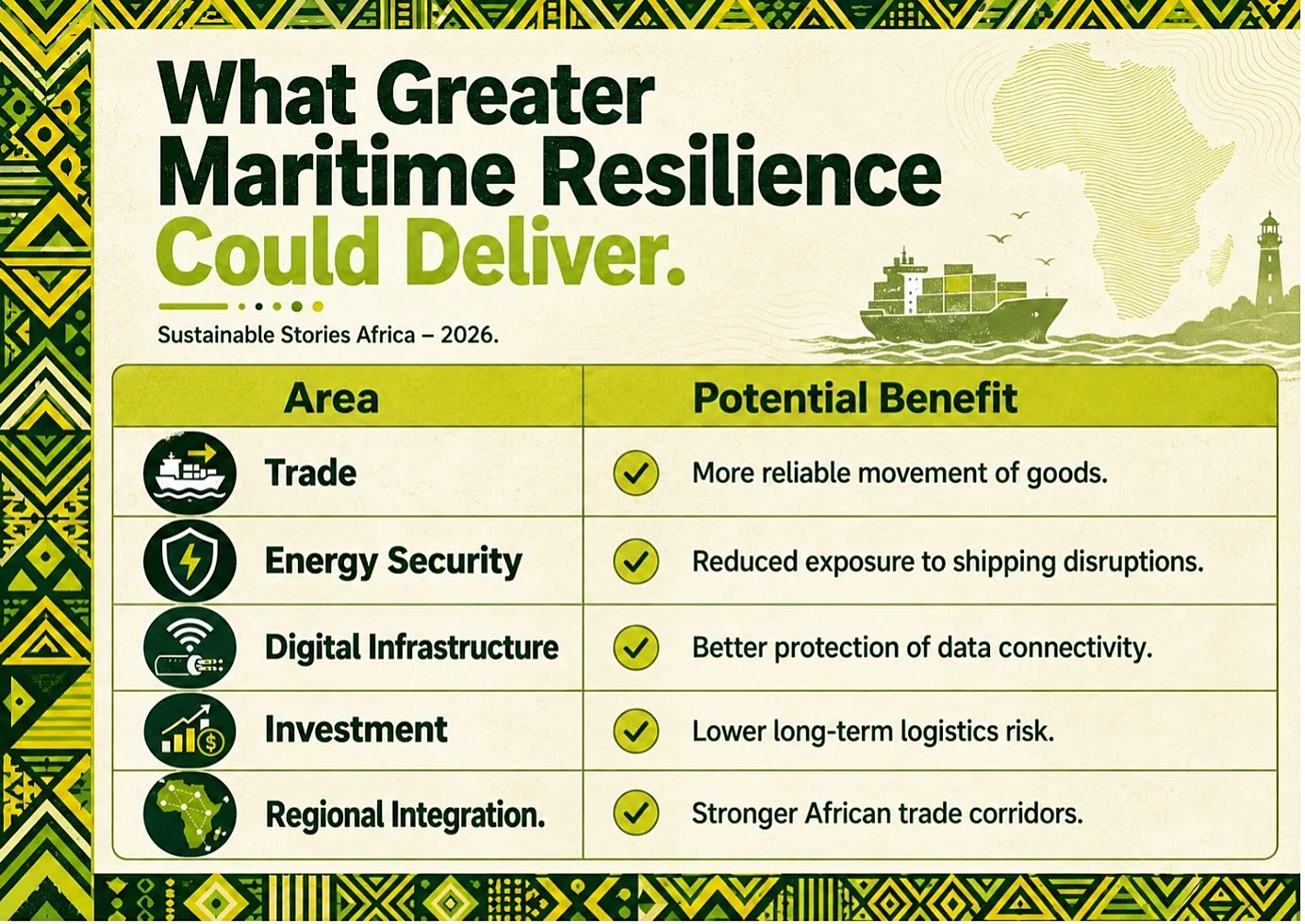
The potential gains extend beyond security. More resilient maritime systems can support industrialisation, regional value chains and implementation of the African Continental Free Trade Area.
Governments Must Plan For Permanent Uncertainty
The central message from Brookings is that maritime disorder should no longer be treated as a series of isolated crises.
Instead, governments, businesses and international institutions need strategic frameworks that recognise disruption as a continuous reality.
- For African policymakers, this means embedding maritime risk into economic planning, infrastructure investment and national resilience strategies.
- For businesses, it requires stronger supply chain mapping, diversified sourcing and greater attention to geopolitical risks.
- For investors, it highlights the growing importance of logistics infrastructure, digital connectivity and trade resilience as long-term investment themes.
The cost of inaction may be rising faster than the cost of preparation.
Path Forward – Building Resilience For Uncertain Seas
The emerging maritime environment requires a shift from crisis response to resilience planning.
Governments, ports, logistics operators and investors will need to collaborate more closely to manage growing uncertainty across global trade routes.
For African markets, the priority is clear: strengthen maritime infrastructure, deepen regional integration and build systems capable of withstanding future disruptions. In a world of persistent maritime disorder, resilience may become one of the continent's most valuable economic assets.
Culled From: The new disorder at sea and the limits of American sea power | Brookings