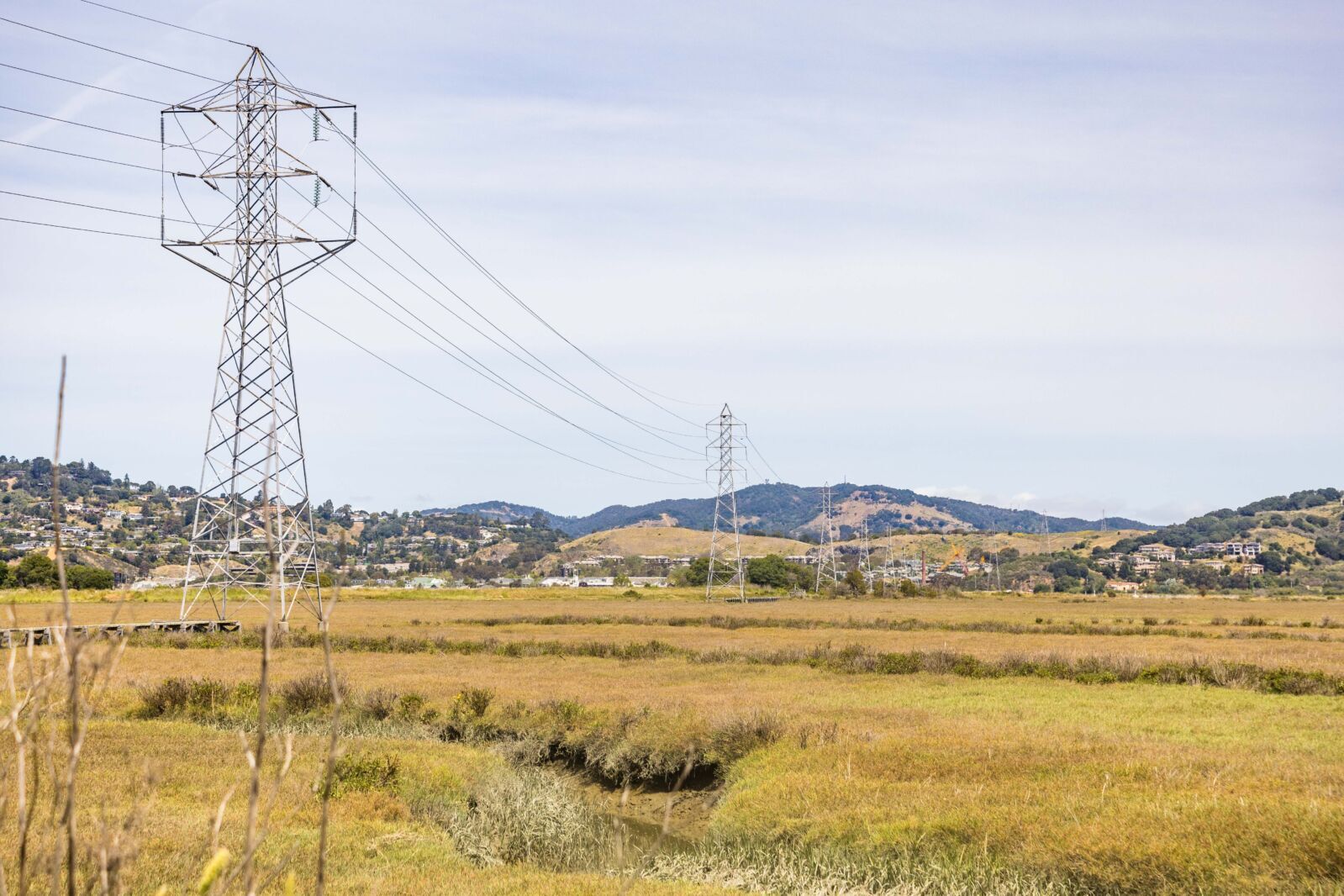
Regional electricity markets are reshaping who controls economic influence across borders as interconnected grids replace isolated national systems.
The countries, utilities and investors building transmission corridors are becoming the new power brokers of the energy transition, influencing investment, industrial growth and energy security.
For Africa, the shift presents an opportunity to transform electricity from a domestic constraint into a regional economic asset that accelerates sustainable development.
Regional Grids Are Rewriting Energy Influence
Electricity is rapidly becoming the newest instrument of geopolitical and economic influence, not through oil pipelines or gas terminals, but through cross-border transmission lines that allow countries to trade power as seamlessly as goods and capital.
Across Africa, Europe and Asia, governments are accelerating regional grid integration to strengthen energy security, reduce electricity costs and unlock renewable resources that no single country can fully utilise.
The result is the emergence of a new class of regional power brokers: nations and utilities that can generate, transmit and export electricity across borders.
Rather than controlling fossil fuel reserves, these new "lords of cross-border power" derive influence from owning strategic transmission infrastructure, balancing regional electricity markets and providing reliable clean energy to neighbouring economies.
Infrastructure Is Becoming The New Currency
The global energy transition has fundamentally changed what constitutes strategic infrastructure.
While oil pipelines once determined regional influence, high-voltage transmission corridors now underpin economic competitiveness.
Europe continues expanding interconnected electricity markets to improve resilience after recent energy shocks. At the same time, China's ultra-high-voltage transmission network enables electricity generated thousands of kilometres away to support industrial centres.
Africa is moving in the same direction.
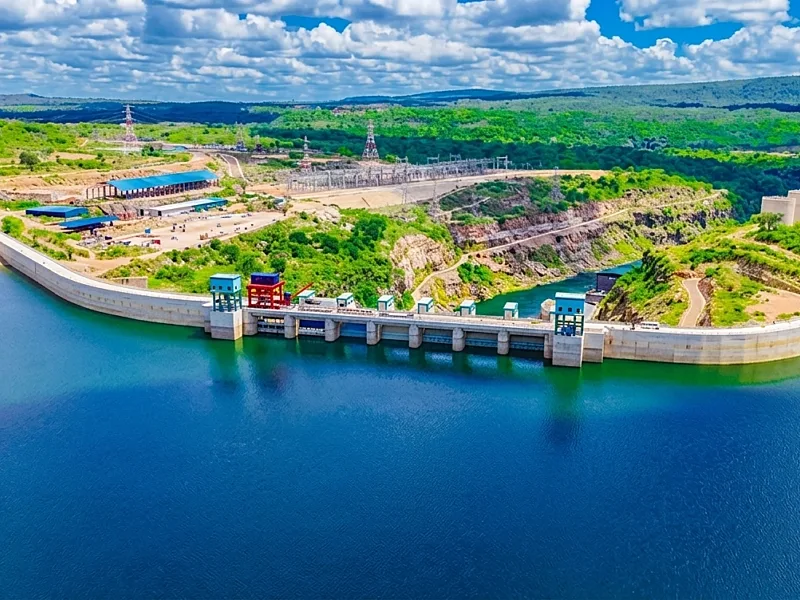
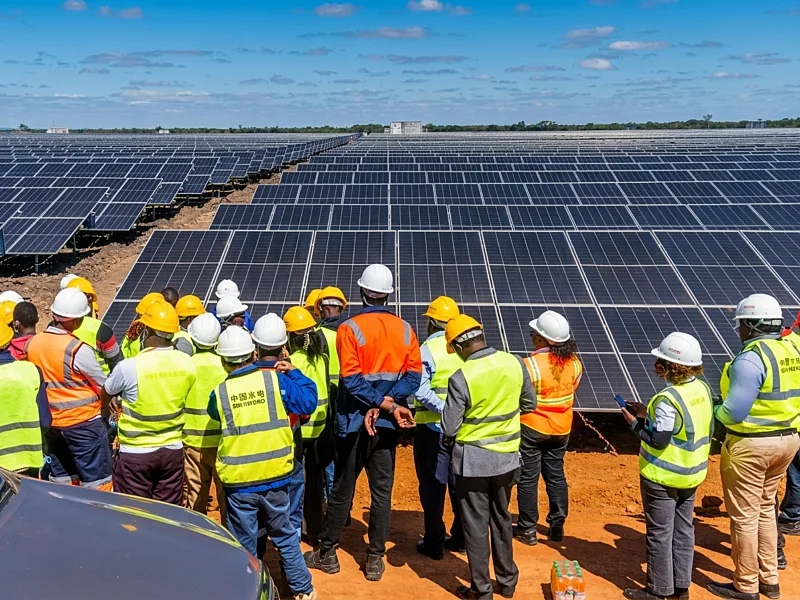
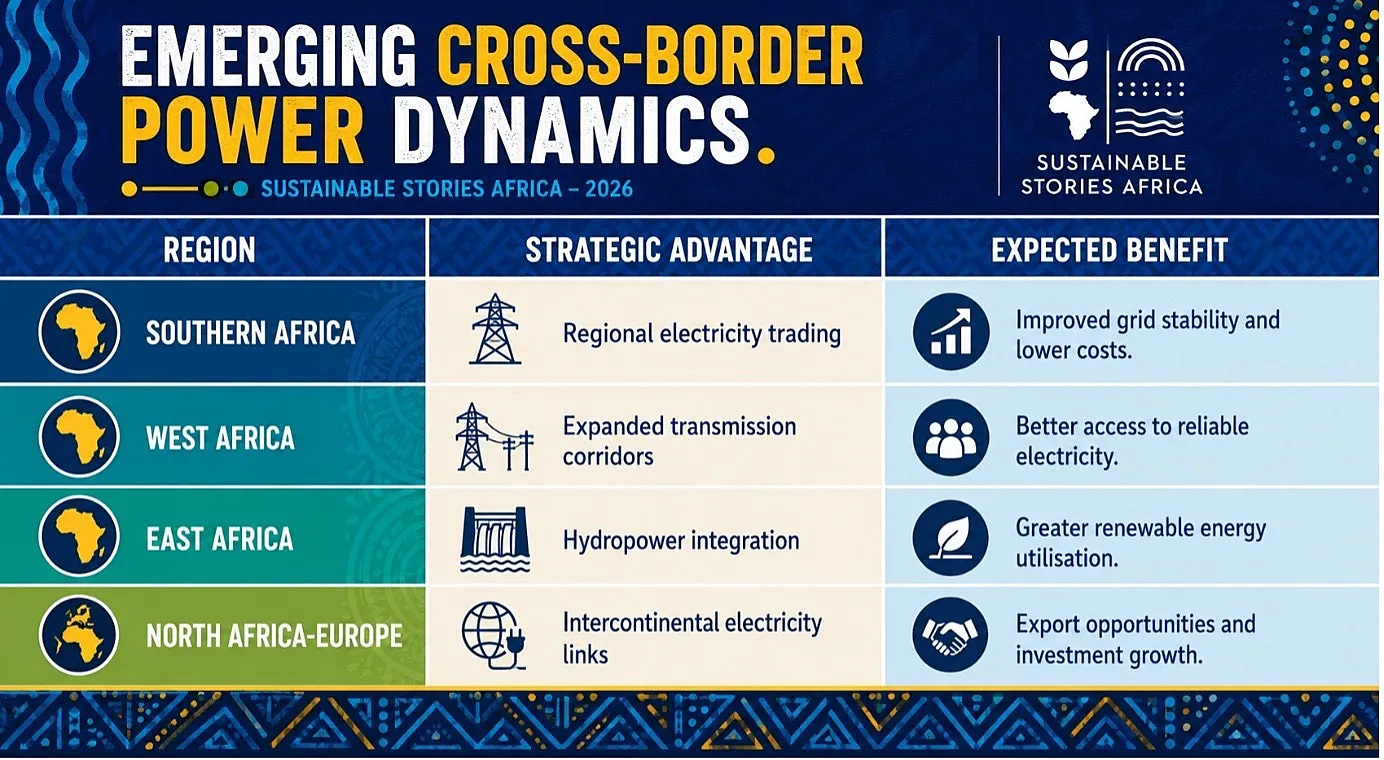
Regional power pools, including the Southern African Power Pool (SAPP), West African Power Pool (WAPP), Eastern Africa Power Pool (EAPP) and Central African Power Pool (CAPP), are gradually connecting national grids, allowing countries with surplus electricity to supply neighbours facing shortages.
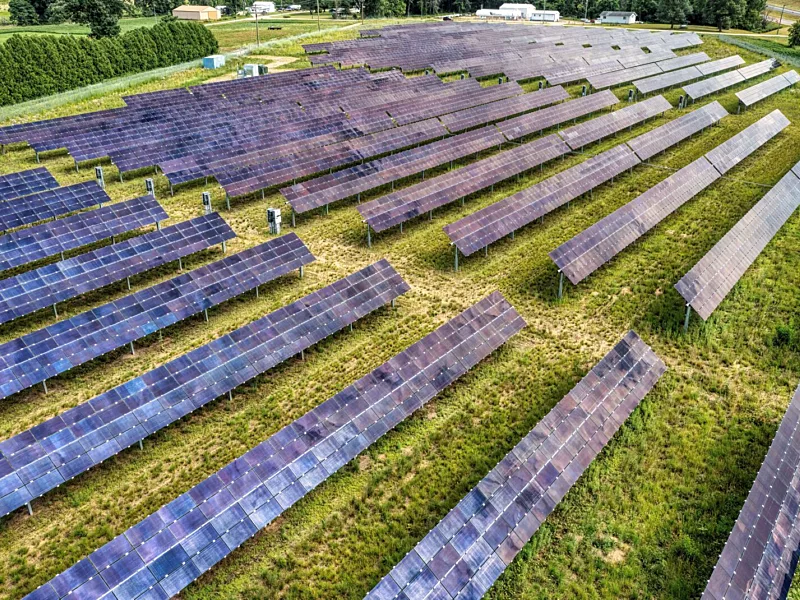
For renewable-rich countries, the opportunity is particularly significant. Solar generation peaks differently across regions.
- Hydropower depends on rainfall patterns that vary geographically.
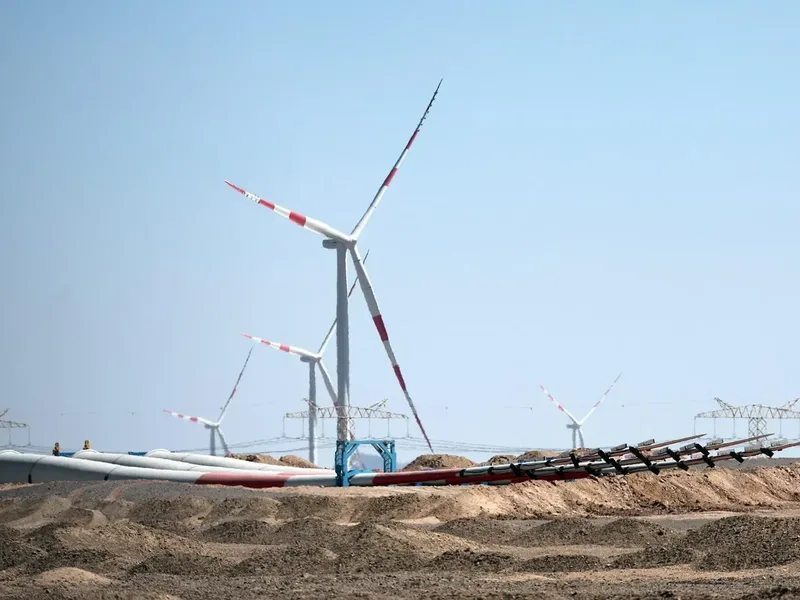
- Wind resources fluctuate by location.
Interconnected systems allow these differences to complement one another rather than become national vulnerabilities.
The economic implications extend beyond electricity.
Reliable regional power attracts manufacturers seeking dependable energy, enables data centres requiring uninterrupted supply and supports industries pursuing lower-carbon production.
Cross-border electricity is increasingly becoming a competitiveness issue rather than simply an energy policy objective.
Shared Power Creates Shared Prosperity
If regional electricity markets continue expanding, the benefits could reshape Africa's development trajectory.
- Countries rich in renewable resources could become exporters of clean electricity instead of relying solely on commodity exports.
- Energy-deficient economies could access affordable power without building every generation asset domestically.
- Businesses would face fewer production disruptions, while households could benefit from more reliable electricity services.
Cross-border electricity also strengthens climate resilience.
- When drought reduces hydropower production in one country, neighbouring solar or wind generation can compensate.
- During periods of high demand, interconnected systems provide flexibility that isolated grids cannot achieve.
Investors increasingly recognise these advantages.
- Development finance institutions, multilateral banks and private infrastructure investors are directing capital toward regional transmission projects because they deliver economic integration alongside decarbonisation.
However, the opportunity is not guaranteed.
- Regulatory fragmentation, slow infrastructure development, financing constraints and inconsistent market rules continue to limit electricity trade across many African regions.
Without coordinated reforms, valuable renewable resources could remain stranded while neighbouring countries continue experiencing energy shortages.
Build Markets Before Building More Barriers
Africa's energy transition requires more than generating additional electricity.
It demands building the institutional frameworks, transmission infrastructure and regional governance systems that allow electricity to move efficiently across national boundaries.
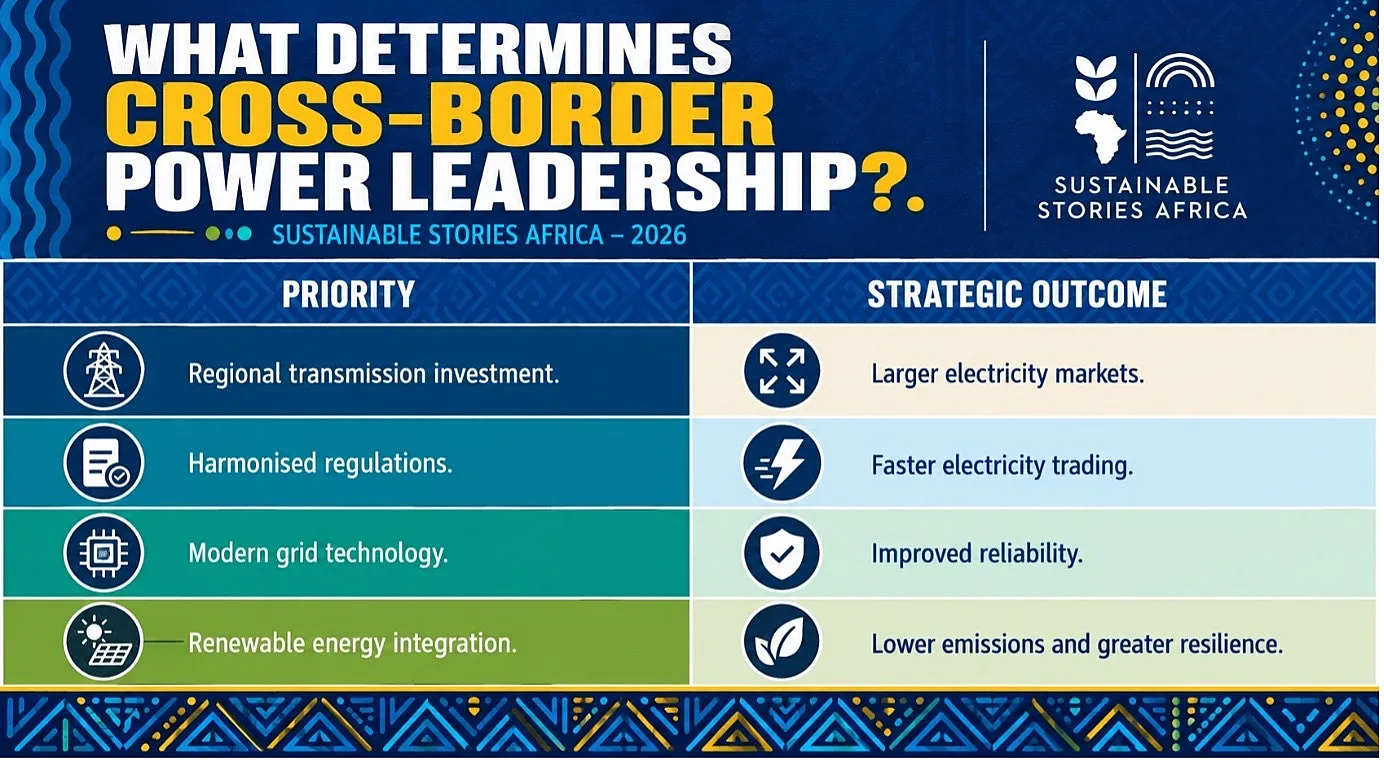
- Governments must accelerate interconnector investments, harmonise electricity regulations and strengthen regional market operators.
- Utilities should modernise grid management systems that support complex electricity flows.
- Investors should prioritise transmission infrastructure alongside renewable generation, recognising that clean energy has limited value if it cannot reach consumers.
- Businesses also have an important role to play by supporting long-term power purchase agreements that improve investment certainty for regional projects.
The countries that move fastest will not simply produce more electricity; they will shape regional economic development, attract new industries and strengthen energy security for millions of people.
Path Forward – Regional Cooperation Will Define Tomorrow's Influence
Regional electricity markets are transforming power infrastructure into a strategic economic asset. Africa's opportunity lies in connecting renewable resources, harmonising regulations and investing in modern transmission systems that benefit entire regions.
The next generation of energy leadership will belong to countries that export reliability, resilience and clean electricity—not only electrons. Cross-border cooperation will increasingly determine sustainable growth, industrial competitiveness and long-term ESG outcomes across African markets.
Culled From: Meet the new lords of cross-border power