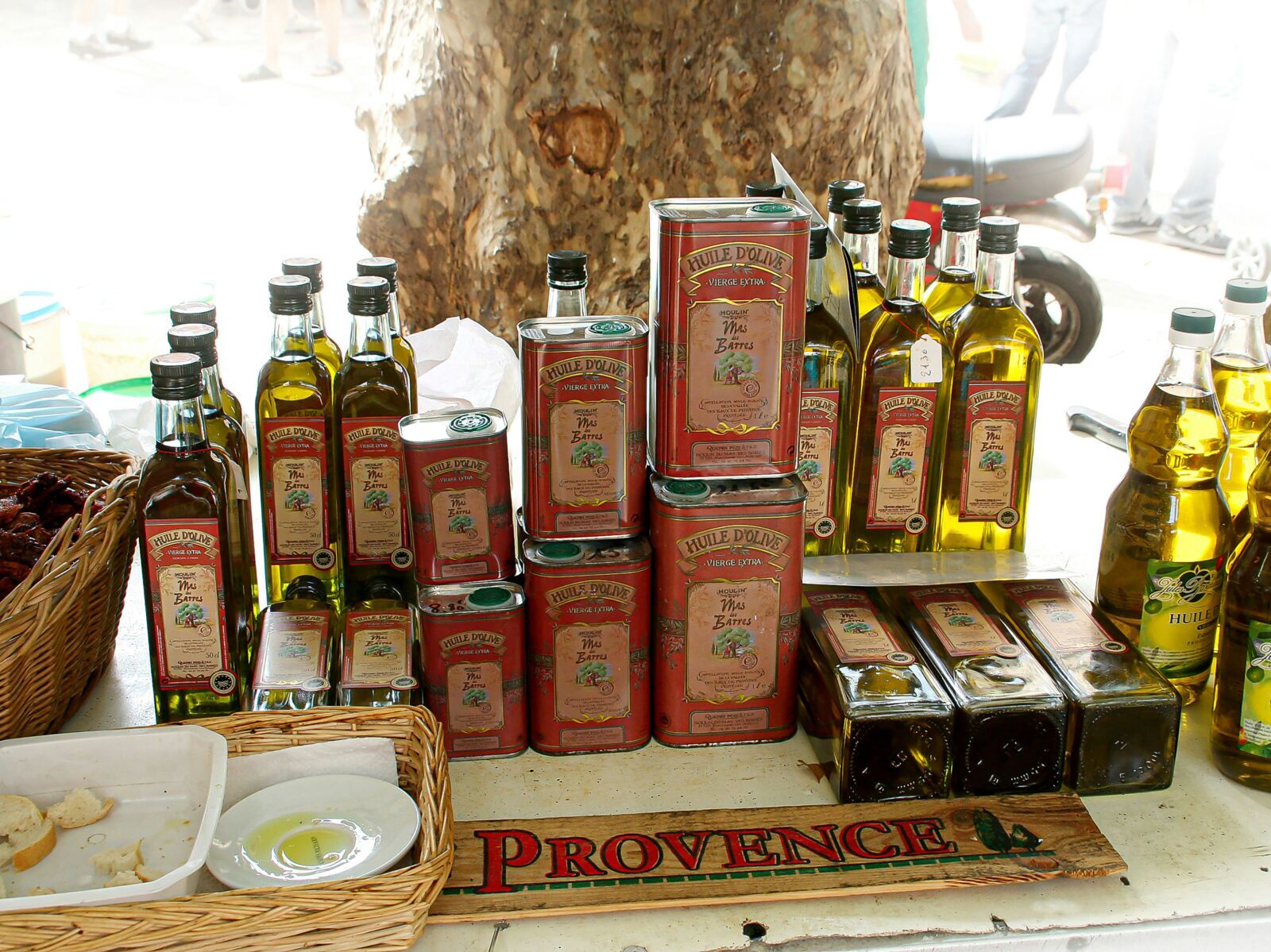
Morocco is expanding olive oil exports to Spain after a sharp production recovery.
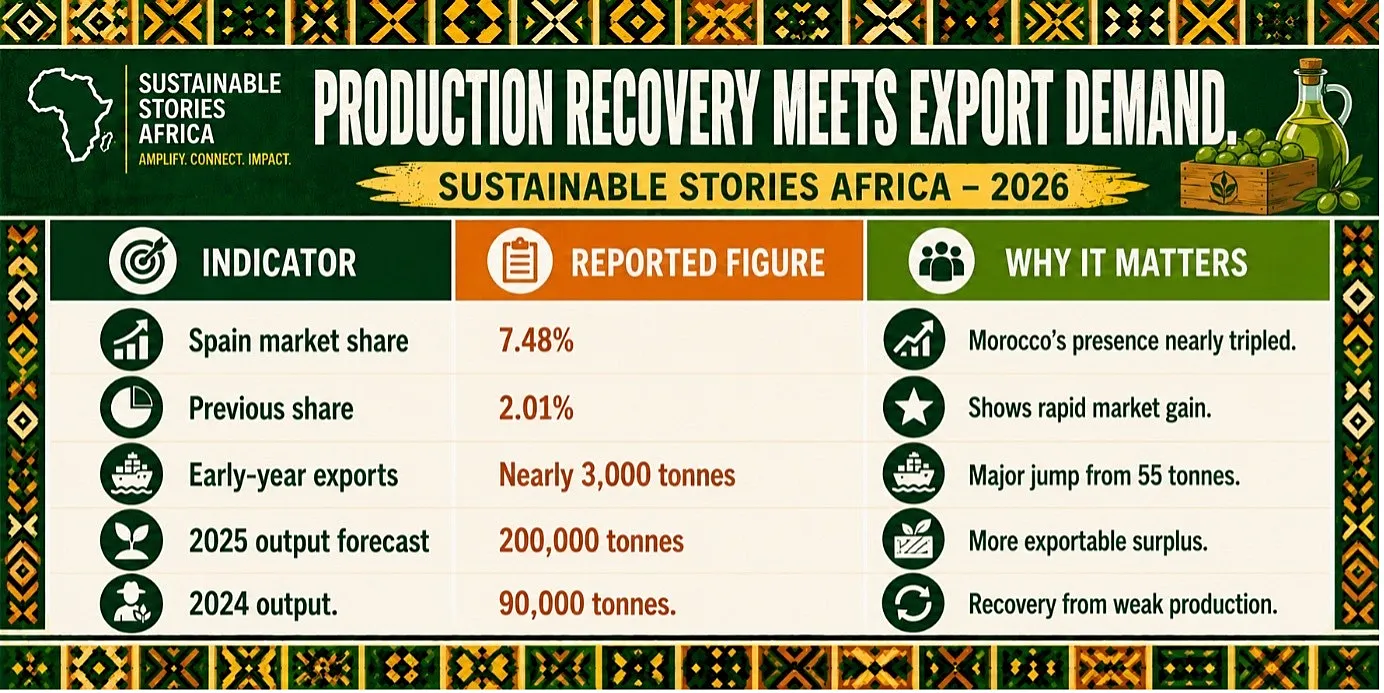
Its share of Spain’s olive oil imports has reportedly risen from 2.01% to 7.48%.
The shift signals how climate, investment and pricing are reshaping Mediterranean food trade.
Morocco Enters Spain’s Olive Market
Morocco is strengthening its position in Spain’s olive oil market, rising from the tenth to the fourth-largest supplier during the 2025/2026 campaign, behind Tunisia, Portugal and Italy.
Spanish reporting cited by Morocco World News says Morocco’s share of Spain’s olive oil imports nearly tripled in one year, from 2.01% to 7.48%.
The surge comes as Morocco expects olive oil production to reach about 200,000 tonnes in 2025, more than double the 90,000 tonnes produced in 2024, according to projections reported by Ecofin Agency.
Production Recovery Meets Export Demand
The numbers show a sharp shift in trade. Moroccan olive oil exports to Spain reportedly rose from just 55 tonnes in the early months of the previous year to nearly 3,000 tonnes in the same period this year.
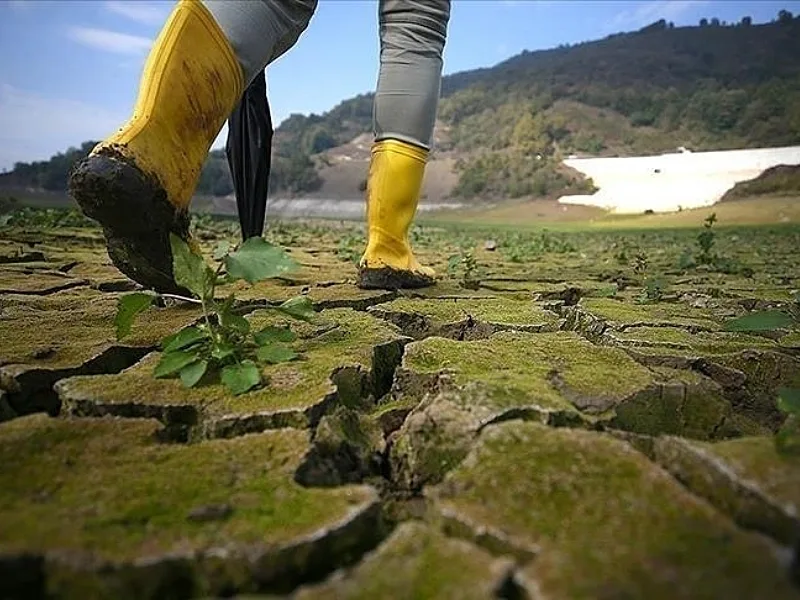
Spain remains the world’s dominant olive oil producer, but drought, price volatility and shifting Mediterranean supply patterns have pushed buyers to diversify.
Morocco’s improved weather, modernised mills and competitive pricing have helped it capture new demand.
What Morocco Stands To Gain
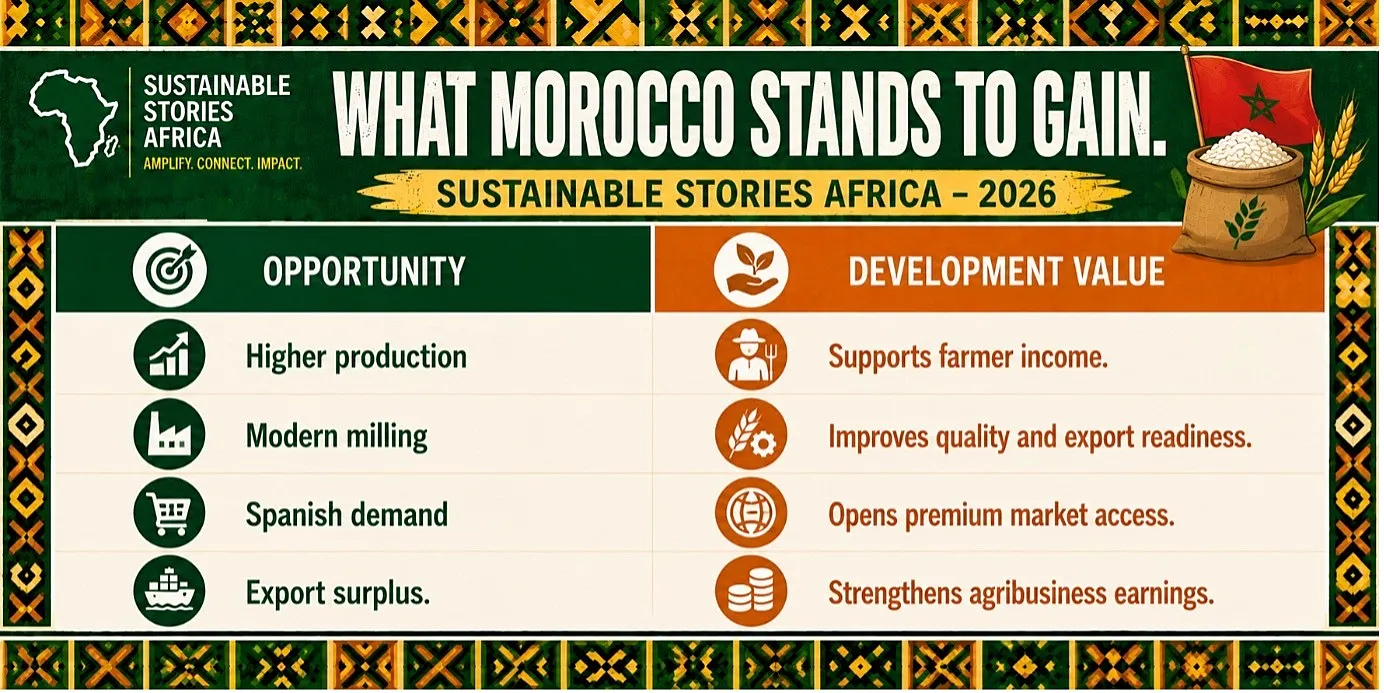
For Moroccan farmers and processors, the boom is not just about exports. It can mean higher farmgate demand, better milling capacity, more rural jobs and stronger links to European food markets.
If managed well, Morocco’s olive sector could become a model for agricultural upgrading: better yields, stronger processing, branded exports and more value retained locally.
However, success carries pressure. Export growth must not undermine domestic affordability, especially when olive oil is a household staple.
A boom that benefits exporters while prices rise for local consumers would weaken the sector’s social value.
Growth Needs Climate-Smart Discipline
Morocco’s next task is to make the export expansion durable.
That means investing in water-efficient irrigation, climate-resilient olive varieties, quality certification, traceability and fair producer pricing.
The government and private sector should also monitor domestic supply. Olive oil is both an export commodity and a food-security product.
Balancing both roles will decide whether the production boom becomes inclusive growth or a narrow trade gain.
For African agribusinesses, Morocco’s rise shows that export opportunities increasingly belong to countries that combine climate adaptation, modern processing and market intelligence.
Path Forward – Make Export Growth Work Locally
Morocco should protect domestic affordability while building high-value, traceable and climate-resilient olive oil exports.
If the sector balances farmers, consumers and exporters, its breakthrough to Spain could become more than a trade story.
It could show how African food producers move up global value chains without leaving local markets behind.
Culled From: Morocco Expands Olive Oil Exports to Spain Amid Production Boom