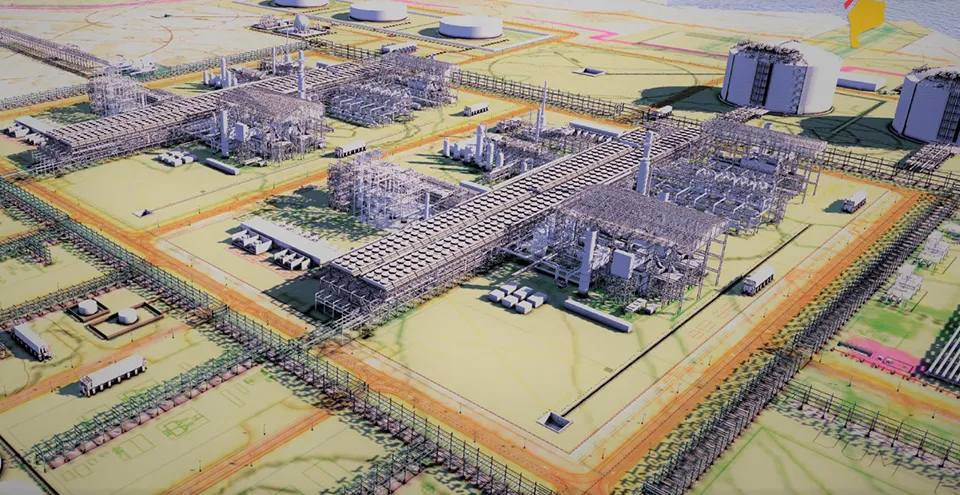
Mozambique has delayed completion of its flagship gas-fired power plant to 2027 after construction costs surged significantly.
The setback highlights growing financial and execution risks facing Africa’s gas infrastructure expansion amid inflation and supply chain disruptions.
Despite delays, the project remains critical to strengthening Mozambique’s energy security and unlocking its vast natural gas potential.
Gas Power Project Faces Cost Surge
Mozambique has postponed the completion of its major gas-fired power plant to 2027 following significant cost increases, underscoring mounting financial pressures affecting Africa’s energy infrastructure development.
Originally scheduled for earlier delivery, the project’s revised timeline reflects rising global construction costs, supply chain disruptions, and financing constraints.
The plant is a critical component of Mozambique’s strategy to utilise its vast natural gas reserves and strengthen domestic electricity generation capacity.
The delay highlights broader structural challenges about African economies in their need to balance energy security, infrastructure development, and affordability during a volatile global economic period.
Infrastructure Costs Rising Across Energy Sector
Gas power infrastructure projects across Africa are increasingly affected by inflation, currency volatility, and rising costs of equipment and logistics.
These pressures are reshaping project timelines, financing structures, and investment returns.
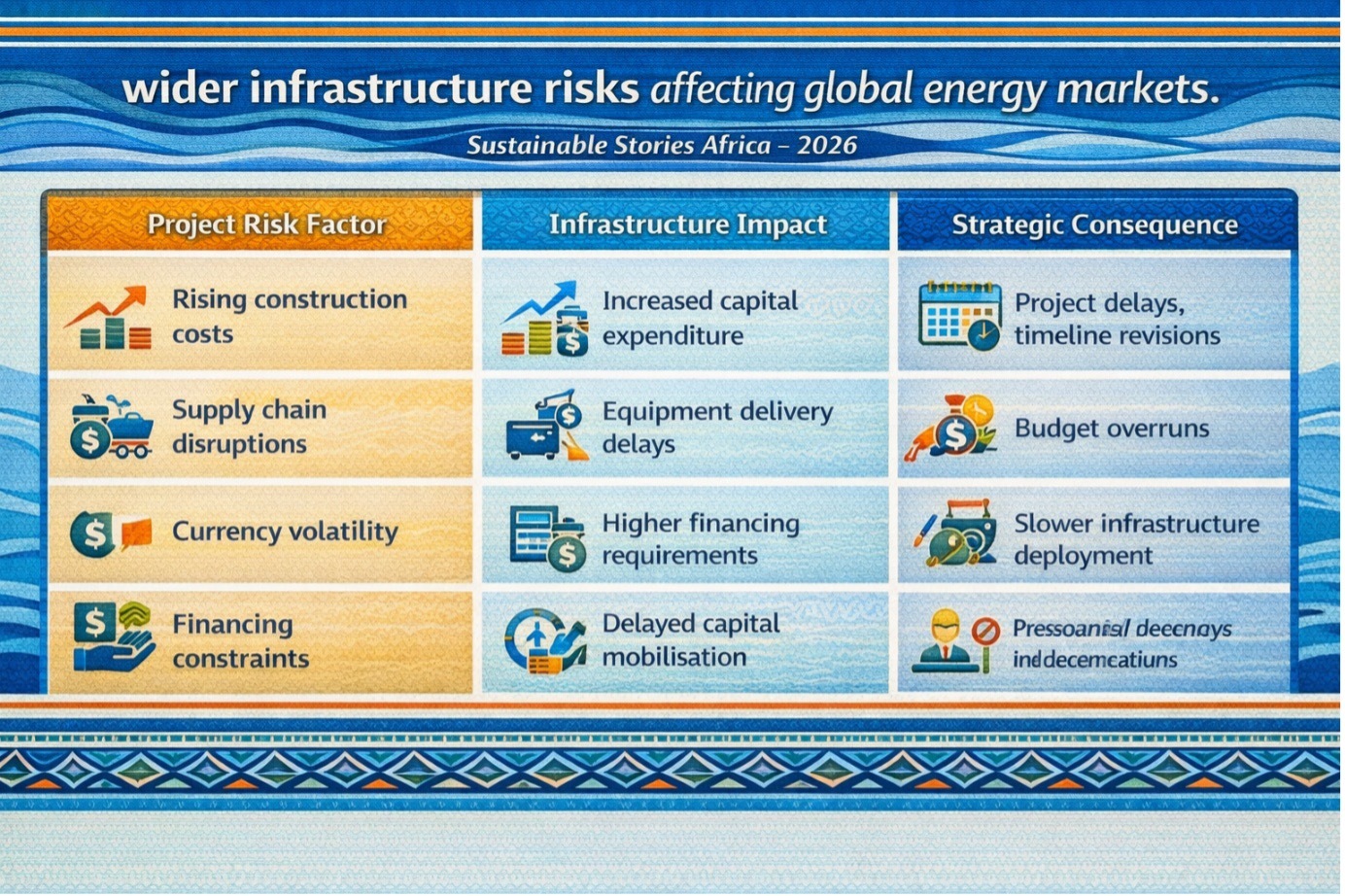
Mozambique’s project delay reflects wider infrastructure risks affecting global energy markets.
Project Risk Factor | Infrastructure Impact | Strategic Consequence |
|---|---|---|
Rising construction costs | Increased capital expenditure | Project delays |
Supply chain disruptions | Equipment delivery delays | Timeline revisions |
Currency volatility | Higher financing requirements | Budget overruns |
Financing constraints | Delayed capital mobilisation | Slower infrastructure deployment |
Gas-fired power plants play a key role in stabilising electricity systems by providing reliable baseload power, especially in countries with growing electricity demand and limited renewable capacity integration.
For Mozambique, unlocking domestic gas resources remains central to strengthening national energy security and supporting economic growth.
Gas Infrastructure Supports Energy Security Goals
Despite delays, the project remains strategically important for Mozambique’s long-term energy and economic development.
Gas power generation provides a reliable source of electricity needed to support industrial expansion, economic diversification, and investment attraction.
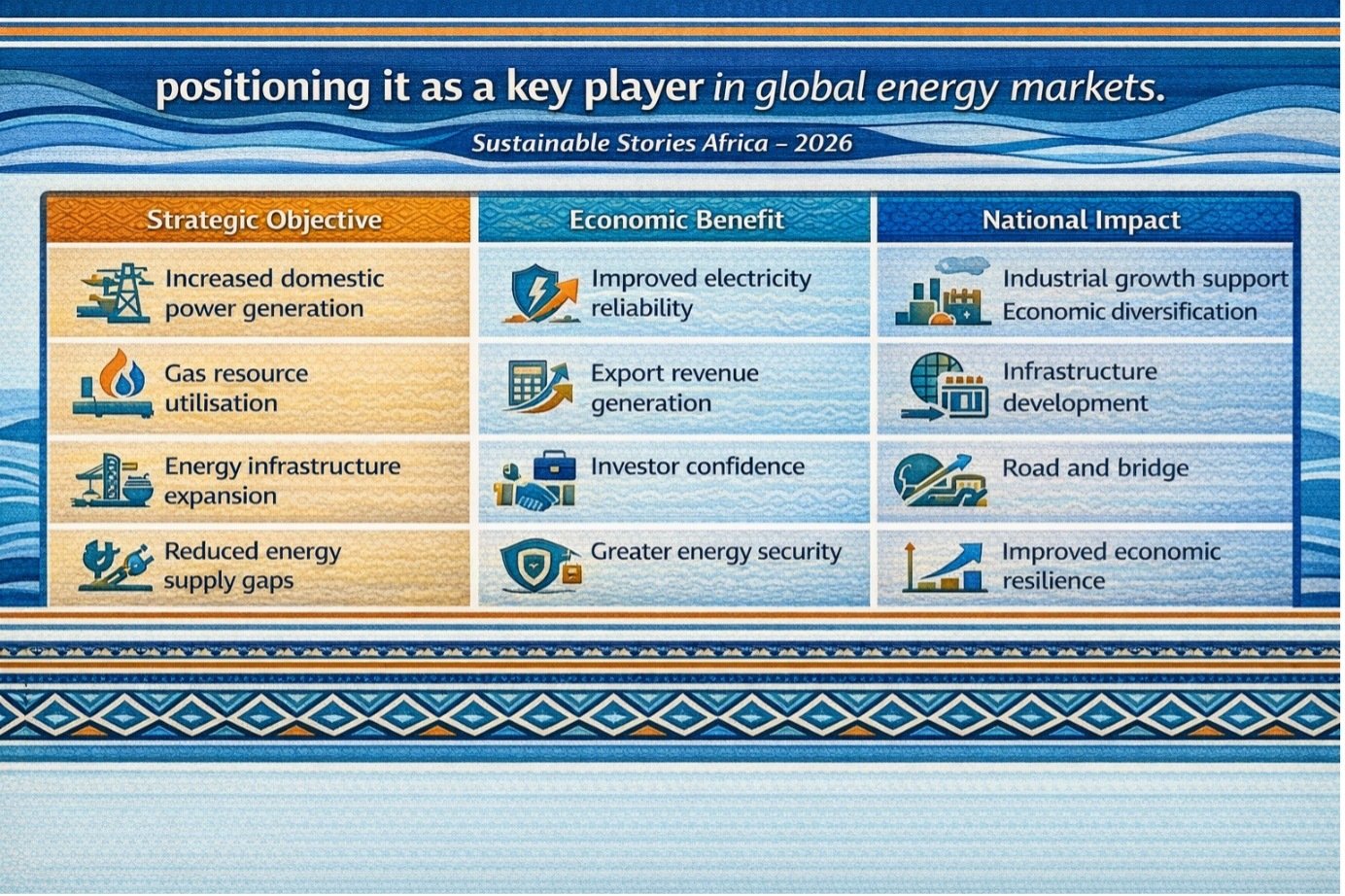
Mozambique possesses some of Africa’s largest natural gas reserves, positioning it as a key player in global energy markets.
Strategic Objective | Economic Benefit | National Impact |
|---|---|---|
Increased domestic power generation | Improved electricity reliability | Industrial growth support |
Gas resource utilisation | Export revenue generation | Economic diversification |
Energy infrastructure expansion | Investor confidence | Infrastructure development |
Reduced energy supply gaps | Greater energy security | Improved economic resilience |
The project is also core for supporting Mozambique’s broader gas development strategy, including export infrastructure and industrial energy supply chains.
Gas remains a key transitional fuel supporting economic growth while enabling the gradual integration of renewable energy.
Strategic Execution Needed to Restore Momentum
Ensuring the successful completion of the project will require coordinated financing, improved project management, and strengthened investor confidence.
Governments, developers, and financiers must align on execution strategies to manage cost risks and accelerate delivery timelines.
Infrastructure financing models, including public-private partnerships and development finance, will play a vital role in mitigating financial constraints and ensuring the long-term viability of projects.
Mozambique’s experience highlights the importance of financial resilience, strategic planning, and coordinated investment in delivering large-scale energy infrastructure projects.
The project remains central to Mozambique’s energy transition and economic future.
Path Forward – Mozambique Must Strengthen Infrastructure Financing
Strategic financing, cost management, and execution discipline will be critical to completing Mozambique’s gas power project.
Successful delivery can strengthen energy security, support industrial growth, and unlock long-term economic development opportunities.
Culled From: Mozambique postpones gas power plant completion to 2027 amid cost surge - Energy in Africa