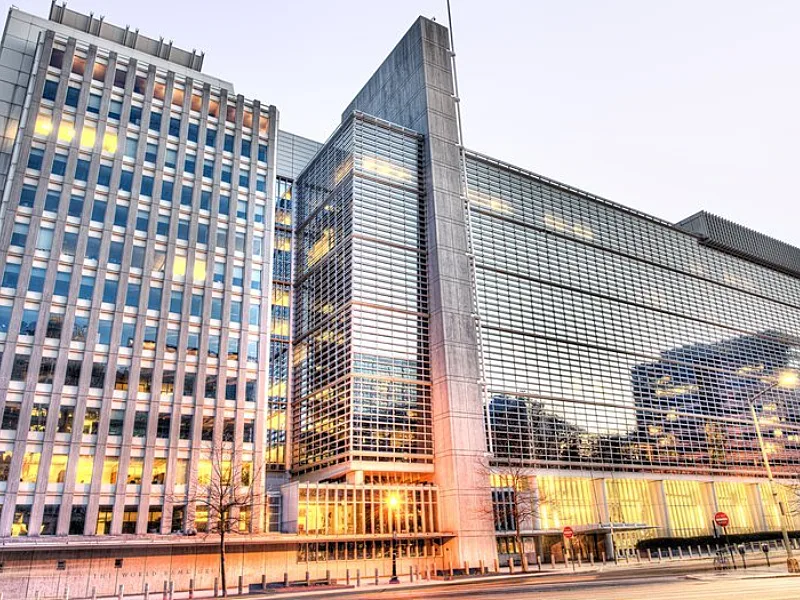
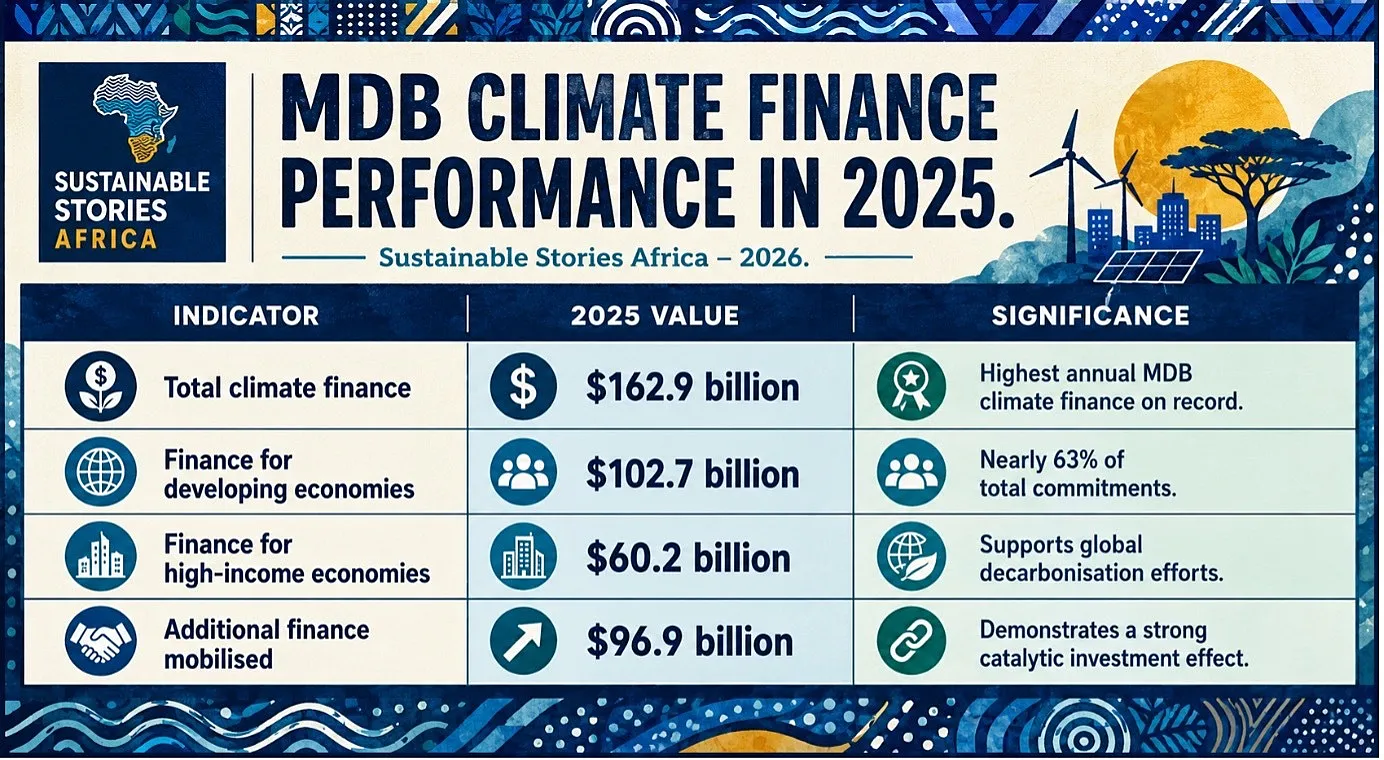
Multilateral development banks committed a record $163 billion in climate finance during 2025, marking their largest annual contribution to climate action.
The milestone reflects growing investment in resilience, clean energy and sustainable infrastructure despite shifting global financing priorities.
For developing economies, the increase strengthens opportunities to accelerate climate adaptation, economic growth and long-term development.
Record Climate Finance Signals Renewed Global Commitment
At a time when climate finance has become one of the world's most contested development priorities, multilateral development banks (MDBs) have delivered their strongest financial commitment yet.
According to the 2025 Joint Report on Multilateral Development Banks' Climate Finance, MDBs collectively committed approximately US$163 billion in climate finance during 2025.
This represents a new annual record and underscores growing international efforts to support countries confronting climate change while pursuing sustainable economic growth.
The increase comes despite wider uncertainty surrounding international climate funding and shifting priorities among some development institutions.
Of the total financing, $102.7 billion was directed to low- and middle-income economies.
Another $60.2 billion supported high-income countries, reflecting the dual challenge of accelerating decarbonisation while strengthening resilience against increasingly frequent climate shocks.
Developing Economies Receive Largest Share
The latest figures demonstrate that climate finance is becoming increasingly aligned with development priorities.
Low- and middle-income countries received nearly 63% of total MDB climate finance, reinforcing the central role of multilateral institutions in helping emerging economies finance renewable energy, resilient infrastructure, sustainable agriculture, water security and climate adaptation programmes.
The report also shows a balanced approach between mitigation and adaptation. Of financing directed to developing economies:
- $50.7 billion supported climate mitigation projects.
- $50 billion financed climate adaptation initiatives.
- $2 billion addressed activities delivering both objectives.
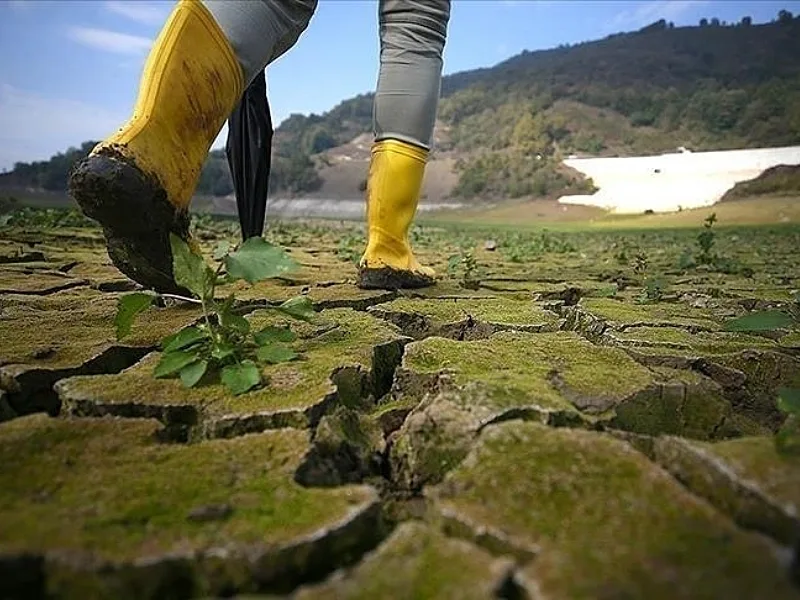
This near-equal allocation reflects growing recognition that countries, particularly across Africa and other Global South regions, must simultaneously reduce emissions and prepare communities for rising temperatures, floods, droughts and other climate impacts.
MDB climate finance also helped mobilise an additional $96.9 billion from private investors, governments and other development partners, highlighting the catalytic role public finance plays in attracting significantly larger pools of capital.
Climate Finance Is Becoming Development Finance
Beyond the headline figures lies a broader transformation in how development finance is being deployed.
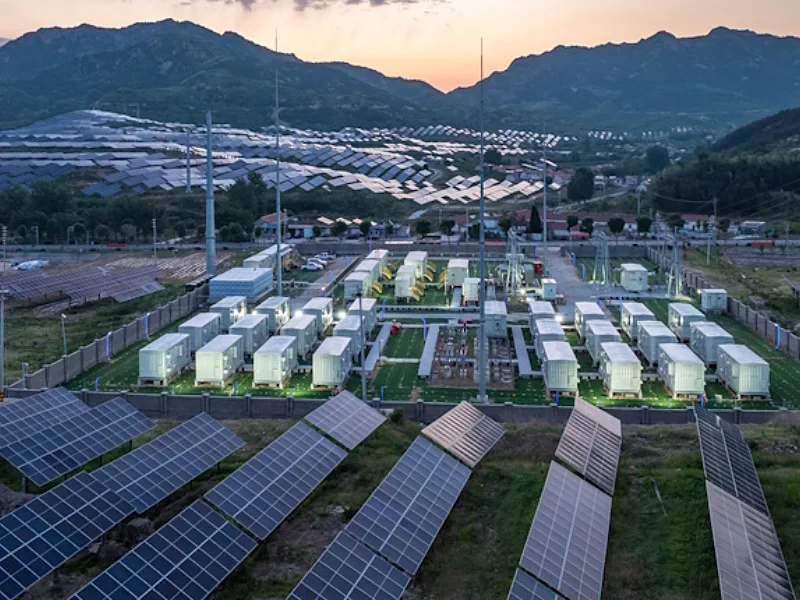
Climate investment is increasingly supporting projects that improve energy security, strengthen food systems, expand access to clean water, modernise transport networks and build more resilient cities.
Rather than treating climate action as a separate environmental agenda, MDBs are integrating resilience into core economic development strategies.
For Africa, where infrastructure financing needs remain substantial and climate vulnerability is among the highest globally, record MDB commitments create opportunities to accelerate renewable energy deployment, improve water and sanitation services, expand climate-smart agriculture and strengthen urban resilience.
The financing also offers reassurance to investors.
As public institutions increase their commitments and share project risks, private capital gains greater confidence to participate in large-scale infrastructure investments that might otherwise remain commercially challenging.
Scale Finance Into Bankable Climate Projects
While the record financing represents important progress, stakeholders agree that funding alone will not deliver climate resilience.
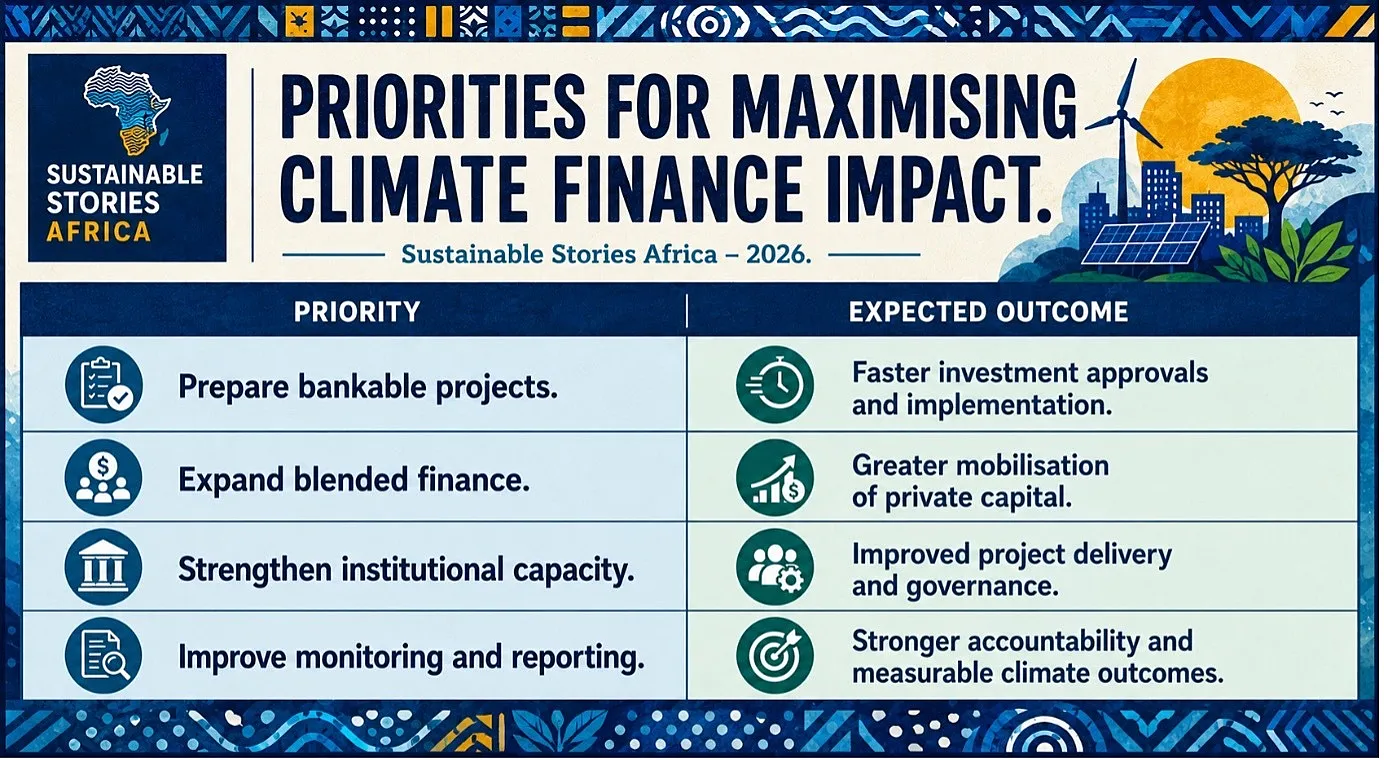
- Governments must strengthen project preparation, improve regulatory certainty, enhance institutional capacity and develop transparent investment pipelines capable of attracting blended finance.
- MDBs, private investors and development partners must continue working together to reduce financing risks and accelerate implementation.
Greater emphasis is also needed on measuring outcomes to ensure climate investments translate into cleaner energy systems, healthier communities, stronger food security and more resilient economies.
Path Forward –Sustaining Momentum Through Collaborative Investment
The record US$163 billion commitment demonstrates that multilateral development banks remain central to global climate action, particularly in supporting emerging economies where investment needs continue to grow.
The next challenge is converting unprecedented financial commitments into tangible results.
Strong partnerships, bankable projects, effective governance and greater private-sector participation will determine whether record climate finance delivers lasting resilience, inclusive growth and sustainable development across Africa and the wider Global South.