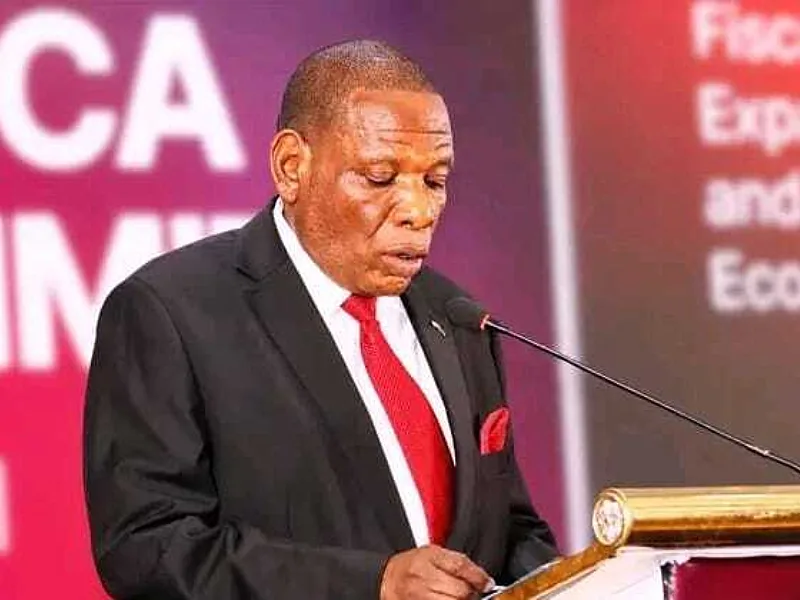
Nigeria's National Agency for Science and Engineering Infrastructure (NASENI) and the Rural Electrification Agency (REA) have signed a Memorandum of Understanding to advance the country's Nigeria First Energy Agenda.
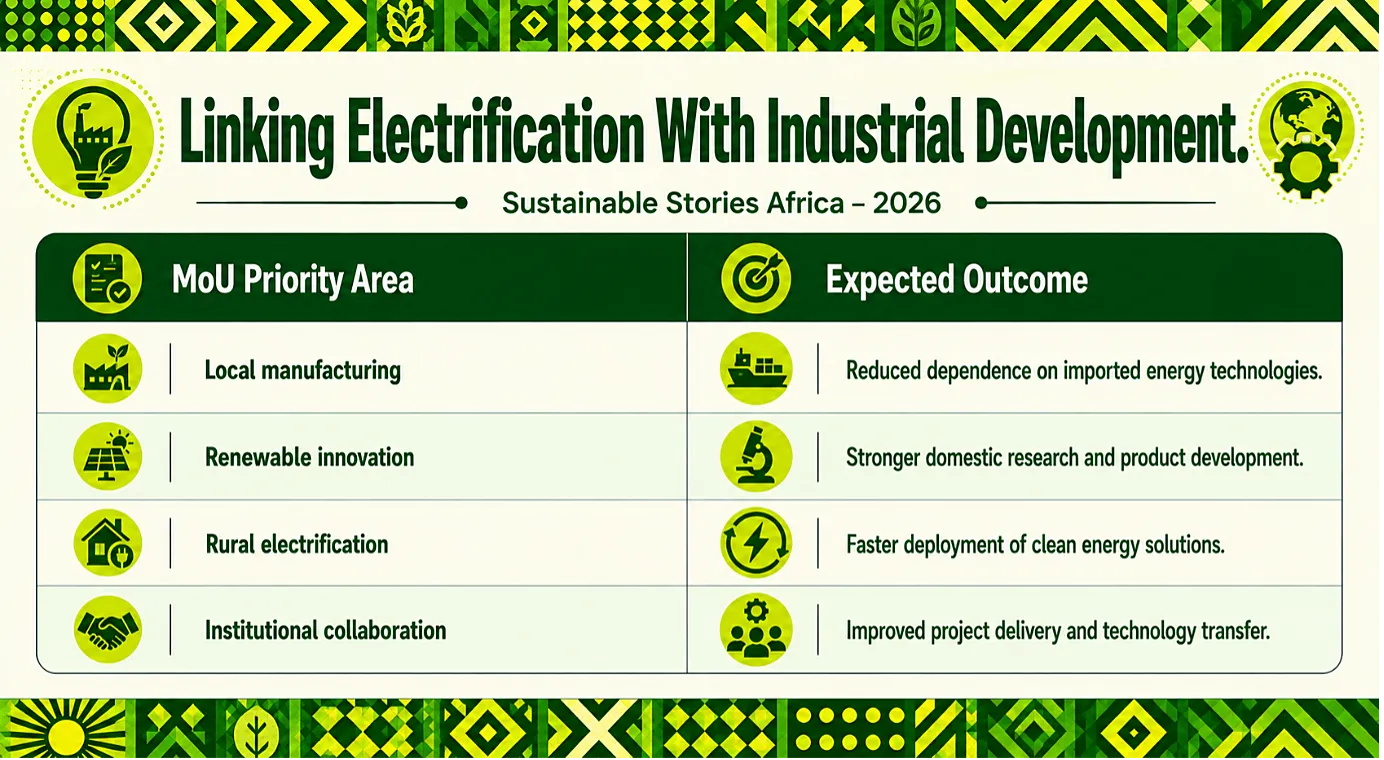
The partnership seeks to strengthen local manufacturing, accelerate rural electrification and reduce dependence on imported energy technologies.
If successfully implemented, the collaboration could create jobs, expand electricity access and build a stronger domestic clean energy value chain.
Local Innovation Takes Centre Stage
Nigeria's clean energy transition is entering a new phase, one that places local innovation and manufacturing at the heart of national electrification.
The National Agency for Science and Engineering Infrastructure (NASENI) and the Rural Electrification Agency (REA) have signed a Memorandum of Understanding (MoU) to advance the Nigeria First Energy Agenda through deeper collaboration in the development of renewable energy technology, local manufacturing and rural electricity deployment.
The agreement represents more than institutional cooperation.
It signals a strategic shift towards building domestic capacity to design, manufacture and deploy energy solutions that can support universal electricity access while strengthening Nigeria's industrial base.
As Africa's largest economy continues to confront electricity access gaps, policymakers increasingly recognise that energy security depends not only on generating more power but also on producing more of the technologies that deliver it.
Linking Electrification With Industrial Development
The partnership combines the complementary strengths of both institutions.
- NASENI brings expertise in engineering innovation, technology development and local manufacturing.
- REA has established itself as one of Nigeria's leading agencies for deploying decentralised renewable energy through mini-grids, solar home systems and public institutions.
Together, the agencies aim to encourage domestic production of renewable energy equipment, support research and innovation, strengthen local supply chains and expand access to affordable electricity across underserved communities.
According to the World Bank, approximately 85 million Nigerians still lack access to electricity, representing one of the world's largest unelectrified populations
At the same time, Nigeria's renewable energy market continues to attract increasing public and private investment, creating opportunities to localise production and retain more economic value within the country.
The Nigeria First Energy Agenda aligns with broader government efforts to promote local content, industrialisation and economic diversification while supporting climate and energy transition objectives.
Rather than viewing electrification solely as infrastructure development, the partnership positions renewable energy as a catalyst for industrial growth and technological advancement.
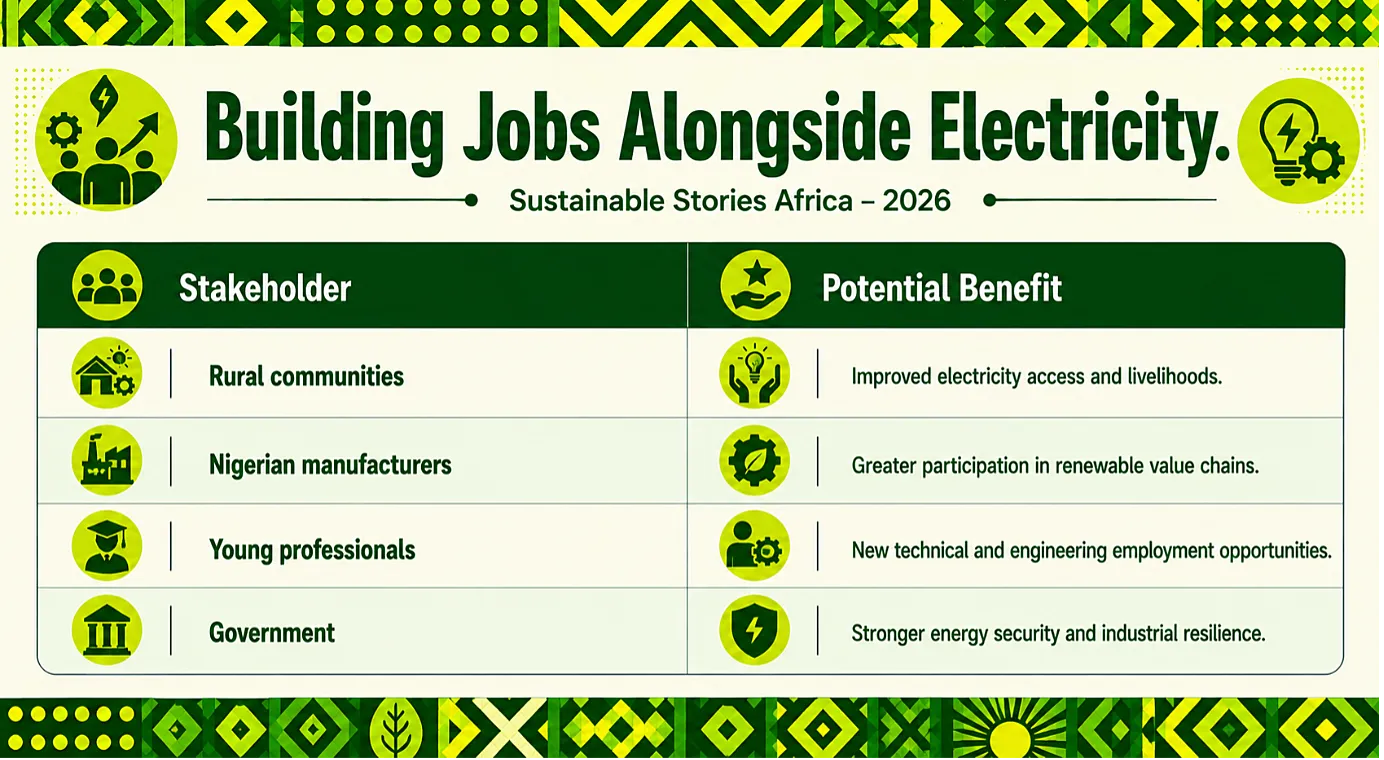
Building Jobs Alongside Electricity
The greatest promise of the partnership lies in its ability to create value beyond access to electricity.
- Expanding local manufacturing of renewable energy equipment could stimulate skilled employment across engineering, assembly, fabrication, maintenance and technical services.
- Universities, research institutions and vocational training centres also stand to benefit from stronger collaboration with industry.
- Communities receiving electricity gain opportunities for better healthcare, education, digital inclusion and small-business development.
At the same time, domestic manufacturers can participate more actively in supplying components for Nigeria's growing renewable energy market.
Failure to strengthen local production, however, could leave Nigeria increasingly dependent on imported technologies, limiting industrial development despite expanding renewable energy investments.
The partnership therefore represents both an electrification strategy and an economic development strategy, one that seeks to ensure more of the renewable energy value chain remains within Nigeria.
Turning Policy Into Practical Delivery
Signing the MoU is an important first step; delivering measurable outcomes will be the real test.
Successful implementation will require sustained funding, clear institutional coordination and strong private-sector participation.
- Manufacturers, research institutions, financiers and development partners must work alongside government agencies to accelerate technology commercialisation and scale local production.
Equally important will be policies that encourage local procurement, support research and development, improve access to finance and create predictable market demand for Nigerian-made renewable technologies.
If these foundations are established, the NASENI–REA collaboration could become a model for integrating industrial policy, energy access and climate resilience into a single national development agenda.
Path Forward – Local Capacity Drives Sustainable Energy Growth
The NASENI–REA partnership highlights a growing recognition that Nigeria's energy future depends as much on domestic innovation as on new electricity generation.
Delivering on the Nigeria First Energy Agenda will require sustained investment, policy consistency, and collaboration across government, industry and academia to build a competitive renewable energy ecosystem that advances energy security, economic growth and long-term sustainability.
Culled From: NASENI, REA Sign MoU to Advance Nigeria First Energy Agenda