Nigeria has unveiled the Green Finance and Investment Facility to mobilise capital for distributed renewable energy.
The initiative comes as millions remain unserved or underserved by unreliable electricity supply.
The test is whether blended finance can move projects from boardrooms to households, markets and small businesses.
Nigeria Tries A Finance Reset
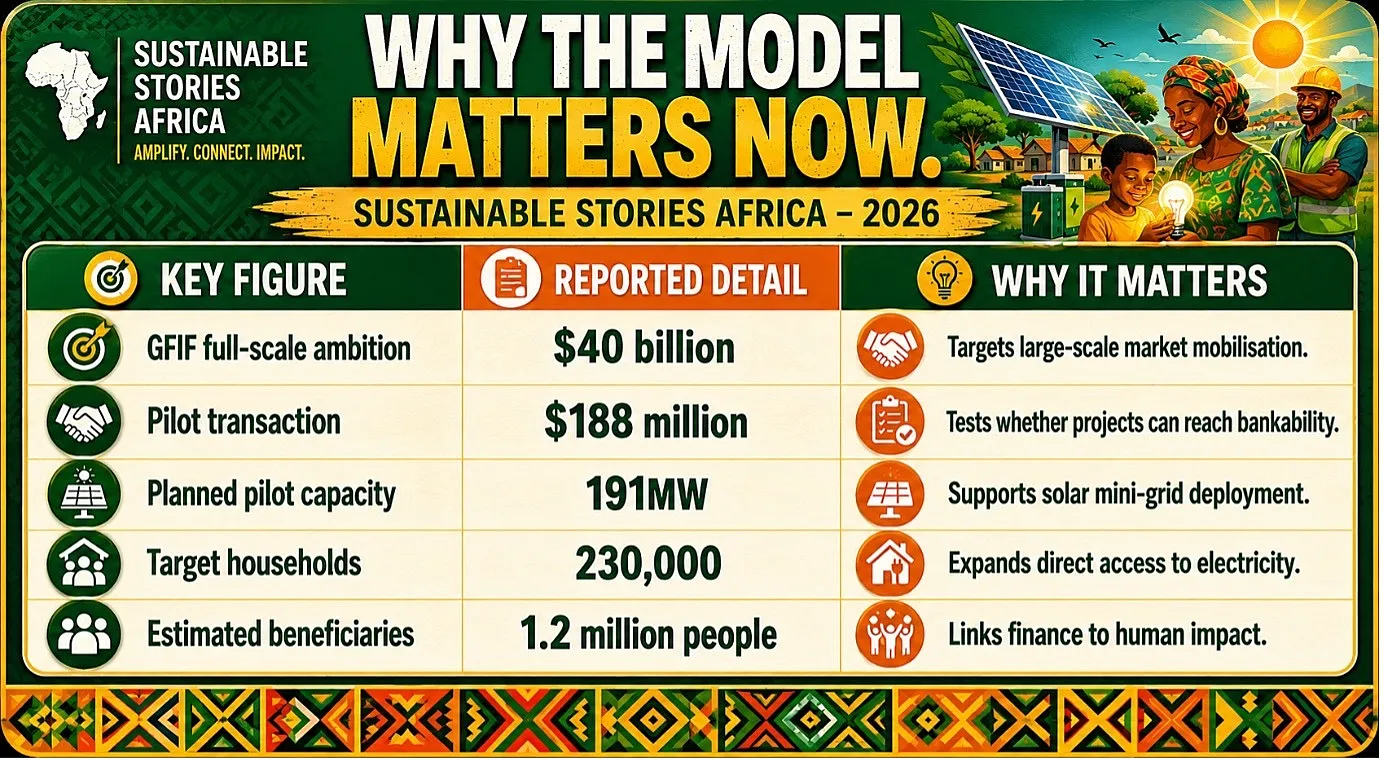
Nigeria is betting that blended finance can help unlock its long-stalled challenge of access to electricity, after stakeholders unveiled the Green Finance and Investment Facility, a private-sector-led platform designed to mobilise $40 billion for distributed renewable energy projects across the country.
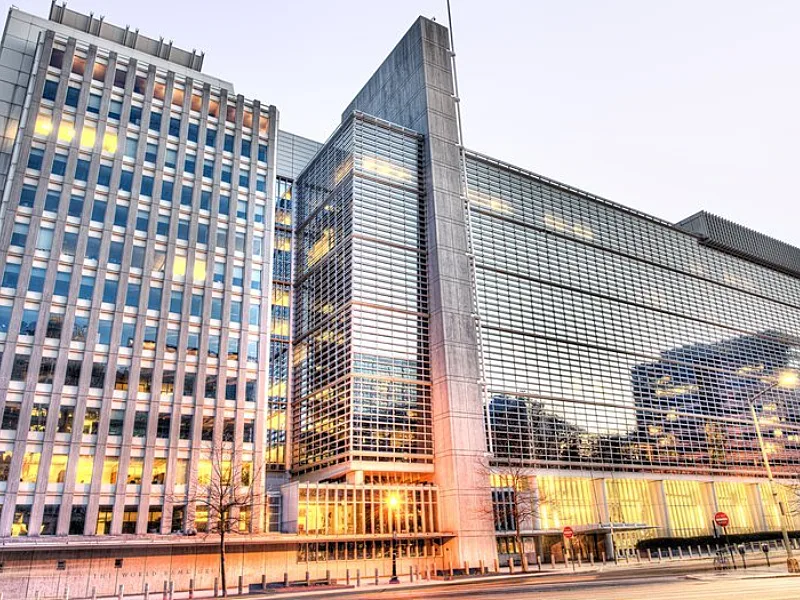
The facility, developed from conversations between the Rural Electrification Agency and Barton Heyman Limited, is designed to bring financiers, developers, grant providers, equity investors and guarantee institutions into a more coordinated structure. Its pilot transaction is expected to raise $188 million for 191 megawatts of solar mini-grid projects under the World Bank-backed DARES programme.
For Nigeria, where poor electricity supply has become a daily tax on households and businesses, the announcement is not just another financing headline. It is a test of whether the country can convert demand, policy and investor interest into bankable clean-power projects.
Interest: Why The Model Matters Now
Nigeria’s electricity problem is both massive and familiar. Millions of homes, shops, clinics and schools remain outside reliable supply, while many connected customers still rely on petrol and diesel generators to keep lights, freezers, machines and phones working.
The World Bank’s DARES programme is designed to provide more than 17.5 million Nigerians with new or improved access to electricity through distributed renewable energy.
A 2025 World Bank-linked estimate that about 86.8 million Nigerians lacked access to electricity.
The facility’s logic is straightforward: use concessional and public resources to reduce risk, then attract commercial capital into renewable energy projects.
The Rural Electrification Agency’s results-based financing under DARES provides the de-risking anchor, while private financiers can supply debt and equity.
What Better Power Could Unlock
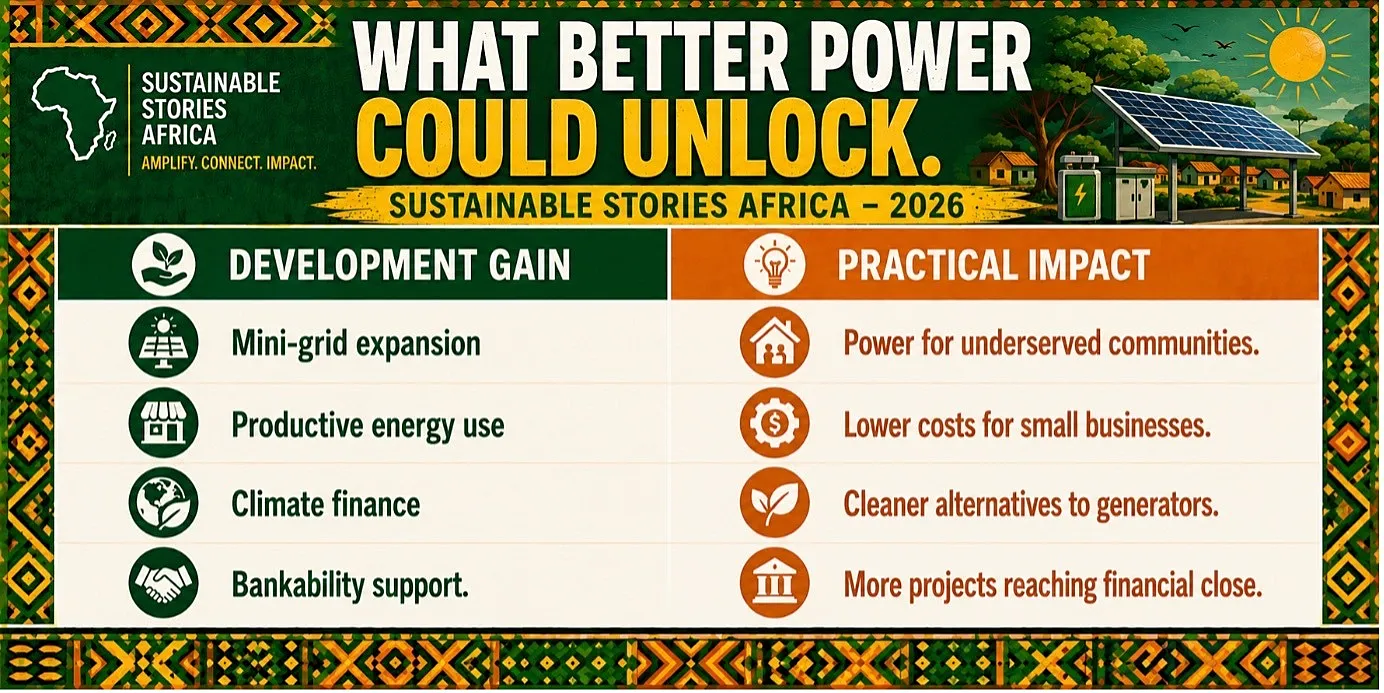
For a welder in Kano, a cold-room operator in Lagos, a clinic in Niger State or a student in a rural community, power is not theory. It decides productivity, income, safety and opportunity.
A working mini-grid can keep machines running, reduce generator costs and make small businesses more predictable. Clean distributed power can also cut pollution, reduce fuel dependence, and help communities avoid waiting years for grid extension.
At full scale, GFIF is expected to support 20 gigawatts of distributed renewable energy.
Anthony Feyitimi, Senior Partner at Barton Heyman, argued that Nigeria must think beyond fragmented projects, saying the country needs at least 100 gigawatts of power to operate at the level of a serious African economic powerhouse.
Action: Bankable Projects Need Real Discipline
The promise of blended finance will depend on execution. Nigeria must prove that developers can meet technical standards, communities can afford tariffs, financiers can trust repayment structures, and public institutions can deliver transparent support.
The wider power sector also needs reform. In 2025, Nigeria approved a $2.6 billion electricity-sector debt refinancing plan to stabilise a struggling power industry and address debts owed to generation companies.
That means GFIF cannot work in isolation. With the backing of credible regulation, stronger distribution systems, transparent procurement, community engagement and performance tracking, it can accelerate access to electricity for the over 86 million Nigerians who lack access to electricity.
Without those, blended finance risks become another attractive label on an old problem.
Path Forward – Make Finance Deliver Real Power
Nigeria’s next priority is to turn GFIF from a launch platform into measurable connections, reliable service and productive energy for communities.
The country should prioritise transparent project pipelines, affordable tariffs, strong safeguards, local skills and disciplined monitoring.
If done well, blended finance can provide a practical bridge between climate capital, private investment and Nigeria’s urgent electricity needs.
Culled From: Nigeria Bets on Blended Finance to Fix Electricity Crisis – THISDAYLIVE