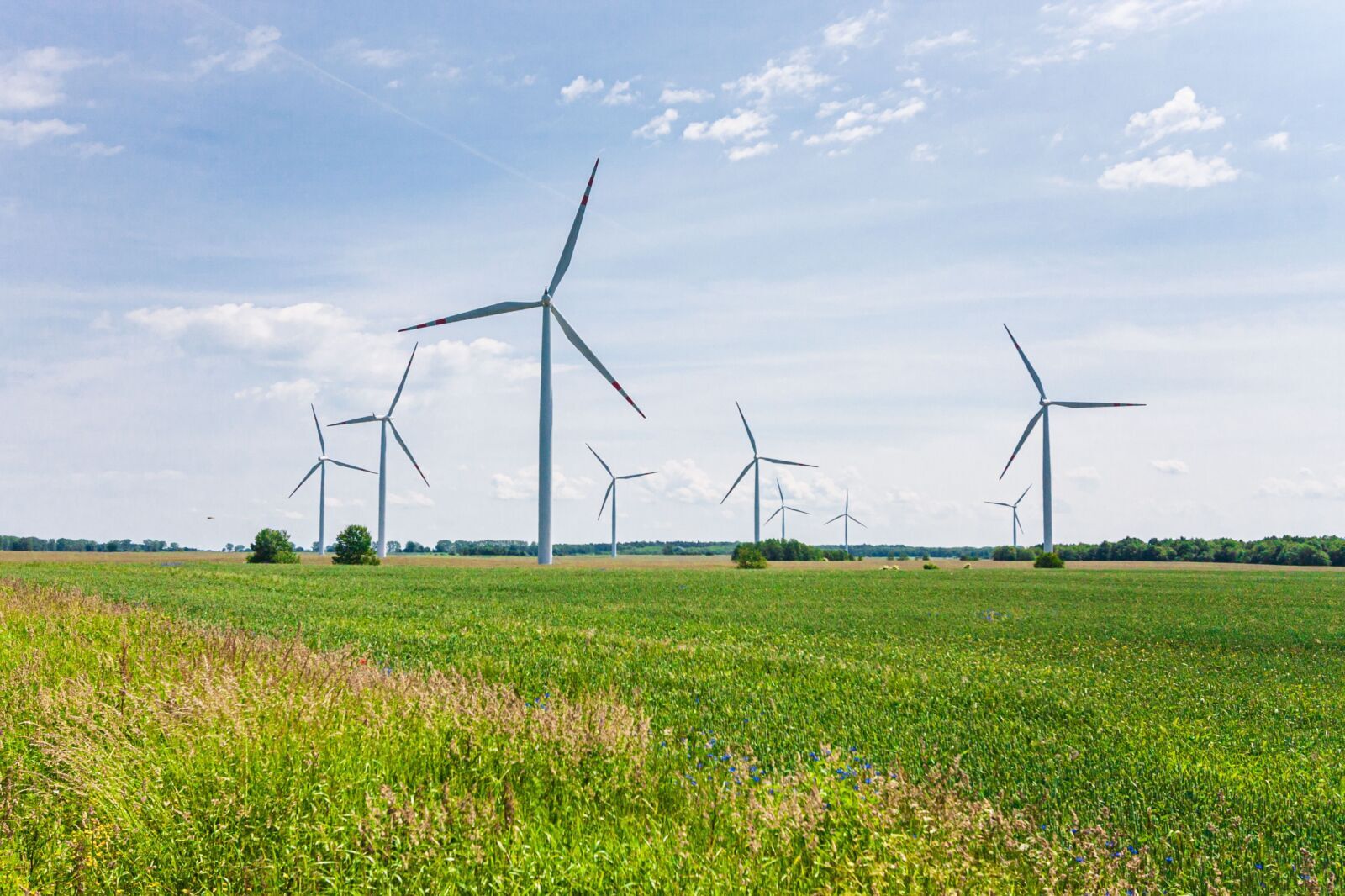
North African countries are moving beyond generating renewable electricity by investing in wind turbine manufacturing and regional clean energy supply chains.
The shift reflects growing efforts to capture more economic value from the global energy transition while reducing dependence on imported equipment.
If successful, the strategy could create skilled jobs, strengthen industrial resilience and position Africa as a hub for competitive renewable manufacturing.
From Wind Farms to Factory Floors
North Africa is seeking a bigger role in the global clean energy economy—not only by producing renewable electricity but by manufacturing the technology that powers it.
Across the region, governments and private investors are accelerating efforts to establish domestic wind turbine manufacturing capabilities, aiming to localise supply chains that have traditionally depended on imports from Europe and Asia. The strategy reflects a broader industrial ambition: transforming renewable energy from an infrastructure project into a manufacturing opportunity capable of creating jobs, attracting investment and strengthening export competitiveness.
As global demand for wind energy equipment continues to grow, regional leaders see an opportunity to position North Africa as both a renewable energy powerhouse and a strategic manufacturing base serving African, European and Middle Eastern markets.
Building Industry Alongside Clean Energy
North Africa already possesses several competitive advantages for renewable manufacturing.
Countries including Morocco and Egypt have developed significant renewable energy pipelines, their proximity to European markets, expanding port infrastructure and improving industrial capabilities, making them attractive destinations for clean energy investment.
According to the Global Wind Energy Council (GWEC), the world installed more than 117 GW of new wind power capacity in 2024, with cumulative global installations exceeding 1 terawatt for the first time. That rapid expansion is driving sustained demand for turbines, towers, blades, nacelles and associated manufacturing services.
Rather than importing every major component, North African governments increasingly view localisation as essential for retaining more value within domestic economies.
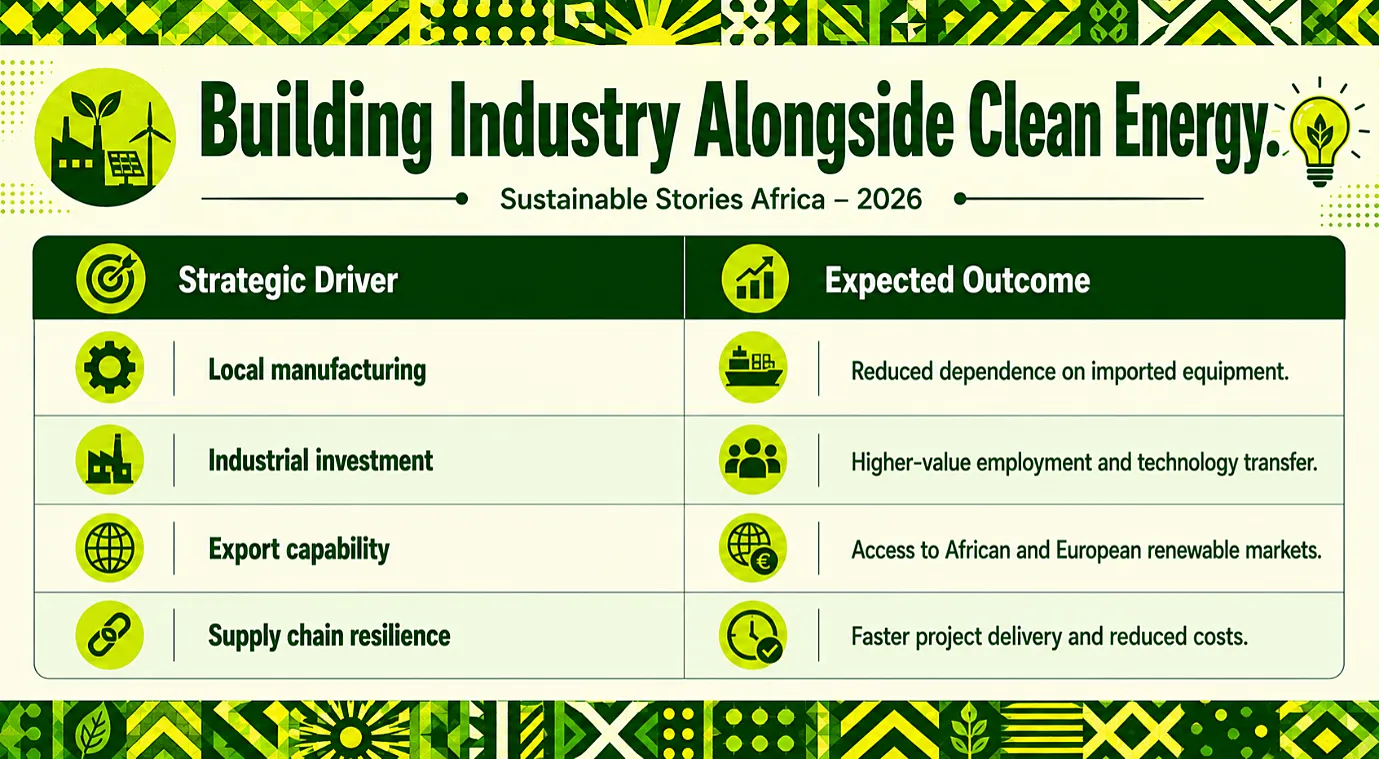
Manufacturing also creates multiplier effects that extend beyond energy generation.
Steel production, logistics, engineering services, digital technologies and vocational training all benefit when renewable energy becomes an industrial ecosystem rather than simply an electricity project.
The strategy aligns with broader industrial policies across the region that seek to diversify economies while preparing for a lower-carbon global trading environment.
Capturing More Value From Transition
Manufacturing wind turbines locally represents more than an industrial milestone—it offers an opportunity to reshape economic development.
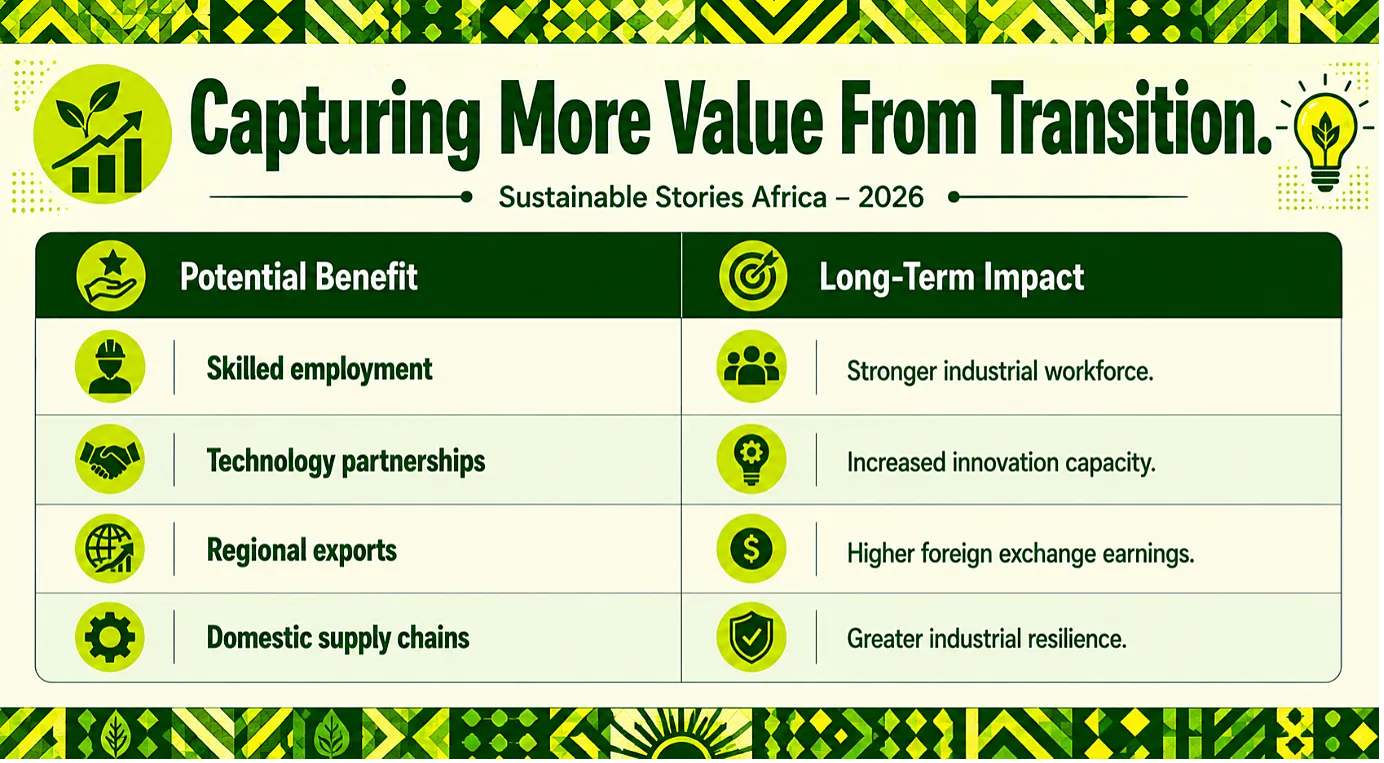
Each new manufacturing facility has the potential to support thousands of direct and indirect jobs across engineering, fabrication, transport, maintenance and professional services.
Universities and technical institutes also stand to benefit from the demand for specialised renewable energy skills growth.
The approach could make renewable projects more affordable over time by shortening supply chains and reducing exposure to international shipping disruptions or currency fluctuations.
Conversely, remaining dependent on imported equipment risks limiting Africa's participation in one of the world's fastest-growing industrial sectors.
While the continent possesses abundant wind resources, much of the economic value currently accrues elsewhere through manufacturing and technology development.
Local production offers an opportunity to retain more of that value within Africa
economies.
Turning Industrial Vision Into Reality
Building globally competitive wind turbine manufacturing requires more than factory construction.
- Governments must create stable renewable energy policies that provide predictable domestic demand.
- Investors require transparent regulations, competitive financing and reliable infrastructure, while manufacturers depend on skilled labour, research partnerships and efficient logistics networks.
Regional cooperation will also be critical. Harmonised standards, cross-border electricity markets and integrated manufacturing ecosystems can help North African producers achieve economies of scale while serving rapidly expanding renewable markets across the continent.
- Development finance institutions, export credit agencies and private capital all have important roles to play in accelerating investment while supporting technology transfer and local supplier development.
If these foundations are established, North Africa could evolve from being primarily an energy producer into one of Africa's leading clean technology manufacturing centres.
Path Forward – Manufacturing Strengthens Africa's Renewable Future
North Africa's manufacturing ambitions demonstrate that the energy transition is increasingly becoming an industrial transformation as well as an environmental one.
Sustained policy certainty, investment partnerships and workforce development will determine whether the region captures lasting value from renewable manufacturing while advancing Africa's energy security, economic diversification and long-term sustainability goals.
Culled from: North African ventures into wind turbine manufacturing