The Osun State Government has called on all 35 other Nigerian states to adopt the Federal Government's climate policy, stressing that unified climate action is now essential for attracting green investment and expanding clean-energy deployment nationwide. Officials emphasised that states must align with national frameworks to unlock climate finance and respond effectively to rising environmental risks.
Osun Urges 35 States to Align with FG Climate Policy
Osun State has urged Nigeria's 35 states to adopt the Federal Government's climate policy, warning that fragmented environmental governance is undermining access to international climate finance and private-sector investment.
Speaking at a stakeholder dialogue, state officials said unified adoption of federal climate frameworks is critical to boosting clean-energy uptake, strengthening resilience, and positioning Nigeria for global sustainability partnerships.
Why the Call for National Climate Alignment Matters
Osun State leaders highlighted that global investors increasingly require coherent, predictable climate frameworks before deploying capital. Nigeria's current state-by-state gaps in climate legislation, emissions strategies, and adaptation plans make the country less competitive in a fast-changing clean-energy market.
Officials stressed that with Nigeria facing severe flooding, heat stress, desertification, and agricultural disruptions, coordinated climate legislation across states is a national economic and environmental imperative.
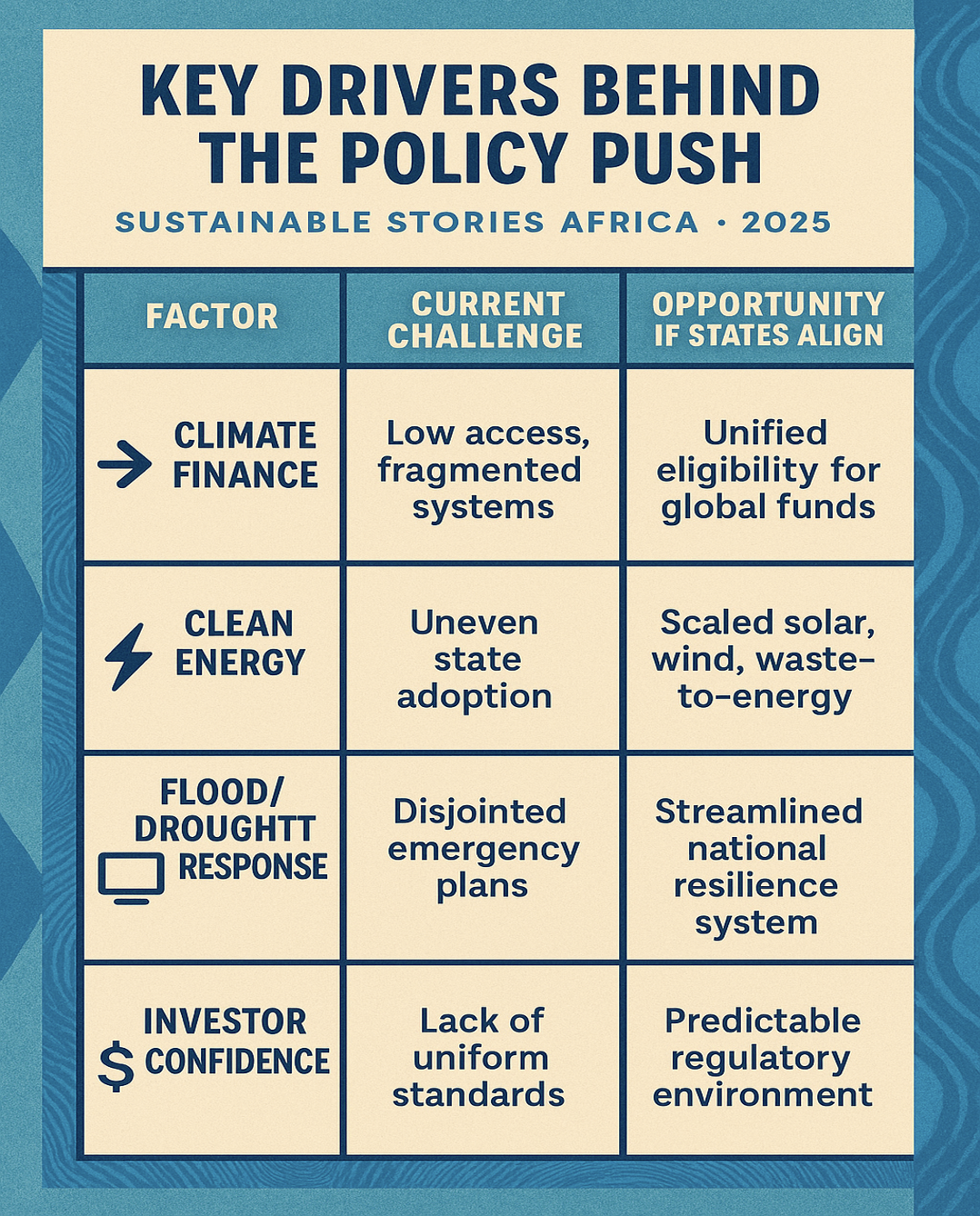
Key Drivers Behind the Policy Push
| Factor | Current Challenge | Opportunity if States Align |
|---|---|---|
| Climate Finance | Low access, fragmented systems | Unified eligibility for global funds |
| Clean Energy | Uneven state adoption | Scaled solar, wind, waste-to-energy |
| Flood/Drought Response | Disjointed emergency plans | Streamlined national resilience system |
| Investor Confidence | Lack of uniform standards | Predictable regulatory environment |
Evidence Behind the Call for Unified Climate Governance
Osun officials referenced worsening climate threats across Nigeria: catastrophic flooding in 2022, desert encroachment in the North, and rising coastal erosion in the South. They stressed that Nigeria's states cannot address these threats in isolation.
Experts noted that aligning with federal climate policies will help states unlock the National Climate Change Council (NCCC)'s implementation tools, international financing windows, and private-sector partnerships.
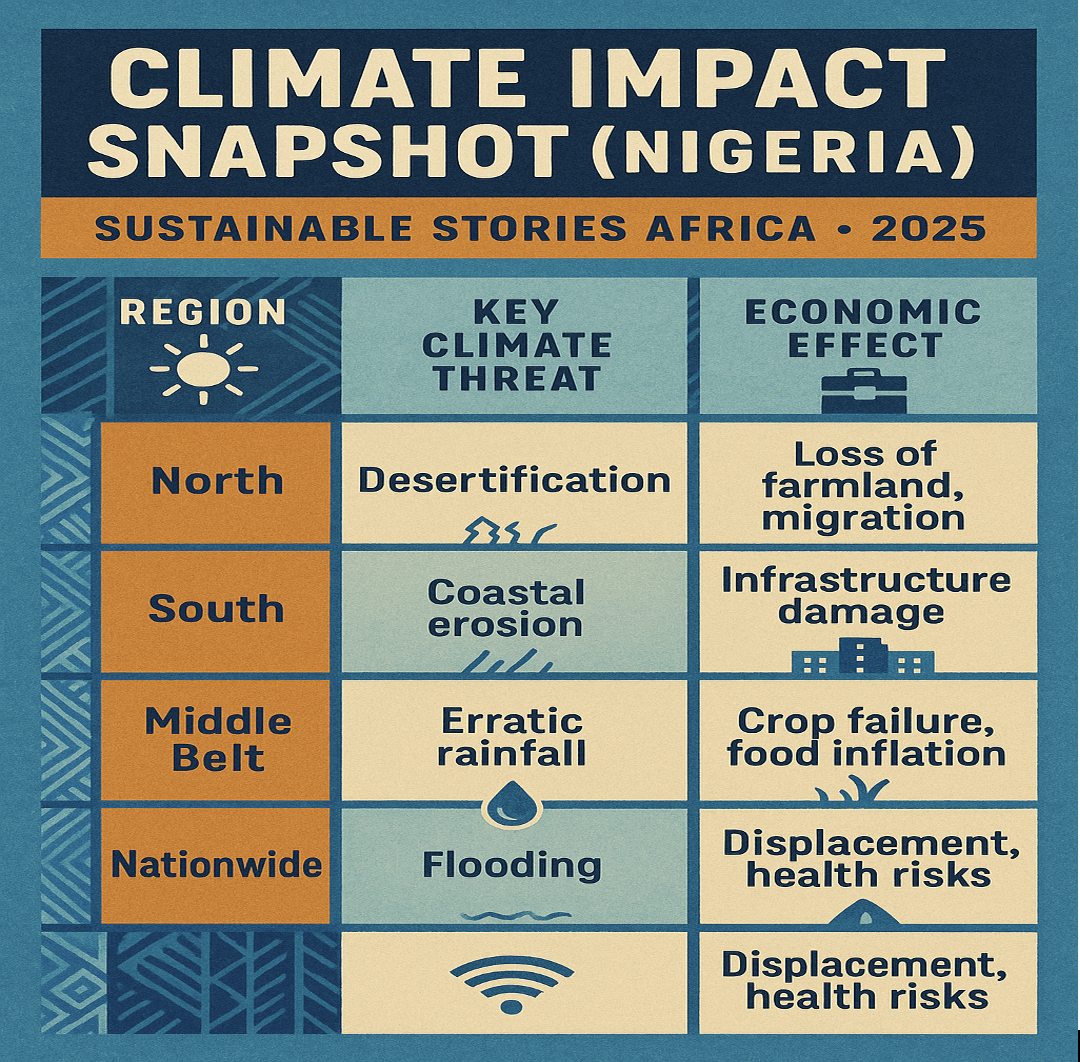
Climate Impact Snapshot (Nigeria)
| Region | Key Climate Threat | Economic Effect |
|---|---|---|
| North | Desertification | Loss of farmland, migration |
| South | Coastal erosion | Infrastructure damage |
| Middle Belt | Erratic rainfall | Crop failure, food inflation |
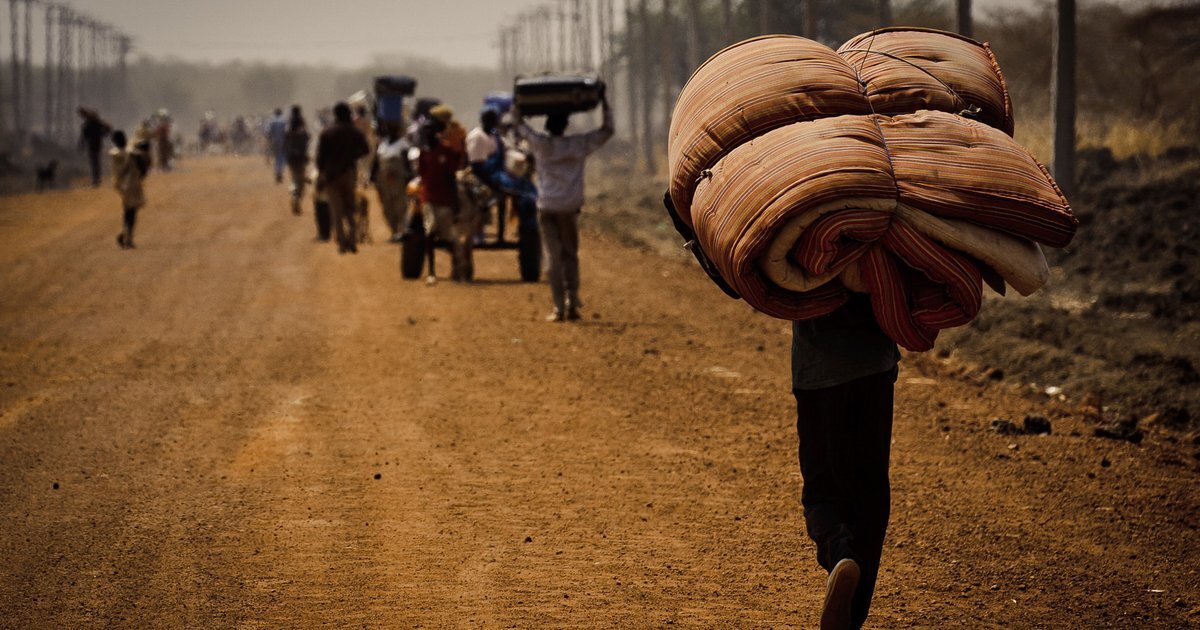
| Nationwide | Flooding | Displacement, health risks |
What States Must Do Next
Osun urged all states to:
- Adopt the National Climate Change Policy and integrate it into local legislation.
- Set up state-level climate councils aligned with the NCCC.
- Develop unified adaptation and mitigation plans backed by verifiable data.
- Partner with private-sector clean-energy developers to scale renewable deployment.
- Improve disaster-risk management systems to strengthen community resilience.
Officials also called on the federal government to support states with technical assistance, climate-finance facilitation, and capacity-building for implementation.
PATH FORWARD – Unifying States to Strengthen Climate Governance
Osun's call reflects a growing recognition that Nigeria needs harmonised climate governance to attract investment, expand clean-energy solutions, and manage rising environmental risks. Coordinated climate policies will help states scale adaptation efforts and unlock global finance.
Building a unified national framework, anchored in legislation, data systems, and private-sector collaboration, will determine Nigeria's competitiveness in the global energy-transition era.