Twenty-nine African countries have pledged to deliver electricity access to 300 million people by 2030, marking one of the continent's most ambitious energy-access commitments to date.
29 African States Commit to Electrify 300 Million People by 2030
A coalition of 29 African governments has agreed to deliver electricity to 300 million citizens within the next six years, signalling a decisive push to close the continent's longstanding energy-access deficit.
Announced in Morocco during the inaugural Mission 300 Day, the commitment underscores growing political urgency to expand clean-energy systems, boost productivity, and enhance climate resilience across African economies.
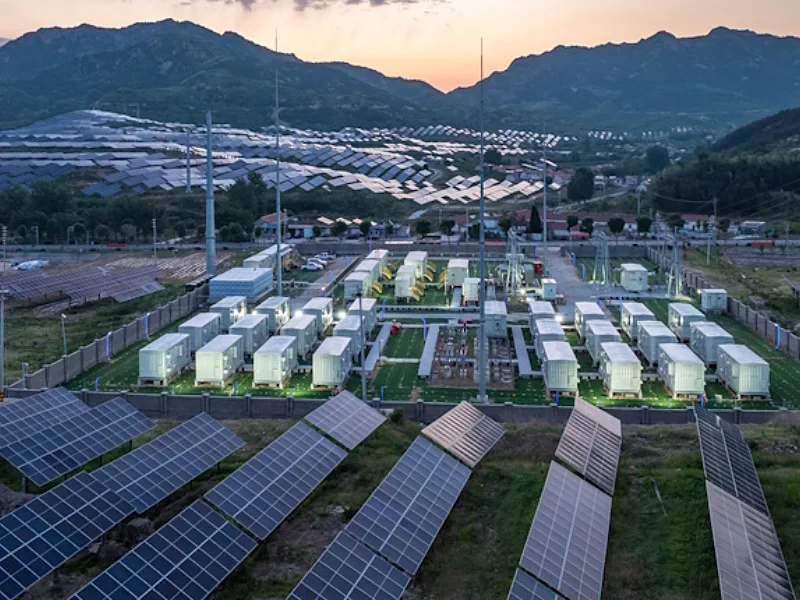
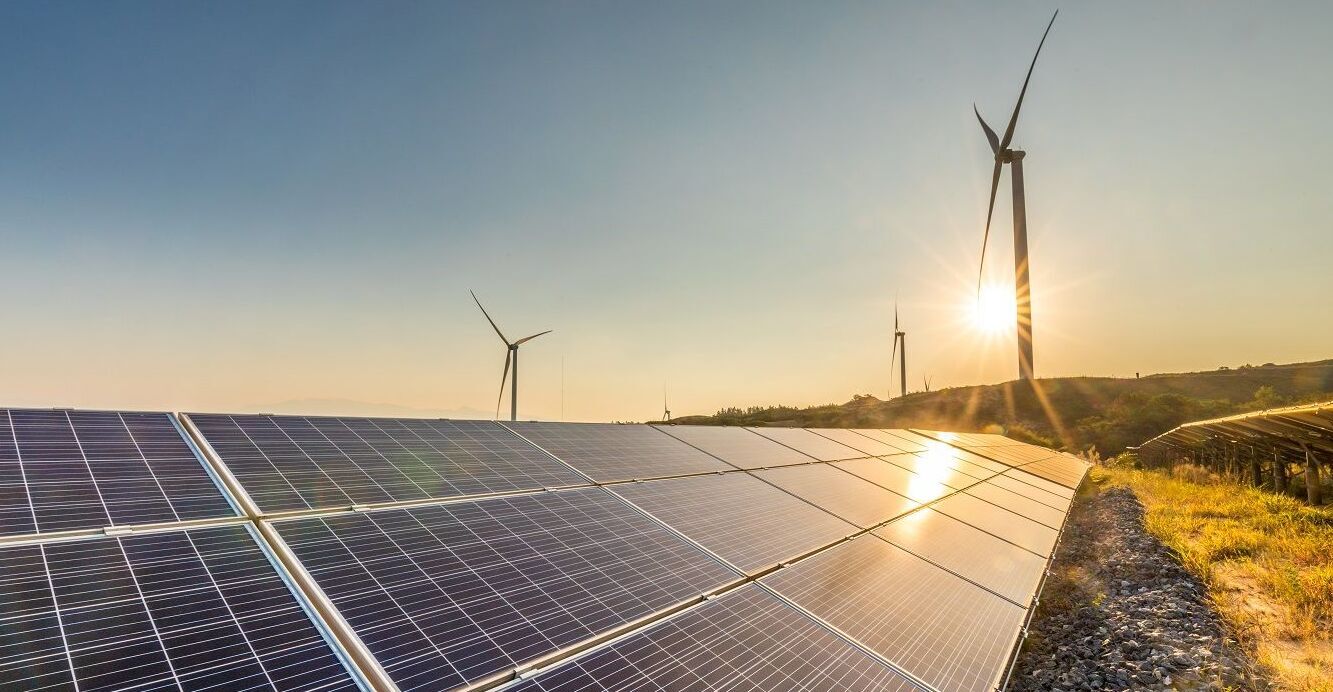
The initiative seeks to accelerate renewable-energy deployment, strengthen national grids, and unlock billions in climate-aligned investment to close Africa's electricity gap.
Why the Mission 300 Commitment Matters Now
Africa remains home to the largest electricity-access gap globally, with more than 600 million people lacking reliable power.
Delegates stressed that without rapid interventions, especially targeted renewable-energy investments, the region risks widening inequality, slowing industrialisation, and missing key climate-transition milestones.
Development partners also highlighted the need for integrated planning across rural mini-grids, national-grid expansion, and private-sector participation to strengthen long-term sustainability.
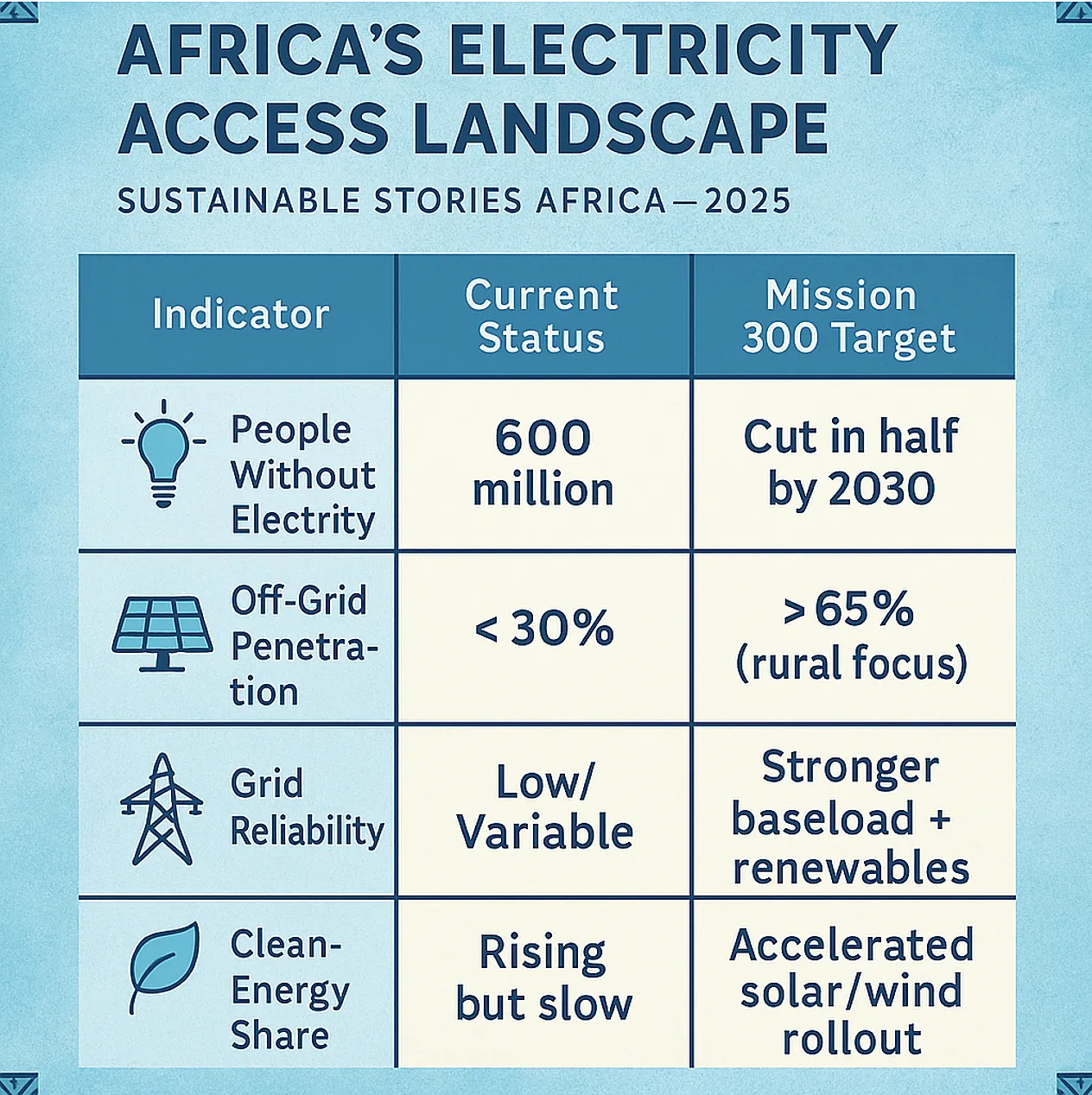
Africa's Electricity Access Landscape
| Indicator | Current Status | Mission 300 Target |
|---|---|---|
| People Without Electricity | 600 million | Cut in half by 2030 |
| Off-Grid Penetration | < 30% | > 65% (rural focus) |
| Grid Reliability | Low/Variable | Stronger baseload + renewables |
| Clean-Energy Share | Rising but slow | Accelerated solar/wind rollout |
Evidence Driving the Multi-Country Energy Pledge
Stakeholders pointed to decades of underinvestment, fragile national grids, and rising climate shocks as key drivers of the pledge. Many African economies continue to lose billions annually due to blackouts, inefficient diesel reliance, and energy poverty.
Officials argued that large-scale electrification is necessary for powering schools, clinics, agriculture, small industries, and digital connectivity—critical elements for economic growth and human development.
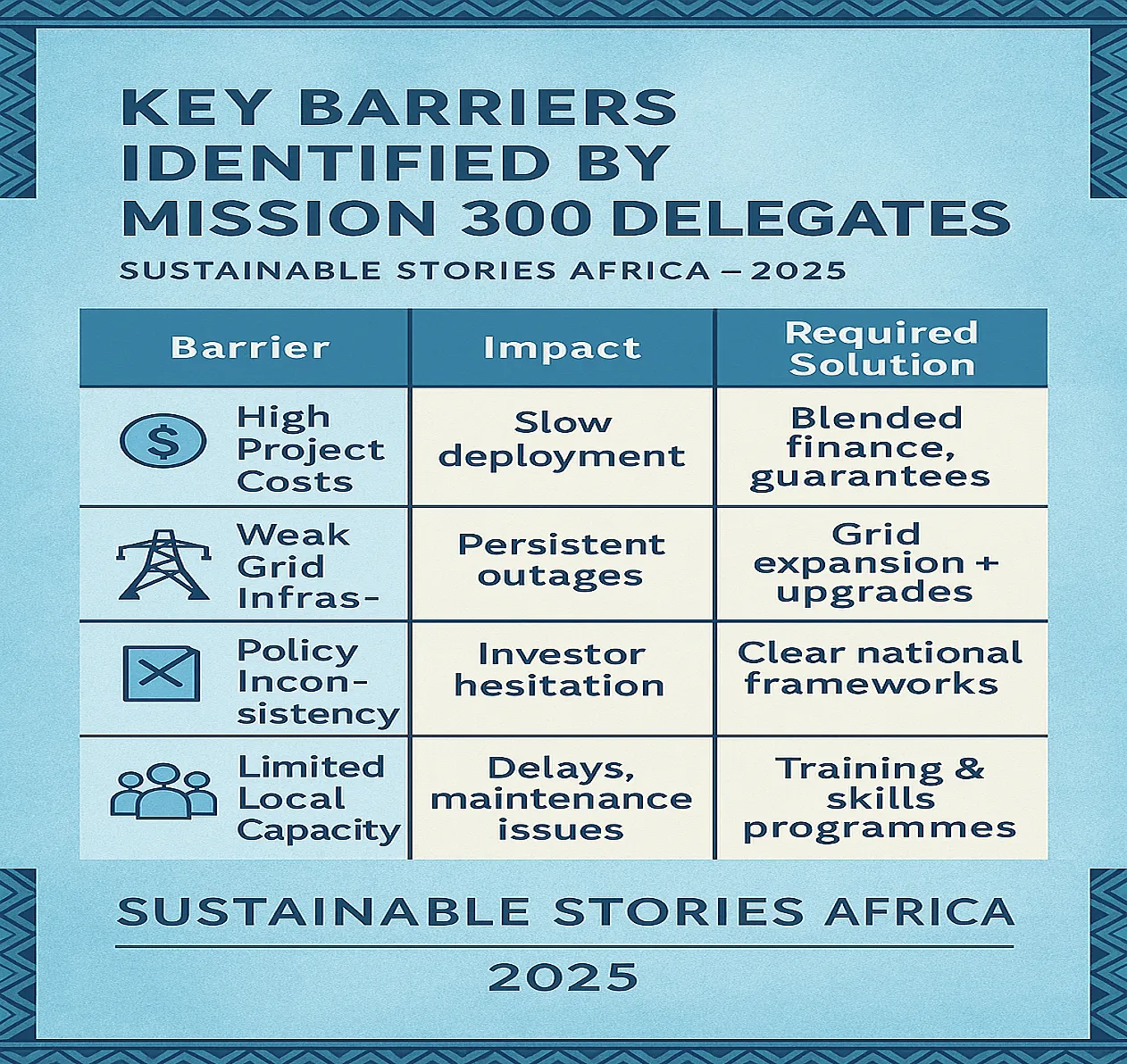
Key Barriers Identified by Mission 300 Delegates
| Barrier | Impact | Required Solution |
|---|---|---|
| High Project Costs | Slow deployment | Blended finance, guarantees |
| Weak Grid Infrastructure | Persistent outages | Grid expansion + upgrades |
| Policy Inconsistency | Investor hesitation | Clear national frameworks |
| Limited Local Capacity | Delays, maintenance issues | Training & skills programmes |
What Governments and Partners Must Do Next
Participating governments pledged to develop country-specific energy-access roadmaps, strengthen renewable-energy procurement processes, and expand mini-grid development in underserved rural areas.
International financiers, including the Africa Development Bank, Sustainable Energy for All (SEforALL), and climate-impact investors, were urged to scale concessional funding, risk-mitigation instruments, and private-sector mobilisation to meet the 2030 deadline.
Delegates also emphasised community participation and transparent monitoring to ensure equitable access and measurable progress.
PATH FORWARD – Accelerating Access Through Unified Energy Action
Delivering electricity to 300 million people by 2030 will require coordinated policy reforms, rapid funding mobilisation, and strong public-private partnerships across all 29 states. Transparent tracking and stable energy policies are essential to maintaining investor confidence.
Africa's Mission 300 coalition offers a landmark opportunity to strengthen climate resilience, drive green industrialisation, and close the continent's power-access gap within a single decade.