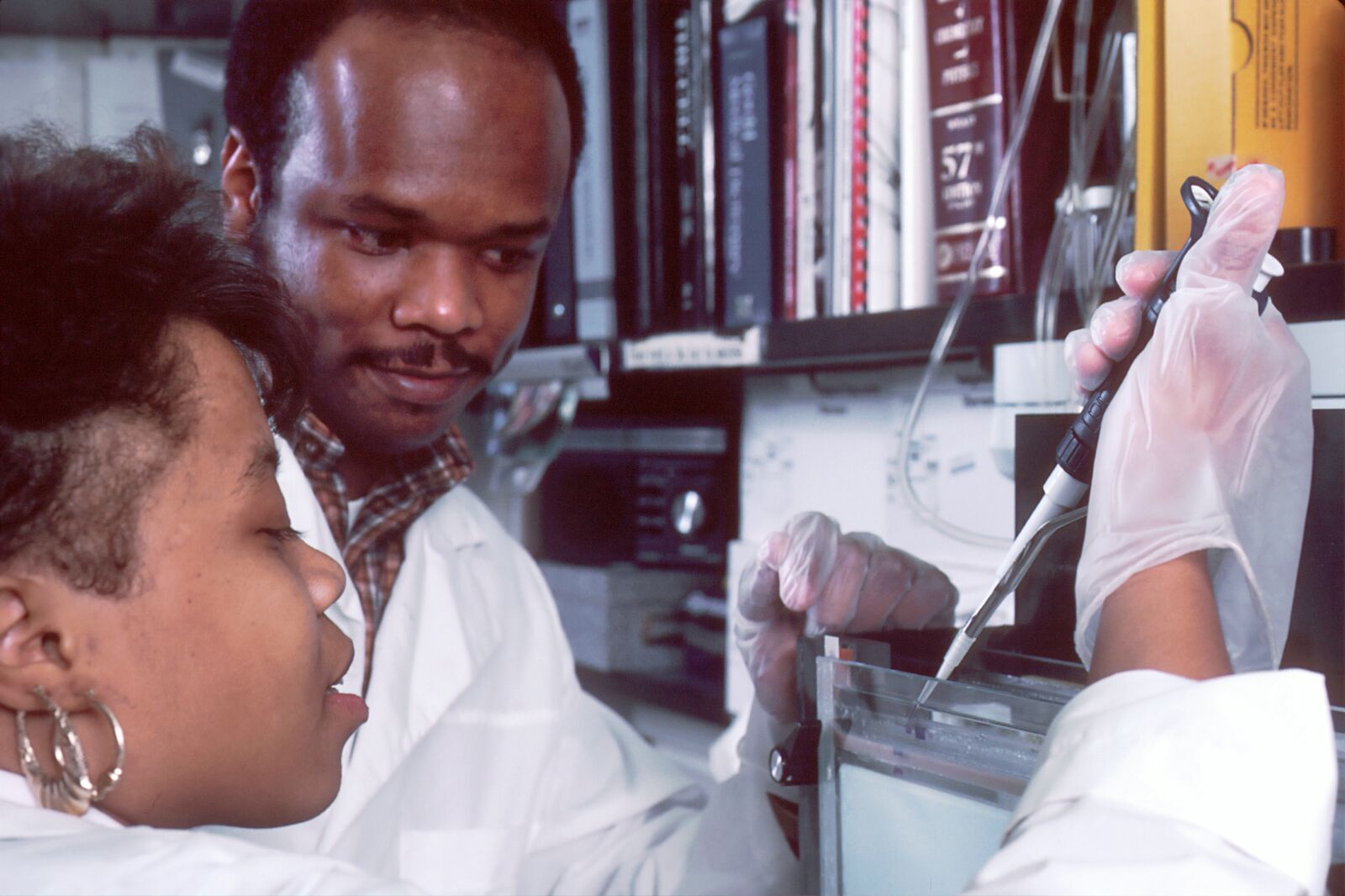
Poor supervision is emerging as a major reason young researchers are leaving academia.
A new survey of more than 2,600 researchers highlights how supervisors shape mental health, career confidence and retention.
For African and Global South universities, the warning is urgent: weak mentorship could drain scientific talent just when research capacity is most needed.
Young Scholars Are Walking Away
A quiet crisis is unfolding within laboratories, libraries and graduate offices: young researchers are leaving academia not only because of funding gaps, but because poor supervision is making the work feel unsustainable.
A Nature report published on June 1, 2026, citing a survey of more than 2,600 researchers, found that bad experiences with supervisors are common among early-career academics and one of the leading reasons they exit academic life.
The finding matters far beyond university campuses. Research systems depend on young scholars to produce new evidence, teach future professionals, support innovation and solve development problems.
When supervision fails, countries risk losing the very people needed to strengthen public health, climate resilience, food security and technological competitiveness.
For a doctoral student in Lagos, Nairobi or Accra, the issue is not abstract. It can look like unanswered emails, unclear expectations, delayed feedback, exploitative workloads, public criticism or a supervisor who controls access to funding, authorship and career opportunities.
Supervision Shapes The Research Pipeline
Academic supervision is often treated as a private relationship between a senior scholar and a student.
However, the survey suggests it should be seen as a systems issue.
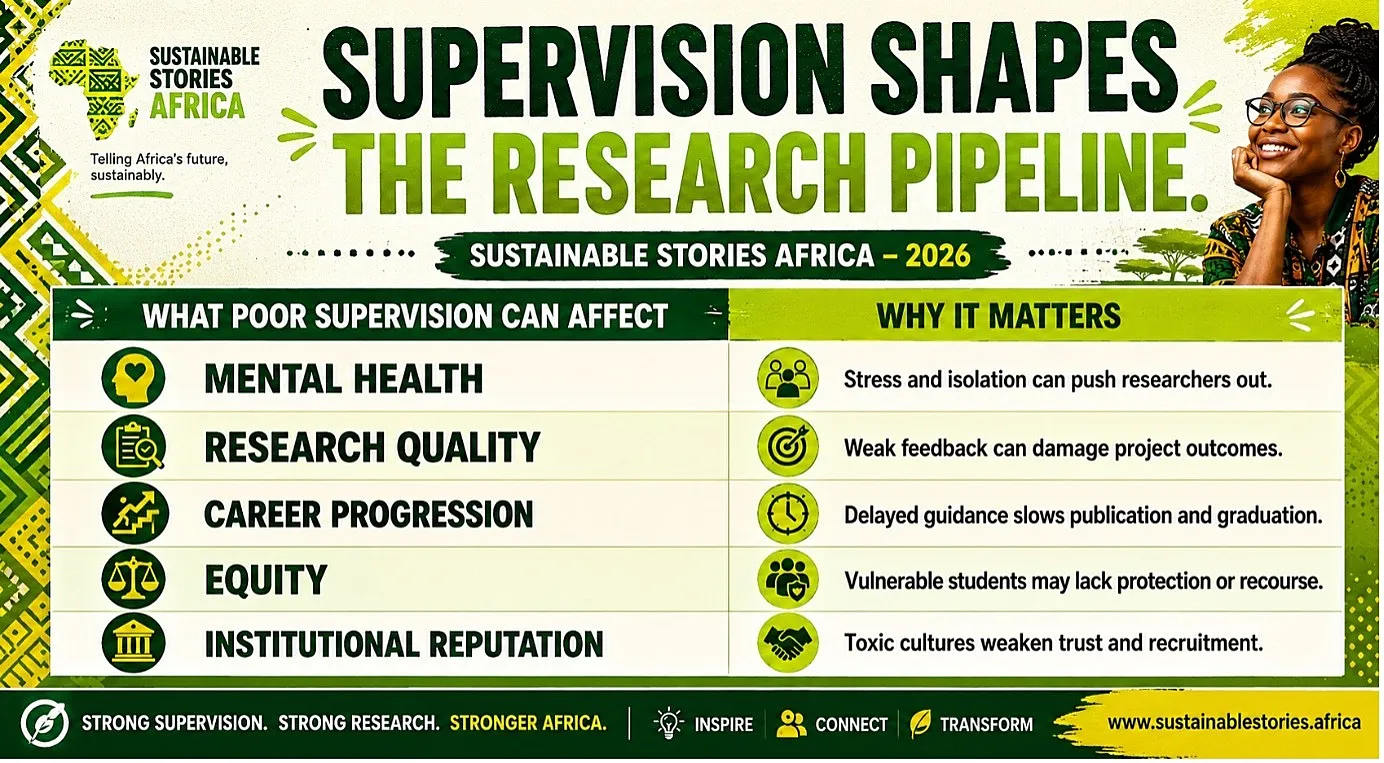
In many African universities, the pressure is intensified by limited research funding, large supervision loads and weak institutional grievance systems.
A young researcher may be expected to publish internationally, support teaching, manage fieldwork and navigate scarce resources while receiving little structured mentorship.
The result is a loss of human and institutional capacity.
- A promising climate scientist may leave for consulting.
- A public health researcher may abandon doctoral work.
- A data scientist may choose the private sector over a university career.
Each exit reduces the pool of scholars available to build local evidence for local problems.
The challenge is especially serious in the Global South, where universities are already working to reverse brain drain, expand postgraduate training and compete for international research partnerships.
Better Mentorship Can Retain Talent
Good supervision can change the story.
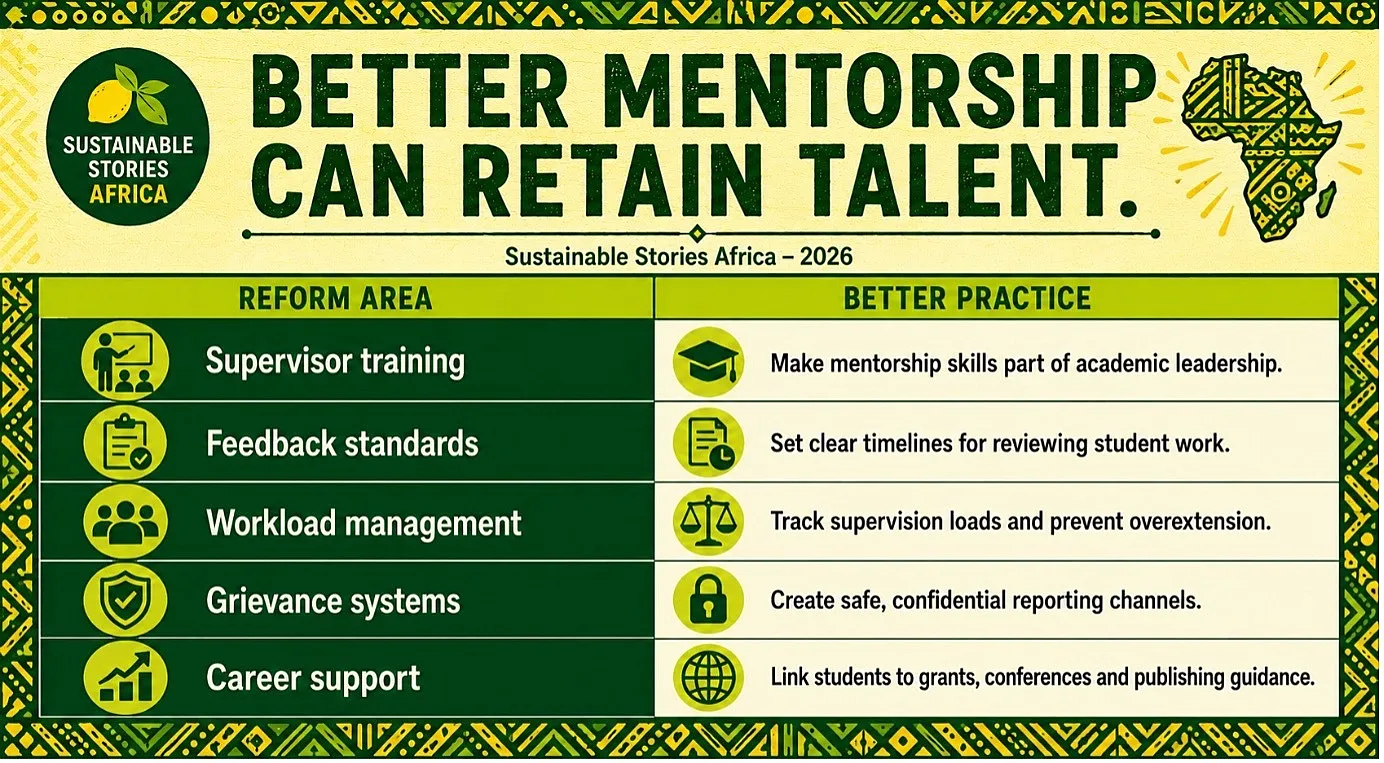
A strong supervisor does more than review chapters. They set clear expectations, provide timely feedback, protect research integrity, support well-being, and help young scholars build professional networks.
If universities get this right, the gains are significant. More researchers stay. More theses are completed.
More papers are published. More evidence reaches policymakers, communities and investors.
For African institutions, stronger supervision also supports ESG and sustainability goals.
- Research talent is central to climate adaptation, public health systems, green technology, inclusive finance and social development.
- Losing young researchers weakens the knowledge infrastructure needed to deliver those outcomes.
Universities Must Treat Supervision As Governance
The lesson for university leaders is clear: the quality of supervision should no longer depend on individual goodwill alone.
- Institutions need formal supervisor training, transparent accountability systems and regular student feedback mechanisms.
- Promotion criteria should reward mentorship, not only publication counts and grant income.
- Departments should monitor completion rates, supervisory conflicts and postgraduate wellbeing as core performance indicators.
Funders also have a role.
- Research grants can require mentorship plans, safeguarding policies and early-career support structures.
- Professional associations can set supervision standards and recognise excellent mentors.
For students, the goal is not to weaken academic rigour. It is to build research environments where high standards are matched with fairness, clarity and care.
Path Forward – Make Mentorship A Research Priority
Universities should treat supervision as academic infrastructure, not an informal courtesy.
Strong mentorship systems can retain talent, improve research quality and protect young scholars from avoidable harm.
For African markets, this is also a sustainability issue. Better supervision strengthens the research workforce needed for climate action, health resilience, innovation and inclusive development.
Culled From: Poor supervision is pushing young researchers out of academia