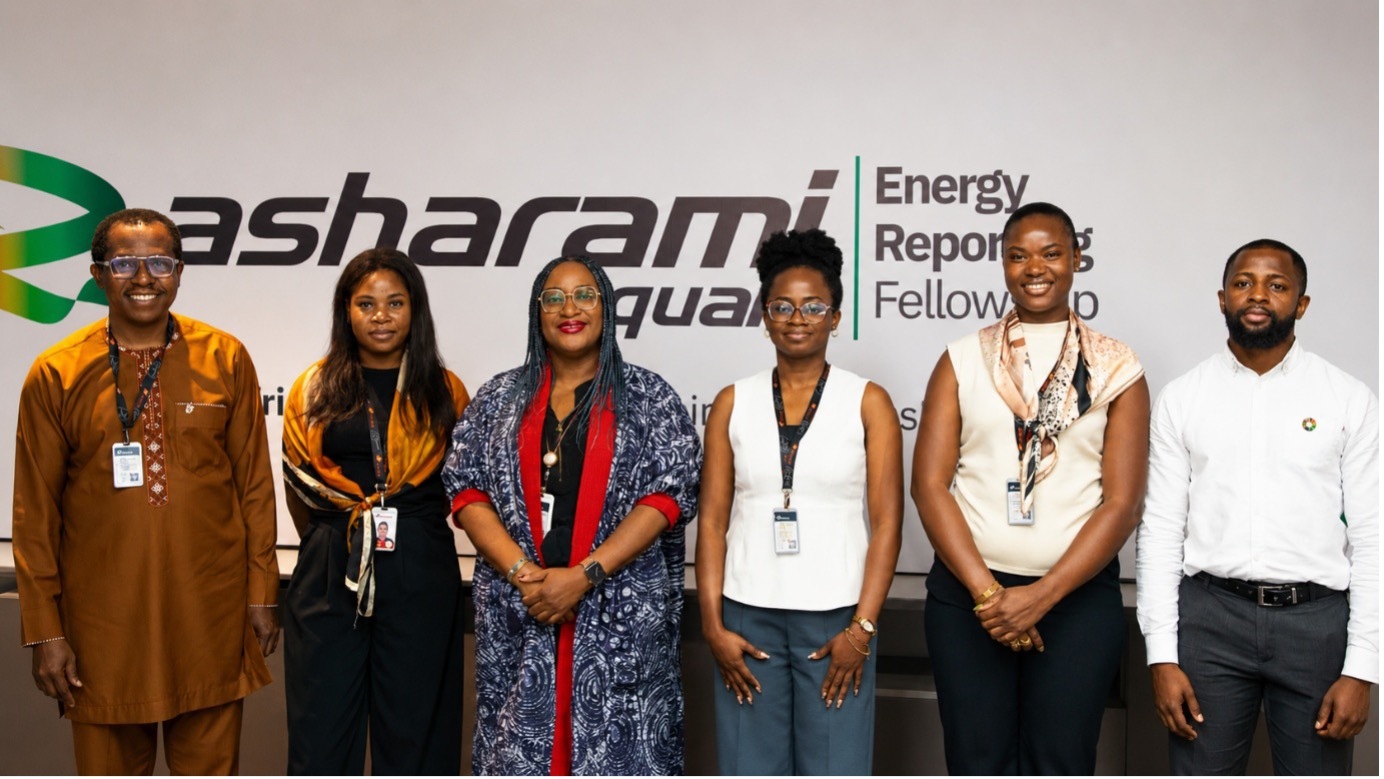
Sahara Group has unveiled the Asharami Square Energy Reporting Fellowship, offering up to $5,000, mentorship and expert-led engagement for journalists across Africa.
The initiative comes as Africa’s energy story becomes more complex, shaped by access gaps, infrastructure deficits, climate pressure and financing constraints.
For newsrooms, the fellowship signals a push toward deeper, solutions-driven reporting that connects policy choices with community impact.
A New Push For Energy Storytelling
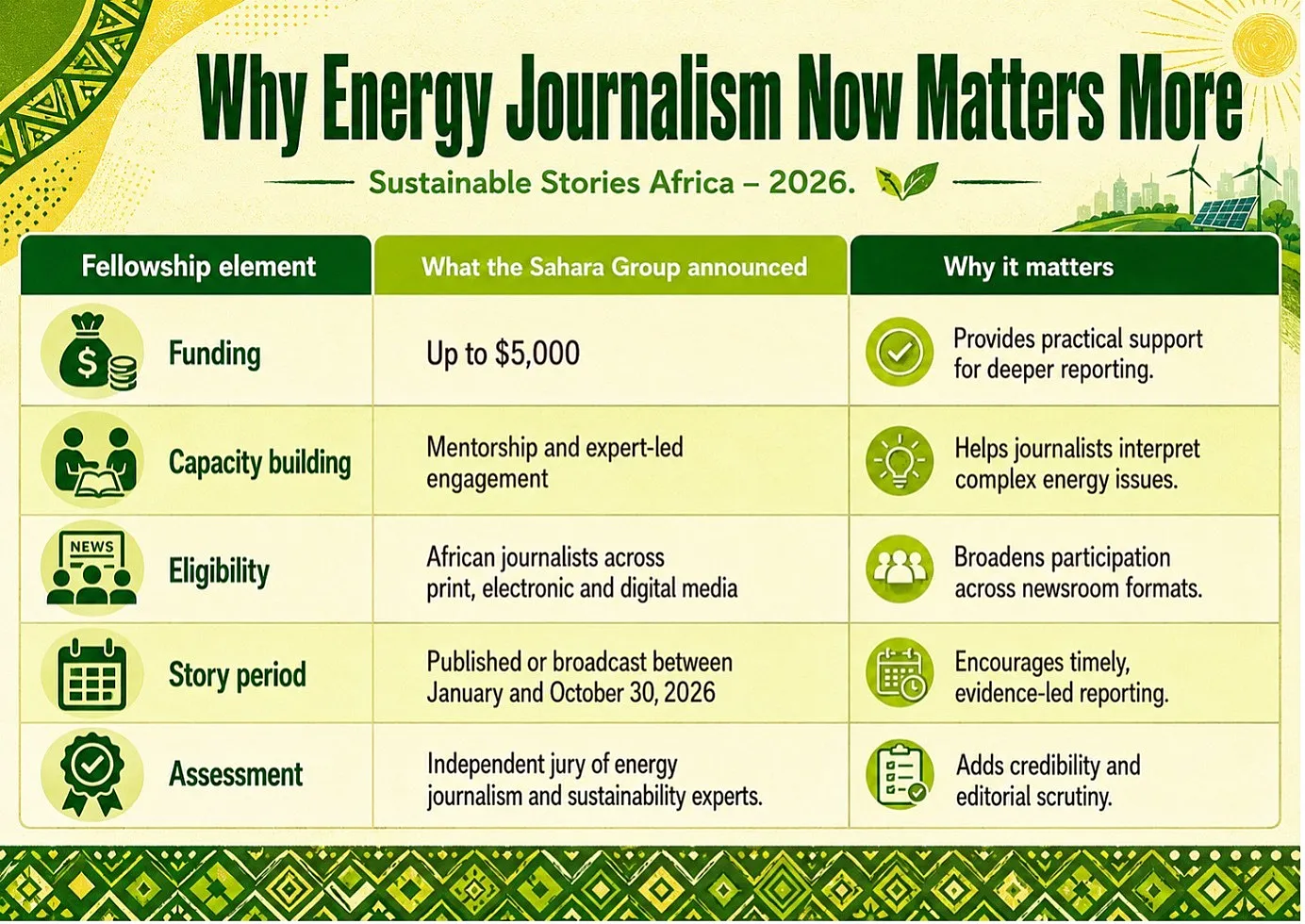
Sahara Group has launched the Asharami Square Energy Reporting Fellowship, a new initiative offering up to $5,000 in funding, mentorship and expert-led engagement to support stronger energy journalism across Africa.
The fellowship, announced by the international energy and infrastructure conglomerate, is designed for journalists working across print, electronic and digital media.
It forms part of Asharami Square, Sahara Group’s flagship thought-leadership platform, now in its third edition and scheduled to hold on July 22, 2026, in Lagos, Nigeria.
This year’s Asharami Square is themed “Energising Africa’s Energy Future: Legacy, Impact, and Transformation.”
The fellowship itself carries a sharper editorial charge: “Telling Africa’s Energy Story. Shaping Solutions.”
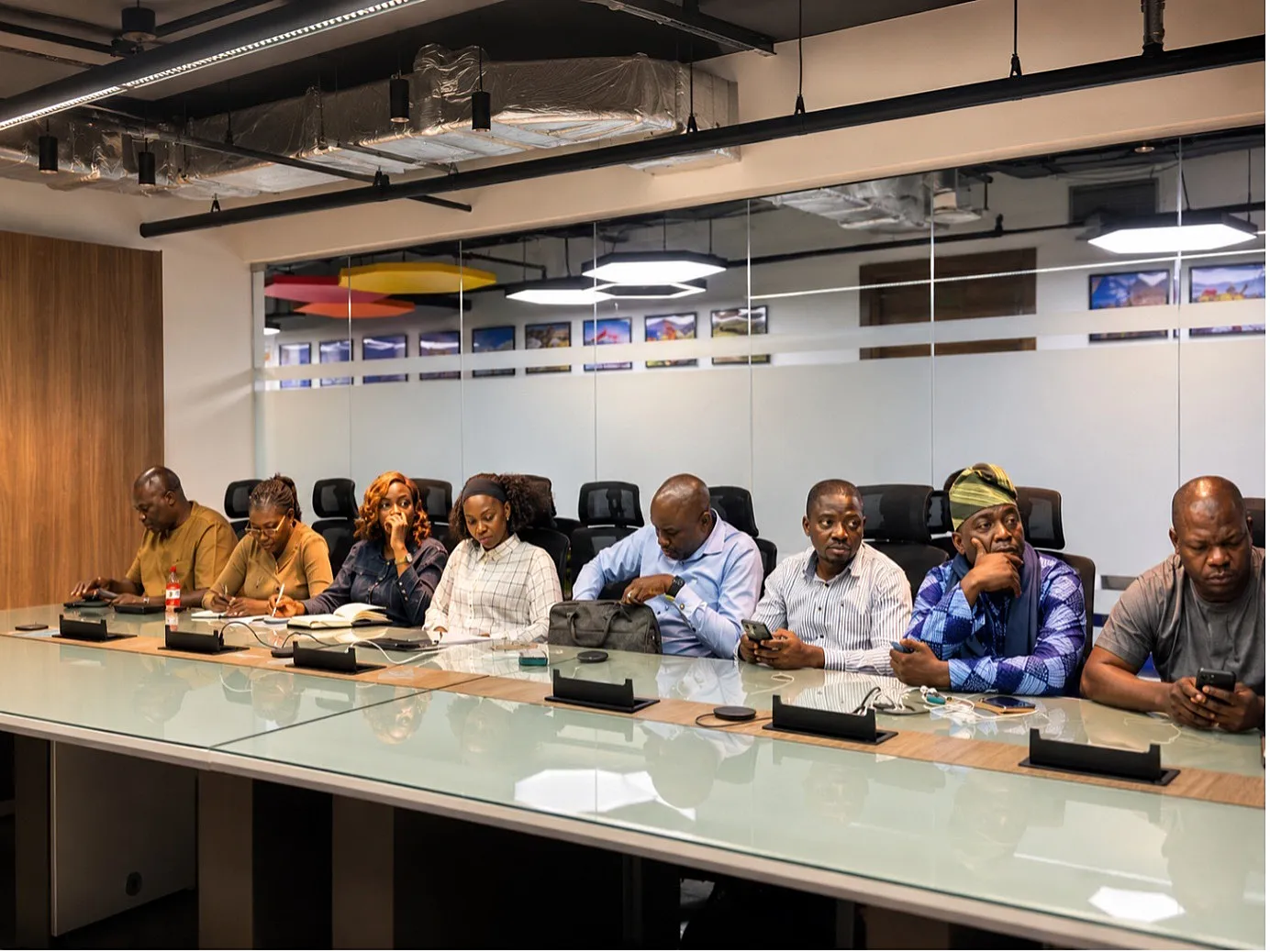
At its core, the initiative responds to a growing challenge in African energy discourse. The continent’s energy transition is no longer a distant policy conversation; it is now a daily development issue affecting households, businesses, investors, regulators, utilities and communities living with unreliable supply, rising costs or limited access.
Why Energy Journalism Now Matters More
Africa's energy future is defined by challenging trade-offs: expanding electricity access while cutting emissions; attracting private capital without compromising affordability; developing gas, renewables and infrastructure without ignoring communities; and reporting transition policies without reducing them to slogans.
The Sahara Group Fellowship is designed to meet that challenge, supporting well-researched stories that uncover underreported energy issues and advance practical, forward-looking solutions.
Entries must be published or broadcast between January and October 30, 2026, and must be original, insightful and accurate.
"As the energy landscape becomes more complex, the need for accurate, contextual, and impactful reporting becomes even more critical," said Ejiro Gray, Director of Governance and Sustainability at Sahara Group.
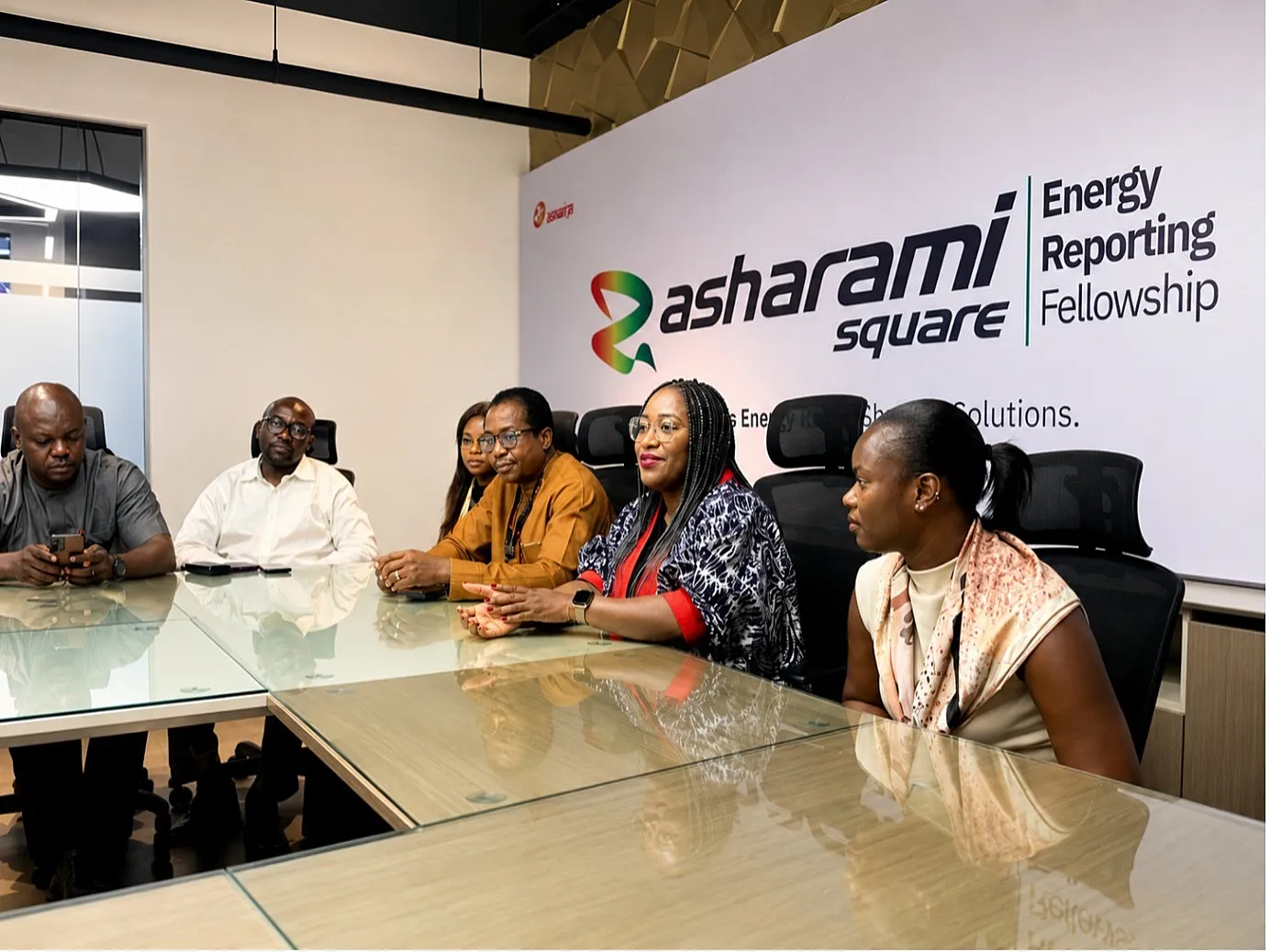
The point is timely. Africa's energy story is too often told through extremes, crisis or opportunity, fossil fuels or renewables.
In reality, it is all of these simultaneously. A rural clinic without stable power, a small manufacturer paying for diesel backup, and a community affected by infrastructure projects are all part of the same story.
Better Reporting Can Strengthen Energy Decisions
If the Sahara Group Fellowship succeeds, its value will extend well beyond awards, building a stronger pipeline of journalists who understand energy systems, financing models, ESG implications and community realities.
"With the Fellowship, we are going a step further to support the storytellers themselves," said Bethel Obioma, Head of Corporate Communications at Sahara Group, "enabling a new wave of journalists across Africa to unearth untold energy stories and spotlight practical solutions."
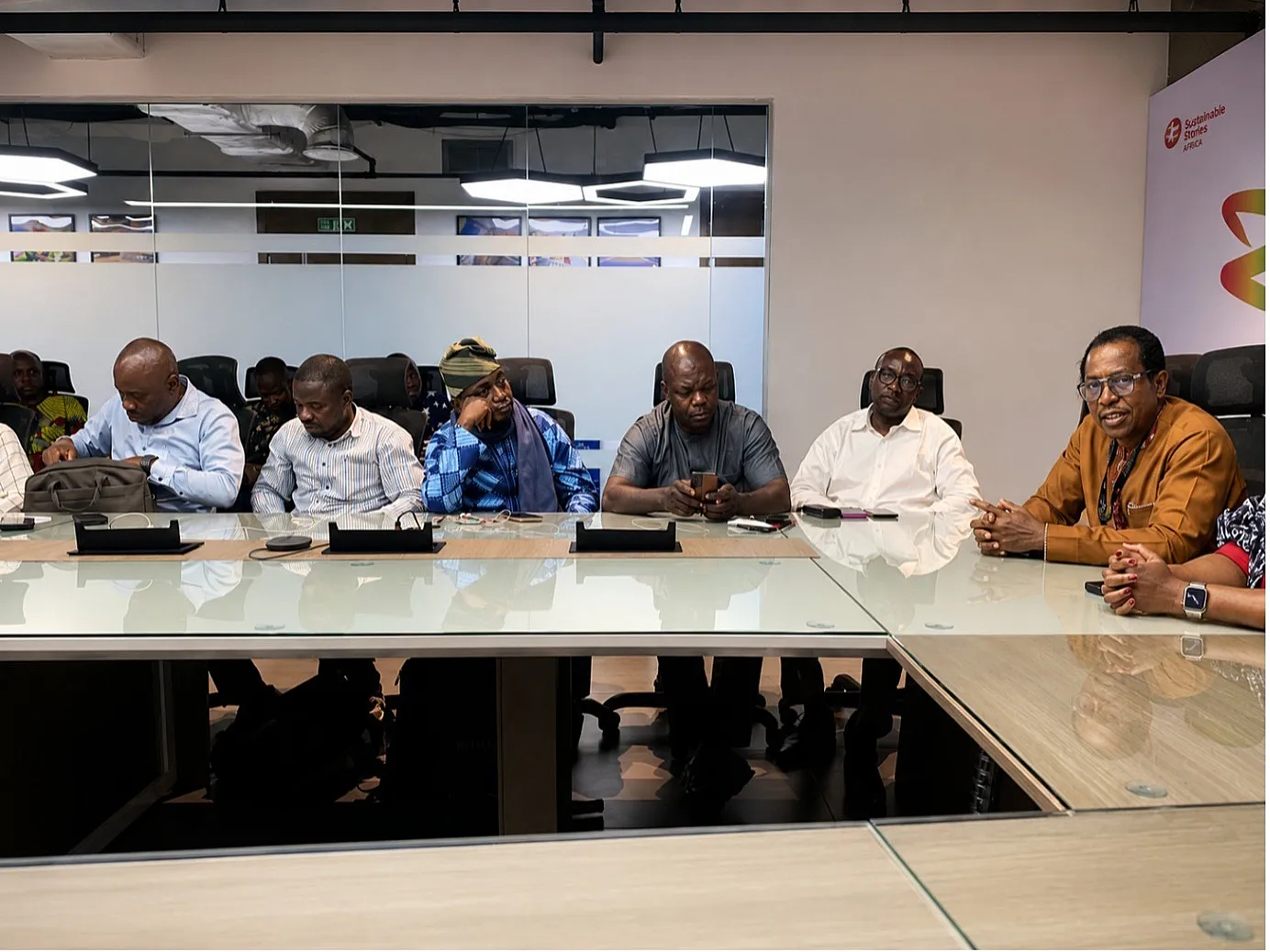
The strongest energy journalism does not simply report megawatts or investment figures. It explains who benefits, who pays, what risks remain and what governance safeguards are needed.
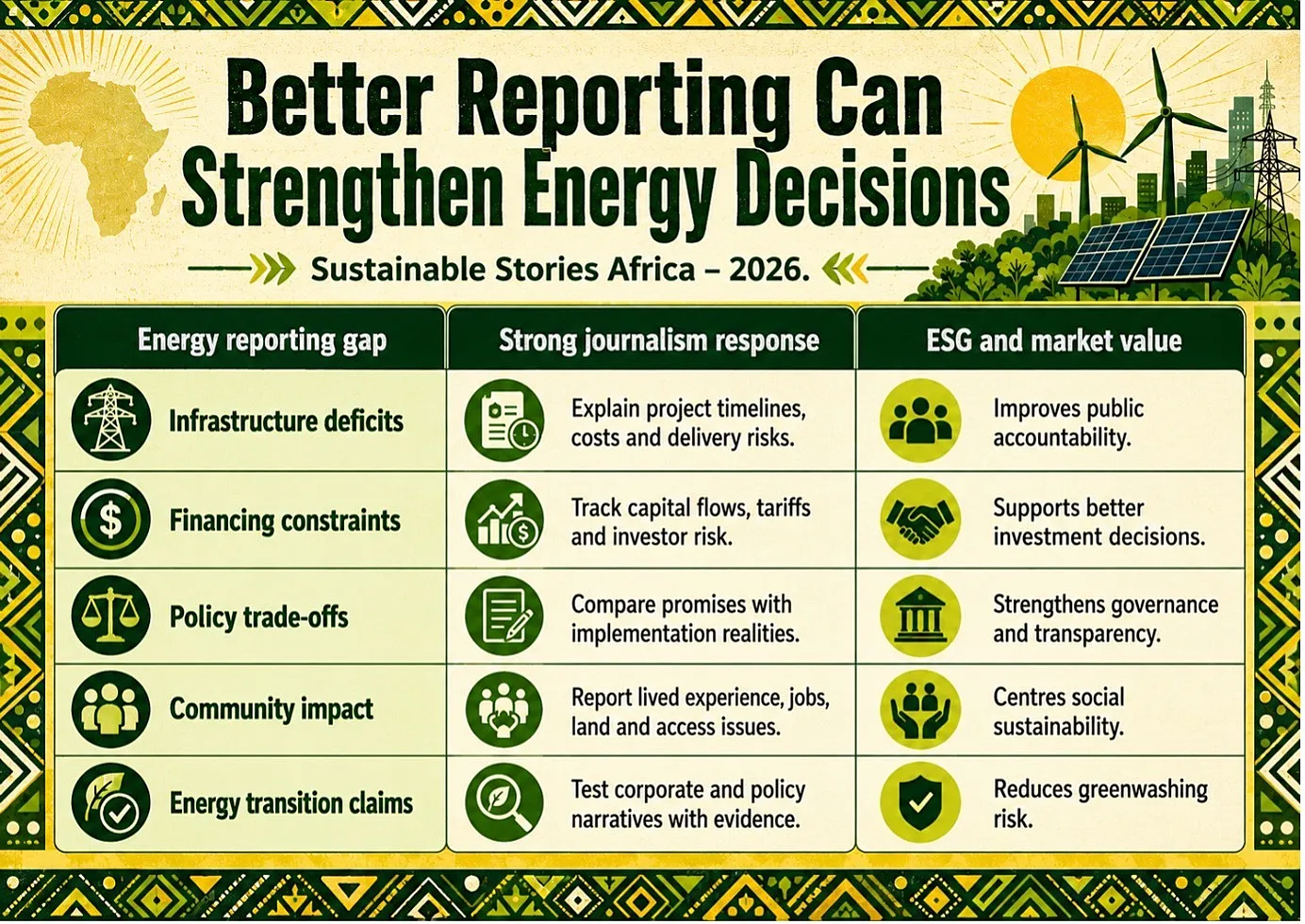
For African markets, that quality of reporting builds trust, helping policymakers defend credible reforms, giving investors clearer market insight and amplifying community voices in development decisions.
Journalists Must Turn Access Into Accountability
The Sahara Group Fellowship places responsibility on both sides of the media ecosystem. Journalists must submit original, accurate and solutions-driven work.
Newsrooms must give reporters the time and editorial support to investigate complex energy issues. Industry players must provide clearer data, stronger access and more transparent sustainability claims.
Submissions are accepted through the fellowship portal for work published or broadcast between January and October 30, 2026. However, fuller details on judging criteria, timelines, award structure and post-award mentorship remain important for building applicant trust and programme credibility.
Africa's energy story is too consequential to be left to press statements, investor decks or political speeches.
It needs journalists who can follow the money, explain the policy, listen to communities and test claims against outcomes.
Path Forward – Build Evidence, Trust, and Energy Accountability
The path forward is to strengthen energy journalism as a public-interest tool. Sahara Group’s fellowship can support that shift by helping reporters connect infrastructure, finance, policy and community realities with clearer evidence.
For Africa’s ESG agenda, the priority is not just more energy coverage. It is better energy coverage: accurate, contextual, inclusive and solutions-led reporting that helps markets grow while keeping people, accountability and sustainability at the centre.