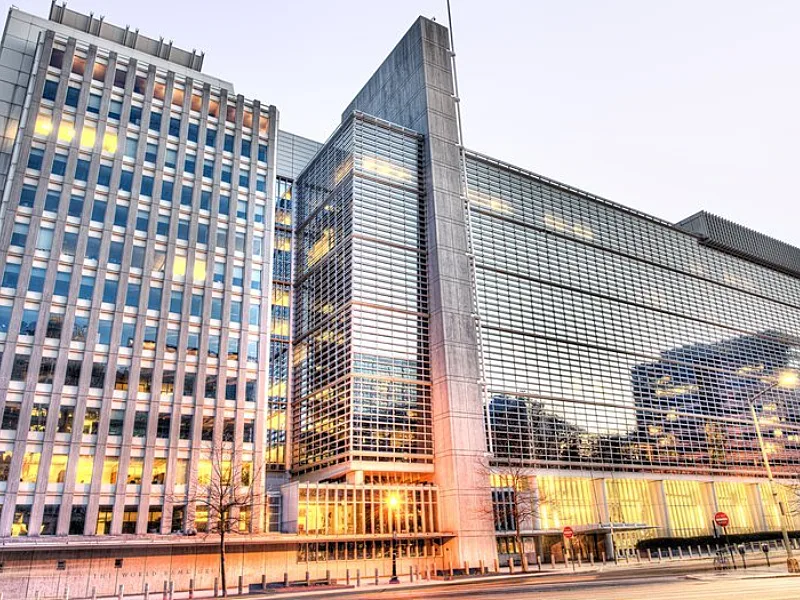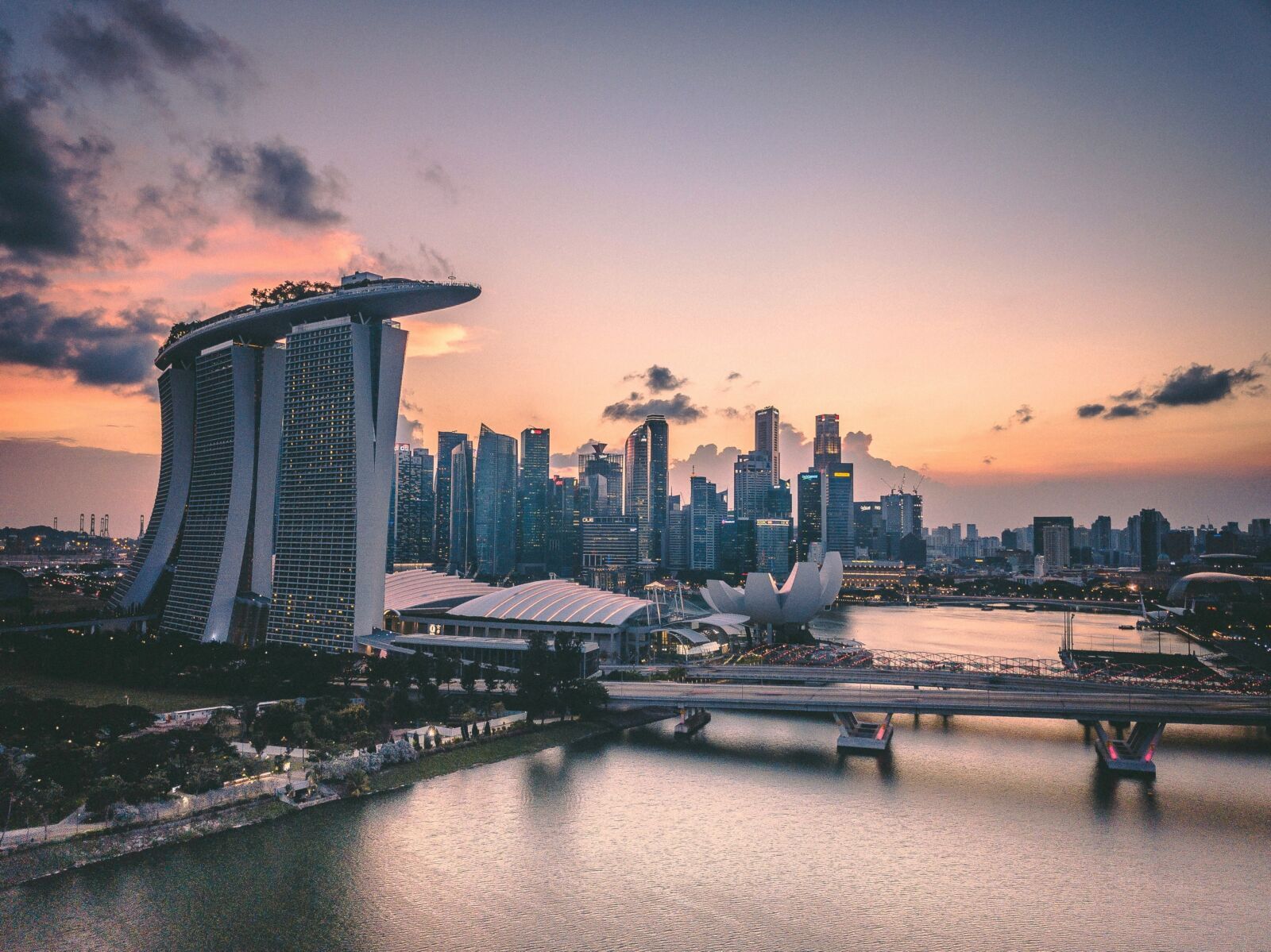
Singapore and the World Bank Group have launched the Singapore Carbon Markets Programme.
The initiative targets weak infrastructure, high transaction costs and limited readiness in developing carbon markets.
For African and Global South countries, the promise is practical: better registries, stricter rules and fairer access to climate finance.
Trust Becomes The Market’s Missing Infrastructure
Singapore and the World Bank Group have launched a new carbon markets programme aimed at helping countries build the technical, institutional and digital systems needed to participate in high-integrity carbon markets.
Announced on 20 May 2026 at the Innovate4Climate conference in Singapore, the Singapore Carbon Markets Programme will support countries in strengthening carbon market infrastructure, monetising carbon credits and building host-country readiness.
The initiative is part of the World Bank Group’s wider strategic partnership with Singapore.
At its core, the programme seeks to address a problem that has slowed carbon markets for years: many countries have climate assets, but not always the systems to verify, register, price and trade them with confidence.
Why This Matters For Developing Markets
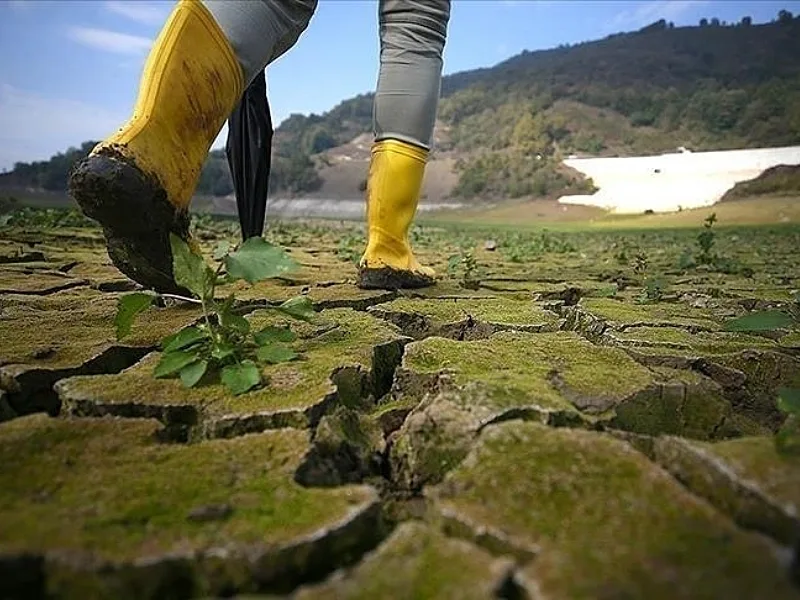
For an African farmer restoring degraded land, a clean-cooking company serving low-income households, or a renewable energy developer trying to raise project finance, carbon markets can offer more than a climate label. They can provide a route to capital.
But only when buyers trust the credits.
The World Bank has noted that well-designed, high-integrity carbon markets can help finance climate action in developing countries, while weak systems can limit growth and confidence.
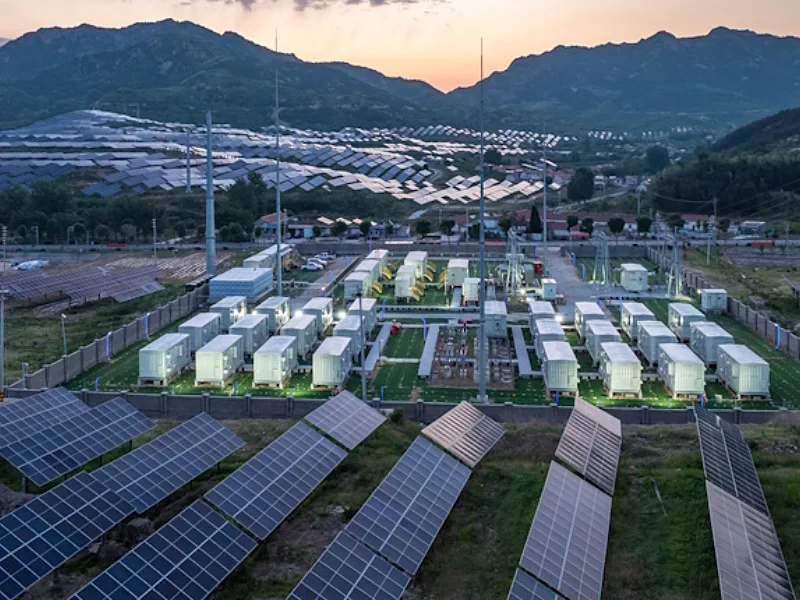
Its related carbon pricing work also points to Article 6 of the Paris Agreement, carbon taxes, emissions trading systems and crediting mechanisms as central parts of the emerging market architecture.
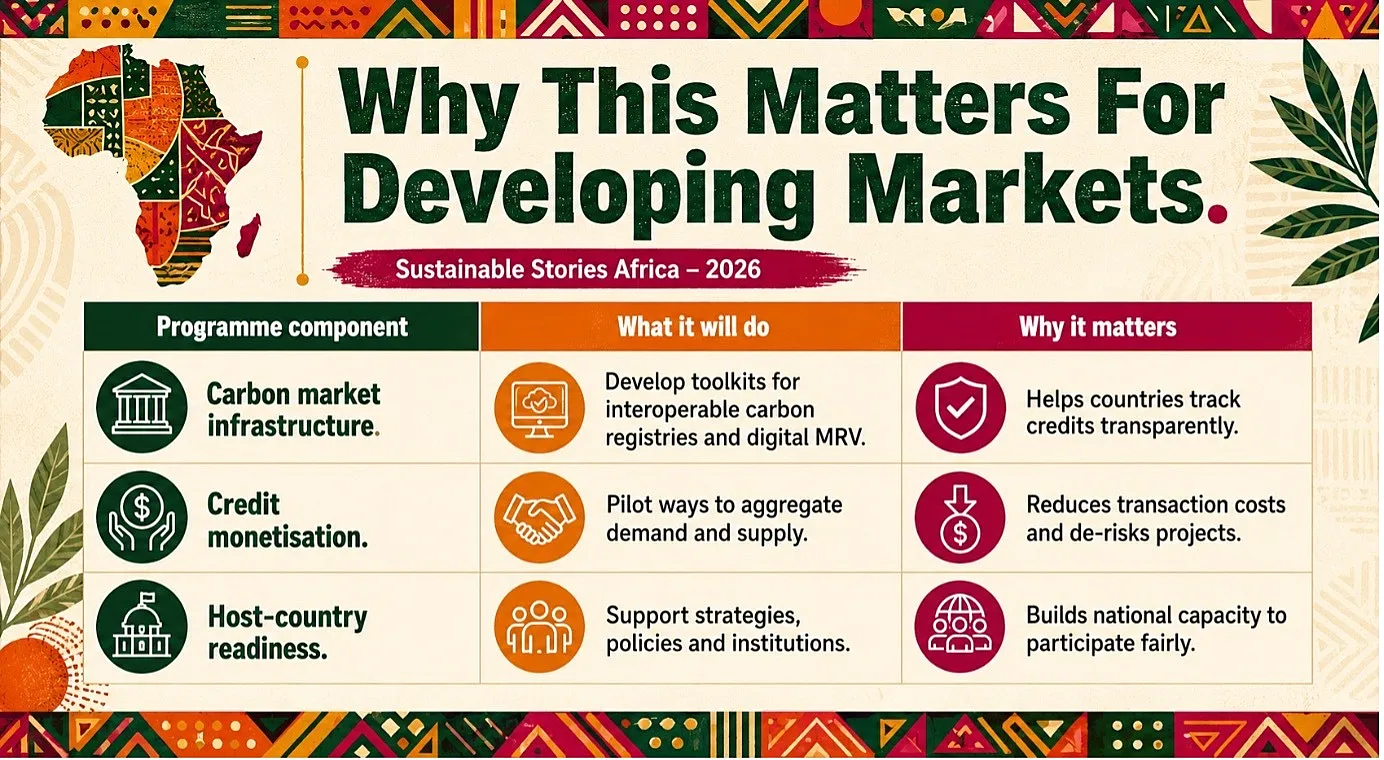
The programme will also support digital monitoring, reporting and verification for new credit types, including regenerative agriculture, a potentially important area for African economies where land, food systems and climate resilience are tightly linked.
From Climate Assets To Real Finance
The opportunity is significant. Across Africa and the wider Global South, many climate-positive projects remain underfunded because they are too small, too risky or too costly for buyers to assess individually.
A better carbon market system could change that.
By aggregating demand and supply, reducing transaction costs and improving registry quality, the programme could make it easier for smaller developers to reach credible buyers.
That matters in underserved markets where promising projects often fail to scale because they cannot afford verification, legal structuring or buyer engagement.
Singapore brings its own market experience to the partnership. The country introduced a carbon tax in 2019, has signed carbon credit purchase agreements with host countries, and has helped grow an ecosystem of market players, service providers and exchanges.
It is also a founding partner of the Climate Action Data Trust with the World Bank Group and IETA.
Integrity Must Come Before Expansion
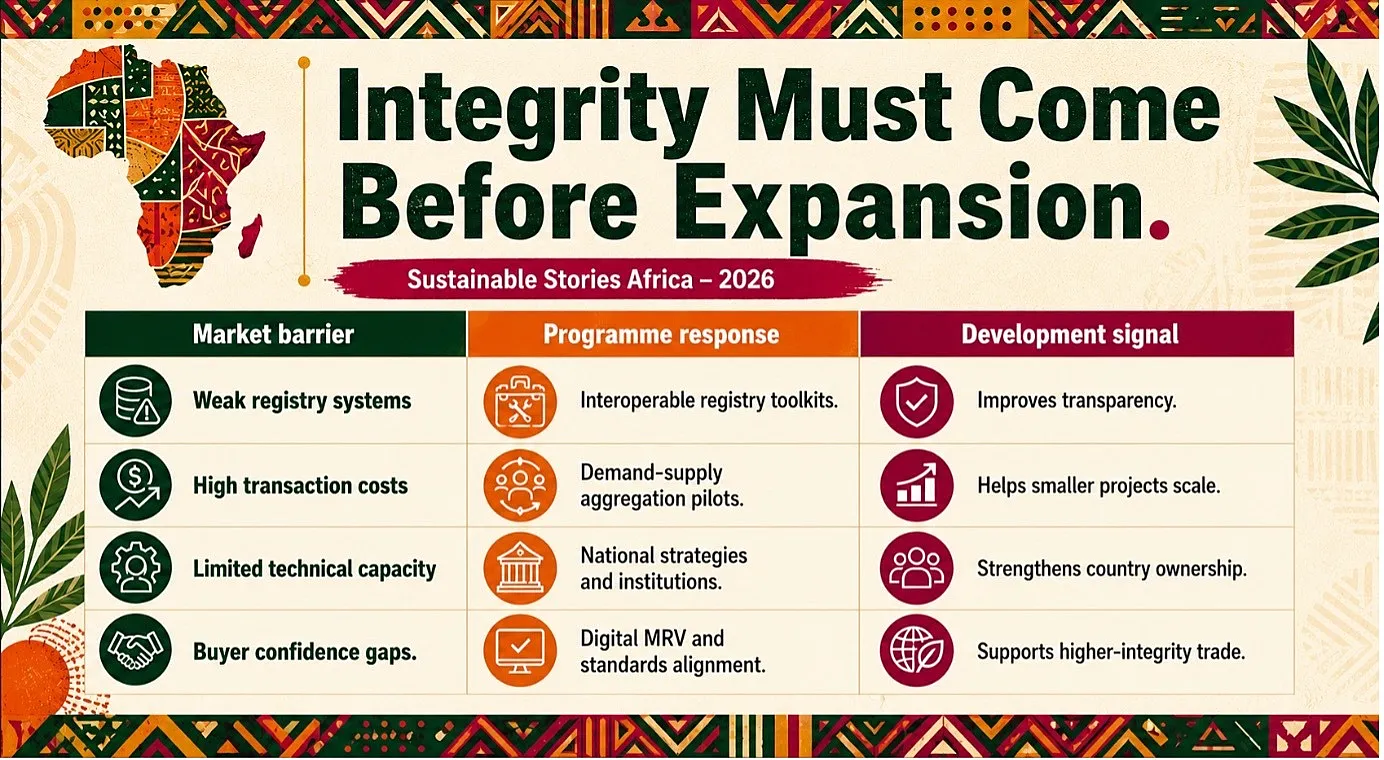
The central test is whether carbon markets can grow without repeating old mistakes: weak transparency, unclear ownership, double counting and limited benefits for host communities.
The programme’s design suggests that infrastructure is now being treated as climate finance policy.
Registries, MRV systems, institutional rules and market readiness are no longer back-office details. They are the foundation for trust.
For African markets, the lesson is clear: carbon finance will not flow at scale simply because ecosystems store carbon.
Countries must also build the rules, data systems and institutions that make credits credible.
Countries Must Build Market Readiness
The next phase should prioritise country-level execution.
- Governments need clear carbon market strategies, strong benefit-sharing frameworks, credible registries and safeguards that protect communities.
- Businesses and financiers also have a role.
- Buyers should demand high integrity, not just low prices.
- Developers should prove community benefit, rather than emissions impact only.
- Development institutions should help smaller markets meet global standards without locking them out through excessive complexity.
Path Forward – Building Trust Before Markets Can Scale
The Singapore-World Bank programme signals a shift from ambition to infrastructure.
For African markets, the priority is readiness: credible rules, transparent registries, digital MRV and fair community outcomes.
If implemented well, carbon markets can become more than offset channels.
They can help mobilise finance for cleaner energy, regenerative agriculture, resilient livelihoods and stronger ESG systems.
Culled From: Singapore and World Bank Group Launch Carbon Markets Programme to Build High-Integrity Global Infrastructure