South Africa has approved sharply lower power prices for some large industrial users.
The move targets energy-intensive smelters struggling with high electricity costs, plant shutdowns and job risks.
For workers, investors and policymakers, the decision tests whether cheaper power can protect industry without weakening broader energy reform.
A Power Discount To Save Jobs
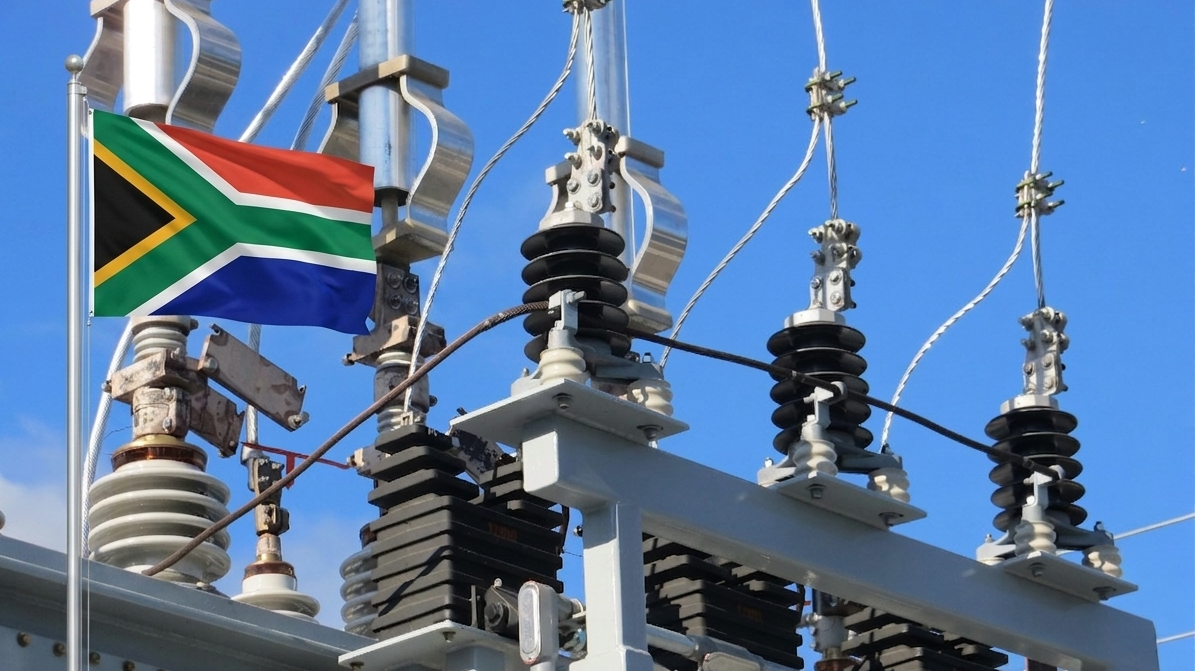
South Africa is cutting electricity prices by more than half for parts of its ferrochrome industry, a dramatic intervention aimed at keeping energy-intensive factories alive after years of rising tariffs weakened one of the country’s strategic industrial sectors.
The preferential tariff, approved by the National Energy Regulator of South Africa, has reduced electricity costs for qualifying smelters to about R0.62 per kilowatt-hour.
The relief helped Glencore’s South African ferrochrome unit cancel planned layoffs affecting up to 1,500 workers and prepare a phased restart of production.
The decision matters because South Africa is the world’s largest producer of chrome ore, but high electricity costs have eroded its ability to process that ore locally into ferrochrome, a key input for stainless steel.
For a worker in a smelter town, the policy is not a technical tariff adjustment. It is the difference between a shift restarting and a household losing income.
Why Heavy Industry Needed Relief
South Africa’s electricity crisis has moved through several phases: load shedding, tariff increases, Eskom debt relief, private generation growth and now targeted industrial rescue.
Ferrochrome smelting is power-hungry. When electricity prices rise sharply, producers lose competitiveness against countries with cheaper power and larger industrial support systems.
Electricity costs for the sector have increased tenfold since 2008, contributing to the shutdown of most local smelters, with only 11 out of 66 still operating.
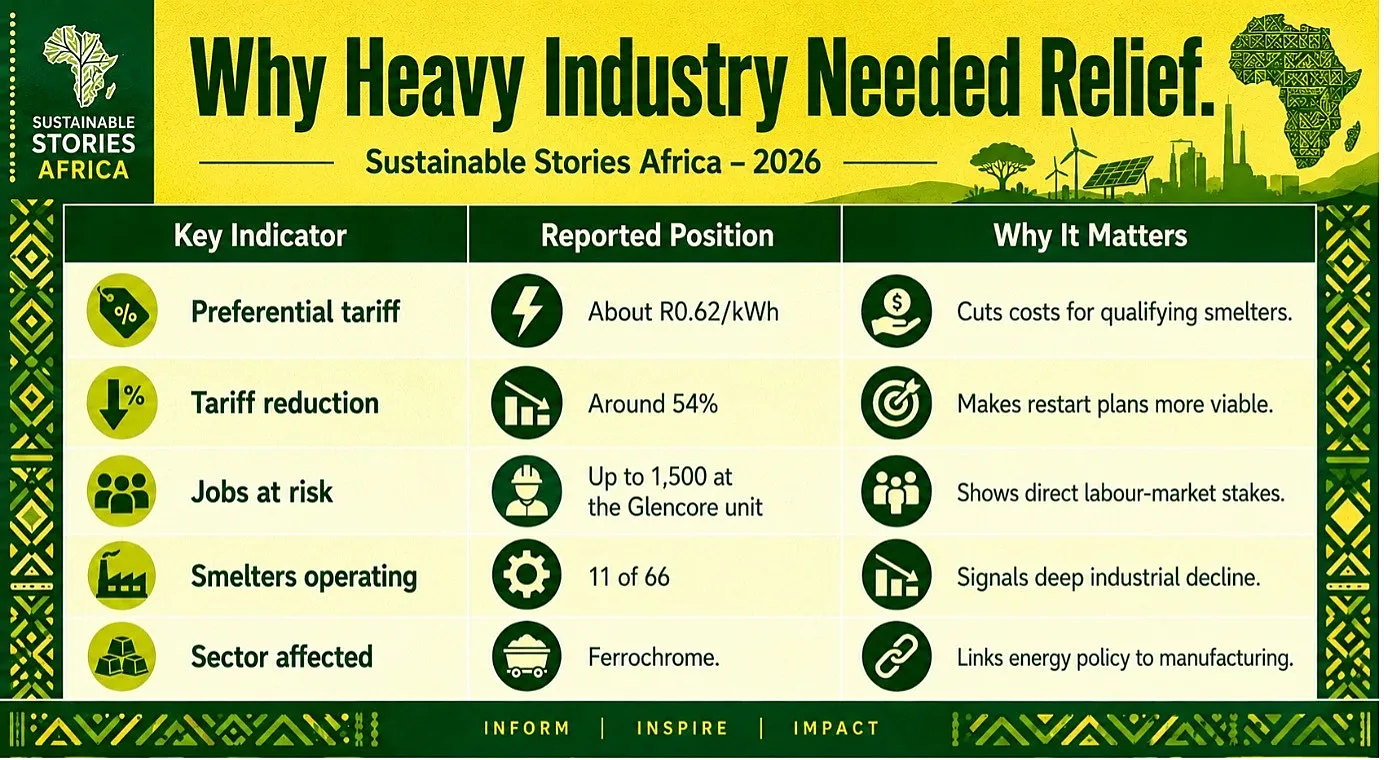
The government’s calculation is clear: if power prices remain too high, South Africa risks exporting raw chrome ore while losing the jobs, taxes and industrial value that come from processing it domestically.
That is why the tariff cut is not only an electricity story. It is an industrial policy story, a jobs story and a competitiveness story.
Cheaper Power Could Rebuild Processing
If managed well, the tariff relief could help South Africa retain more mineral value at home.
- Lower electricity prices can allow smelters to restart furnaces, preserve skilled jobs and support downstream manufacturing.
- It can also send a signal to investors that South Africa wants to remain a processing hub, not just a raw-material exporter.
The potential gains are significant: stronger industrial output, better use of mineral resources, restored confidence in heavy manufacturing and reduced pressure on mining communities where employment alternatives are limited.
However, the risks are also real. Preferential tariffs can lead to fairness concerns if households and smaller businesses continue to pay higher prices.
They can also raise questions about who carries the cost of the discount and whether relief will be tied to performance, jobs and efficiency.
Tariff Relief Must Come With Accountability
South Africa’s power discount should not become a blank cheque.
- Industrial users receiving preferential tariffs should be required to protect jobs, restart production responsibly, improve energy efficiency and report clearly on economic outcomes.
- Regulators must also ensure that relief for large users does not unfairly shift costs onto households, municipalities or small businesses.
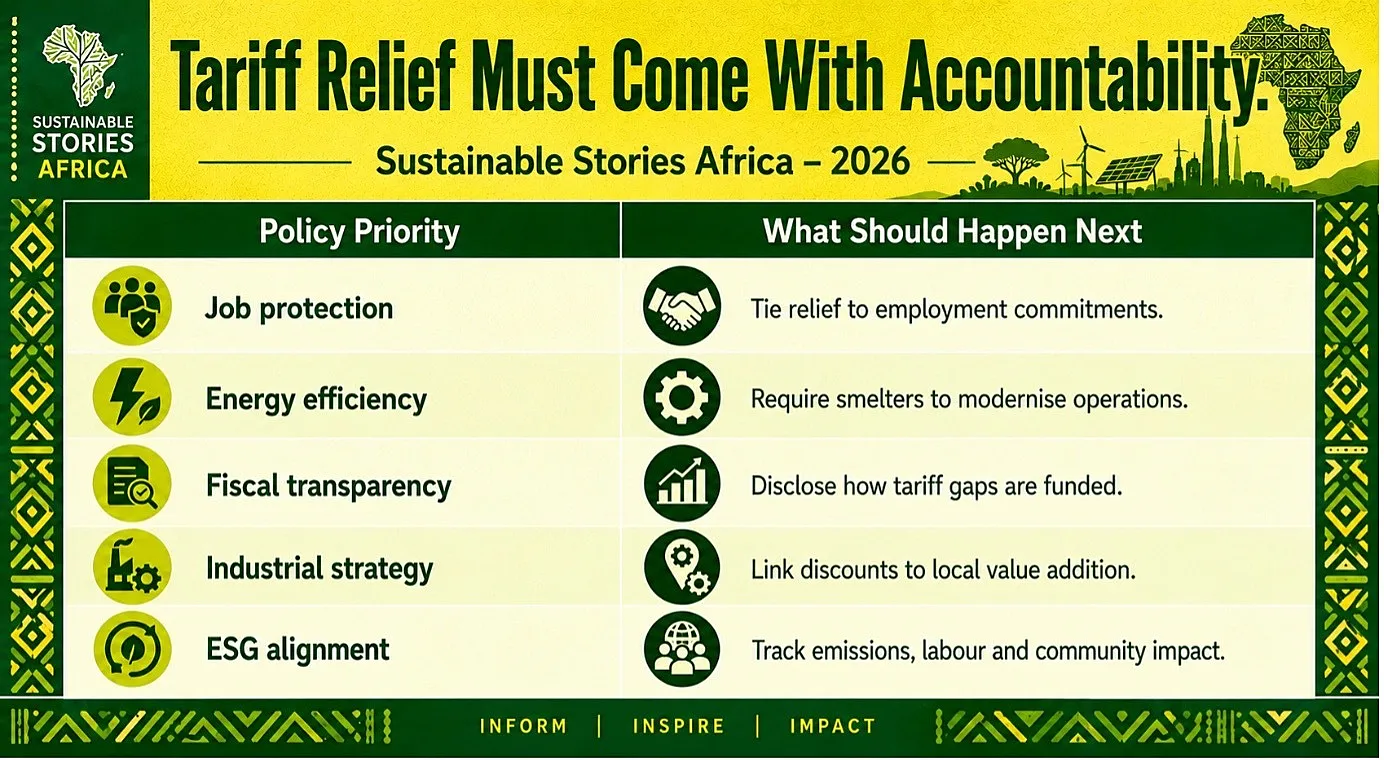
The wider lesson for African markets is that energy pricing cannot be separated from industrial strategy.
Power must be affordable enough to sustain production, but transparent enough to protect public trust.
South Africa’s challenge is to use cheaper electricity as a bridge to competitiveness, not as a substitute for deeper reform.
Path Forward – Make Cheap Power Accountable
The next priority is disciplined implementation.
Preferential tariffs should protect jobs, restart viable production and support local processing, while remaining transparent about costs and beneficiaries.
For ESG and sustainability goals, South Africa must pair industrial relief with cleaner energy, efficiency upgrades and stronger accountability, ensuring cheaper power builds long-term resilience rather than short-term dependency.
Culled From: Why SA is halving some power prices