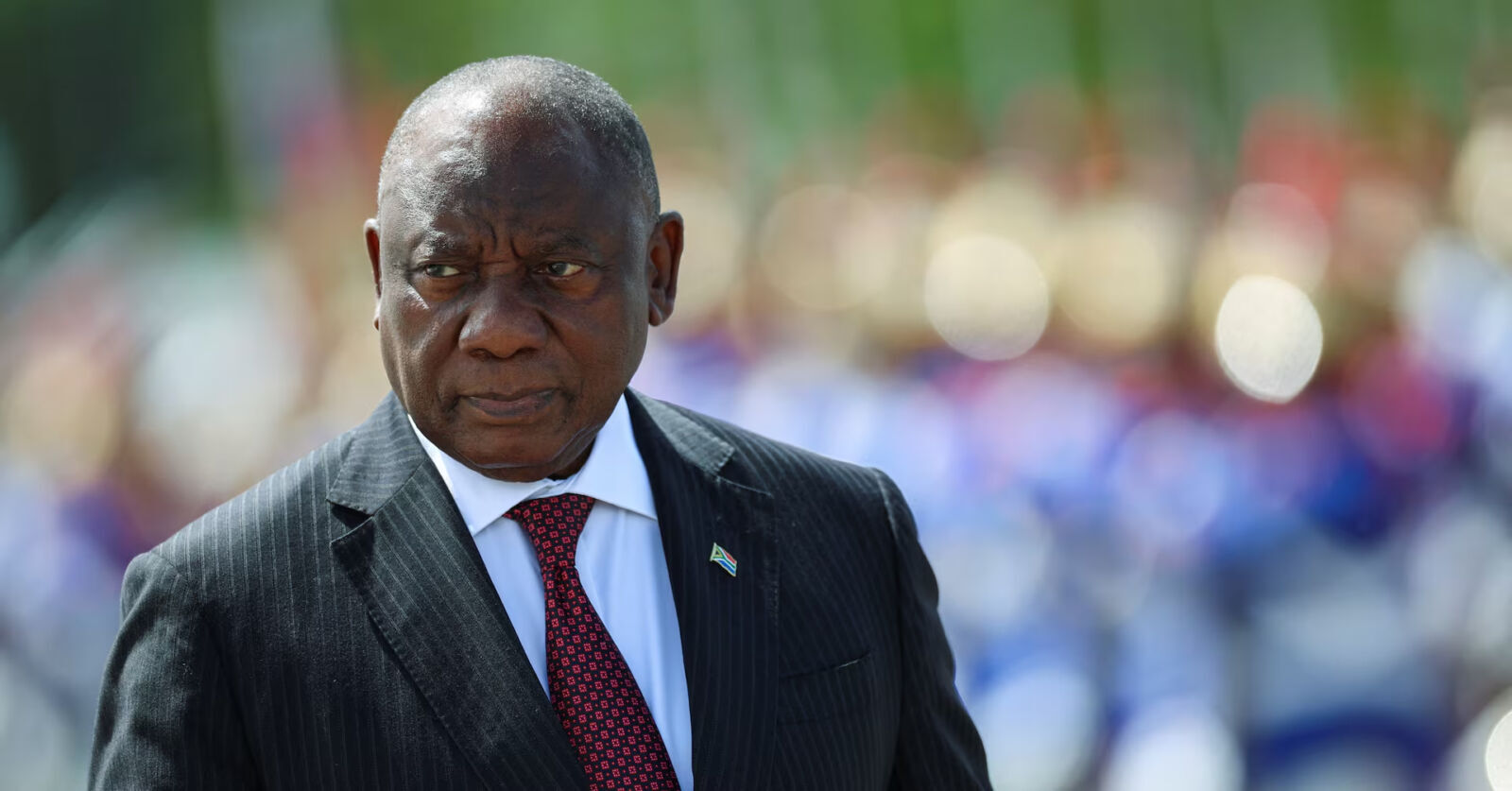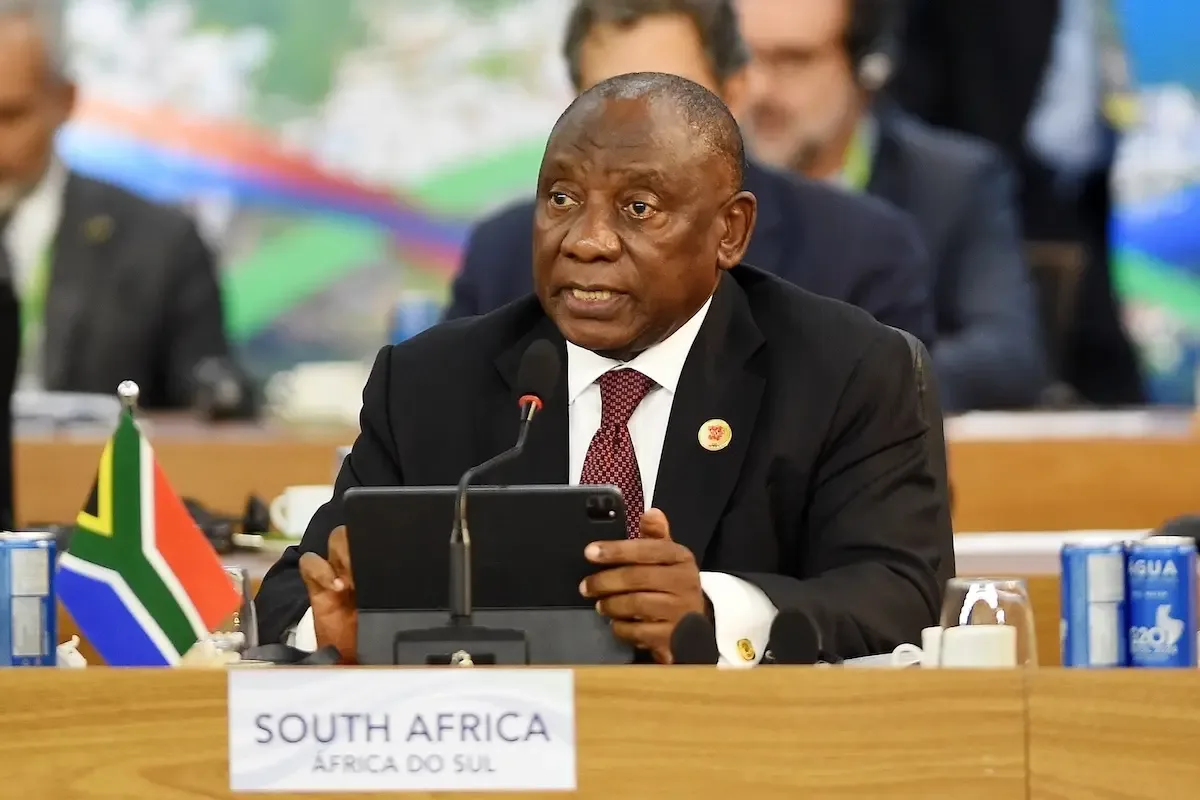
South Africa's historic G20 presidency concluded this month after a year emphasising solidarity, equality and sustainability, putting African development priorities at the centre of global dialogue and hosting the first G20 summit on African soil.
Despite diplomatic strains and mixed outcomes, the presidency showcased strategic continental aspirations for climate finance, debt relief, and inclusive economic governance.
The legacy now hinges on follow-through by the next rotating presidency.
South Africa's Historic G20 Presidency Concludes
South Africa's G20 presidency, which ran from December 1, 2024, to November 30, 2025, reached its conclusion this December, making it the first time an African nation led the Group of Twenty major economies.
The presidency culminated in the 2025 G20 Johannesburg Summit (22–23 Nov 2025), attended by leaders from the world's largest developed and emerging economies.
Hosting 177 official meetings guided by 15 thematic working groups, South Africa's leadership focused on driving global dialogue in the face of geopolitical fragmentation and economic strain.
Solidarity, Equality, and Sustainability at Stake
South Africa anchored its agenda around "Solidarity, Equality, and Sustainability," aiming to elevate African and Global South priorities within global policy frameworks.
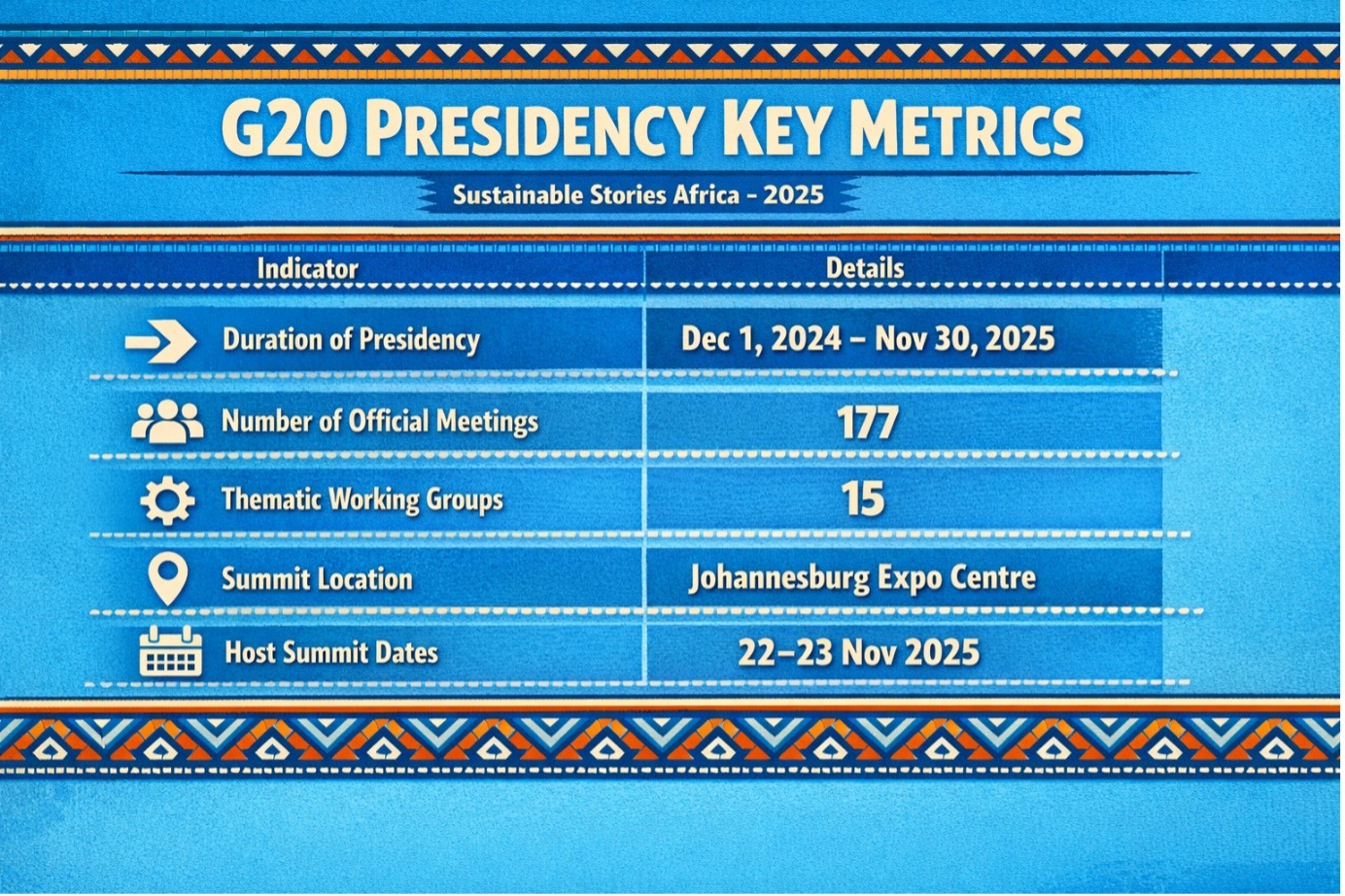
G20 Presidency Key Metrics
| Indicator | Details |
|---|---|
| Duration of Presidency | Dec 1, 2024 – Nov 30, 2025 |
| Number of Official Meetings | 177 |
| Thematic Working Groups | 15 |
| Summit Location | Johannesburg Expo Centre |
| Host Summit Dates | 22–23 Nov 2025 |
At the Johannesburg summit, which was the first on the continent, the leaders adopted a 122-paragraph declaration reaffirming multilateral cooperation on economic, social, and climate issues.
South Africa used the "G20 megaphone" to surface issues including climate resilience, debt sustainability, inclusive economic growth, and energy transition finance, while pushing for a more equitable global economic order aligned with Agenda 2063.
Assessing Diplomatic Wins and Gaps
Although the presidency highlighted critical developmental themes, outcomes were mixed. Analysts note that geopolitical tensions and deep divergences among members limited the strength of final communiqués and concrete commitments, particularly on climate finance and energy transition implementation.
Diplomatic Strains
- Several major leaders were absent from the Johannesburg summit.
- The US, after assuming the rotating presidency, reportedly excluded South Africa from G20 planning meetings amid bilateral strains triggered by US political criticisms.
Climate & Sustainability Output
- Climate finance and energy transition issues remained in high-level language rather than binding agreements, reflecting structural challenges in multilateral negotiation.
Presidency Deliverables and Implementation Pathways
Key G20 outcomes provide policy direction rather than enforceable actions. Countries endorsed frameworks addressing disaster resilience, debt transparency, and sustainable technologies, though clear implementation mechanisms remain under negotiation.
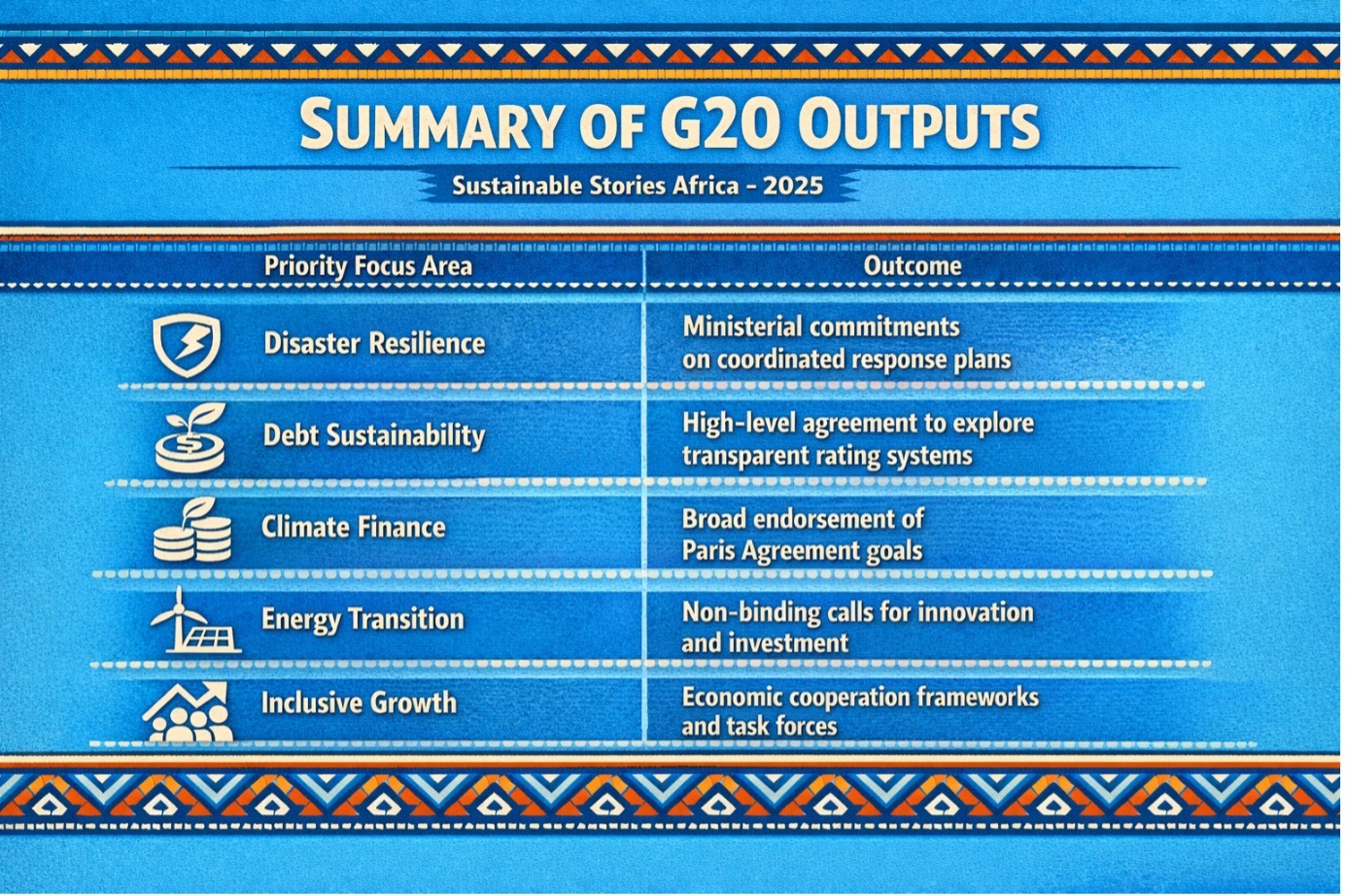
Summary of G20 Outputs
| Priority Focus Area | Outcome |
|---|---|
| Disaster Resilience | Ministerial commitments on coordinated response plans |
| Debt Sustainability | High-level agreement to explore transparent rating systems |
| Climate Finance | Broad endorsement of Paris Agreement goals |
| Energy Transition | Non-binding calls for innovation and investment |
| Inclusive Growth | Economic cooperation frameworks and task forces |
National governments and regional blocs, including the African Union and development finance institutions, now face the task of translating summit commitments into actionable policy, funding, and programmatic activities.
Path Forward – Strengthening Global South Influence Beyond G20 Presidency
South Africa's G20 presidency achieved symbolic diplomatic milestones, advanced critical dialogues for climate and equitable growth, and foregrounded African priorities in global governance.
However, the transition to the US presidency and rising geopolitical divides underscore fragility in multilateral cohesion, a challenge for the effective delivery of G20 commitments.
To actualise the presidency's ambitions, follow-through, institutional cooperation, and cross-regional partnerships will be essential in the years leading to the 2030 SDG deadline, reinforcing Africa's voice in global policy and investment landscapes.
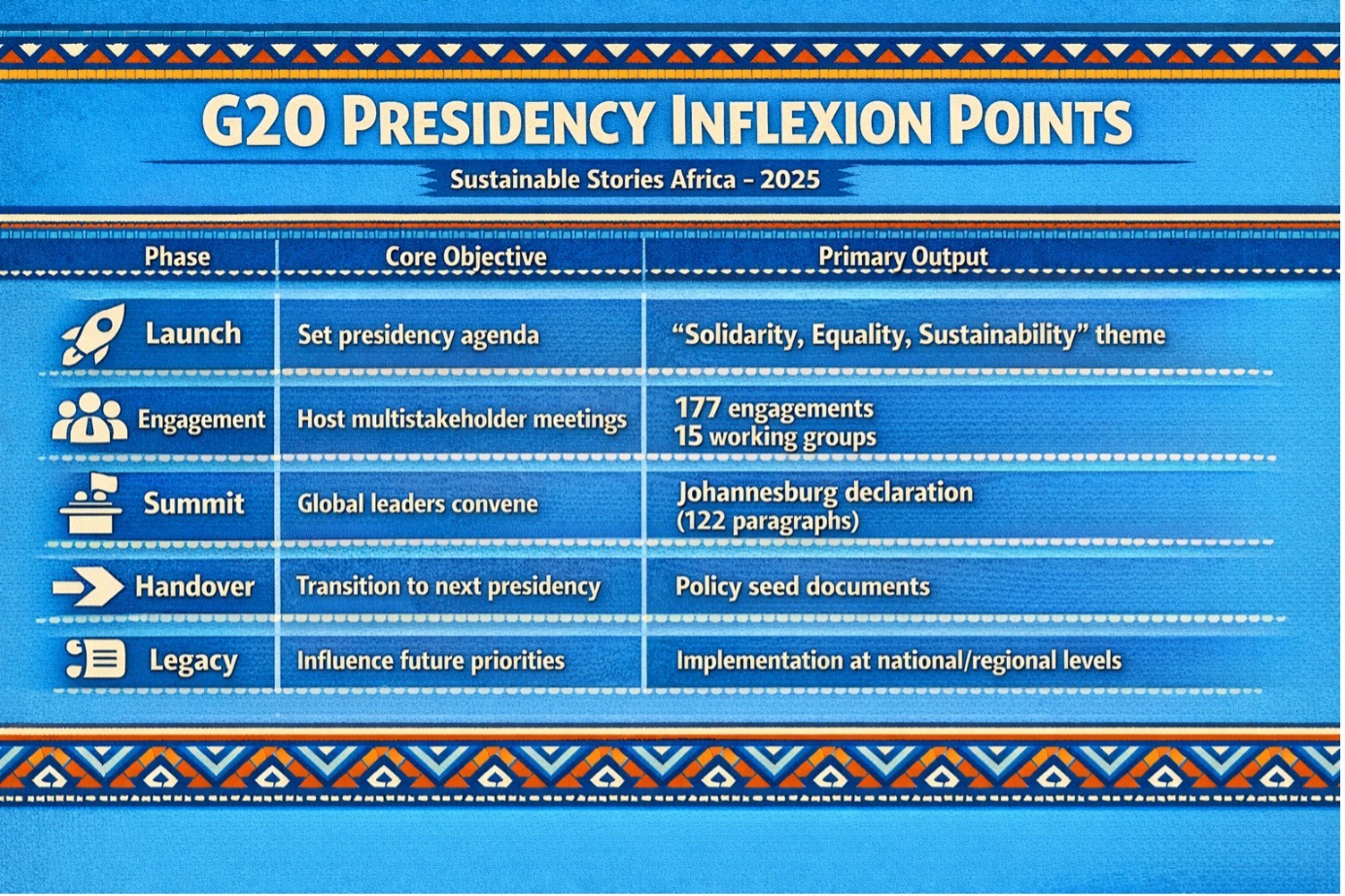
G20 Presidency Inflexion Points
| Phase | Core Objective | Primary Output |
|---|---|---|
| Launch | Set presidency agenda | "Solidarity, Equality, Sustainability" theme |
| Engagement | Host multistakeholder meetings | 177 engagements, 15 working groups |
| Summit | Global leaders convene | Johannesburg declaration (122 paragraphs) |
| Handover | Transition to next presidency | Policy seed documents |
| Legacy | Influence future priorities | Implementation at national/regional levels |
Culled From: https://stuff.co.za/2025/12/08/south-africas-g20-presidency-is-over-what/