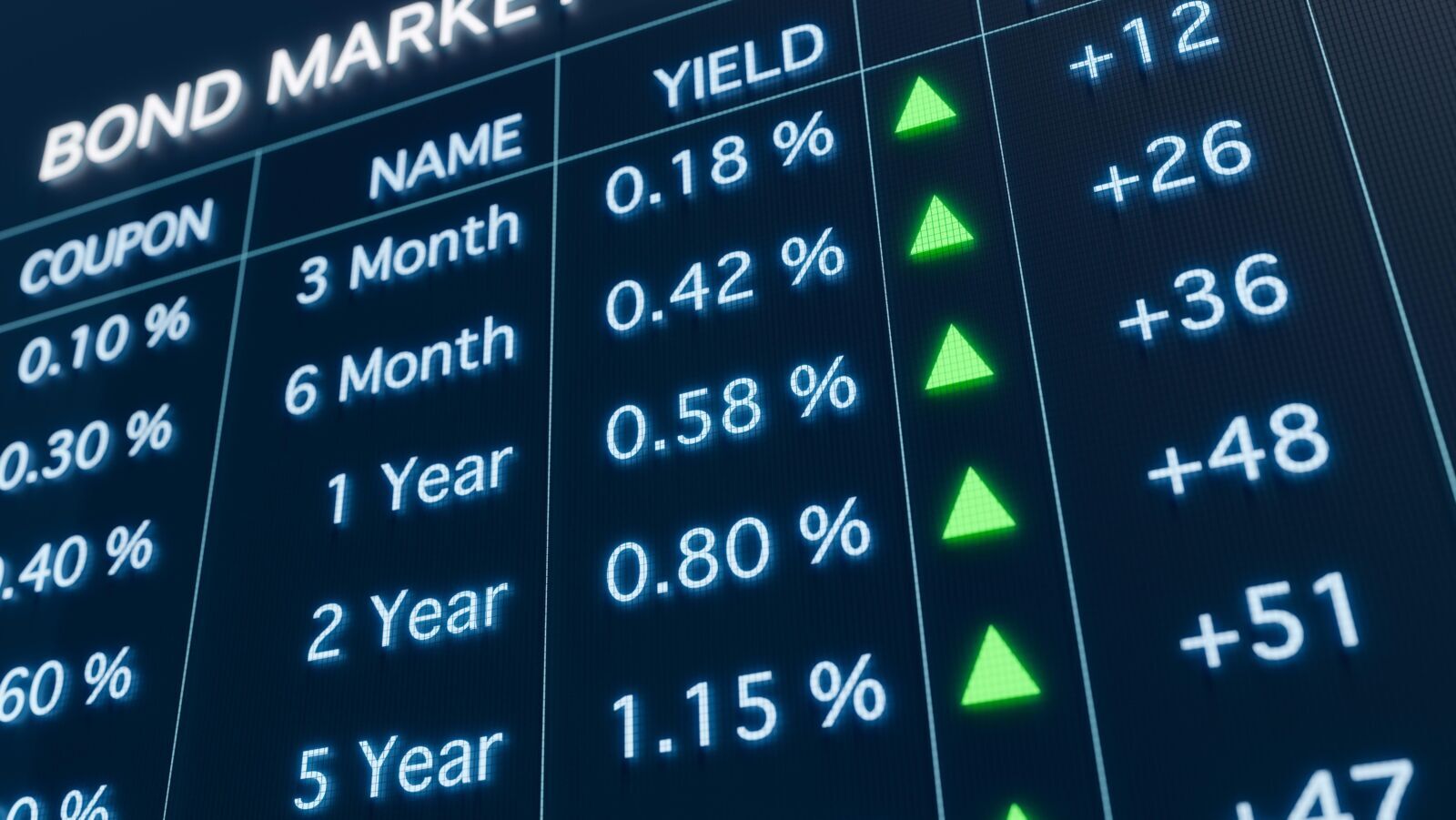
Global sustainable bond issuance reached $241 billion in Q1 2026, according to Moody’s.
The market rebounded 18% quarter-on-quarter but remained 17% below Q1 2025 levels.
For African issuers, the signal is clear: capital is available, but credibility, disclosure and bankable projects matter more.
Attention: Sustainable Debt Finds Its Footing
Global sustainable bond issuance rebounded to $241 billion in the first quarter of 2026, showing renewed investor appetite after a weaker end to 2025, according to Moody’s Ratings. The recovery marked an 18% quarterly rise, even as volumes remained 17% lower year-on-year, underlining a market that is stabilising rather than accelerating. (ESG Today)
For governments, banks and companies trying to finance climate action, social infrastructure and transition projects, the message is mixed. Sustainable debt is still alive and sizeable, but investors are becoming more selective about what qualifies as credible green, social or sustainability-linked finance.
Interest: Green Bonds Still Lead Issuance
Green bonds remained the dominant category, accounting for about 63% of global sustainable bond issuance in Q1 2026. Moody’s expects full-year sustainable bond issuance to remain broadly flat at around $900 billion, suggesting the market is moving into a consolidation phase after years of rapid growth. (ESG Today)
Market signal | Q1 2026 figure | Why it matters |
Total sustainable bond issuance | $241bn | Shows market resilience |
Quarterly change | +18% | Signals renewed activity |
Annual change | -17% | Confirms slower momentum |
Green bond share | 63% | Green finance remains dominant |
Full-year outlook | Around $900bn | Points to market stabilisation |
Social bonds also had their strongest quarter in nearly two years, more than doubling from the previous quarter to $47.6 billion, led largely by European issuers. Sustainability-linked bonds, however, remained subdued at about $3 billion, reflecting investor caution around instruments tied to future performance promises rather than direct project funding. (ESG Today)
Desire: Why Africa Should Watch Closely
For African markets, the rebound matters because sustainable bonds can finance real development needs: renewable energy, resilient roads, clean water, hospitals, schools, affordable housing and climate adaptation.
But access will depend on trust. Investors want credible frameworks, measurable use of proceeds, transparent reporting and projects that can generate social or environmental value without hiding weak financial fundamentals.
African financing need | Sustainable bond relevance |
Renewable energy | Funds solar, grid and storage projects |
Climate adaptation | Supports flood control and resilient infrastructure |
Social infrastructure | Finances schools, hospitals and housing |
Water systems | Expands treatment, access and resilience |
Transition finance | Helps high-emitting sectors decarbonise |
This is where African issuers can gain ground. Countries and companies that improve disclosure, align with recognised taxonomies and publish impact reports will be better positioned to attract patient capital.
Action: Credibility Must Drive Market Growth
The Q1 rebound should not be read as a return to easy ESG money. Reuters reported in 2025 that green bond issuance had weakened sharply amid climate-policy uncertainty and regulatory rollback in major markets, with Sustainable Fitch linking weaker issuance to uncertainty around ESG rules and capital expenditure decisions. (Reuters)
That makes credibility the new market currency. Issuers must avoid vague sustainability claims and instead show where proceeds go, how outcomes are measured, and who benefits. For African governments, this means strengthening debt transparency, project preparation and public financial management. For companies, it means linking bond issuance to credible transition plans, not public relations.
Path Forward: Build Trust Before Raising Capital
African issuers should prepare stronger pipelines, credible frameworks and transparent impact reporting before entering sustainable debt markets.
The opportunity is still large, but the market is more disciplined. The winners will be countries and companies that can prove that every sustainable bond raised delivers measurable climate, social and economic value.
Culled From: Sustainable Bond Issuance Hits $241 Billion in Q1 2026 with 18% Quarterly Rebound Despite Annual Decline: Moody's