The United Nations has warned that global economic growth remains fragile in 2026, with climate shocks, debt burdens, and geopolitical tensions weighing heavily on developing economies.
While inflation is easing in some regions, rising interest costs and extreme weather are limiting fiscal space for investment in jobs, energy, and social protection.
For Africa and other vulnerable regions, the challenge is turning recovery into resilience.
Global Growth Faces Mounting Pressures
The United Nations has cautioned that the global economy will continue to face weak and uneven growth in 2026, as climate disruptions, high debt levels, and geopolitical uncertainty constrain recovery.
The warning was contained in the UN's World Economic Situation and Prospects 2026 (WESP 2026) press release, issued in January 2026. The report highlights slowing momentum in both advanced and developing economies, despite some moderation in inflation and interest rates.
According to the UN, fragile growth conditions threaten progress on jobs, poverty reduction, and climate action, particularly in Africa, small island states, and low-income countries.
Why the Global Outlook Remains Fragile
- Climate shocks disrupting food, energy, and infrastructure systems
- High public debt limits government spending
- Geopolitical uncertainty affecting trade and investment
While inflation has eased in some major economies, borrowing costs remain elevated, making it difficult for governments to finance development priorities.
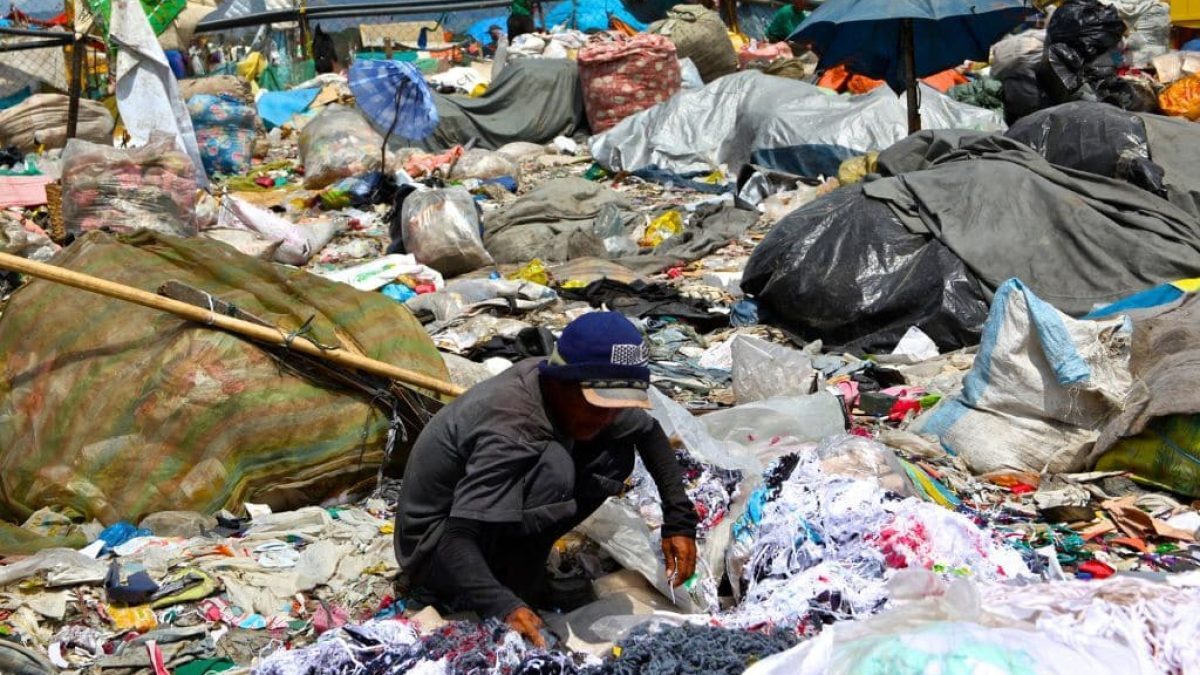
For developing regions, climate-related disasters, including floods, droughts, and heatwaves, are worsening food insecurity and raising reconstruction costs.
Key Global Economic Pressures (2026)
| Pressure | Economic Impact |
|---|---|
| Climate shocks | Higher food & energy costs |
| Rising debt | Reduced public investment |
| Geopolitical risks | Slower trade growth |
| Tight financial conditions | Limited fiscal space |
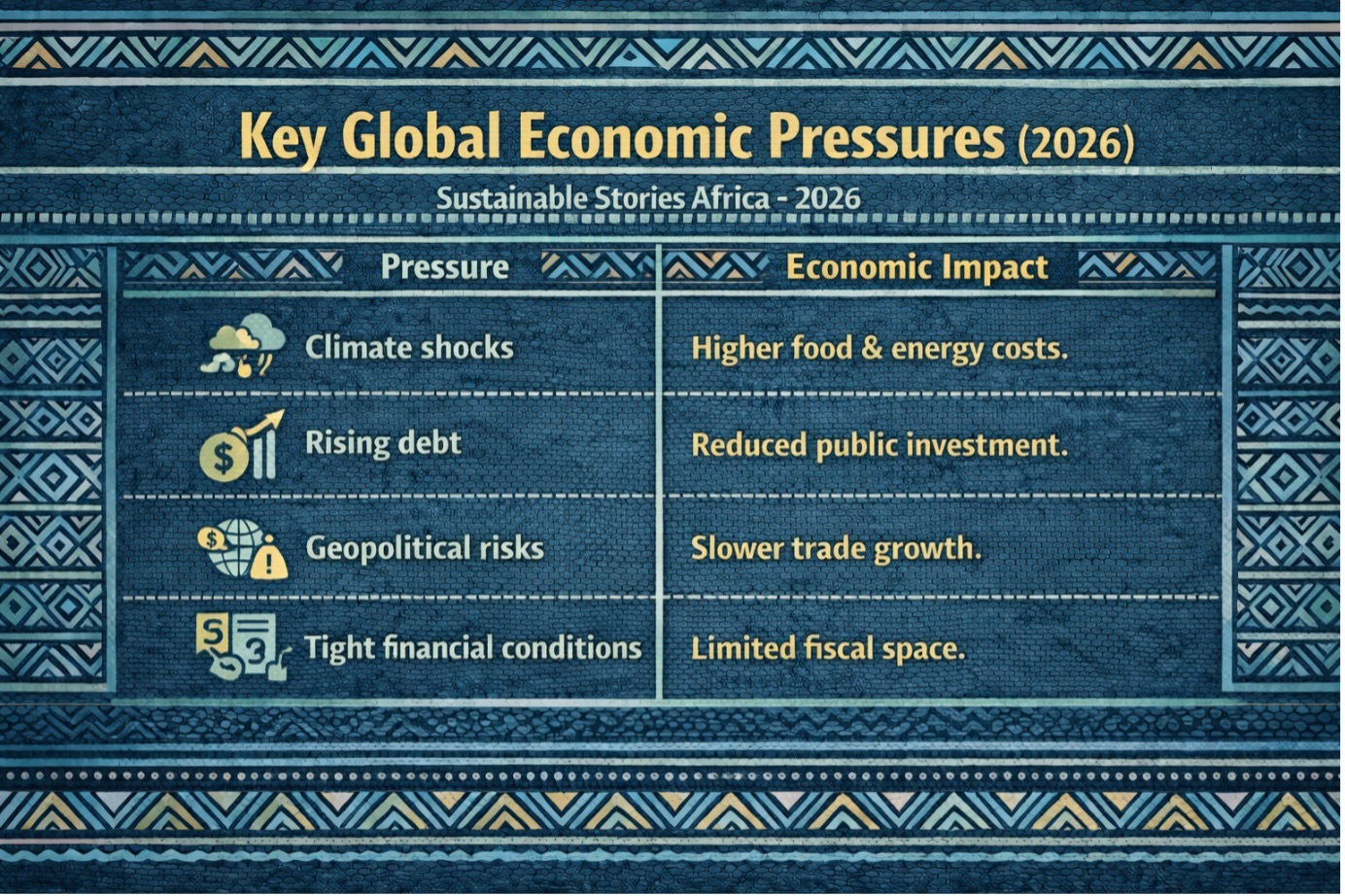
The UN notes that these pressures are interacting, compounding vulnerabilities in countries already facing infrastructure and social-protection gaps.
Africa Faces Structural Economic Constraints
Africa's growth prospects remain constrained by structural weaknesses in energy, infrastructure, and financing.
Despite strong demographic potential, many African economies continue to struggle with:
- Limited access to affordable finance
- High climate vulnerability
- Energy and food import dependence
- Weak social-protection systems
The UN emphasises that climate change is not just an environmental issue but an economic one.
Weather-related disruptions are reducing agricultural output, damaging transport networks, and straining public budgets.
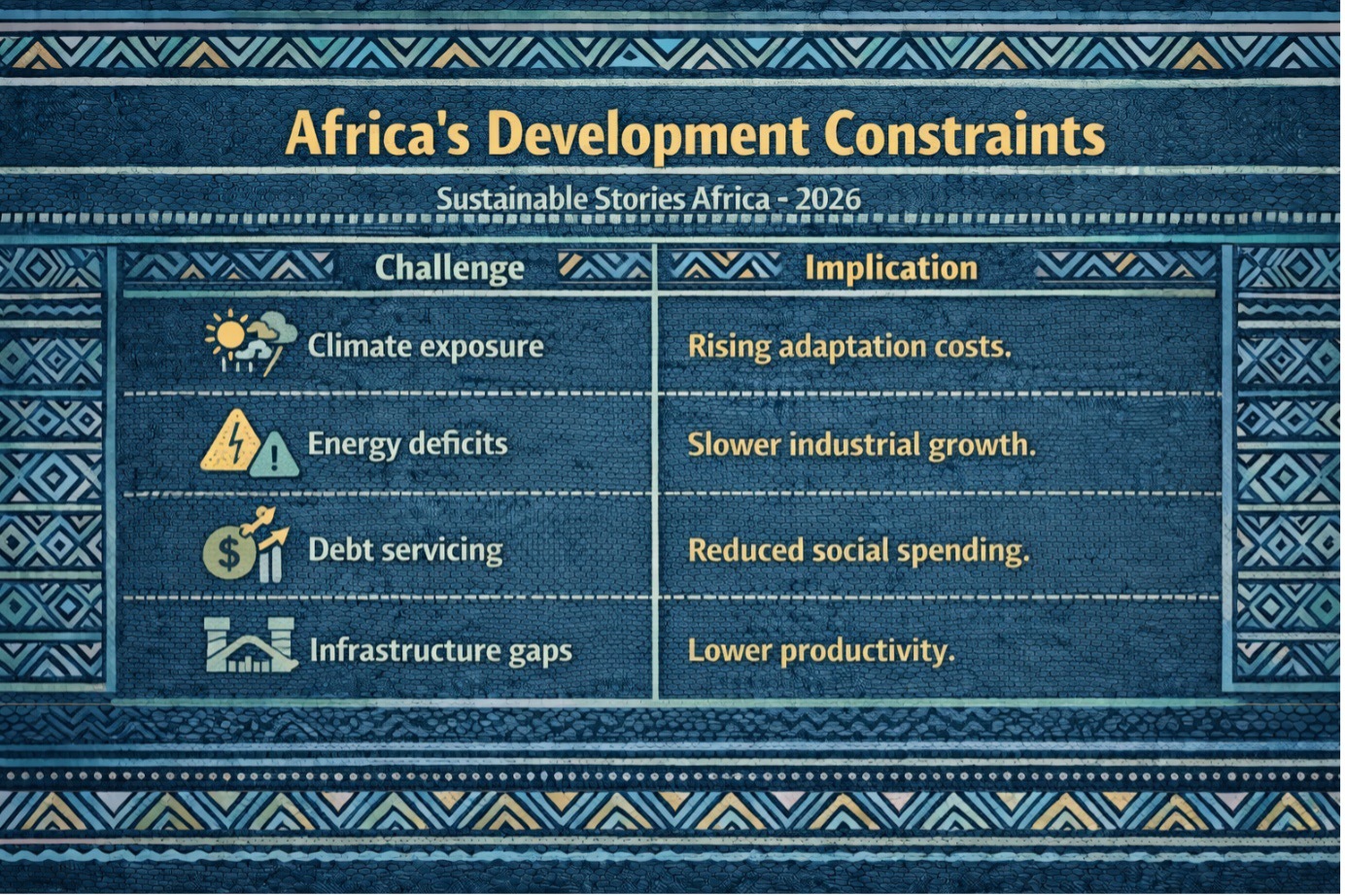
Africa's Development Constraints
| Challenge | Implication |
|---|---|
| Climate exposure | Rising adaptation costs |
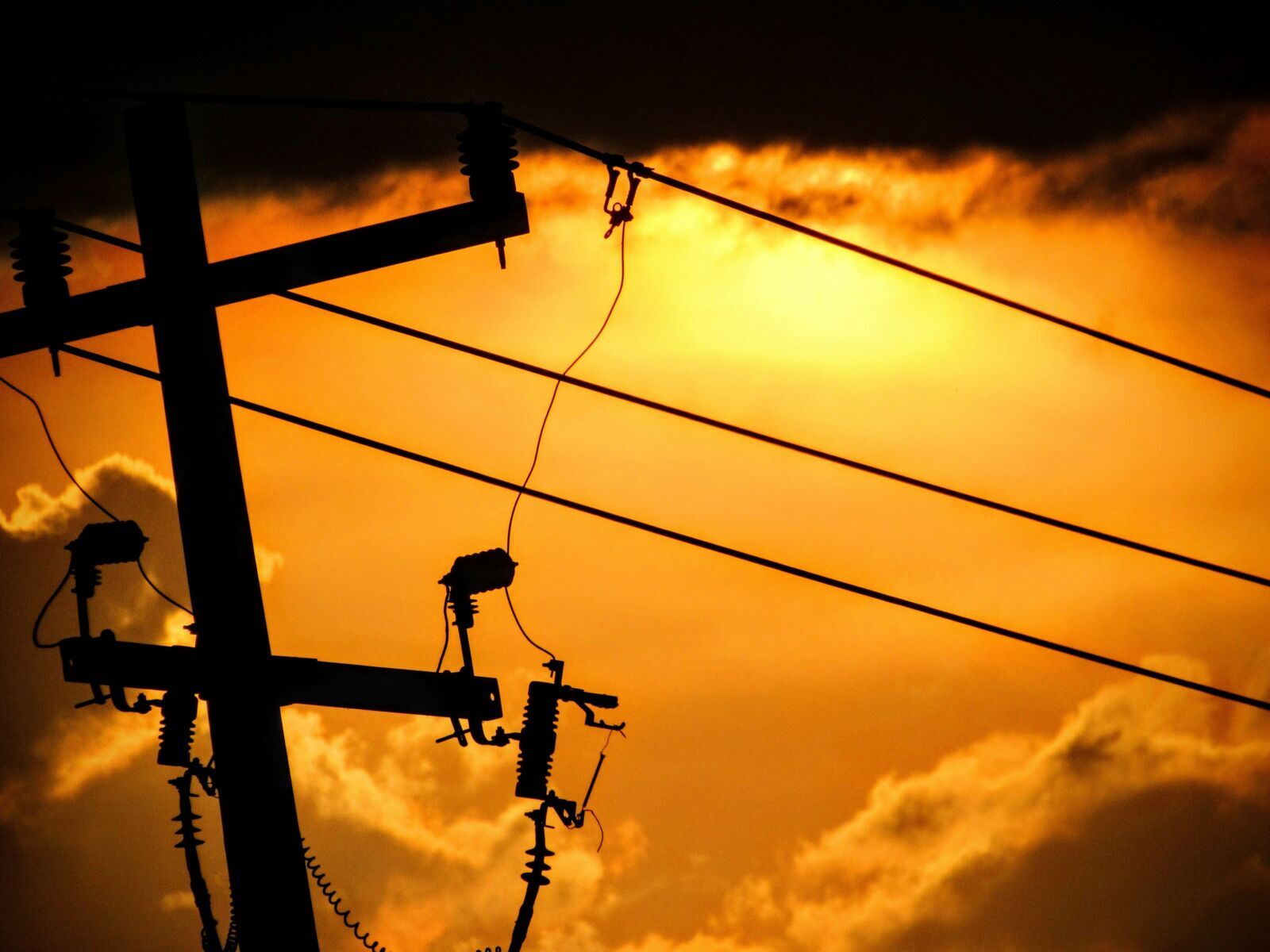
| Energy deficits | Slower industrial growth |
| Debt servicing | Reduced social spending |
| Infrastructure gaps | Lower productivity |
Without targeted investment, these constraints could keep millions locked in poverty and limit job creation.
Why Policy Coordination Matters Now
The UN is urging governments to focus on policy coordination, climate resilience, and inclusive growth strategies.
Key recommendations include:
- Scaling up climate-resilient infrastructure
- Expanding social protection for vulnerable households
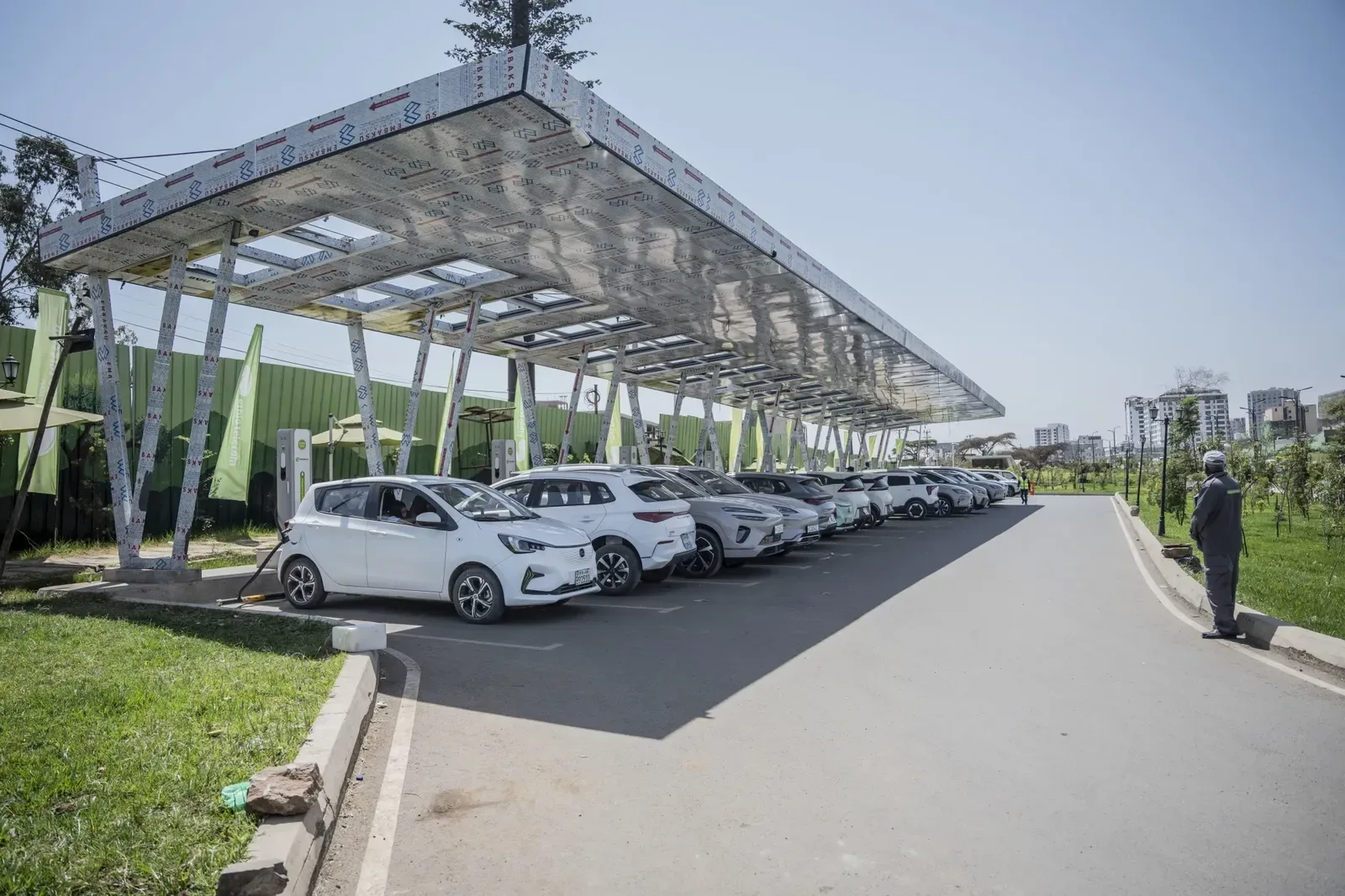
- Supporting clean-energy investment
- Improving debt sustainability
The report also highlights the need for international financial institutions to provide more concessional funding to climate-exposed countries.
For Africa, this means aligning economic recovery plans with energy access, climate adaptation, and job creation, rather than short-term fiscal fixes.
Failure to act, the UN warns, could deepen inequality and slow progress toward the Sustainable Development Goals.
PATH FORWARD – Building Resilience Through Smart Investment
The UN's 2026 outlook calls for stronger climate-resilient investment, fairer global finance, and better policy coordination.
For Africa, the priority is turning recovery into long-term resilience through energy access, infrastructure, and social protection.
If governments and development partners act decisively, fragile growth can be transformed into inclusive, sustainable progress.
Press Release: https://www.un.org/sustainabledevelopment/blog/2026/01/press-release-wesp2026/