
The United Nations has launched a new Artificial Intelligence Environmental Transparency Initiative during London Climate Action Week 2026, seeking greater accountability for AI's environmental footprint.
The initiative comes as AI adoption accelerates while concerns grow over its energy use, emissions and resource consumption.
The framework could help governments, businesses and developers align AI innovation with climate and sustainability objectives.
AI's Climate Footprint Enters the Spotlight
Artificial intelligence is rapidly transforming economies, but the environmental cost of that transformation is becoming impossible to ignore.
At London Climate Action Week (LCAW) 2026, the United Nations launched the AI Environmental Transparency Initiative, a global effort designed to improve disclosure, measurement and accountability for the environmental impacts of artificial intelligence systems.
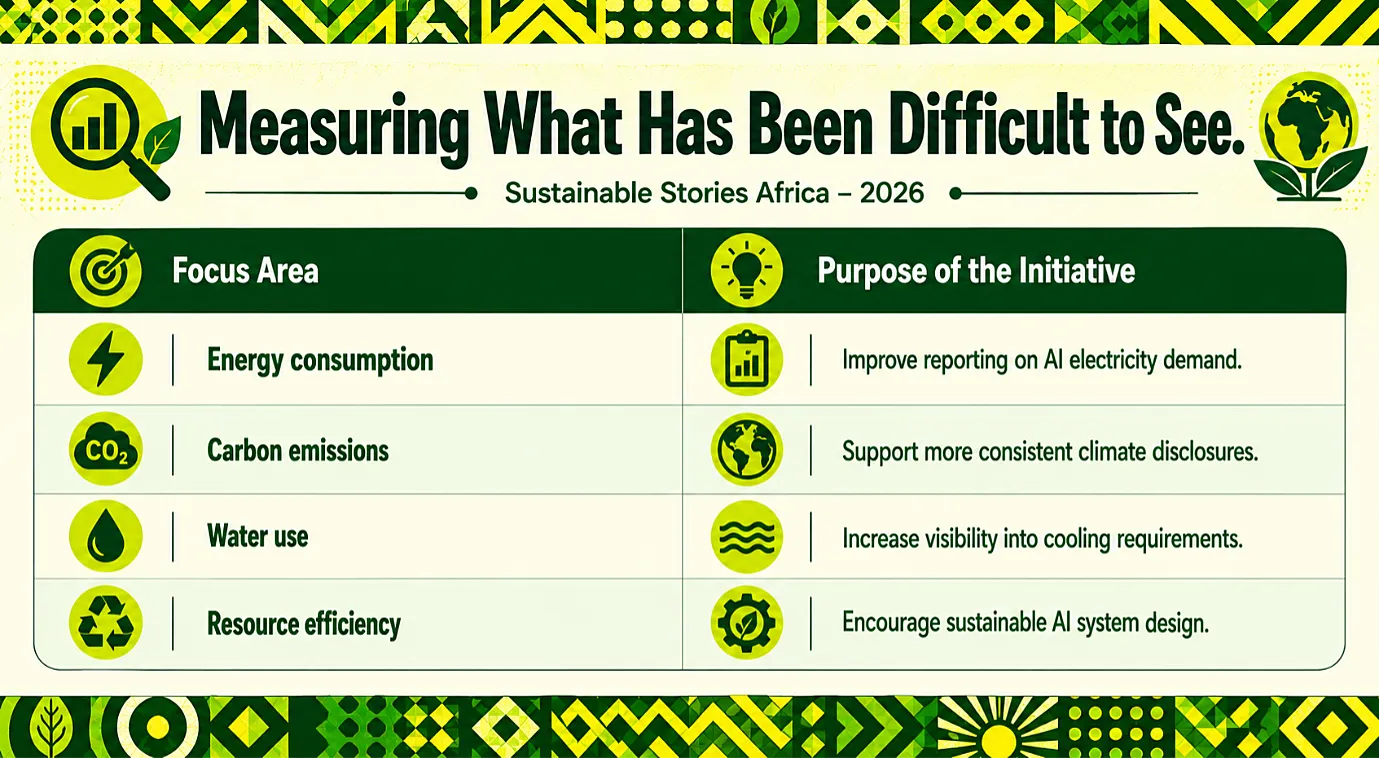
The initiative aims to encourage governments, technology companies, researchers and investors to adopt more consistent reporting on AI's energy consumption, carbon emissions, water use and broader resource footprint.
The announcement reflects a growing recognition that responsible AI governance must extend beyond ethics and privacy to include environmental sustainability.
As AI becomes increasingly embedded across industries, greater transparency is expected to help policymakers and businesses balance technological innovation with climate commitments.
Measuring What Has Been Difficult to See
The rapid expansion of artificial intelligence has created enormous opportunities for productivity, healthcare, education and scientific discovery.
At the same time, the computing infrastructure supporting advanced AI models requires significant amounts of electricity, cooling systems, data centres and semiconductor manufacturing.
Until now, environmental reporting across the AI sector has remained fragmented, making it difficult for regulators, investors and users to compare the sustainability performance of different technologies.
The UN initiative seeks to address that challenge by encouraging common approaches to environmental disclosures that help organisations understand how AI systems affect energy demand, greenhouse gas emissions, water consumption and resource efficiency throughout their lifecycle.
According to the International Energy Agency (IEA), global electricity demand from data centres is expected to grow substantially over the coming years as AI adoption accelerates.
This trend reinforces the need for greater transparency and improved energy efficiency across digital infrastructure.
The initiative also complements broader international efforts to establish responsible AI governance while supporting global climate objectives.
Transparency Builds Better Innovation
Greater transparency does more than improve reporting; it creates better incentives for innovation.
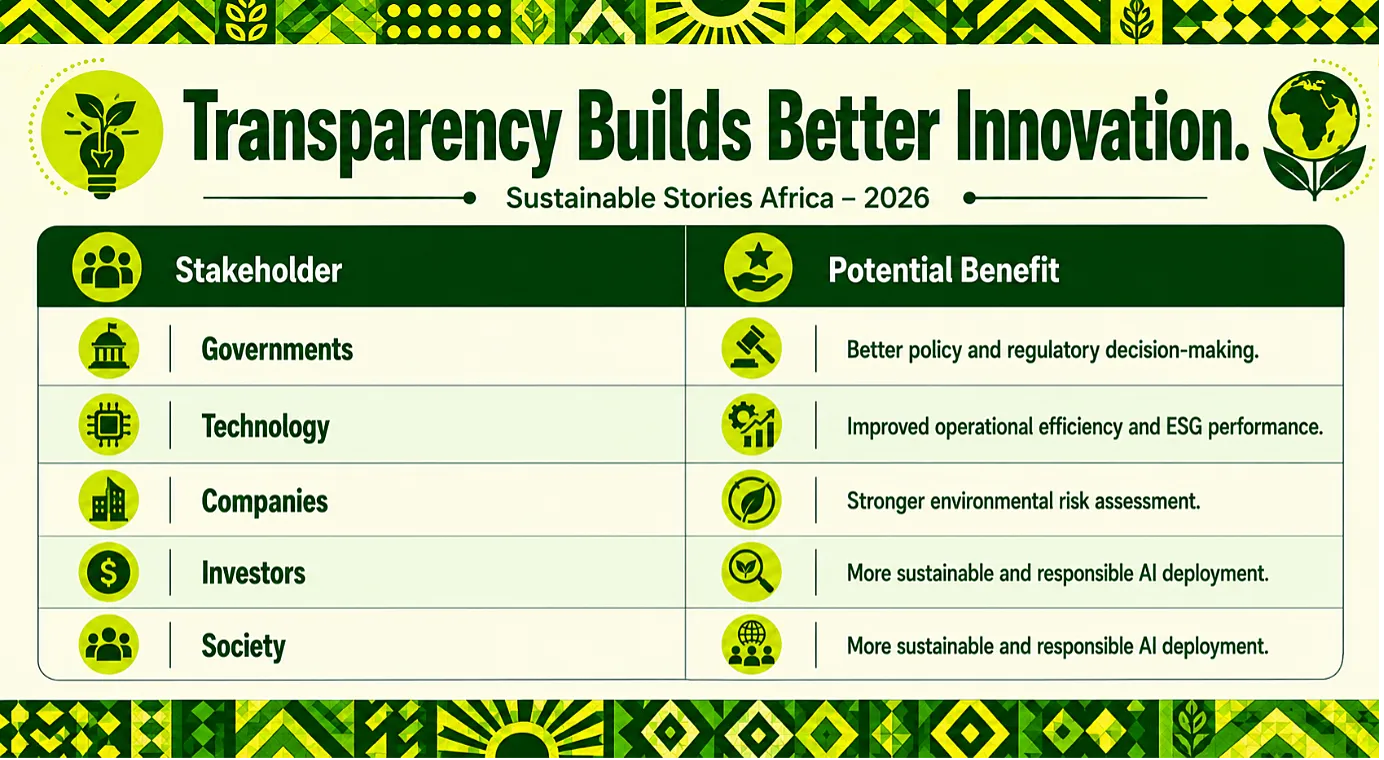
Technology companies that understand and disclose the environmental performance of their AI systems are better positioned to improve efficiency, reduce operating costs and strengthen investor confidence.
Governments benefit from more reliable data to support evidence-based regulation, while businesses can make better-informed procurement decisions.
For emerging markets, including those in Africa, the initiative offers an opportunity to build AI ecosystems that prioritise sustainability from the outset rather than addressing environmental challenges after infrastructure has already scaled.
Without greater transparency, however, the rapid expansion of AI risks increasing energy demand and environmental pressures with insufficient accountability or mitigation strategies.
The initiative therefore positions environmental disclosure as a catalyst for smarter technological development rather than an obstacle to innovation.
Responsible AI Requires Shared Standards
The success of the initiative will depend on broad participation across governments, industry, academia and civil society.
- Technology developers should integrate environmental reporting into AI design and deployment processes
- Policymakers can encourage consistent disclosure through standards and regulatory guidance.
- Investors also have an opportunity to incorporate AI-related environmental metrics into ESG assessments and capital allocation decisions.
International collaboration will remain essential. Shared reporting frameworks can reduce fragmentation, improve comparability and support innovation that aligns with both economic development and climate resilience.
For Africa, where AI adoption is expanding across agriculture, healthcare, finance and education, transparent environmental governance can help ensure digital transformation contributes to sustainable development rather than creating new environmental risks.
Path Forward – Responsible Innovation Demands Greater Transparency
The UN's AI Environmental Transparency Initiative marks an important step towards integrating environmental accountability into the next generation of artificial intelligence governance.
Its long-term success will depend on international cooperation, voluntary industry leadership and consistent reporting standards that enable AI innovation to advance alongside global climate, sustainability and inclusive development objectives.
Culled From: UN Launches AI Environmental Transparency Initiative at London Climate Week