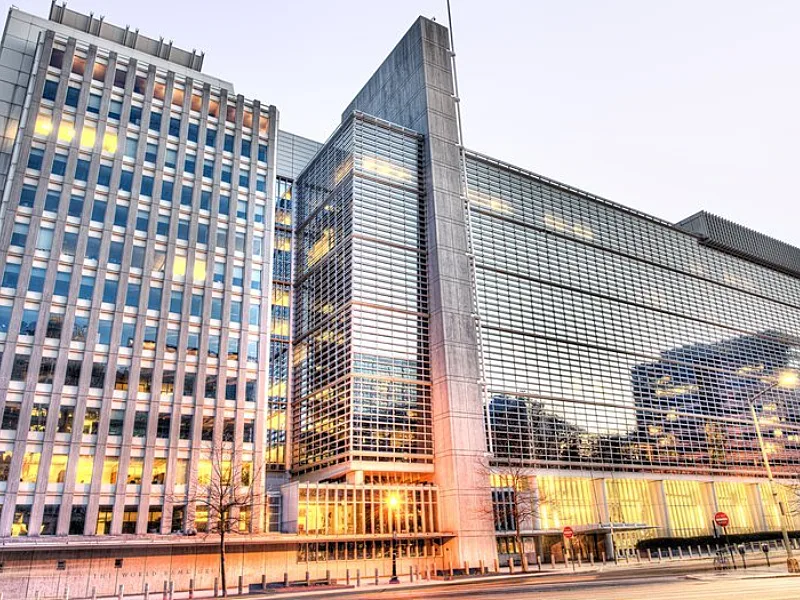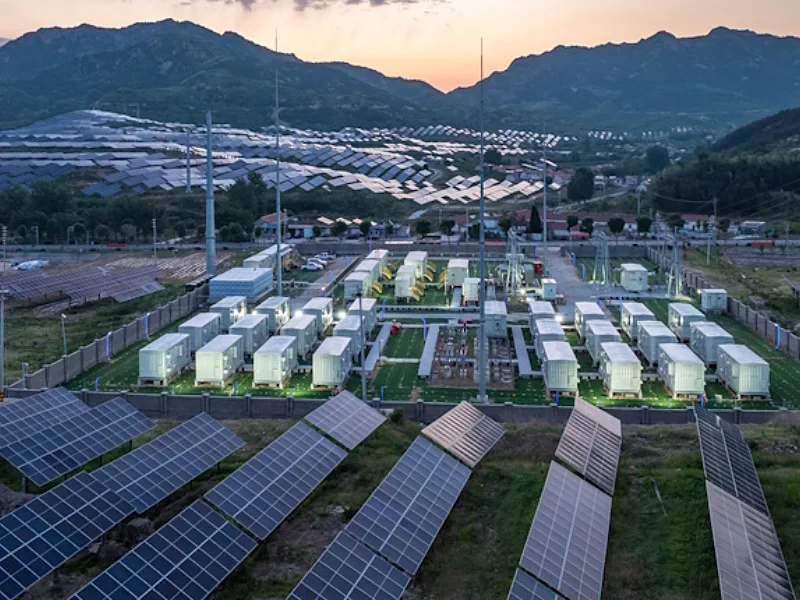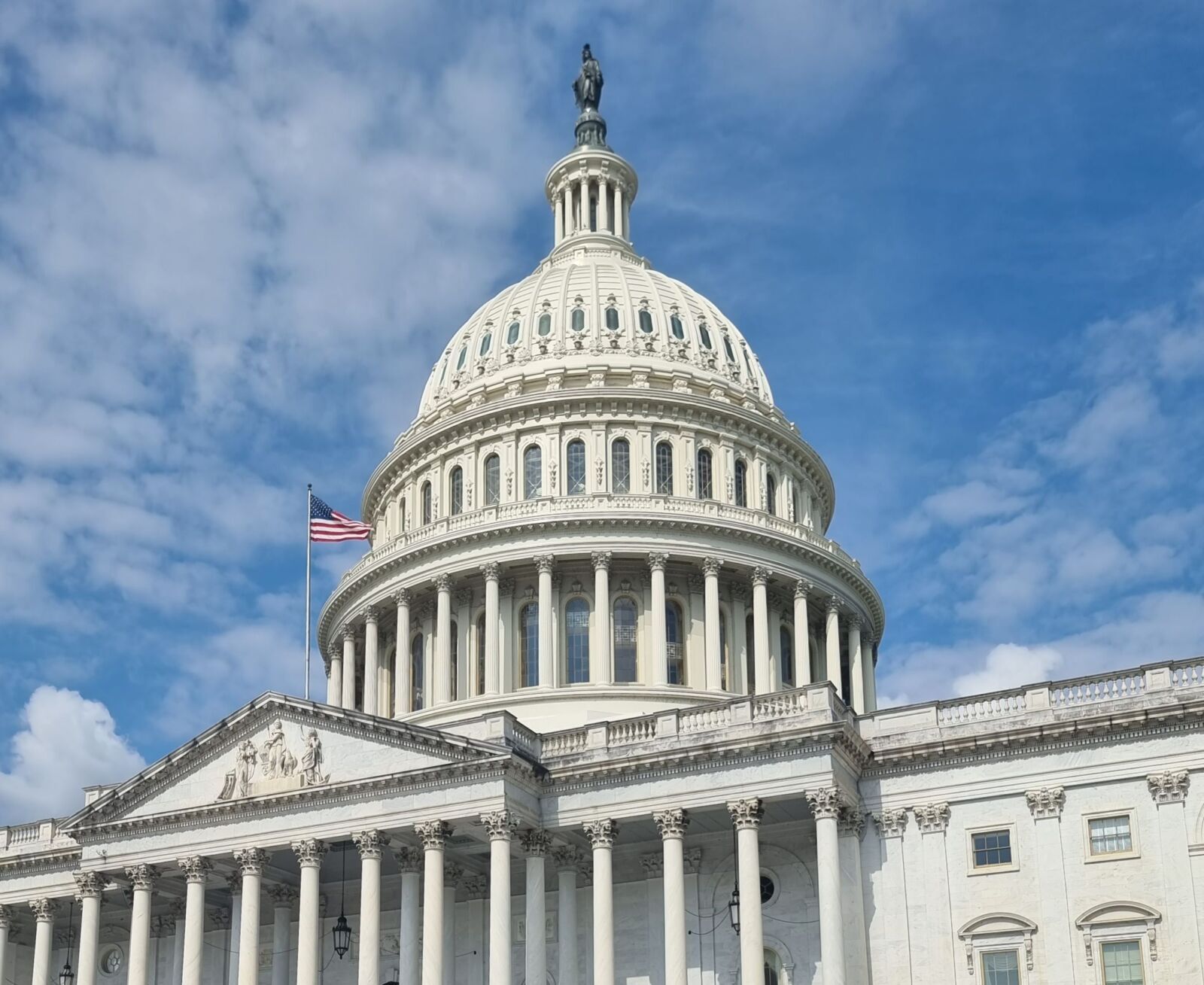
The World Bank has retired its target of directing 45% of annual lending toward projects with climate co-benefits.
The decision follows sustained pressure from the United States while extending the institution's broader Climate Change Action Plan.
For developing economies, the shift raises fresh questions about future climate investment, development finance and resilience-building priorities.
World Bank Drops Climate Finance Target
One of the world's most influential climate finance commitments has quietly come to an end.
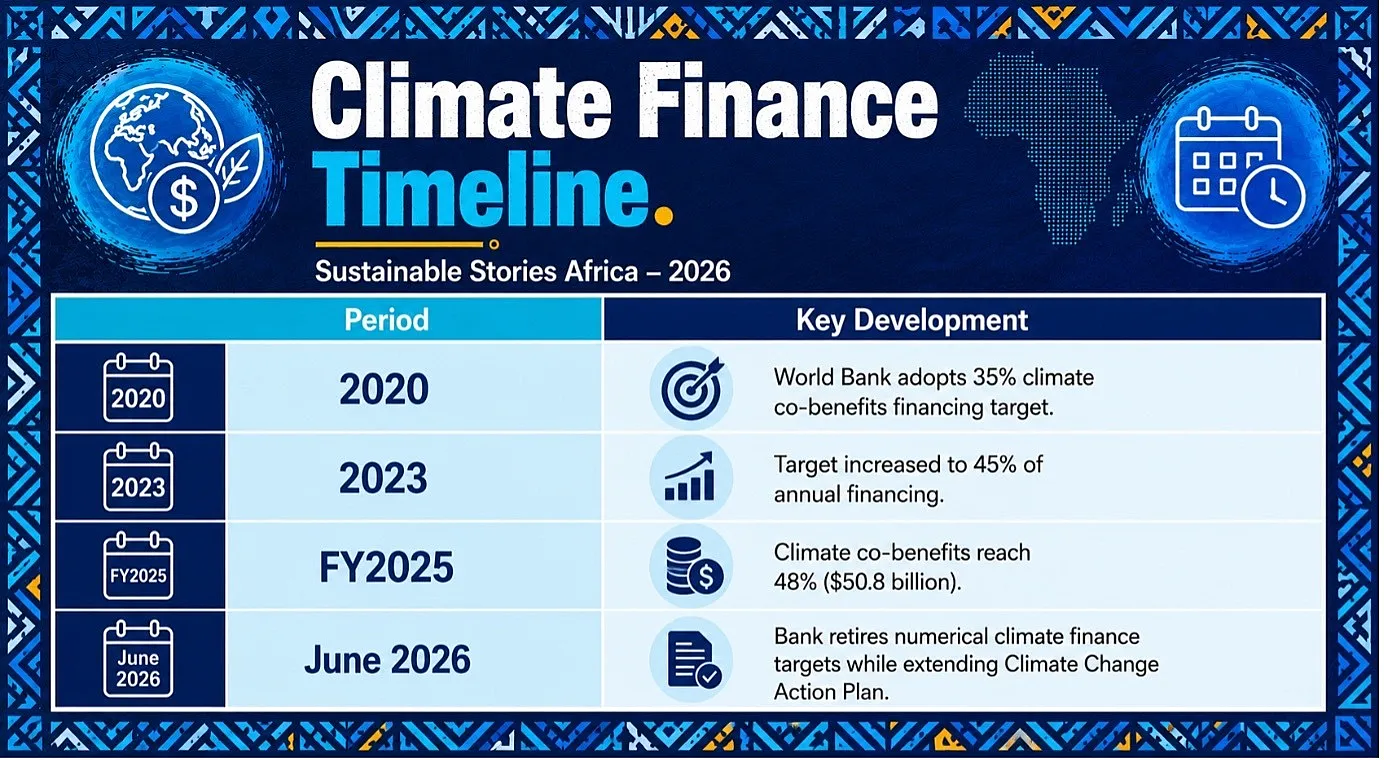
The World Bank Group will retire its target of allocating 45% of annual financing to climate co-benefit projects, adopting an outcomes-focused "smart development" approach in place of fixed lending quotas.
The shift follows pressure from the United States, its largest shareholder, which argued percentage-based targets distorted development priorities and constrained growth.
While the Bank insists that climate action remains central to its mission and has extended its Climate Change Action Plan, dropping this flagship target signals a shift in the balance among poverty reduction, infrastructure investment, and sustainability, one likely to shape Africa's resilience and capital mobilisation conversations.
A New Chapter For Development Finance Begins
The World Bank insists that climate has not been sidelined.
Instead, President Ajay Banga's administration argues the institution is moving from measuring inputs, such as how much lending qualifies as climate finance, to measuring outcomes that generate jobs, strengthen resilience and accelerate economic development simultaneously.
The Bank said demand from client countries for climate-beneficial investments remains strong and that climate considerations will continue to be embedded across its lending portfolio.
The policy change follows criticism from the U.S. Treasury, which argued that dedicating a fixed share of lending to climate projects risked limiting investment flexibility.
European shareholders, including France, had urged the Bank to retain the target, highlighting climate change as a core development challenge rather than a competing priority.
Politics Meets Development Priorities
The retired target originated in the previous Climate Change Action Plan, evolving from an initial commitment that 35% of financing would deliver climate co-benefits before later increasing to 45%.
Ironically, the Bank had already exceeded the benchmark.
According to its latest reporting, climate co-benefits reached 48% of the gross World Bank Group financing in fiscal year 2025, equivalent to approximately $50.8 billion under the shared multilateral development bank methodology.
The institution says it will continue to publish climate indicators, project-level disclosures and resilience metrics despite removing the numerical lending target.
For African countries, this distinction matters.
Many infrastructure projects, whether irrigation systems, renewable energy, resilient roads or drought-resistant agriculture, already deliver both development and climate outcomes.
The Bank's revised approach seeks to frame these investments primarily in light of economic transformation rather than climate finance quotas.
Some analysts believe the practical impact on lending volumes may prove limited if borrower demand remains strong.
Others caution that removing headline commitments could weaken investor confidence in long-term climate finance ambition and create uncertainty around future priorities.
Development And Climate Need Not Compete
The debate highlights a broader reality facing emerging markets.
- Economic growth, poverty reduction and climate resilience increasingly depend on the same investments.
- Reliable electricity enables businesses to expand while lowering emissions through cleaner energy.
- Climate-resilient transport protects supply chains and rural livelihoods. Modern water infrastructure safeguards both public health and agricultural productivity.
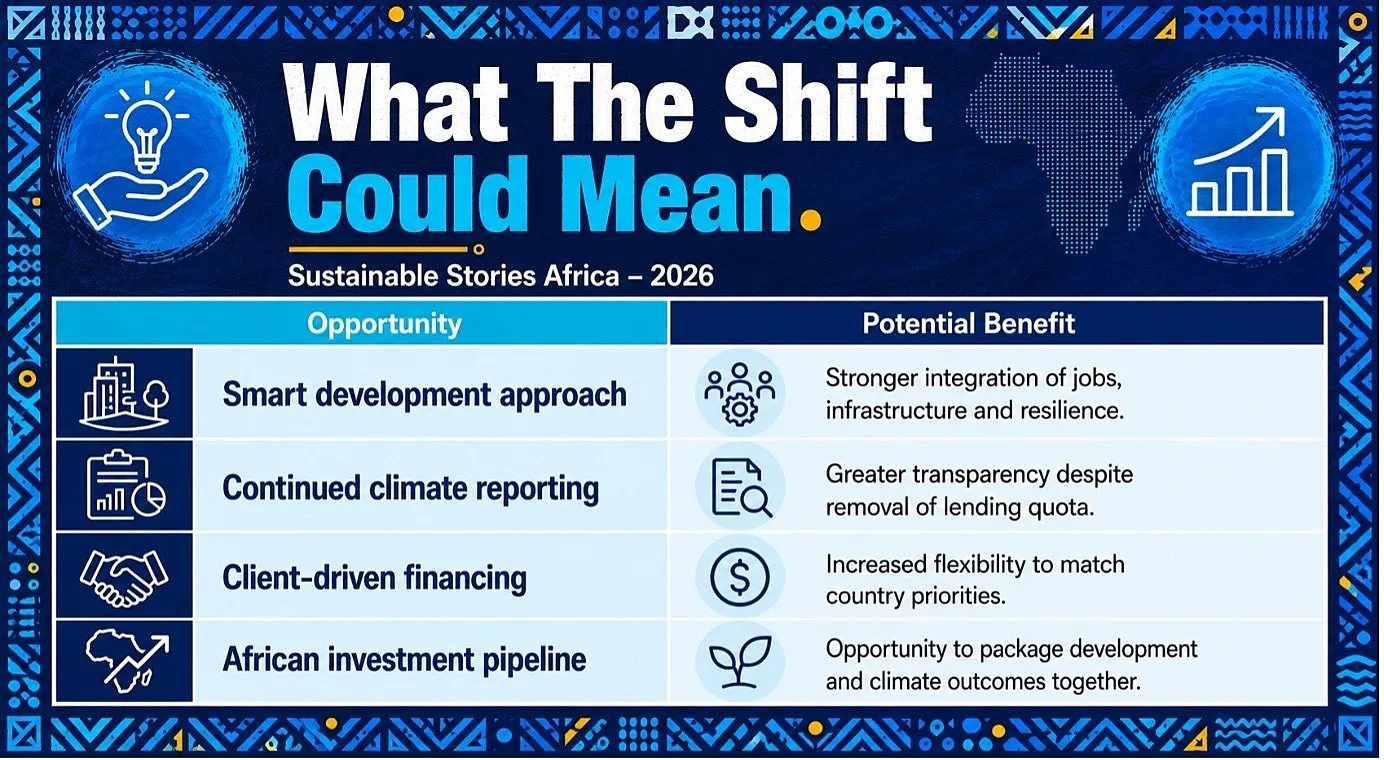
For African governments, success will depend less on whether projects carry a climate label and more on whether financing supports resilient economies that are capable of attracting long-term investment.
Keep Climate Embedded In Development
The retirement of the 45% target should not become a retreat from climate ambition.
- Governments, multilateral lenders, investors and development finance institutions should continue designing projects that simultaneously reduce poverty, strengthen resilience and support low-carbon growth.
Maintaining transparent reporting on climate co-benefits will be essential for preserving market confidence and attracting private capital.
African policymakers also have an opportunity to shape this evolving landscape by presenting investment-ready projects that demonstrate measurable economic, environmental and social returns, regardless of how climate finance is formally classified.
Path Forward – Align Development With Climate Resilience
The World Bank's policy shift reflects changing shareholder priorities, but it does not eliminate climate from the development agenda.
Future success will depend on whether outcomes remain as ambitious as previous commitments.
For African markets, integrating resilience into infrastructure, agriculture, energy and urban development remains the strongest pathway to sustainable growth, investment confidence and long-term economic security.
Culled From: World Bank Drops 45% Climate Finance Target Under US Pressure