The World Bank Group has approved financing for Morocco's Ifahsa Pumped Hydropower Storage Project, strengthening the country's renewable energy ambitions.
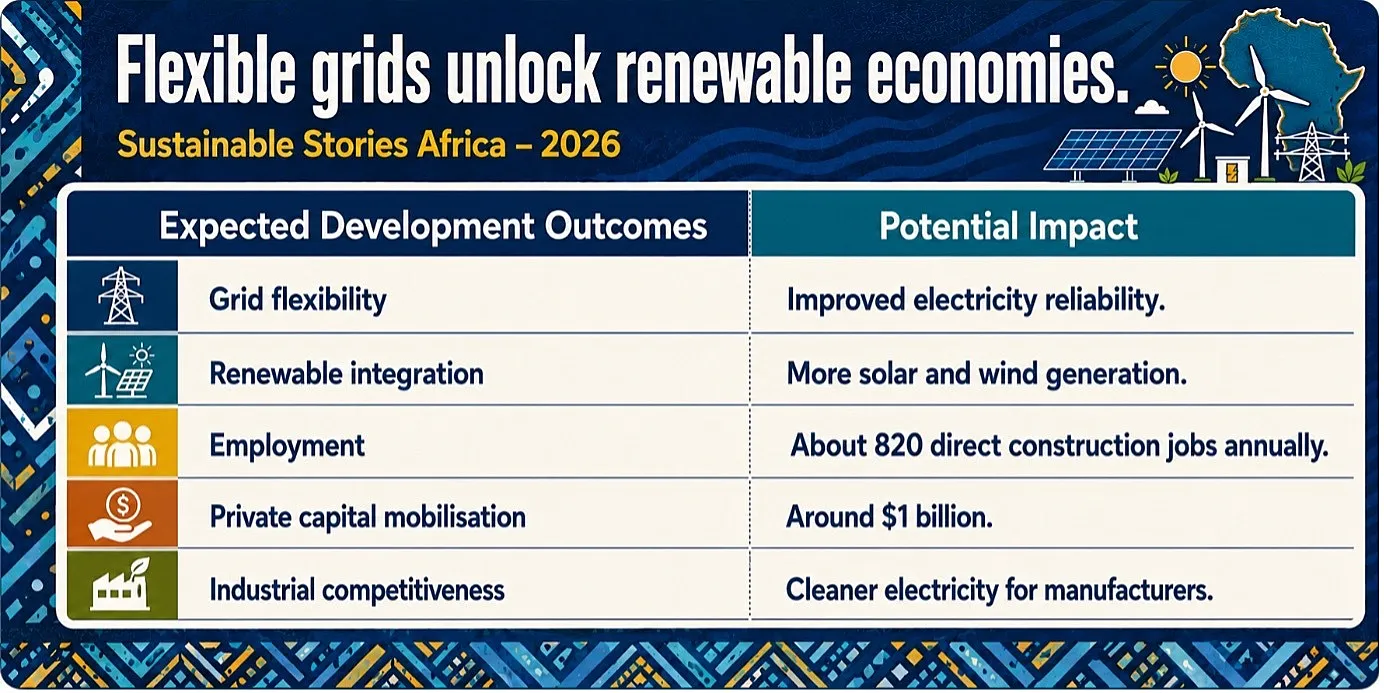
The investment aims to improve grid flexibility while enabling significantly more solar and wind power integration.
For businesses, communities and investors, the project represents a major step toward cleaner electricity, stronger energy security and long-term economic resilience.
Landmark investment strengthens Morocco's clean energy future
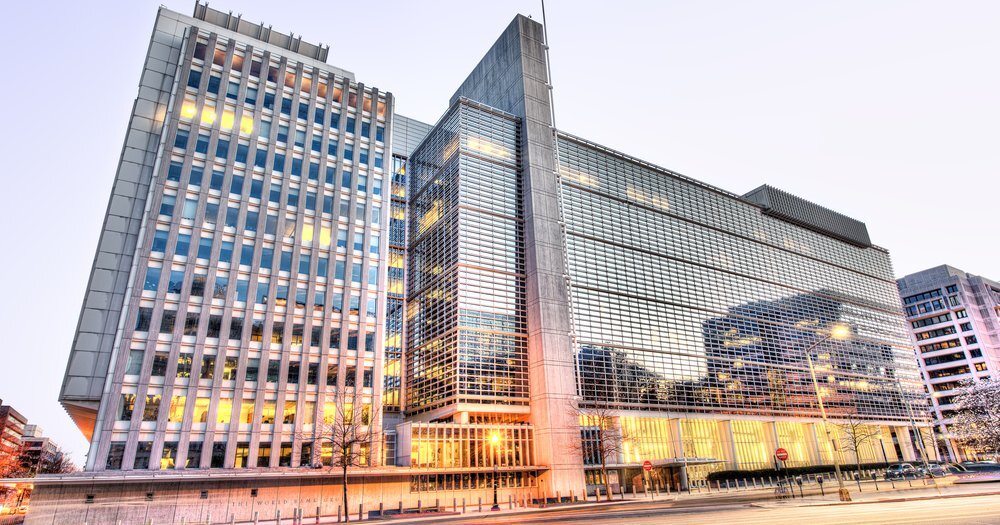
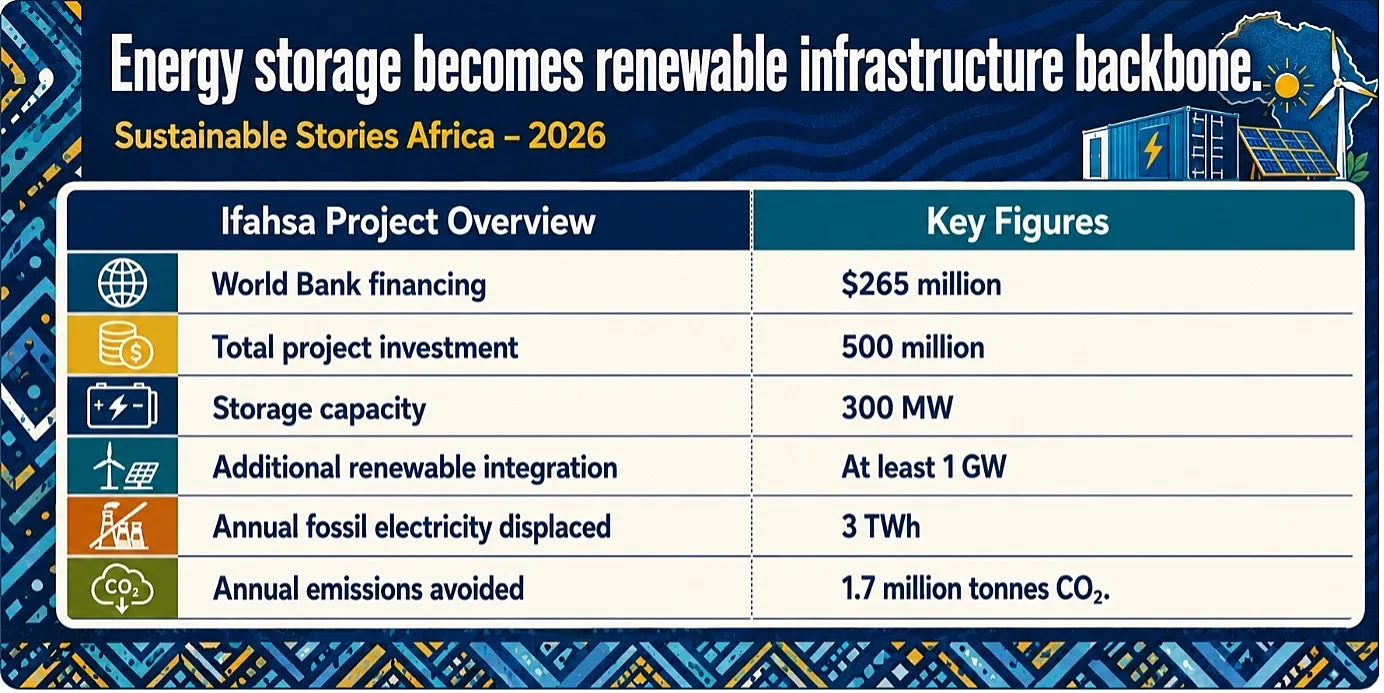
The World Bank Group has approved $265 million in financing for Morocco's Ifahsa Pumped Hydropower Storage Project, a flagship clean energy investment aimed at strengthening electricity reliability and accelerating the country's renewable energy transition.
Approved by the World Bank's Board of Directors on 1 July 2026, the project will be implemented by Morocco's National Office of Electricity and Drinking Water (ONEE), with co-financing from the African Development Bank as part of a broader $500 million investment programme.
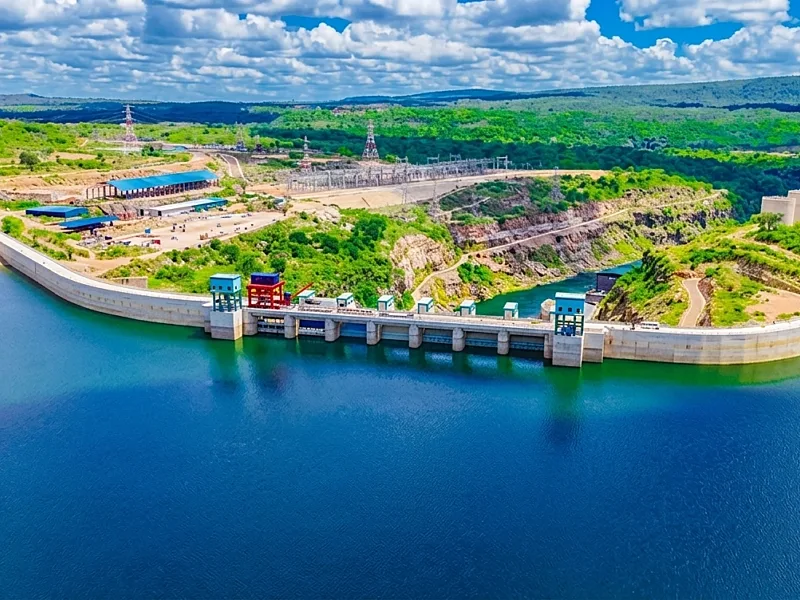
Located near Chefchaouen in northern Morocco, the 300 MW facility will serve as a large-scale energy storage system, using surplus solar and wind power to pump water into an upper reservoir, then release it through turbines during peak-demand periods.
The project is expected to enhance grid stability, improve energy security, and enable Morocco to integrate significantly more renewable electricity into its national power system, supporting long-term economic development.
Energy storage becomes the renewable infrastructure backbone
Unlike conventional hydropower, pumped hydropower storage operates as a giant rechargeable battery for electricity networks.
During periods of abundant solar and wind generation, excess electricity pumps water uphill into a storage reservoir. When renewable generation falls, or electricity demand rises, the stored water flows back through turbines to generate electricity almost instantly.
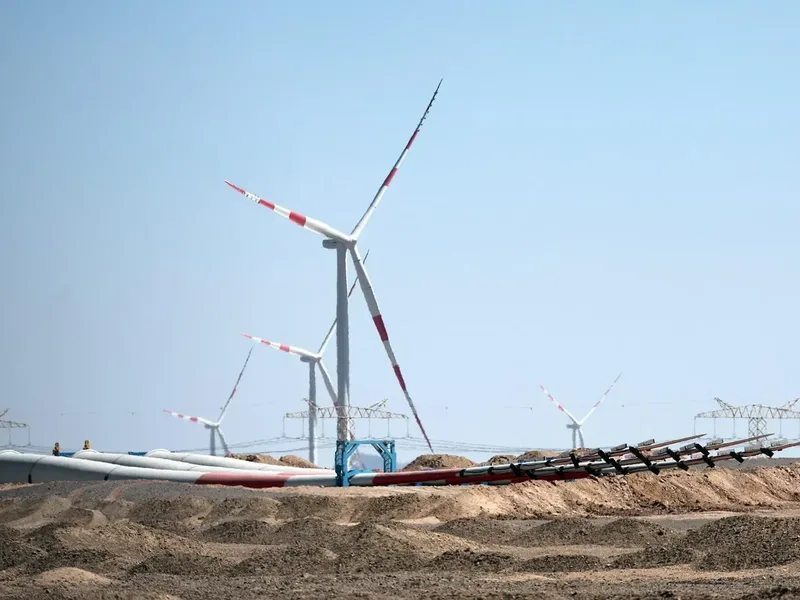
According to the World Bank, the Ifahsa project will enable Morocco to integrate at least one gigawatt of additional solar and wind capacity into its electricity system.
By replacing roughly 3 terawatt-hours of fossil fuel-based electricity annually, the project is expected to prevent approximately 1.7 million tonnes of carbon dioxide emissions yearly, while supporting Morocco's long-term decarbonisation strategy.
The investment also carries significant economic implications. Construction is projected to create approximately 820 direct jobs annually. Improved integration of renewable energy is expected to unlock around $1 billion in private investment across Morocco's expanding clean energy sector.
Cleaner, more reliable electricity could also improve the competitiveness of Moroccan manufacturers increasingly serving export markets with low-carbon supply chain requirements.
Ahmadou Moustapha Ndiaye, the World Bank's Division Director for the Maghreb and Malta, described the initiative as an example of how partnerships between multilateral institutions and national authorities can mobilise capital for infrastructure that delivers environmental, social and economic benefits simultaneously.
Flexible grids unlock renewable economies
As countries expand renewable electricity generation, energy storage increasingly determines how effectively those resources can be used.
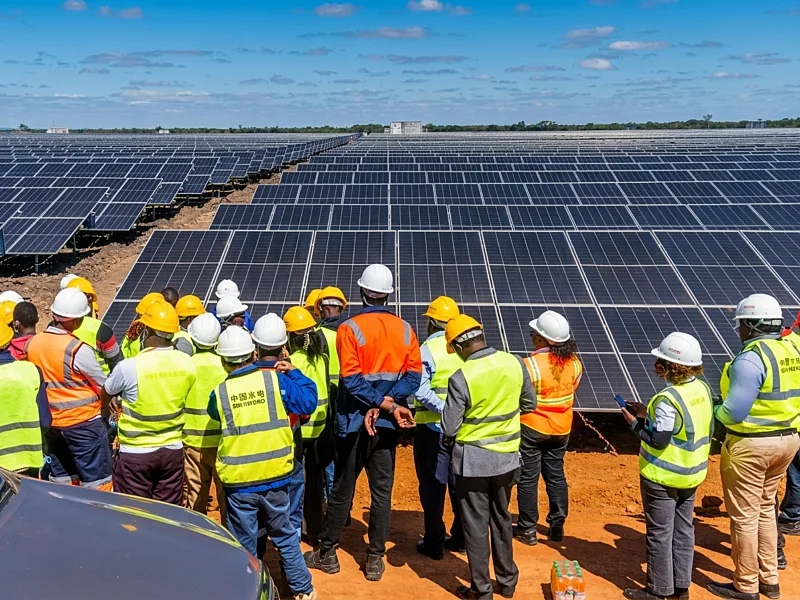
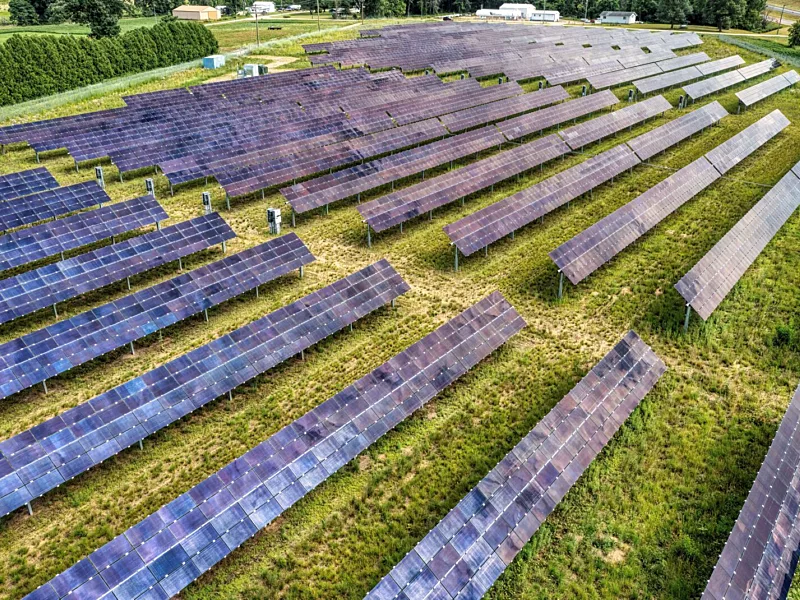
Solar panels produce electricity during daylight hours, while wind generation fluctuates with weather conditions. Storage infrastructure bridges those gaps, ensuring electricity remains available whenever households and businesses need it.
For Morocco, one of Africa's renewable energy leaders, the Ifahsa project strengthens the foundation for a more resilient electricity system capable of supporting industrial growth, digital infrastructure and future green manufacturing opportunities.
Reliable clean electricity could also reduce dependence on imported fossil fuels while supporting national climate commitments and strengthening long-term energy sovereignty.
The project demonstrates how public development finance can catalyse larger private investment flows, particularly where enabling infrastructure reduces commercial risk for renewable energy developers.
Partnerships must deliver implementation excellence
Approving financing represents only the beginning of a complex infrastructure programme.
Successful delivery will require coordinated execution by ONEE, development partners, contractors and regulatory institutions to ensure construction progresses on schedule and environmental and social safeguards are maintained.
The collaboration between the World Bank Group and the African Development Bank also highlights the growing importance of blended finance in supporting Africa's energy transition.
As electricity demand continues to rise across the continent, similar partnerships could become increasingly important in financing grid flexibility, renewable integration and climate-resilient infrastructure.
Path Forward – Building resilient renewable energy systems
The immediate priority is delivering the Ifahsa project efficiently so Morocco can strengthen grid resilience while accelerating renewable energy deployment.
Longer term, investments in next-generation energy storage will help African countries modernise electricity systems, attract private capital and advance ESG objectives through cleaner, more reliable and economically competitive power infrastructure.
Culled From: World Bank Group and Morocco Partner to Unlock the Power of Next-Generation Hydropower