The World Bank has approved a $1.6 billion financing package to strengthen Eastern Africa’s power grids and regional electricity trade.
The programme comes as countries face a familiar contradiction: some generate surplus power while others live with shortages.
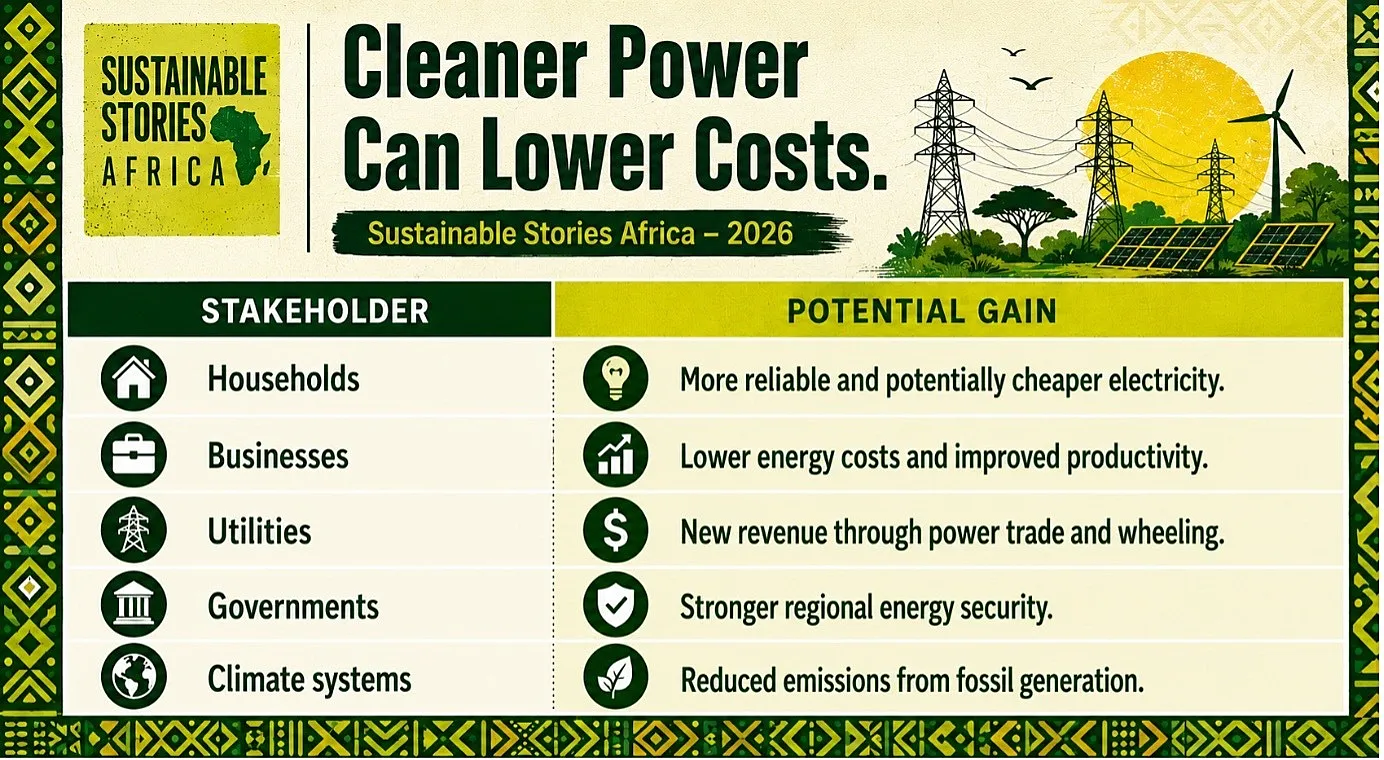
For households, businesses and utilities, stronger interconnections could mean cheaper, cleaner and more reliable electricity.
A Region Gets Connected
Eastern Africa’s electricity future has received a major boost.
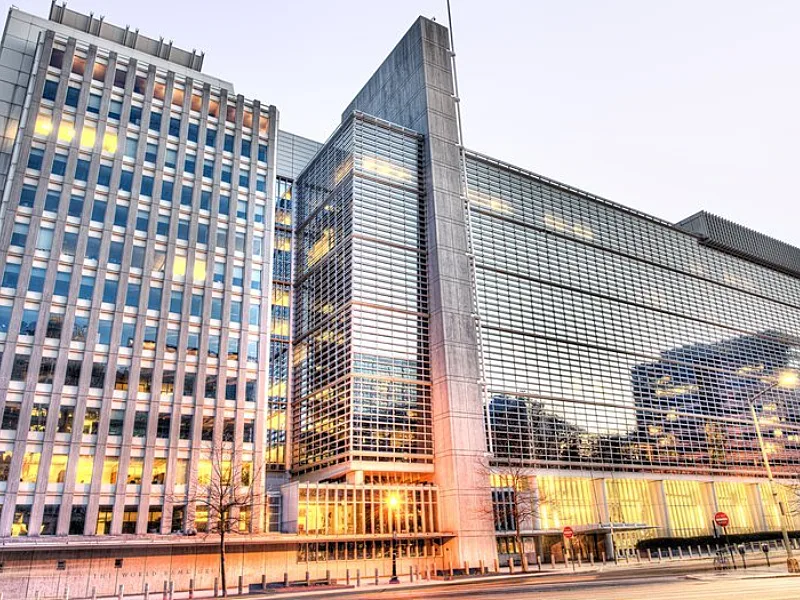
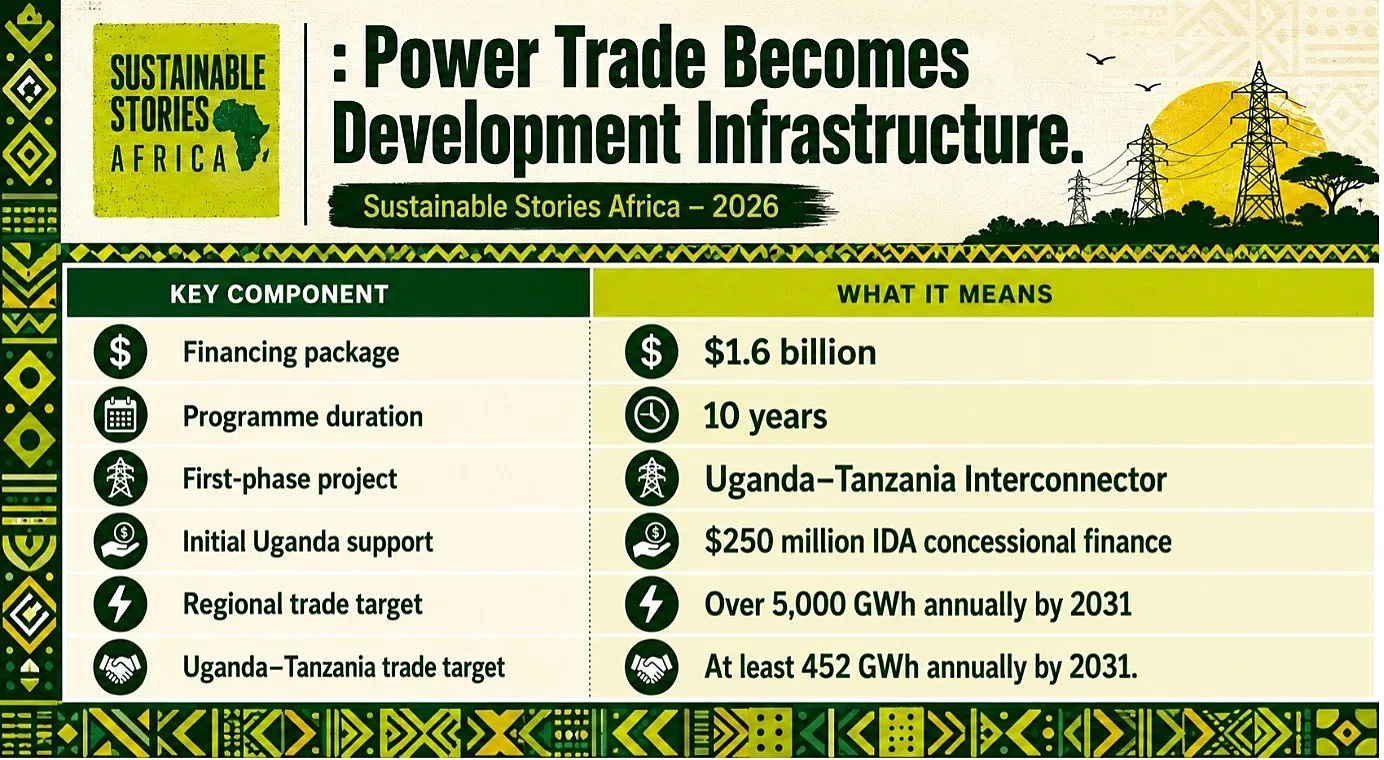
The World Bank Group has approved a $1.6 billion financing package for the Regional Energy Transmission, Trade and Decarbonization programme for Eastern Africa, known as RETRADE-EA.
The 10-year initiative is designed to connect power systems, improve regional electricity trade, strengthen institutions and help countries move cleaner energy across borders.
The first phase will support the Uganda–Tanzania Interconnector Project, backed by $250 million in concessional financing for Uganda.
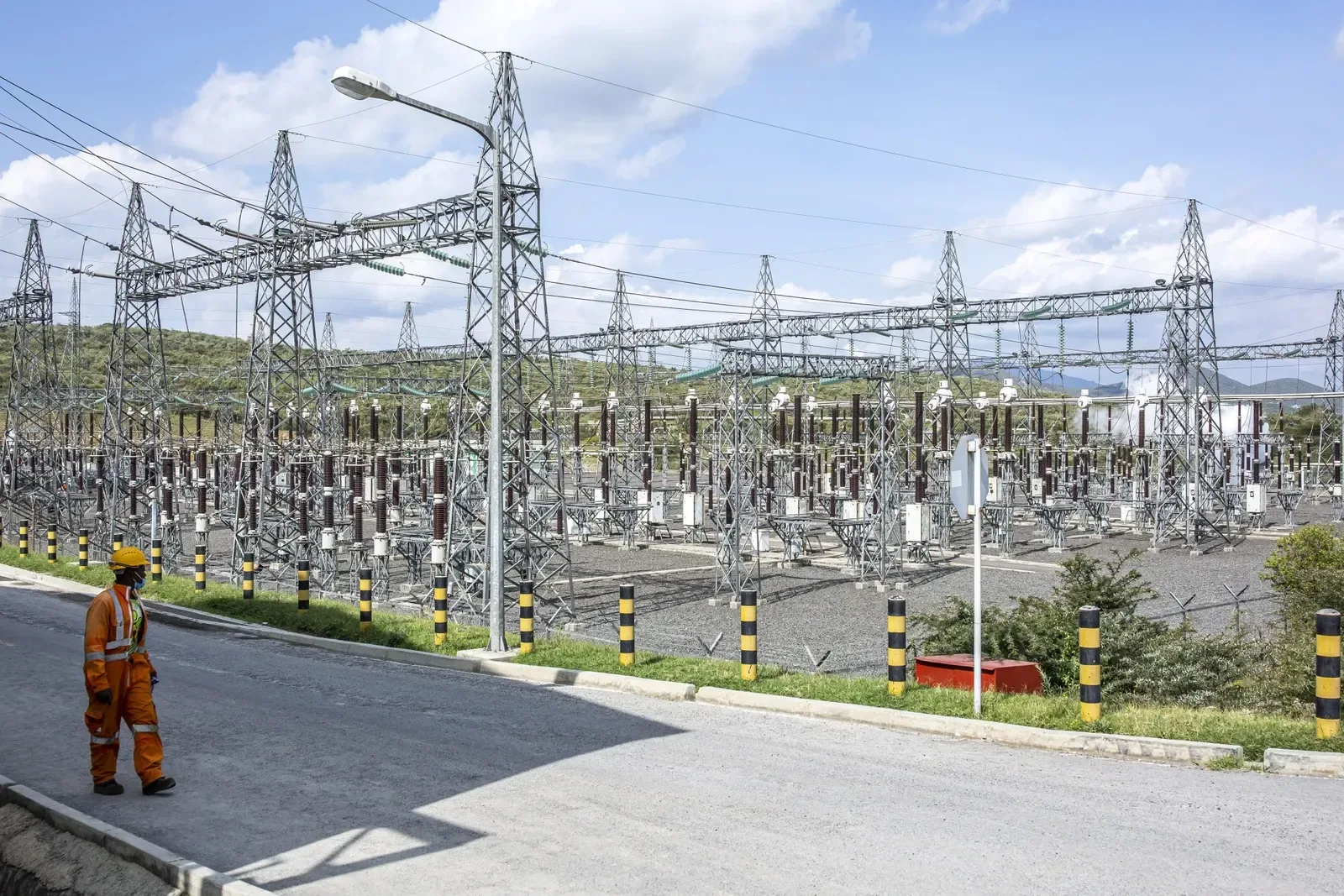
It will finance a high-voltage transmission line linking Uganda to Tanzania, allowing Uganda’s surplus clean power to reach wider regional markets.
For East Africa, the announcement is not simply about cables and substations. It is about whether electricity can be transmitted from where it is available to where it is needed most.
Power Trade Becomes Development Infrastructure
Across Africa, generation has often received more attention than transmission. Yet weak grids can leave countries with power shortages even when neighbouring markets have unused supply.
That is the problem RETRADE-EA is trying to solve. The programme will finance infrastructure and institutional capacity, support the Eastern Africa Power Pool, strengthen planning and operations, and help launch a Day-Ahead Market for regional power trading.
The Uganda–Tanzania line is expected to run about 260 kilometres from Wobulenzi to Masaka and Mutukula on the Uganda–Tanzania border.
It will create 1,000MW of transfer capacity, giving Uganda a route to monetise surplus hydropower while improving supply options for the region.
For a small manufacturer in Dar es Salaam, a cold-chain operator in Kampala, or a clinic in a grid-constrained town, better transmission can become the difference between running consistently and relying on expensive diesel backup.
Desire: Cleaner Power Can Lower Costs
The upside is significant.
By allowing countries to trade power more efficiently, Eastern Africa can reduce dependence on expensive thermal generation, improve system reliability and support renewable energy integration.
The World Bank projects that shifting from polluting thermal generation to clean hydropower for Uganda could avoid 25.8 million metric tons of carbon dioxide emissions.
This is where infrastructure becomes sustainability.
- A better-connected grid can help countries use existing clean energy more efficiently before building expensive new generation.
- It can also make solar, wind, hydropower and geothermal projects more bankable because power producers gain access to wider markets.
The risk is execution. Transmission projects can be delayed by land acquisition, procurement, regulatory gaps and utility weaknesses.
Without strong governance, the promise of regional trade may remain trapped in planning documents.
Build The Market Behind The Wires
The World Bank financing should push governments, regulators and utilities to move beyond project-by-project thinking.
East Africa needs harmonised tariffs, credible transmission rules, stronger utilities, faster permitting and transparent power-purchase frameworks.
The Eastern Africa Power Pool must also be equipped to coordinate planning, dispatch and market operations across borders.
Private investors should pay attention. Stronger transmission creates room for independent power producers, storage developers, grid contractors and clean-energy financiers.
However, capital will follow only where markets are predictable and payments are credible.
For citizens, the advocacy point is simple: energy access is not only about building power plants.
It is also about building the networks that move electricity fairly, affordably and reliably.
Path Forward – Stronger Grids, Cleaner Regional Growth
RETRADE-EA gives Eastern Africa a chance to turn surplus power into shared prosperity. The priority now is delivery: build the lines, operationalise the market and strengthen institutions.
If executed well, the programme can advance energy access, cut emissions, improve affordability and deepen regional integration, turning electricity trade into a practical engine for sustainable African growth.
Culled From: East African grids get $1.6 billion World Bank boost