Zimbabwe is set to benefit from a US$17.4 million SADC green mining initiative.
The programme targets cleaner, socially responsible and value-added critical minerals production.
For mining communities and African economies, the real test is whether minerals for the energy transition can also deliver local jobs, cleaner operations and stronger industrial value.
Green Mining Moves From Slogan to Strategy
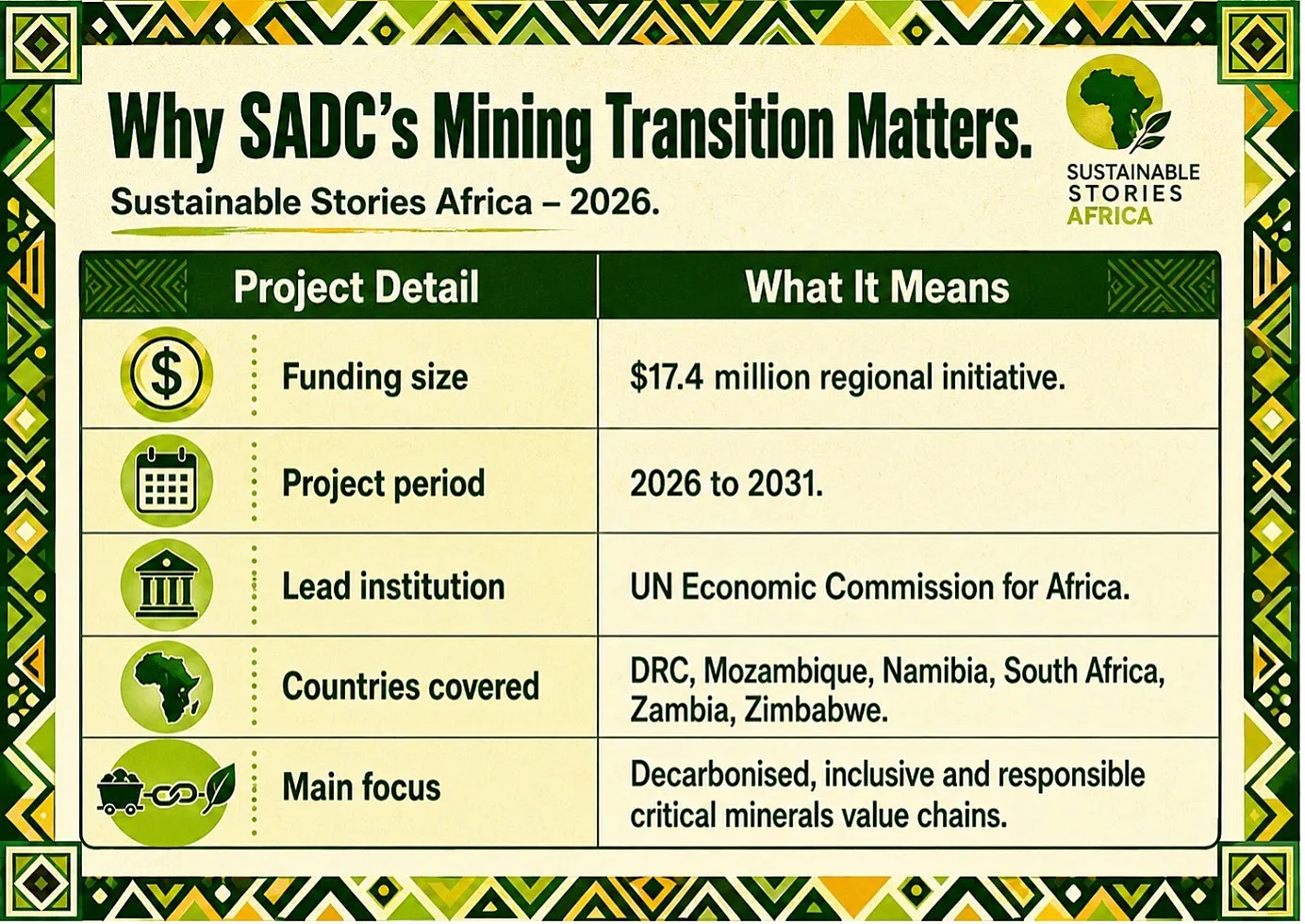
Zimbabwe stands to benefit from a $17.4 million regional green mining initiative designed to decarbonise extraction and build responsible critical-minerals value chains across the Southern African Development Community SADC).
Launched by the United Nations Economic Commission for Africa in Lusaka, the five-year programme (2026–2031) covers the Democratic Republic of Congo, Mozambique, Namibia, South Africa, Zambia and Zimbabwe, placing the region's minerals economy at the heart of Africa's clean energy and industrialisation agenda.
For Zimbabwe, a significant lithium producer, the timing is strategic. Global demand for lithium, copper, cobalt, manganese, and nickel is accelerating alongside the growth of electric vehicles and the expansion of battery storage.
The defining question for Africa has shifted from whether it holds the minerals to whether it can capture greater value while minimising the environmental cost of extraction.
Why SADC’s Mining Transition Matters
Mining is one of SADC’s most important economic engines, contributing significantly to GDP, foreign exchange earnings and industrial activity across the region.
Zimbabwe’s role in lithium, South Africa’s strength in platinum group metals and manganese, Zambia and DRC’s copper-cobalt base, Namibia’s uranium and Mozambique’s graphite all show why the region matters to the global energy transition.
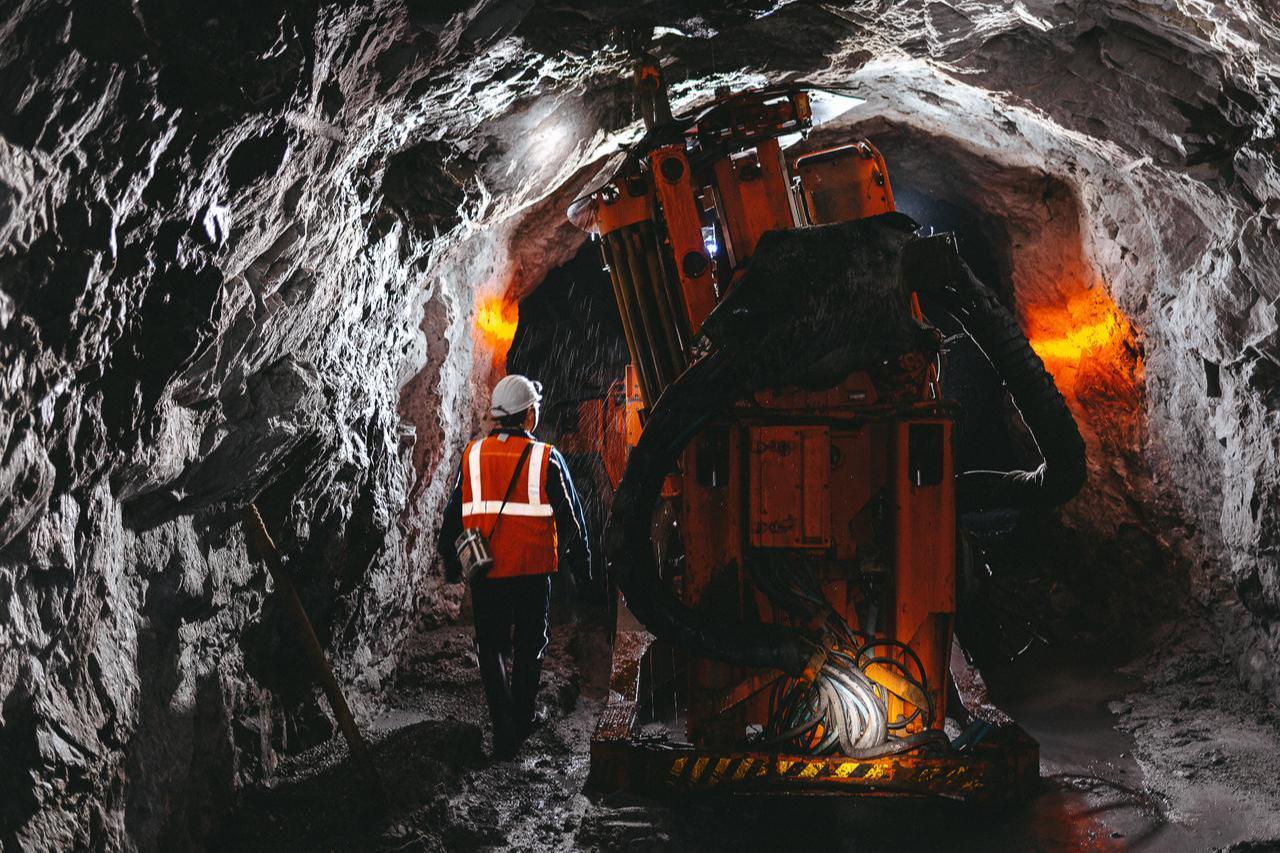
However, many mines remain energy-intensive and dependent on fossil fuels. In remote sites, diesel generators still power operations because grid connections are weak or unavailable. That raises costs, emissions and climate-risk exposure for operators.
ECA Southern Africa Regional Director Eunice Kamwendo described the initiative as part of a shared commitment to regional cooperation, responsible mining, value addition and clean-energy-linked industrialisation.
The initiative is aligned with the African Mining Vision, the Africa Green Minerals Strategy, the SADC Regional Mining Vision and recommendations of the UN Secretary-General’s Panel on Critical Energy Transition Minerals.
That alignment matters because Africa has too often exported raw materials while importing finished technologies.
Green mining could help shift the model from extraction alone to processing, industrial capability and cleaner production.
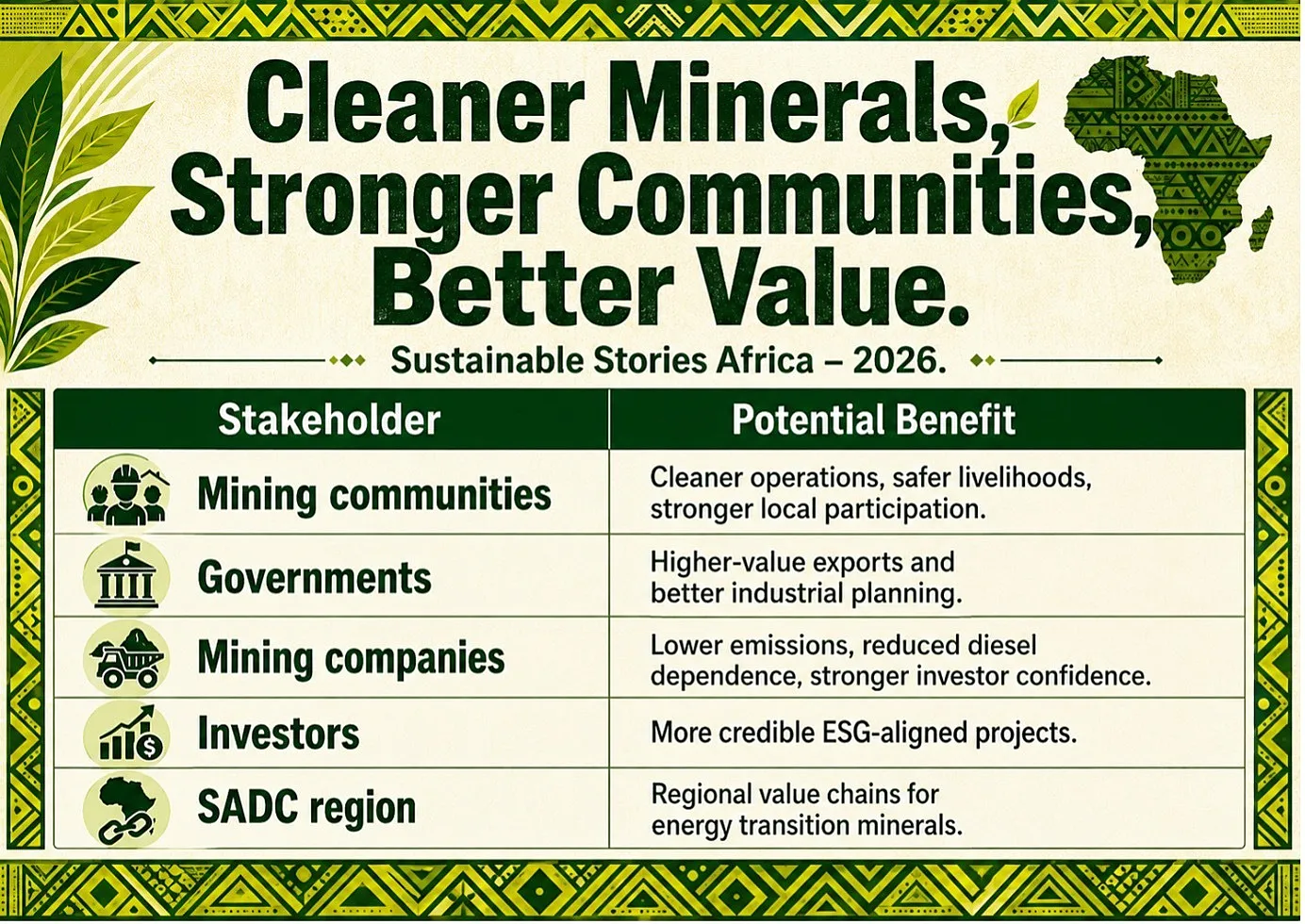
Cleaner Minerals, Stronger Communities, Better Value
If executed well, the initiative could help Zimbabwe and its neighbours reduce emissions from mining, attract climate-conscious investment and create more skilled jobs in mineral processing, renewable energy integration and environmental management.
- For a mining community near a lithium or platinum operation, green mining should not be an abstract ESG phrase. It should mean cleaner air, better water protection, safer working conditions, more local procurement and credible mine closure plans.
- For governments, it offers a chance to connect mineral wealth with industrial policy. Instead of simply shipping ore, countries can support battery precursor production, mineral beneficiation, renewable-powered mine sites and regional supply chains.
However, the opportunity is not automatic. Without transparency, community safeguards and enforceable standards, “green minerals” could become a branding exercise rather than a development shift.
Zimbabwe Must Turn Benefit Into Reform
Zimbabwe’s participation should now be matched with clear domestic action. The country needs stronger environmental monitoring, credible emissions reporting, transparent mining agreements and policies that encourage local value addition rather than raw mineral exports.
- Mining companies should accelerate renewable-energy procurement, improve tailings and water management, and publish clearer ESG data.
- Regulators must ensure that decarbonisation does not ignore social responsibility, land rights or community benefit-sharing.
Development partners also have a role.
- The $17.4 million initiative can help with technical support; however, Zimbabwe and the region will need far larger financing to transform mine power systems, processing facilities, skills pipelines and regional infrastructure.
The message is clear: Africa’s minerals are central to the global energy transition, but African communities must not carry the environmental cost while others capture the industrial value.
Path Forward – Make Minerals Work for People
Zimbabwe’s green mining opportunity should be measured by cleaner operations, better jobs, stronger value addition and more credible community protection.
The next step is disciplined implementation: renewable-powered mines, transparent ESG reporting, enforceable safeguards, regional processing and skills development.
Well done, SADC’s mineral wealth can support both climate action and a fairer African industrial future.
Culled From: Zimbabwe to benefit from US$17 million SADC green mining initiative – herald