
opEds

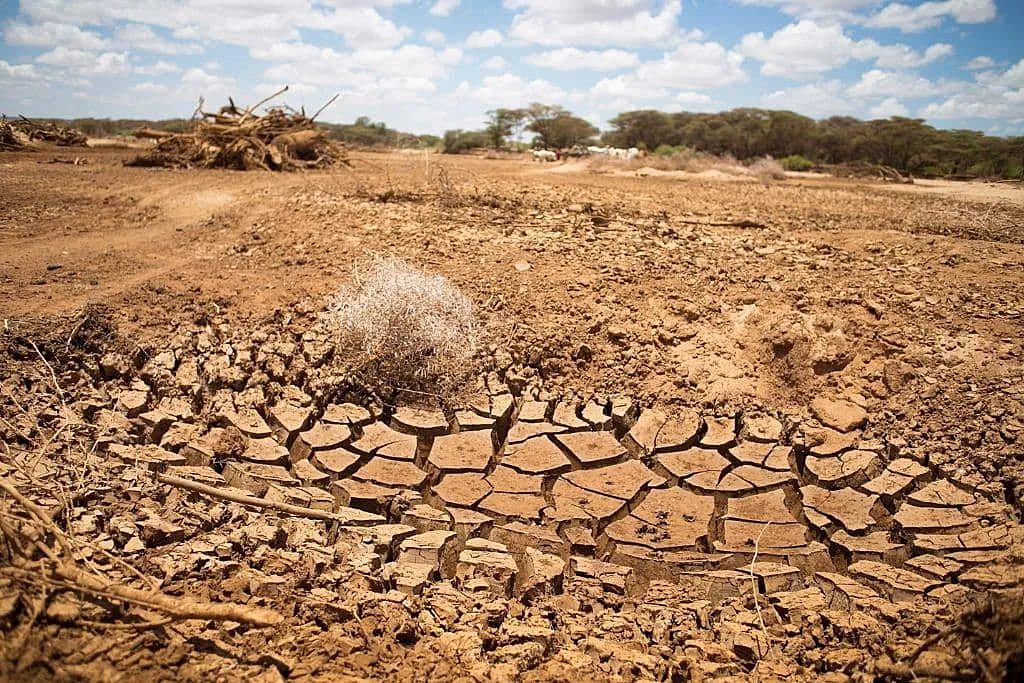
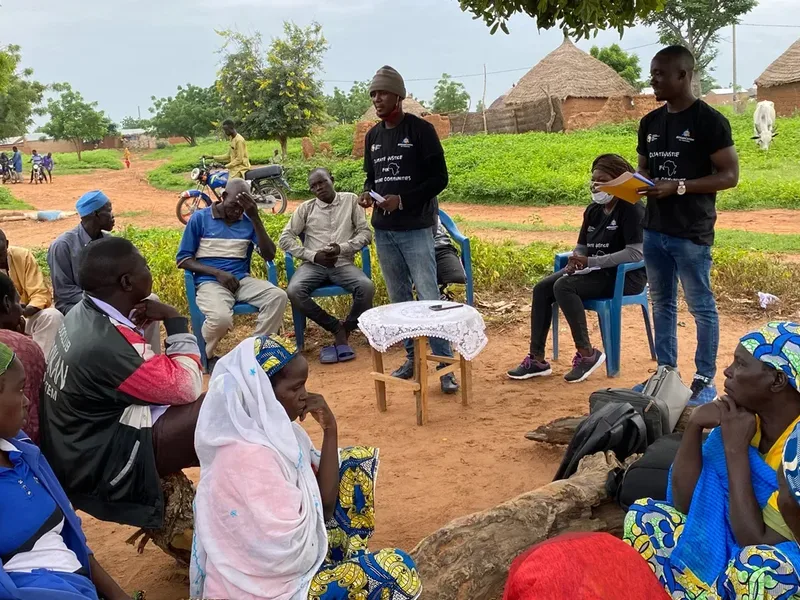
Africa’s climate response needs sustained investment in independent local journalism. Communities require reporting that explains risks, tests solutions and follows public promises beyond disasters and diplomatic meetings.
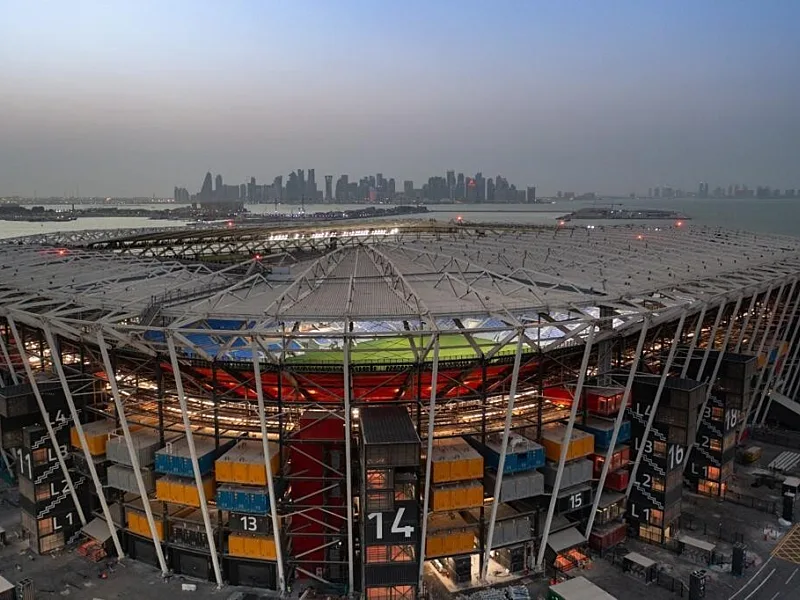
The Sustainable Stories Africa editorial team and board review of Daré Awoyinfa’s paper: one conclusion stands out: Qatar 2022 accelerated national development, but it also deepened reliance on state-led mega-events.
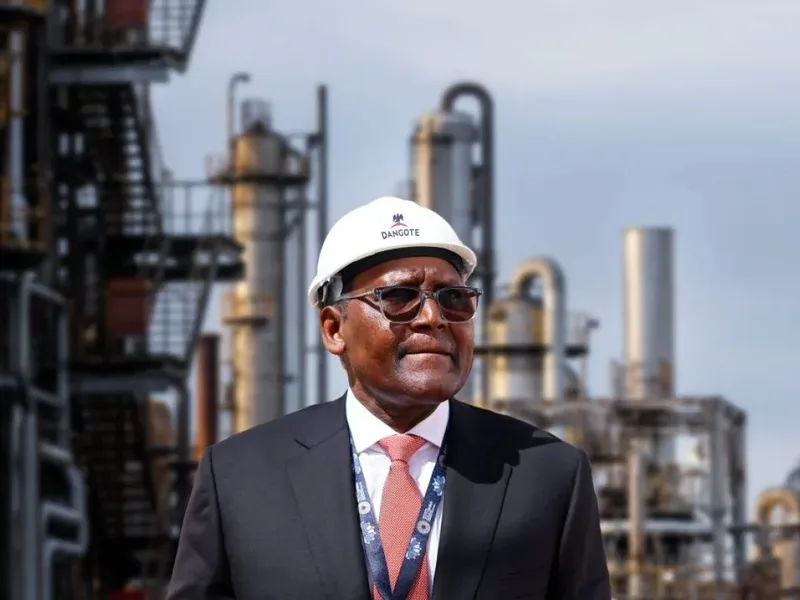
At N525 a share, the Dangote Petroleum Refinery offer opens public ownership in a strategically important African industrial asset. It also asks investors to accept a valuation shaped by unusually strong recent margins, concentrated control and a vast expansion still to be funded.

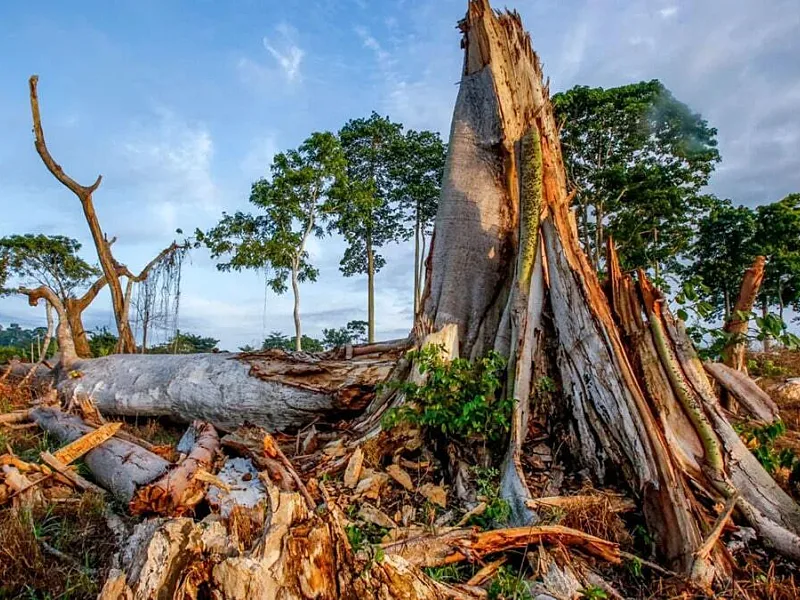
Nigeria knows how to count buildings, debt, production and investment. It is less practised at counting the forests, wetlands, soils, watersheds and biodiversity that make economic activity possible.
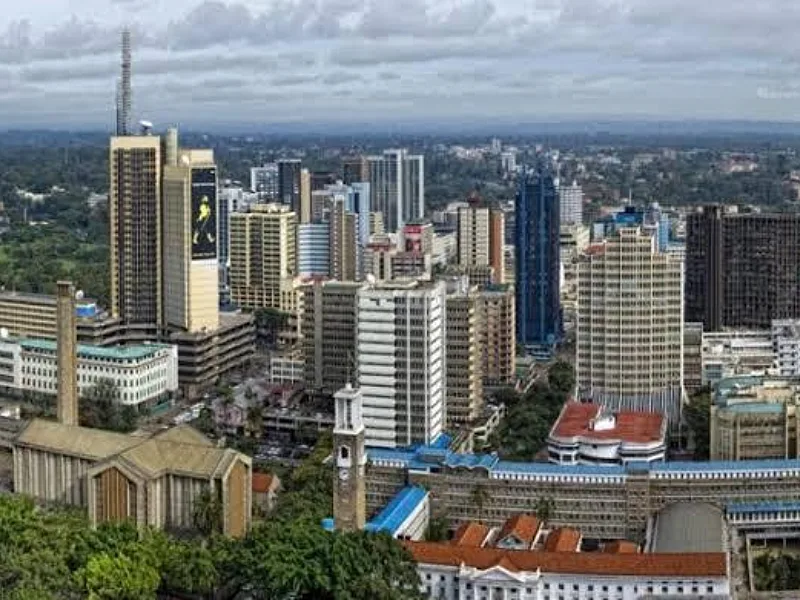
Nigeria’s financial-sector recapitalisation has created a rare abundance of capital across banking, pensions and insurance. However, capital raised is not the same as capital productively deployed.
Africa is advancing on 12 of the 17 Sustainable Development Goals; however, only 2 of 46 measurable targets reviewed in the 2025 Africa Sustainable Development Report are on track to meet the 2030 objectives.
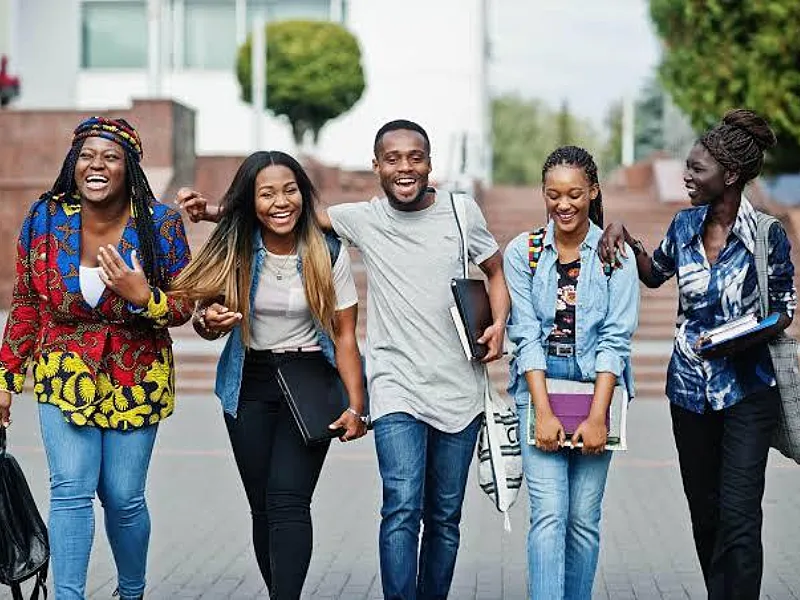
By 2050, one in four people globally will be African, and the continent’s working-age population is expected to double.

Most African migrants do not leave the continent. In 2024, 25.1 million lived elsewhere in Africa, compared with 20.7 million outside it; Africa’s newest labour statistics also show a workforce that is young, mobile and concentrated in regional economies.

The Insurance Sector Strengthening Program (ISSP) is a five-year initiative fully endorsed by NAICOM and being developed with the Commission’s team to expand insurance access, strengthen professional capacity and bring women, young people and MSMEs into Nigeria’s risk-protection system
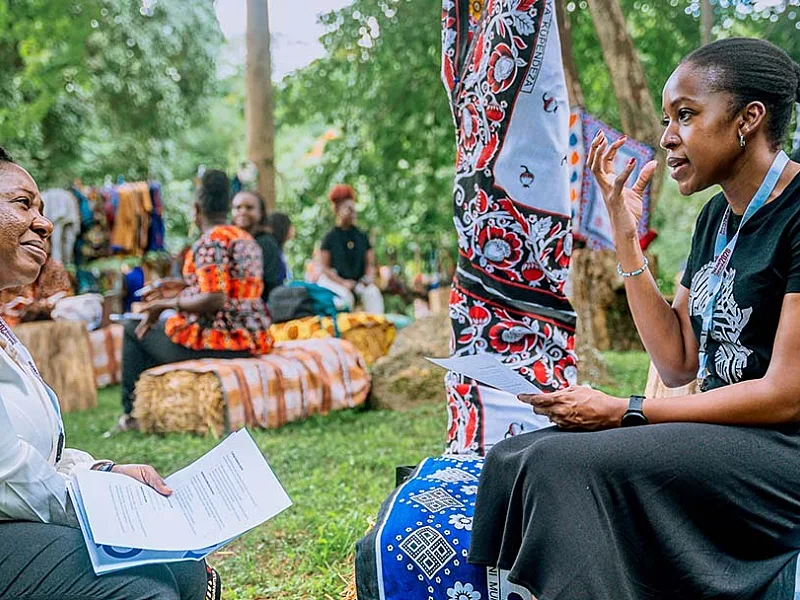
Africa's ESG storytelling crisis isn't a lack of ambition; it's a lack of trained hands to tell the continent's own sustainability story on its own terms.
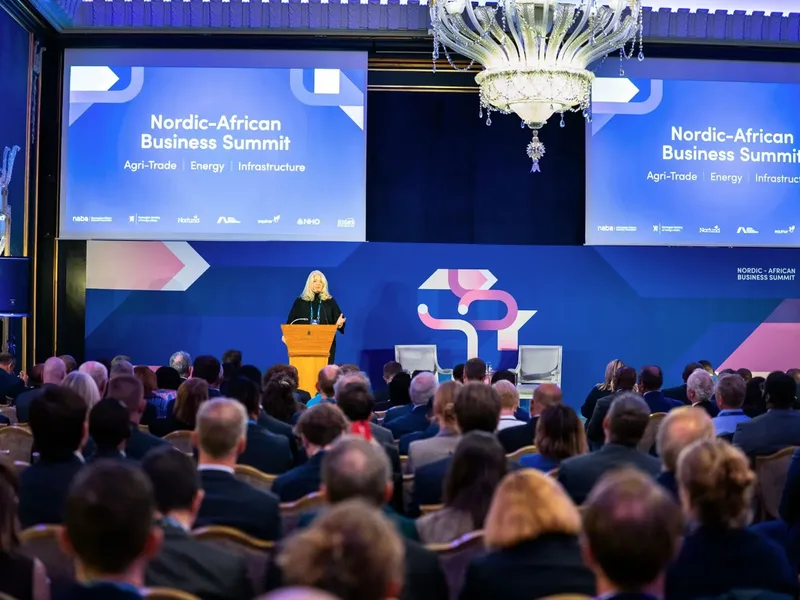
Denmark and its Nordic peers have built a credible record in African development finance, climate investment, humanitarian support and institution-building. Their next test is not whether more money reaches the continent, but whether African communities shape what that money builds.
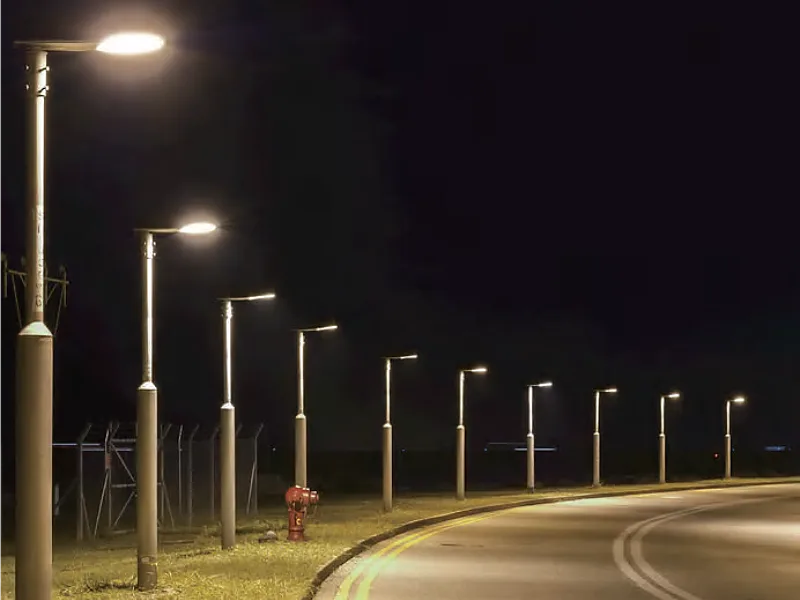
Nigeria’s weak grid has made solar lighting an infrastructure necessity, rather than a lifestyle accessory. Aiona’s leaders argue that efficient LEDs, climate-adapted batteries and off-grid design can lower costs while improving safety and reliability.